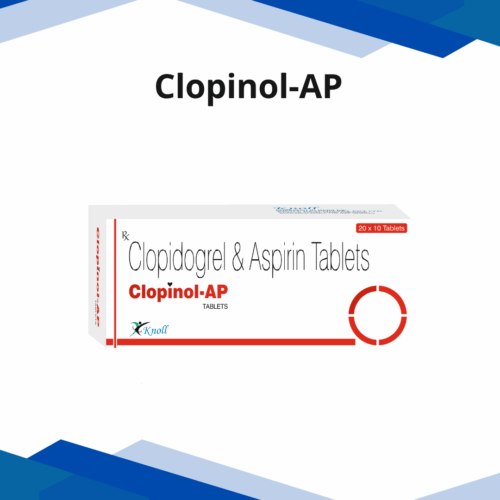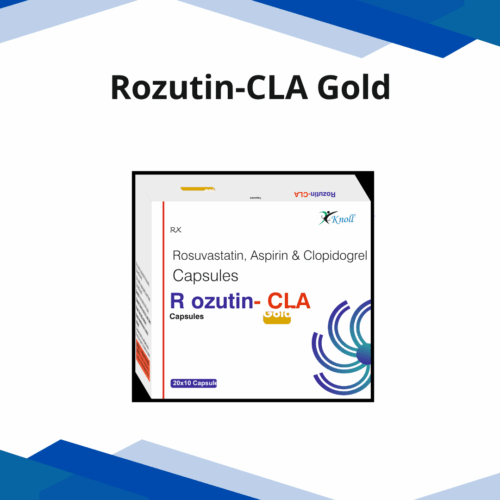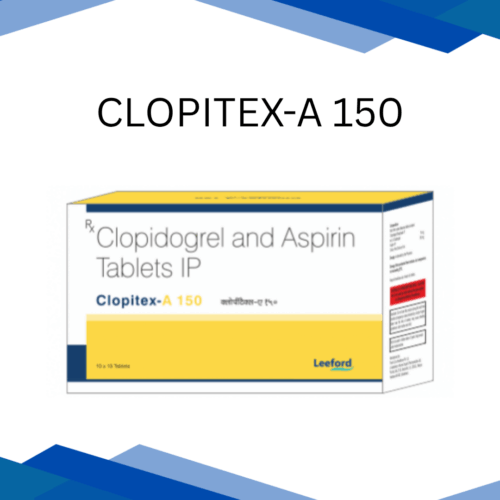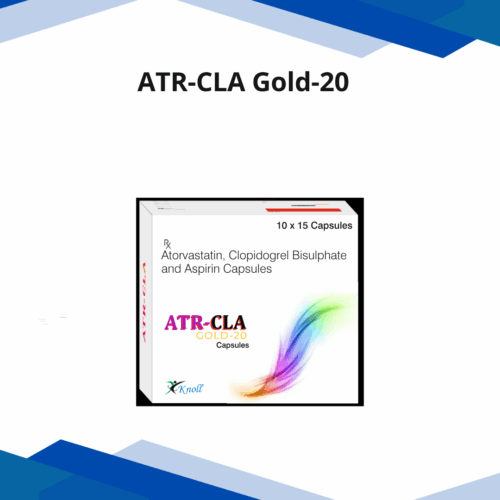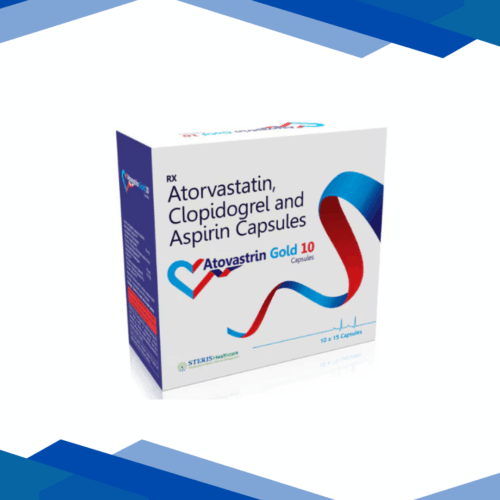

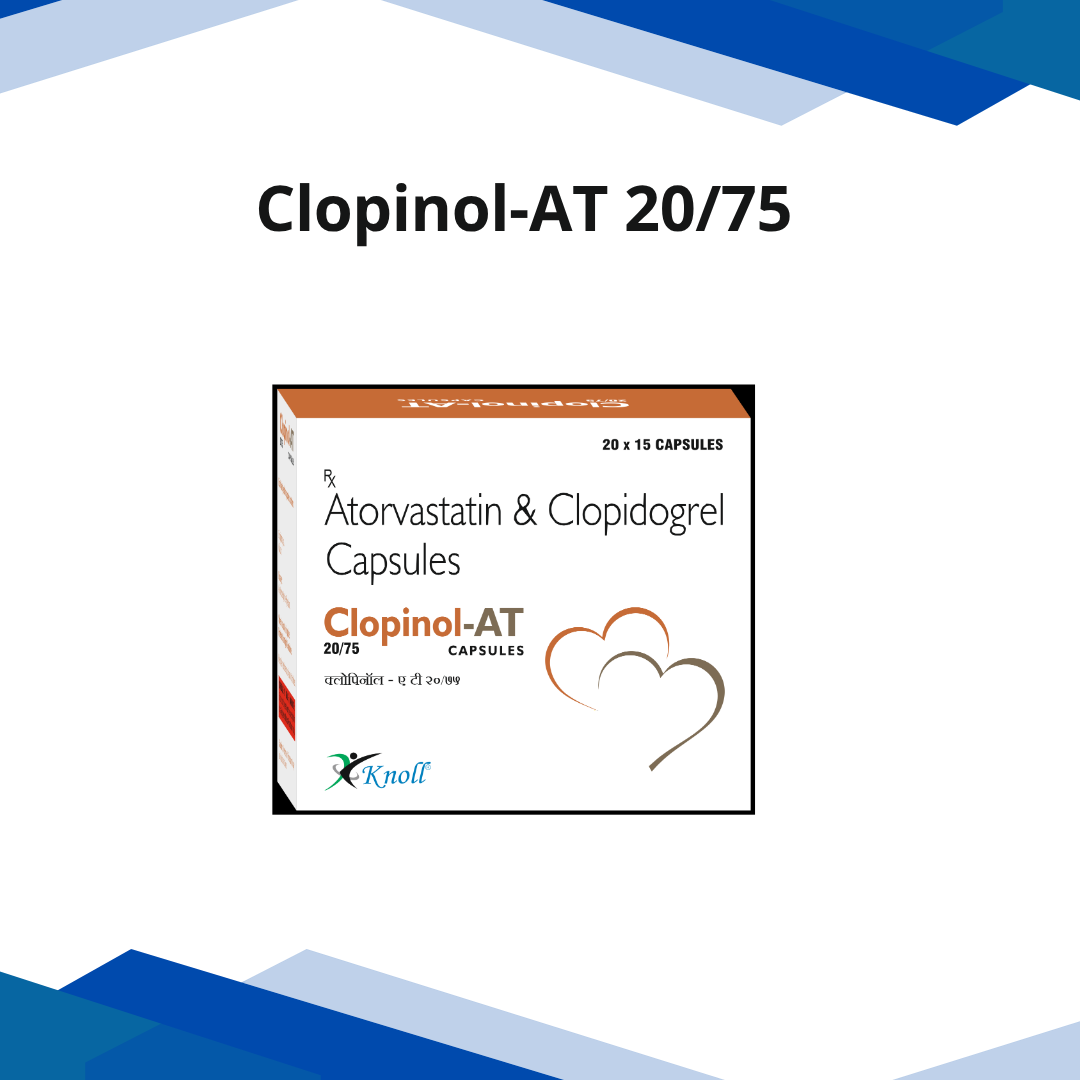
Clopinol-AT 20/75
No Prescription yet? Don’t worry! Click Here to Get Online Consultation
Clopinol At 20/75 Capsule 15 is used for the following: Reducing the risk of heart attack, stroke, and other heart-related problems in high-risk patients. Managing high levels of total cholesterol, bad cholesterol (LDL), and triglycerides in the blood. Raising good cholesterol (HDL) levels. For more details kindly click on Medicine Salts below:
Atorvastatin
Atorvastatin Tablets (IP/USP) Atorvastatin falls under the class of HMG-CoA reductase inhibitors (statins). It is used specifically to reduce concentration of "bad" cholesterol (LDL), triglycerides as well as raise "good" cholesterol (HDL) in the blood. Atorvastatin lessens the manufacturing of cholesterol by the liver, preventing the clogging of arteries in the form of fatty buildups (atherosclerosis) substantially limiting the chances of heart attack, stroke, or cardiovascular stress.
Significant Therapeutic Benefits Lipid Management: Effective in reducing high levels of low-density lipoproteins (LDL) and triglycerides. Cardiovascular Protection: Clinically endorsed to lower the risk of major coronary events in people with or without established heart disease. Plaque Stabilization: By stabilizing the existing arterial plaques, it prevents them from breaking apart and blocking the arteries. Chronic Safety: Long-term use is generally regarded as safe for managing hyperlipidemia whenever it is carried out under careful monitoring by a medical professional.
Pharmacodynamics Atorvastatin works by (the selective inhibition of) the enzyme 3-hydroxy-3-methylglutaryl-CoA reductase that plays a central catalytic role in cholesterol synthesis in the liver. This inhibition leads to increased uptake of LDL cholesterol from blood by the liver, resulting in larger reductions of total cholesterol in blood.
Use Recommendations: Dosage: Your doctor prescribes the dosage amount. It may generally be 10 mg, 20 mg, 40 mg, or 80 mg. Timing: You can take it at any time, but regular doses generate a greater effect. For optimal cholesterol regulation, most doctors suggest taking it at bedtime. Mode of Administration: Simply swallow the complete tablet with water. You can have it with or without food.
Most Common Side Effects Generally, Atorvastatin is well tolerated. However, there can be cases of: Nasopharyngitis (symptoms like a cold) Musculoskeletal pain (mild muscle or body aches) Loose stools or an upset stomach Mildly higher blood sugar Cephalodynia (headache) If you have unexplained muscle pain, please stop taking this pill and seek immediate medical help. Do not ignore high fever or dark urine at all.
Safety Measures Pregnancy & Lactating Mother: Unsafe. Atorvastatin is strictly contraindicated during pregnancy as it may cause harm to the fetus. Liver Disorder: Tell the doctor if you had a liver disease. The dose of the drug could be adjusted or LFTs (Liver Function Tests) monitored. Alcohol: Keep alcohol intake to a minimum—excessive consumption raises the risks of liver damage and muscle-related side effects. Grapefruit Juice: Limit intake of grapefruit juice as high consumption can increase the concentration of Atorvastatin in your blood.
Frequently Asked Questions (FAQs) Q: Is Atorvastatin a blood thinner? No. Atorvastatin is a lipid-lowering medication (statin). Its primary function is to regulate cholesterol levels and it does not directly affect the blood clotting process like aspirin or anticoagulants. Q: Once your cholesterol levels are normal, can you stop taking Atorvastatin? No. It helps manage cholesterol, not cure it. Stopping the medication may cause cholesterol levels to rise again. Always consult your doctor before making any changes. Q: Does Atorvastatin cause memory loss? Rare but possible. Some patients report mild memory loss or confusion. These effects are usually reversible after dose adjustment or discontinuation under medical supervision. Q: Can Atorvastatin cause diabetes? Statins may slightly increase blood sugar levels. If you are at risk of Type 2 diabetes, your doctor will monitor your glucose levels regularly. Q: What should I do if I miss a dose? Take the missed dose as soon as you remember. If more than 12 hours have passed or it is close to your next dose, skip the missed dose. Do not double up.
Clopidogrel
Clopidogrel 75mg Tablet Clopidogrel is under the thienopyridine class of antiplatelet drugs (commonly known as "blood thinners"). It is used mainly to prevent severe cardiovascular events—like heart attacks and strokes—in high-risk patients. The mechanism is the selective inhibition of the adsorption of adenosine diphosphate (ADP) on the platelet receptor, thus preventing the activation of platelets from coming together and creating fatal blood clots within narrow blood vessels.
Therapeutic Indications Acute Coronary Syndrome (ACS): Reduces the rate of heart attack and stroke. Recent Stroke or Heart Attack: Indicated in cases with an emergent history of these conditions so as to prevent recurrence. Peripheral Arterial Disease (PAD): Improves blood flow in patients with persisting arterial occlusion in the limbs. Post-Stent Procedure: Put in after the placement of a coronary stent to prevent the stent from blocking (stent thrombosis).
Significant System Therapy Secondary Prevention: It has a tremendous and proactive role in managing patients with chronic cardiovascular diseases. Dual Antiplatelet Therapy (DAPT): In many cases, low-dose Aspirin is also given during the post-cardiologic procedure for protection. Rapid Absorption: Although the peak plasma level is rapidly reached, its anti-platelet effect shows up around 3 to 4 days of good therapy.
Dosage and Administration Standard Dosage: The most common dose is prescribed once a day and is generally 75 mg. In acute settings, a loading dose may be prescribed under physician supervision. Consistency: It is better to take it at the same time every day, often in the evening, to maintain steady levels. Method of Administration: Can be taken with or without food. Swallow the tablet whole with water.
Side Effects Experimental data show that Clopidogrel is generally well-tolerated, with minimal adverse events. Some patients may report: Increased bleeding tendency or bruising (including nosebleeds) Mild GI disturbances or indigestion Diarrhea or abdominal pain EMERGENCY: Contact your doctor immediately if you experience symptoms of severe bleeding, such as black or bloody stools, coughing up blood, or sudden severe headaches.
Precautions & Interactions Surgical Procedures: Inform your surgeon or dentist before any procedure. You may need to stop the medication 5–7 days prior to reduce bleeding risk. Liver/Kidney Conditions: Use cautiously in patients with moderate liver or kidney impairment. Proton Pump Inhibitors (PPIs): Drugs like Omeprazole and Esomeprazole may reduce the effectiveness of Clopidogrel. Alternatives like Pantoprazole are often preferred. Alcohol: Limit alcohol intake due to increased risk of stomach bleeding.
Questions and Answers (Q&As) Q: Is Clopidogrel the same as an anticoagulant like Warfarin? No. Clopidogrel is an antiplatelet agent. While both prevent clots, antiplatelets stop platelets from clumping, whereas anticoagulants (like Warfarin) interfere with clotting proteins. Q: What to do if I cut myself while taking Clopidogrel? Minor cuts may bleed longer. Apply firm, steady pressure with a clean cloth for at least 10 minutes. If bleeding persists, seek medical help. Q: Can I take Ibuprofen or Aspirin while on Clopidogrel? Avoid NSAIDs (like Ibuprofen or Naproxen) or additional Aspirin unless advised by your doctor, as this increases the risk of internal bleeding. Q: How long do I need to take this medication? Duration depends on your condition. Some patients may require it for 6–12 months after a stent, while others may need long-term or lifelong therapy. Never stop without consulting your doctor. Q: Does Clopidogrel cause fatigue? Fatigue is uncommon. However, unusual tiredness or pallor may indicate anemia due to hidden bleeding—consult your doctor promptly.
Storage Store below 30°C in a cool, dry place. Keep away from moisture and always use the medication in its original blister pack.
Disclaimer: This information is provided for general guidance only. Prescription medications should be used strictly under the supervision of a registered medical practitioner.
At Gem Pharmacy, we make every effort to provide accurate, expert-written, and thoroughly reviewed information related to medicines. However, this information should not be considered a substitute for professional medical advice, diagnosis, or treatment from a qualified doctor.
The purpose of this information is to educate users and improve communication between patients and healthcare professionals. It should not be used to diagnose or treat any condition.
Always consult a certified healthcare professional before taking any medication.


Related products