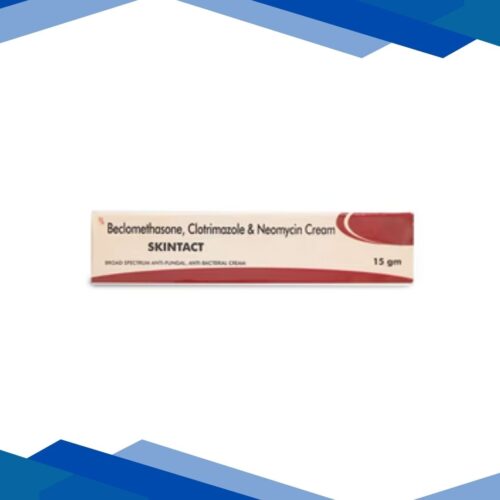
Clotrimazole
CLOTRIMAZOLE
Overview
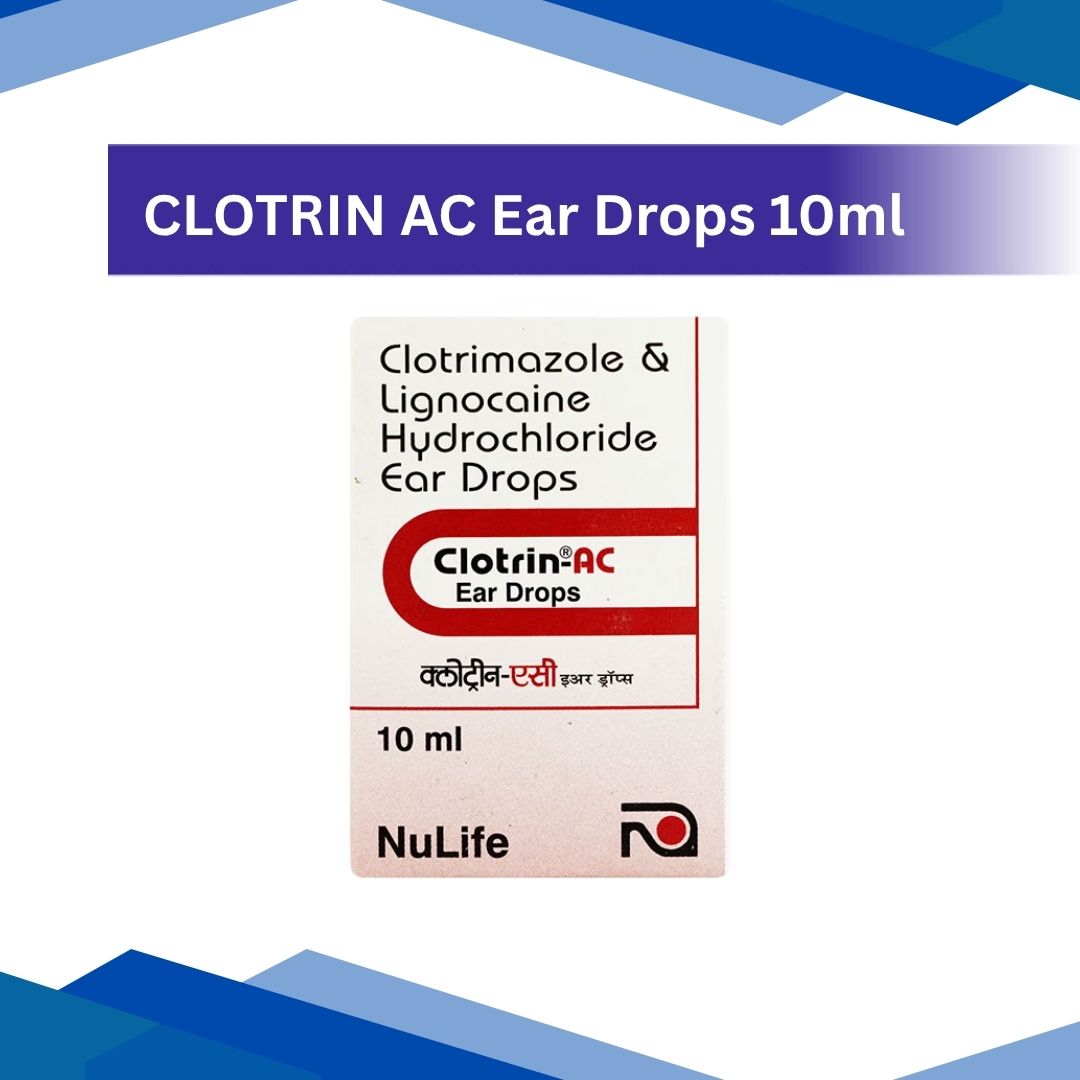
Clotrimazole is an antifungal medication that’s used to treat a variety of fungal infections, including those that affect the skin, mouth (oral thrush), and vagina.
Classification
Antifungal
Uses
Uses of Clotrimazole:
Topical: Treats ringworm, jock itch, athlete’s foot, and other fungal skin infections.
Vaginal: Used to treat vaginal yeast infections.
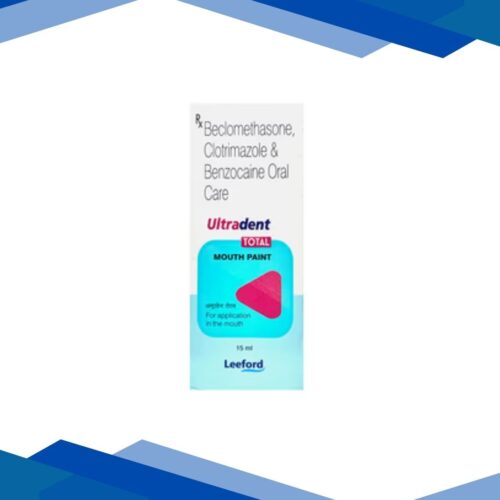
Oral: Available as a lozenge for oral thrush (oral candidiasis)
How it works
Clotrimazole is an antifungal medicine that treats certain fungal infections by disrupting the fungi’s cell structure
Dosage
As directed by the physician
Precautions
Who Should Avoid Using Topical Clotrimazole?
Topical clotrimazole is generally safe for most individuals when used as directed. However, certain groups should exercise caution or avoid its use:
Individuals with Allergies to Clotrimazole or Related Compounds
If you have a known allergy to clotrimazole or other azole antifungals such as miconazole or ketoconazole, you should not use this medication. Signs of an allergic reaction may include rash, itching, swelling, dizziness, or difficulty breathing.
Children Under 2 Years of Age
Topical clotrimazole should not be applied to children under 2 years old unless specifically directed by a healthcare provider. For children aged 2 to 12, consult a doctor before use.
Individuals with Liver Disease
Those with liver disease should use clotrimazole cautiously, as the medication is metabolized in the liver. Consult your doctor before use if you have liver conditions.
Pregnant and Breastfeeding Women
While topical clotrimazole is generally considered safe during pregnancy, it’s important to consult your doctor before use. The medication may pass into breast milk, so discuss with your healthcare provider if you are breastfeeding.
Side effects
Common side effects of phenylephrine include:
Leakage of intravenous medication
Hypertension
Slow heart rate
Anxiety
Headache
Burning
Rebound congestion
Sneezing
Excess fluid in the lungs (pulmonary edema)
Metabolic acidosis
Decreased blood flow to the kidneys
Reduced urine output
Nausea
Stomach pain or upset
Disclaimer
This content is for informational purposes only. Always consult a healthcare provider for medical advice and proper dosage.
Ofloxacin
OFLOXACIN
OVERVIEW
Ofloxacin is used in the treatment of bacterial infections. It is also used in infections of urinary tract, gastrointestinal tract, female genital organ, skin & soft tissues and lungs (pneumonia).
CLASSIFICATION:
Ofloxacin is an antimicrobial drug in the fluoroquinolone family
USES:
Ofloxacin is a broad-spectrum antibacterial agent with activity against both gram-negative and gram-positive organisms, used for the treatment of bacterial infections such as pneumonia, pyelonephritis, skin and soft tissue infections, and urinary tract infections.
HOW IT WORKS
Ofloxacin acts on DNA gyrase and toposiomerase IV, enzymes which, like human topoisomerase, prevents the excessive supercoiling of DNA during replication or transcription. By inhibiting their function, the drug thereby inhibits normal cell division.
DOSAGE
As directed by the physician
PRECAUTIONS
You should be cautious in the following conditions if you are prescribed Ofloxacin:
Allergic to the medicine or other quinolone/fluoroquinolone antibiotics like Ciprofloxacin, Gemifloxacin, Levofloxacin, etc.
Taking any other medications, vitamins, nutritional supplements, or herbal products.
Taking blood thinners like warfarin, antidepressants, antipsychotics, insulin, and other medicines to treat diabetes like glimepiride, chlorpropamide, tolazamide, etc., and anti-inflammatory drugs like ibuprofen
Taking antacids, supplements, and multivitamins with iron and zinc, then take ofloxacin 2 hours before or 2 hours after taking these medicines.
Medical history of heart diseases or prolonged QT intervals
Pregnancy, breastfeeding, or planning to get pregnant
History of diabetes, hypoglycaemia (low blood sugar) or liver disease
SIDE EFFECTS
The side effects of ofloxacin are:
Fever
Fatigue
Nausea
Constipation
Vomiting
Pale skin
Mouth dryness
Watery stools and maybe blood
Stomach cramps for months, even after the treatment is complete
Itching and rashes
Swelling or yellowing of the eyes and face
Breathing or swallowing trouble
Fluttering heartbeat
Frequent urination and sweating
Constantly feeling hungry or thirsty
If you find any of these symptoms, you should immediately consult your doctor.
Disclaimer
This content is for informational purposes only. Always consult a healthcare provider for medical advice and proper dosage