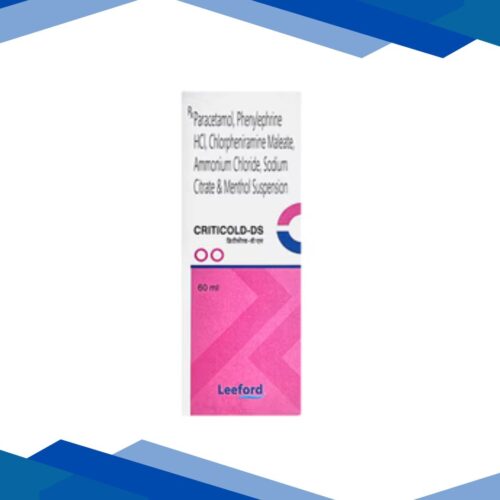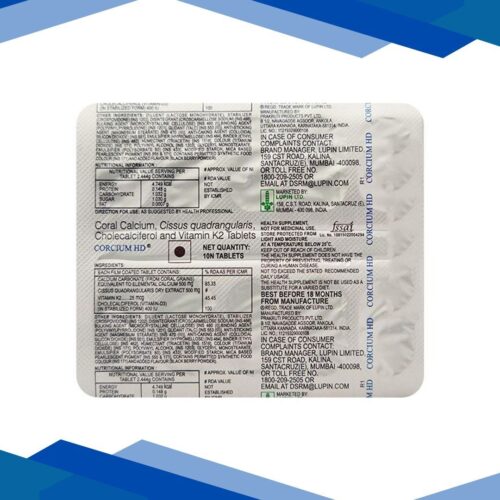
CORCIUM HD Tablet 10’s

Bold Care Extend Delay Spray 50 g
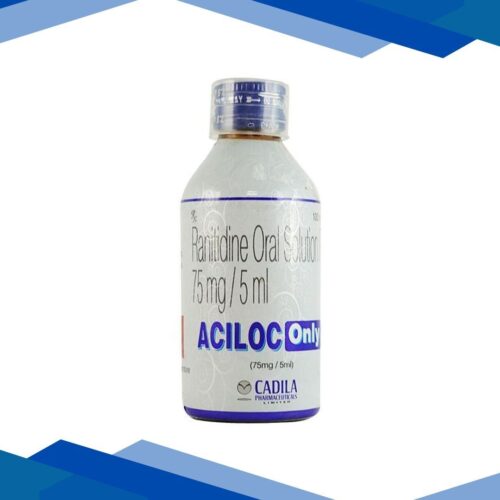
Aciloc Only Oral Liquid 100ml

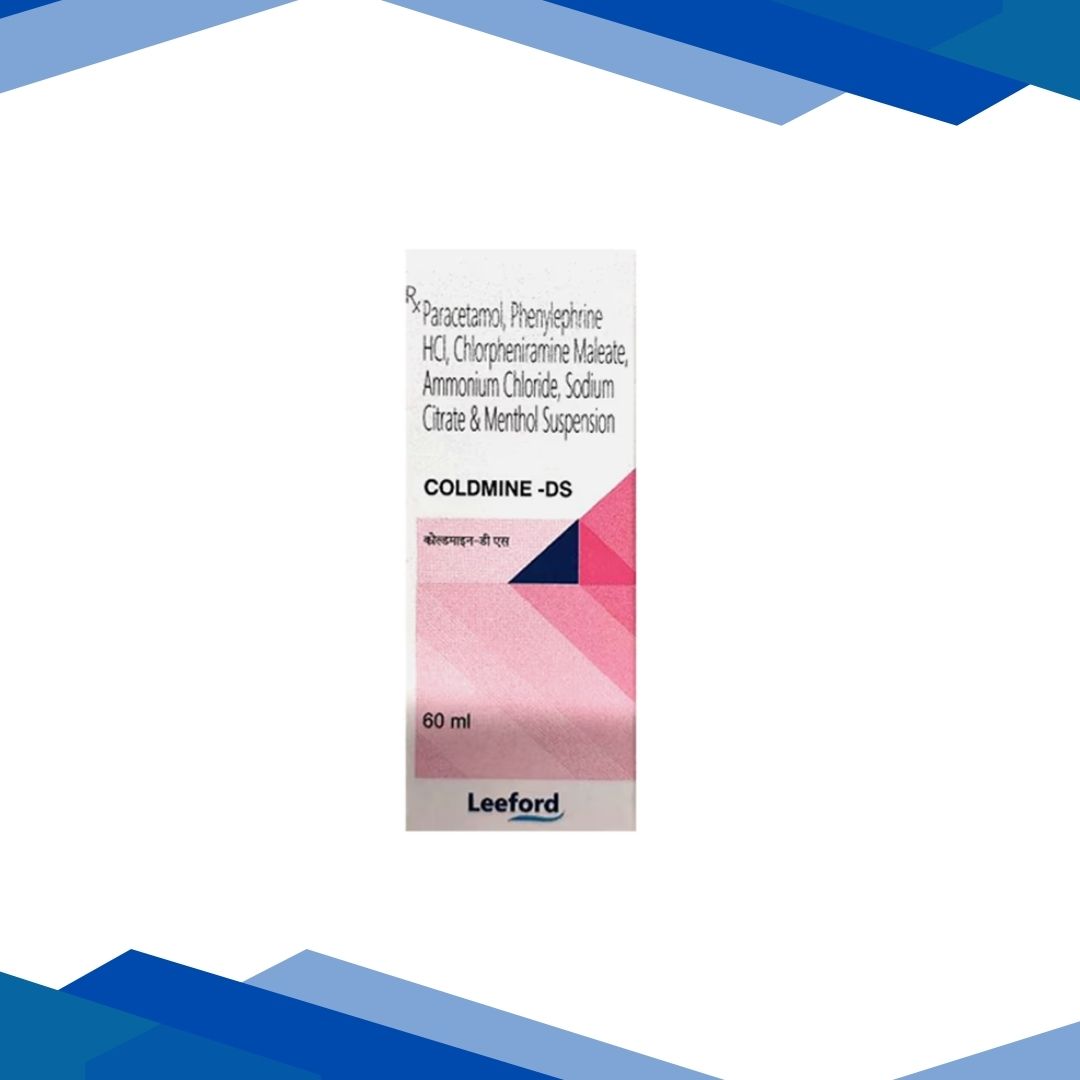
COLDMINE DS Suspension 60ml
No Prescription yet? Don’t worry! Click Here to Get Online Consultation
Why Prescription is Required?
✅ Providing Right Medicines
Prescriptions are complex documents. We proofread and recheck at various steps to provide you the right medication in the correct form and dose.
⚖️ Helps Comply with the Law
Most medicines cannot be sold without a valid prescription, as per the Drugs and Cosmetics Act, 1940 and Rules, 1945.
Book Appointment with Doctor
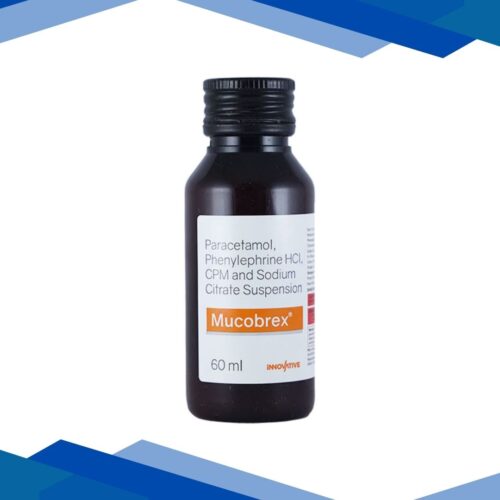
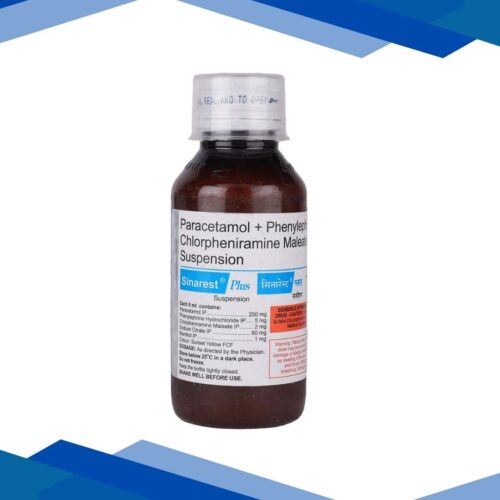
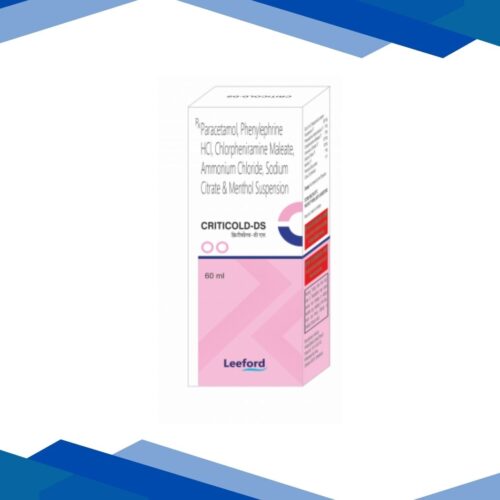
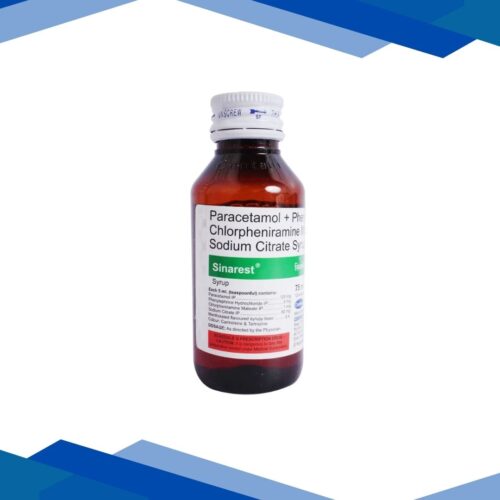
Coldmine DS Suspension 60ml is a prescription cough and cold syrup used to temporarily relieve symptoms of the common cold and upper respiratory allergies such as fever, headache, nasal congestion, runny or stuffy nose, sneezing, and itchy or watery eyes by combining analgesic, decongestant, antihistamine, expectorant, and soothing properties. For more details kindly click on Medicine Salts below:
Ammonium Chloride
AMMONIUM CHLORIDE
Overview:
Ammonium chloride is a medication and chemical compound that helps loosen mucus in the lungs and maintain the body’s acid balance. It’s frequently utilized in cough syrups as an expectorant, that is, a substance that helps to loosen stubborn mucus so it can be coughed up.
Physicians may utilize ammonium chloride to address a condition known as metabolic alkalosis. Here, the medicine is helping the body return to its rightful acid equilibrium.
Though it’s typically safe in accordance with the directions, it ought to be consumed cautiously—in particular, in individuals with kidney/liver/heart issues.
Classification: Acidifier and expectorant
Uses:
To loosen and thin mucus in the lungs, helping to clear chest congestion
Help restore acid-base balance in the body when it becomes too alkaline (a condition called metabolic alkalosis)
How It Works:
Ammonium chloride works in two main ways:
As an expectorant, it irritates the mucous membranes to promote the removal of mucus from the airways, making it easier to cough out.
As an acidifying agent, it increases the level of acid in the blood and urine, helping correct imbalances in the body’s chemistry.
Dosage: As prescribed by your doctor.
Side effects:
Some people may experience:
Stomach upset or nausea
Vomiting
Fatigue or weakness
Irritability
If taken in large amounts or for long periods, it can affect blood pH or kidney function
Precautions:
Should be used with caution in people with kidney disease, liver problems, or high blood pressure
Not recommended during pregnancy or breastfeeding unless prescribed
People on low-sodium diets should use it carefully, as it may raise sodium levels
Always follow the prescribed dose, and avoid self-medicating
Disclaimer:
This content is for informational purposes only. Always consult a healthcare provider for medical advice and proper dosage
Chlorpheniramine Maleate
CHLORPHENIRAMINE MALEATE
Overview:
Chlorpheniramine Maleate is an antihistamine medicine that helps reduce allergy symptoms like sneezing, runny nose, itchy or watery eyes, and hives. It works by blocking histamine, a chemical in the body that causes allergic reactions. Doctors commonly use it for allergic rhinitis, hay fever, urticaria, and other mild allergic conditions.It is available as tablets, syrups, and injections.
Classification: First-generation antihistamine
Uses:
- Relieves allergy symptoms like sneezing, runny nose, and itchy eyes
- Treats hay fever (allergic rhinitis)
- Sometimes used for cold symptoms like runny nose
- Reduces itching from insect bites or mild allergic reactions
- Helps with hives (urticaria) and skin rashes
How it works:
Chlorpheniramine Maleate works by blocking histamine, the chemical that causes allergy symptoms like sneezing, runny nose, itching, watery eyes, and rashes. By preventing histamine from attaching to H1 receptors, it reduces allergic reactions and helps you feel more comfortable. It may cause mild drowsiness because it can also affect the brain.
Dosage: As prescribed by your doctor.
Side Effects:
- Drowsiness or sleepiness
- Dry mouth, nose, or throat
- Dizziness or headache
- Nausea or mild stomach upset
- Blurred vision (rare)
- Excitability or restlessness in some children
Precautions:
Chlorpheniramine helps with allergies but should be used carefully. Avoid it if you’re allergic, and pregnant or breastfeeding women should only use it if advised by a doctor. Kids and older adults may get sleepy, and people with glaucoma, asthma, heart problems, or urinary issues should be cautious. It can cause drowsiness or dizziness, so avoid driving or operating machinery.
Disclaimer:This content is for informational purposes only. Always consult a healthcare provider for medical advice and proper dosage.
Menthol
MENTHOL
Overview:
Menthol is a natural ingredient from mint that gives a cool, refreshing sensation.It’s found in ointments, lozenges, and inhalers to relieve sore throats, open up congested noses, reduce coughing, or soothe minor skin irritation. Its cooling effect helps you feel comfortable, relieved, and more at ease in everyday situations.
Classification: Symptomatic relief agent
Uses:
Menthol is used to provide quick relief from common discomforts. It can soothe a sore throat, calm a cough, ease nasal congestion, and reduce minor skin irritation.Its refreshing, cooling action makes you feel more comfortable and helps reduce the impact of everyday symptoms.
How it works:
Menthol functions to cause the nerve endings on the surface of the skin and mucous membranes to become numb, and thus observe a degree of cooling. This cooling effect fools the brain into thinking it is getting relief from discomfort, opens nasal passages, soothes an irritated throat and minor aches or itching, making you feel more comfortable and refreshed.
Dosage:
As prescribed by your doctor.
Side Effects:
Mild skin irritation or redness
Burning or stinging sensation
Allergic reactions like rash, itching, or swelling (rare)
Mild throat or mouth irritation
Precautions:
While using menthol, make sure to use it as instructed on the product and do not apply it on broken or sensitive skin. When you have been allergic previously, test in a small area to ensure there are no reactions. Do not use large quantities in use internally, such as in lozenges, or cough syrups, and store it away from the reach of children. If you experience difficulty breathing, rash or swelling, stop and get medical attention.
Disclaimer:This content is for informational purposes only. Always consult a healthcare provider for medical advice and proper dosage.
Paracetamol
PARACETAMOL
Overview
Paracetamol is a commonly used medication that helps relieve mild to moderate pain and reduce fever. It’s often used for:
Headaches
Toothaches
Muscle and back pain
Menstrual cramps
Cold and flu symptoms
It’s available over-the-counter and is considered safe when used as directed.
Classification
Analgesic and antipyretic agent
Uses
Paracetamol is used for pain relief and fever. It is used to relieve pain in conditions like headache, muscle pain, or dental pain.
How it works
When you produce a fever, your body’s internal thermostat — found in the hypothalamus portion of the brain — is raised to a higher temperature. This new set point is usually induced by pyrogens (substances made during infections) that tell the body to produce more heat as a form of immune defense.
Due to its effects in the brain, paracetamol reduces the production of reactive prostaglandins. Prostaglandins are disease-fighting chemicals released during infection that in turn, raise the body’s temperature set point. By decreasing prostaglandin levels, paracetamol enables the hypothalamus’ temperature control centre to bring the body’s temperature back down to normal, allowing the body to cool down and the fever to subside
Dosage
As directed by the physician
Precautions
Most people can take paracetamol safely, including:
pregnant women
breastfeeding women
children over 2 months of age – lower doses are recommended for young children
always get advice before taking paracetamol if you:
have liver or kidney problems
have problems with alcohol, like long-term alcohol misuse
are very underweight
are taking other medications
Don’t take paracetamol if you’ve had an allergic reaction to it in the past
Side effects
common side effects of paracetamol.
Nausea
Swelling
Vomiting
Pain
Tenderness in the upper abdomen
Sweating
Loss of appetite
Stomach cramps
Diarrhea
Major side effects are as follows:
Dark-colored urine
High fever
Lower backache
Skin having red spots
Rashes
Inflammation
Itching
Sore throat
Ulcers
Breathlessness
Yellowish eyes
Disclaimer
This content is for informational purposes only. Always consult a healthcare provider for medical advice and proper dosage.
Phenylephrine Hydrochloride
PHENYLEPHRINE HYDROCHLORIDE
Overview
Phenylephrine is a nasal decongestant used to temporarily relieve nasal discomfort caused by colds, allergies, and hay fever. It works by reducing swelling in the nasal passages, making it easier to breathe. However, it does not address the underlying cause of the symptoms or speed up recovery
Classification
Nasal decongestants
Uses
Oral and nasal phenylephrine are used as nasal decongestants to temporarily unblock a nose or relieve sinus pressure in people with nasal and sinus congestion caused by colds, allergies, or hay fever. While phenylephrine can provide some symptom relief, it doesn’t treat the underlying cause or speed recovery
How it works
Phenylephrine Hydrochloride is a sympathomimetic amine used as a topical decongestant, systolic vasopressor, and mydriatic agent. Its mechanism of action works through various pathways with the mechanism of action primarily based on its ability to stimulate alpha-adrenergic receptors, particularly alpha-1 receptors, which are involved in vascular smooth muscle contraction.
Dosage
As directed by the physician
Precautions
Before using Vazculep, please note:
Allergies: If you’re allergic to phenylephrine or any of its ingredients, avoid using this medication.
Children: Keep this medication out of reach of children. In case of overdose, seek medical help or contact a Poison Control Center immediately.
Contraindications (Do not use if you have):
Severe high blood pressure (hypertension)
Ventricular tachycardia (a type of rapid heart rate)
Closed-angle glaucoma (a condition affecting the eyes)
Hypersensitivity to phenylephrine or sulfites (a type of preservative)
Use with caution if you have:
Heart or blood vessel problems
Thyroid issues
Diabetes
Enlarged prostate
Liver or kidney problems
Asthma or sulfite sensitivity
Pregnancy & Breastfeeding:
Use during pregnancy only if the potential benefit justifies the potential risk to the fetus.
Considered safe during breastfeeding, but consult your doctor.
Side effects
Injection Site Reactions: Leakage of intravenous medication
Cardiovascular: High blood pressure (hypertension)
Heart Rate: Slow heart rate (bradycardia)
Mental Health: Anxiety, nervousness, restlessness
Neurological: Headache, dizziness, lightheadedness
Respiratory: Shortness of breath, chest tightness, wheezing
Gastrointestinal: Nausea, stomach pain or upset
Renal: Reduced urine output, decreased blood flow to the kidneys
Pulmonary: Fluid accumulation in the lungs (pulmonary edema)
Rebound Symptoms: Nasal congestion worsening after initial relief (rebound congestion)
Skin: Burning or stinging sensation
Other: Sneezing
If you experience any of these side effects, it’s important to consult with a healthcare professional for guidance.
Disclaimer
This content is for informational purposes only. Always consult a healthcare provider for medical advice and proper dosage.
Sodium Citrate
SODIUM CITRATE
Overview
Sodium Citrate is a type of salt that helps make body fluids less acidic.It’s often used to relieve discomfort from too much acid in the stomach or urine. It comes in liquid, tablet, or powder form.
Classification
It belongs to a group of medicines called alkalinizers or urinary alkalinizers. These help reduce acidity in the body.
Uses
To treat acid indigestion or heartburn (burning feeling in the chest)
To make urine less acidic, which can help prevent kidney stones or irritation
Sometimes used before certain medical tests like urine tests or surgeries
In hospitals, it may also be used to manage metabolic acidosis (a condition where the body makes too much acid)
How It Works
Sodium Citrate works by turning into bicarbonate in the body. This helps neutralize or balance out excess acid in the stomach or urine. It makes the body’s environment more alkaline (less acidic), which can reduce pain or irritation caused by acid.
Dosage
As prescribed by your doctor.
Side effects
Mild side effects (usually from too much):
Swelling (especially in hands, feet)
High blood pressure
Feeling bloated or puffy
Serious but rare side effects:
Trouble breathing
Chest tightness
Fast heartbeat
Confusion or seizures (if sodium levels get too high or too low)
Precautions
Tell your doctor if you have heart disease, kidney problems, or high blood pressure
Don’t use too much — too much salt can be harmful
If on a low-sodium diet, check with your doctor first
Follow the dosage exactly if using nasal sprays or IV fluid
Disclaimer
This content is for informational purposes only. Always consult a healthcare provider for medical advice and proper dosage