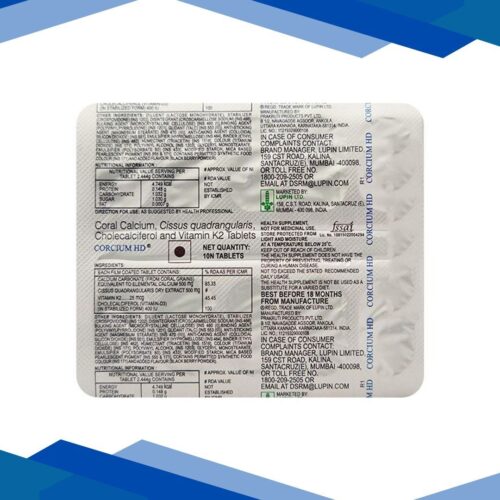
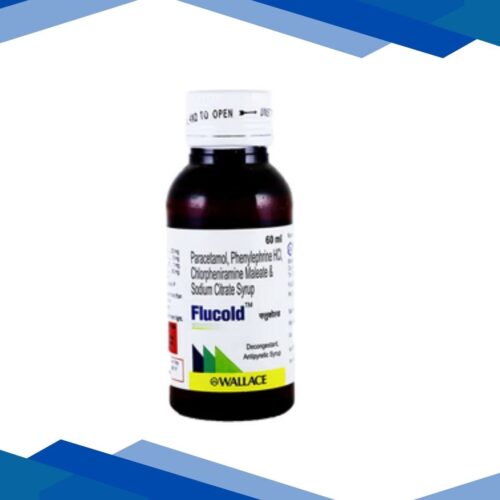
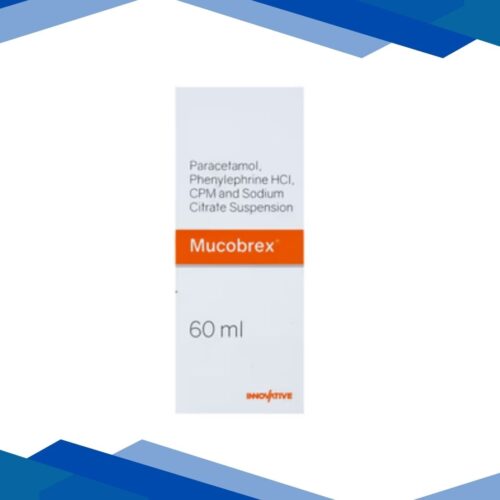
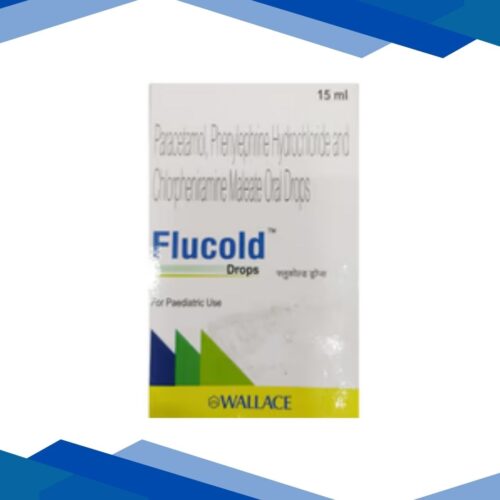
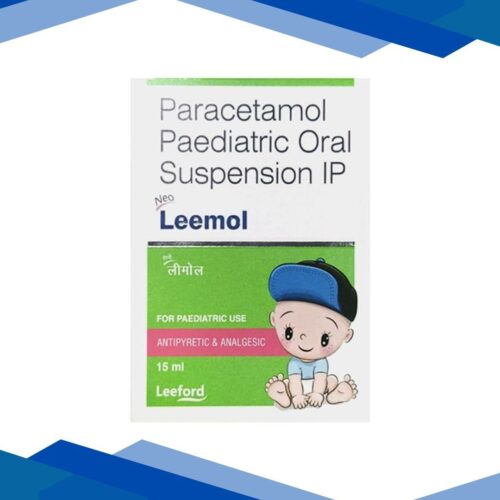
CORCIUM HD Tablet 10’s
Bold Care Extend Delay Spray 50 g
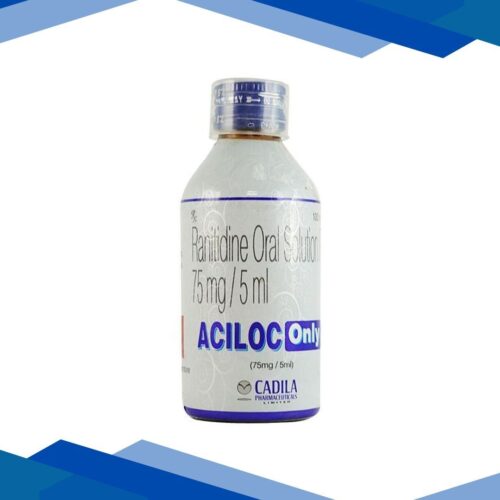
Aciloc Only Oral Liquid 100ml
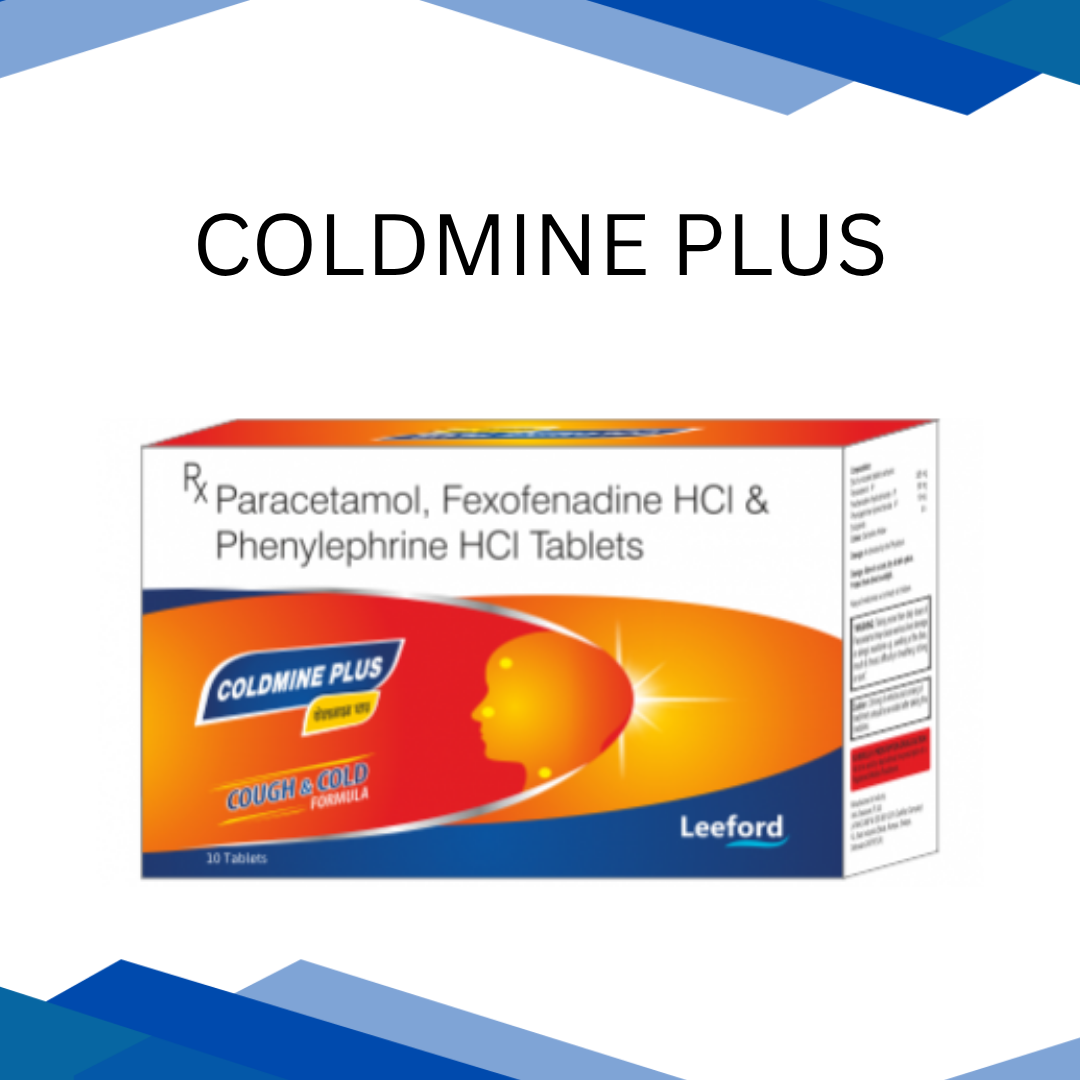
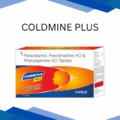
Coldmine Plus
❌ Due to high demand, this product is currently out of stock. New stock will be available shortly.
👉 Click here to Buy Same Salt medicine
This combination is used to relieve cold and allergy symptoms like fever, headache, nasal congestion, sneezing, and runny nose.
Fexofenadine HCl
Fexofenadine HCl: Fast-Acting, Non-Drowsy Allergy Relief
Seasonal allergies or hives should not direct your schedule. Fexofenadine Hydrochloride is classified as the second-generation antihistamine designed to work non-drowsy—so without the brain fog. Allergy symptoms present to you with all their grandeur—be it hay fever (seasonal allergic rhinitis) or skin itching; Fexofenadine nails the monsters down at the root: histamine. By blocking them inside the body, Fexofenadine prevents draft-induced sneezing, itching, and watery eyes. A solid pill keeps these culprits at bay for 24 hours.
1. Why Fexofenadine?
Completely non-drowsy formula: Doesn’t easily penetrate the blood-brain barrier and hence is far less sedating compared to many other antihistamines.
Intermediate onset: Most see relief within 60 minutes or less.
All-day protection: One dose keeps symptoms at bay the whole day.
2. How is It Used?
The normal dose for adults and children over 12 is commonly a 180-mg immediate-release tablet per day with a full glass of water. For children from 6 to 11, a 60-mg dose twice a day may be taken.
Pro Tip: Always take Fexofenadine with water. Do not take it with fruit juices (like orange, grapefruit, or apple) for a little over an hour after your dose, as they can slow the drug’s absorption.
Frequently Asked Questions (FAQs)
1. Is Fexofenadine HCl a steroid?
Fexofenadine is not a steroid. It is an antihistamine; it helps inhibit H1 receptors, while steroids help diminish overall immune inflammation.
2. Can Fexofenadine be taken every day?
Yes, Fexofenadine is usually considered safe to be taken daily during major periods of allergy season. Exceeding a few weeks of needed use could necessitate a consultation with your healthcare provider to rule out other health issues.
3. Does this cause drowsiness?
Fexofenadine is considered a non-sedative antihistamine. Although a minute number of people can experience some slight fatigue, it is significantly less likely to cause sleepiness than either Cetirizine or Loratadine.
4. Can you take them with food?
Fexofenadine can be taken with or without food; yet, the liquid matters. Never mix this with fruit juice, as it will inhibit how the medicine is absorbed by the body. Water only.
5. What happens if I miss a dose?
Take the dose as soon as you remember it if it is not close to your next scheduled dose. Do not take a double dose to compensate for the missed one.
6. Are there any chances of side effects?
Fexofenadine is well-tolerated by most people. Common and mild side effects might be a little headache, lightheadedness, or dry mouth. Seek medical help immediately if your face starts swelling or if you experience difficulty breathing.
Once-Over Comparison
Feature | Fexofenadine (Allegra) | Cetirizine (Zyrtec) | Loratadine (Claritin)
Drowsiness Risk | Extremely Low | Low/Moderate | Low
Speed of Relief | 1 Hour | 1 Hour | 1–3 Hours
Duration | 24 Hours | 24 Hours | 24 HouRS

Paracetamol
PARACETAMOL
Overview
Paracetamol is a commonly used medication that helps relieve mild to moderate pain and reduce fever. It’s often used for:
Headaches
Toothaches
Muscle and back pain
Menstrual cramps
Cold and flu symptoms
It’s available over-the-counter and is considered safe when used as directed.
Classification
Analgesic and antipyretic agent
Uses
Paracetamol is used for pain relief and fever. It is used to relieve pain in conditions like headache, muscle pain, or dental pain.
How it works
When you produce a fever, your body’s internal thermostat — found in the hypothalamus portion of the brain — is raised to a higher temperature. This new set point is usually induced by pyrogens (substances made during infections) that tell the body to produce more heat as a form of immune defense.
Due to its effects in the brain, paracetamol reduces the production of reactive prostaglandins. Prostaglandins are disease-fighting chemicals released during infection that in turn, raise the body’s temperature set point. By decreasing prostaglandin levels, paracetamol enables the hypothalamus’ temperature control centre to bring the body’s temperature back down to normal, allowing the body to cool down and the fever to subside
Dosage
As directed by the physician
Precautions
Most people can take paracetamol safely, including:
pregnant women
breastfeeding women
children over 2 months of age – lower doses are recommended for young children
always get advice before taking paracetamol if you:
have liver or kidney problems
have problems with alcohol, like long-term alcohol misuse
are very underweight
are taking other medications
Don’t take paracetamol if you’ve had an allergic reaction to it in the past
Side effects
common side effects of paracetamol.
Nausea
Swelling
Vomiting
Pain
Tenderness in the upper abdomen
Sweating
Loss of appetite
Stomach cramps
Diarrhea
Major side effects are as follows:
Dark-colored urine
High fever
Lower backache
Skin having red spots
Rashes
Inflammation
Itching
Sore throat
Ulcers
Breathlessness
Yellowish eyes
Disclaimer
This content is for informational purposes only. Always consult a healthcare provider for medical advice and proper dosage.
Phenylephrine HCl
PHENYLEPHRINE
Overview
Phenylephrine is a medicine often used to relieve a stuffy or blocked nose. It works by shrinking swollen blood vessels in your nasal passages, helping you breathe more easily. You might find it in many cold, flu, or allergy medications.
Classification
Decongestants
Uses
Relieves nasal congestion due to colds, allergies, or sinus infections
Sometimes used to increase low blood pressure during surgery or in critical care
May be found in eye drops to dilate pupils during eye exams
How It Works
Phenylephrine works by narrowing the blood vessels in the nose. This reduces swelling and opens up your airways. When taken for blood pressure support, it tightens blood vessels throughout the body, which helps raise blood pressure.
Dosage
As prescribed by your doctor.
Side effects
Some common or possible side effects may include:
Headache
Dizziness
Nervousness or restlessness
Trouble sleeping (insomnia)
Increased heart rate or blood pressure
In rare cases, serious side effects like irregular heartbeat or chest pain can occur. Always report unusual symptoms to your doctor.
Precautions
Avoid it if you have high blood pressure, heart disease, thyroid problems, or glaucoma, unless your doctor says it’s safe.
Do not use more than the recommended dose – overuse can increase side effects.
Tell your doctor if you’re pregnant or breastfeeding before using.
If taken with other medications (especially for depression or blood pressure), it could interact negatively.
Not recommended for young children without medical advice.
Disclaimer
This content is for informational purposes only. Always consult a healthcare provider for medical advice and proper dosage