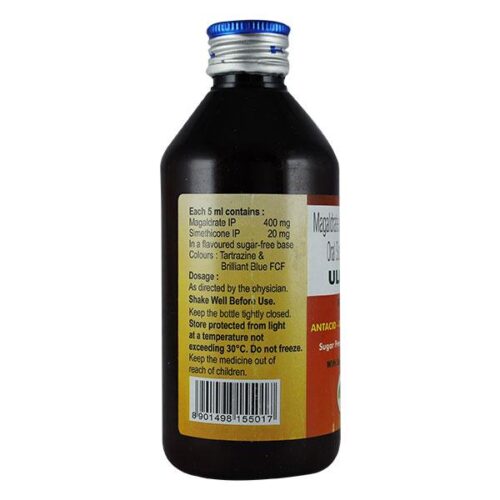

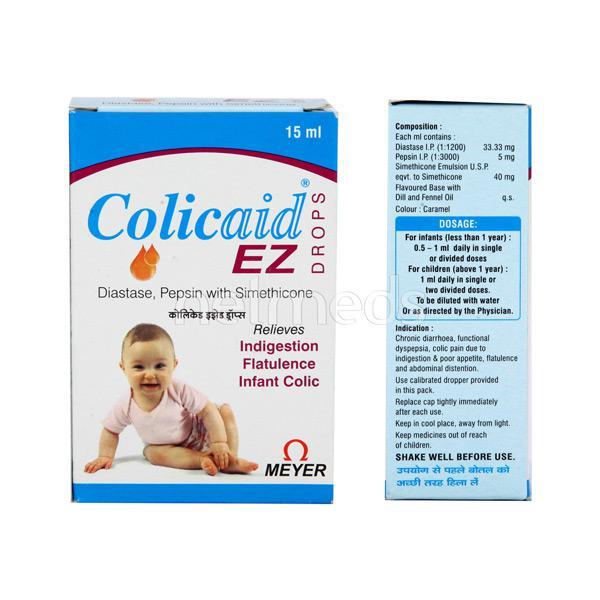
Colicaid EZ Drops 15ml
No Prescription yet? Don’t worry! Click Here to Get Online Consultation
Almagate + Simethicone is a combination medicine commonly used to relieve acidity, heartburn, gas, and indigestion. Almagate works as an antacid that neutralizes excess stomach acid, while Simethicone helps break down gas bubbles in the stomach and intestines, reducing bloating and discomfort. It provides quick relief from symptoms associated with acid reflux and gastric irritation.
Fungal Diastase
Fungal Diastase: The Essential Digesting Enzyme for Starch
Fungal Diastase, also recognized as Fungal Alpha-Amylase, is a potent enzyme employed to digest food material long-proportioned from the Aspergillus oryzae fungus via fermentation. This agent serves as a crucial pillar for several untreatable digestive disorders where carbohydrates' enzyme digestion is of particular interest. Such disorders mostly involve self-fermenting processes in an extremely unhealthy mode, invariably giving rise to gas or a "heavy" feeling in the stomach. "Heavy" after consumption of heavy carbohydrate meals and bloating are the primary problems for which professional intervention has led to an extended consumption of this digestion ameliorator.
Step 1: The Fungus began Digestion
The transformation of starches in the food materials during digestion from complex to simple sugars goes on as soon as the food bolus mixed with digestive saliva enters the stomach. The enzyme's role is specifically catalytic in that it solely functions on the complex carbohydrates mentioned, rendering them simpler for the small intestine to absorb.
Resources for Guide Relief
Immediate Feeling of Postprandial Dyspepsia: Ameliorated "heartburn," feeling of "ripeness," and heavy upper abdominal sensation upon eating through manageable gas reduction.
Relief from Reduced Gas Formation: Given that the enzyme does its bit in the proximal colon maximum, making sure carbohydrates at any time do not come before foreign acids in a significantly reduced more—especially when put up against bacterial fermentations.
Help with Pancreatic Insufficiency: The enzyme can also be used as a supplement to help with digestive enzyme production should problems arise.
Allow for the Return of Appetite: Help in post-illness recuperation; primarily after long-lasting illness by accelerating stomach emptying.
Quick Facts: Fungal Diastase In-Depth
Profile
Feature
Detail
Therapy Class: Digestive Enzyme / Amylolytic Agent
Main Source: Aspergillus oryzae (Fungus origin)
Optimal pH: Works best with acid-to-neutrality range of 4.0–7.0
Common Combos: COPS for protein in the gut should not forget their BFFs, amino acid/endopeptidase—i.e., use Pepsin and Fungi Diastase.
Expert Advice: The Way to Go for Optimal Results
Timing: Fungal Diastase should be taken when the meal is about to enter the stomach, so practically as raw food is entering the stomach, i.e., immediately following the serving of the meal.
Avoid Heat: While heating may definitely cause the loss of enzyme activity, ensure you keep it away from hot water or coffee when using a syrup; the enzyme will denature (fold on its protein structure) if too exposed.
Frequently Asked Questions (FAQs)
1. Is Fungal Diastase the same as regular Amylase?
Similar to what amylase does by breaking down starch, Fungal Diastase differs in its particular derivation from fungal sources, which provide stability and function well amongst varied stomach pH levels, compared to some animal-derived enzymes; they hold high efficacy for various dyspeptic types.
2. Can I take Fungal Diastase every day?
It is deemed predominantly safe only for those cases where favorable outcomes relate to an acute episode of indigestion. Prolonged use for more than two weeks should rather be referred to a practicing gastroenterologist for a wide range of differential diagnosis, particularly focusing on chronic pancreatitis and IBS.
3. Are there any common side effects?
It is usually quite safe. Rarely, mild abdominal pain and diarrhea can occur as a result of taking a greater than intended amount.
4. Can I take this with alcohol?
Medically there is no complaint, but alcohol intake causes irritation to the inner lining of your stomach and slows down most voluntary processes regarding digestion and perhaps inadvertently counteracts the goodness of enzyme.
5. Is it safe for pregnant or breastfeeding women?
Digestive enzymes are usually used exclusively for local effects in the gut and free from significant body exposure. You always need confirmation from your OB/GYN before trying out any new supplement during pregnancy.
Safety and Storage Information
Storage: Store in a cool and dry place. Liquids should be kept off any direct sunlight to preserve enzyme strength.
Diabetics Notes: Sometimes some syrups with Fungal Diastase might have added sugars in them. Diabetics need to choose the sugar-free ones.
Disclaimer: The information and suggestions in this article are meant for broad-reaching, educational purposes only. They are no secret recommended advice or a substitute for that under any medical condition.
Pepsin
Pepsin (Digestive Enzyme)
Pepsin should be at the top of your list among the protein-degrading enzymes in your stomach. It is responsible for the digestive process of breaking down dietary protein. In cases where our body does not thrive in its supply of naturally grown pepsin, there are real benefits in supplementing with it to enhance protein digestion and minimize post-meal distress.
Benefits
Protein Digestion: Pepsin is instrumental in breaking down flesh, milk, and vegetable proteins into amino acids essential for muscle growth and metabolism.
Feel Lighter after Dinner: Helps relieve that heavy feeling in the stomach after consuming a high-protein meal.
Support of the Gut's Integrity: When proteins are fully digested, there is less undigested food left to cause fermentation or flatulence.
Synergies with HCl: Works best in an acidic environment, often combined with Betaine HCl for enhanced digestion support.
Directions for Pepsin
Timing of Administration: Pepsin reaches maximum activity when it comes in contact with food proteins. Therefore, it is best taken just before or during meals. Taking it on an empty stomach may cause irritation.
Dosage: Follow dosage in International Units (IU) or milligrams as advised. Common doses range from 100 mg to 500 mg per meal.
Do Not Chew: Swallow capsules whole. Avoid opening or chewing, as it may irritate the esophagus.
Safety and Cautions
Warning: If you have stomach ulcers or gastritis, consult a healthcare professional before using pepsin.
Pregnancy and Nursing: Seek medical advice before use during pregnancy or breastfeeding.
Vegetarian Note: Most pepsin is derived from porcine (pig) sources. Vegetarians may opt for fungi-derived proteolytic enzymes.
Possible Side Effects
Pepsin is generally safe, but some may experience:
- Mild abdominal cramping
- Temporary diarrhea
- Burning sensation in the throat (if taken without enough water)
FREQUENTLY ASKED QUESTIONS (FAQs)
Q: Can I take Pepsin every day?
A: Yes, especially if you have ongoing difficulty digesting protein. Many prefer using it with large or protein-heavy meals.
Q: How do I know if I need a Pepsin supplement?
A: Signs include prolonged fullness after meals, bloating, or undigested food in stool. A gastric acid test can confirm.
Q: Is Pepsin the same as Pancreatin?
A: No. Pepsin works in the acidic stomach, while pancreatic enzymes act later in the alkaline small intestine.
Q: Will Pepcid help me with acidity or acid reflux?
A: In some cases, improving digestion with pepsin may help if reflux is due to slow stomach emptying.
Q: Can I take it with antacids?
A: Generally avoid this combination. Antacids reduce stomach acid, which may decrease pepsin effectiveness.
Simethicone
Simethicone, often prescribed as oral drops, chewable tablets, or capsules to relieve gas and pain, has almost become an accepted default anti-foaming agent for dyspepsia. Simethicone is actually an inert material that works to relieve its issues in physical ways without entering the general circulation and hence it is safe enough for children. Simethicone is usually available singly or in a tablet combined with an antacid for indigestion and heartburn.
UseTherapeutic Uses
Relieves Bloating: Quickly eases the bloated sensation of fullness and pressure in the stomach
Manages Flatulence: Assists in easy escape of the air, thereby reducing trapping of intestinal wind
Infantile Colic: Pediatric drops are often used to soothe babies with gas-induced distress
Preparation for Diagnosis: Occasionally used to clear out the gas shadow from the gastrointestinal tract before endoscopic or radiographic investigations
Mechanism of Action
All in all, simethicone lowers the surface tension of gas bubbles in the stomach and intestines.
Coalescence: This phenomenon brings together the small bubbles caught inside the larger ones.
Evacuation: These larger bubbles become more manageable for the body to excrete either by belching or burping.
Note: Simethicone does not prevent gas from forming but makes it easier to exit from the body.
Dosage & Administration
Adults: Generally, 40-125 mg should be taken four times a day or the dosage should be given as needed.
Children: Dosage used in infants is normally weight-based. Use the medicine dropper provided with the drug.
Timing: It is better to take simethicone after meals and at bedtime.
Form: The chewable tablets need to be thoroughly chewed before swallowing; liquids must be shaken prior to usage
Safety Profile & Side Effects
Since simethicone does not enter the bloodstream, its side effects are almost nonexistent, leading to a good safety profile.
Use of Common Side Effects: Infrequent record of diarrhea or nausea. Consult your physician if you experience any signs of allergy.
Prep & Warnings
Interactions: Simethicone could potentially reduce the uptake of indifferent thyroid medicaments (Levothyroxine) while being taken. Keep four hours in between the two.
Pregnancy/Breastfeeding: It ought to be fine, as it is not leaked into the general circulation, but do ask the doctor.
Underlying/Minor Ailments: If they bother people for more than two weeks or get worse, sidle close to a gastroenterologist.
FAQs
Q: Can Simethicone be an antacid?
No; simethicone is, in fact, an antiflatulent. While the combination of antacids and simethicone (such as magnesium hydroxide) available sell them as "2-in-1," they do not, in fact, work to neutralize stomach acid. It is working to break down the gas bubbles.
Q: When does simethicone usually begin to work?
You will typically feel relief in 15 to 30 minutes, as the gas bubbles begin to move through and break up in the digestive tract.
Q: Can I give simethicone to my newborn?
Yes, actually simethicone is quite often given to colicky babies. Just make sure you use only the infant-strength (drops) and administer as per pediatrician's instructions.
Q: Can simethicone be taken every day?
You can use it daily as needed; however, always discuss with your doctor if you need it every day for more than two weeks, to rule out chronic conditions like IBS or food intolerances.
Q: Does simethicone cause constipation?
No, simethicone doesn't usually induce constipation. Should you experience an alteration of your bowel habits, it could be the other ingredients and/or any existing components present within the formula that promote bowel habit alterations, so talk with your doctor about simethicone or the composition of the pharmaceutical preparation.
Storage
Store at room temperature ($20\text{°C}$ to $25\text{°C}$). Keep bottled products away from dampness and heat. Always keep the bottle tightly closed when not in use.
Disclaimer: These facts are only for educational purposes and not a piece of actual medical advice. Always go through the label or see your physician before using the product.
At Gem Pharmacy, we make every effort to provide accurate, expert-written, and thoroughly reviewed information related to medicines. However, this information should not be considered a substitute for professional medical advice, diagnosis, or treatment from a qualified doctor.
The purpose of this information is to educate users and improve communication between patients and healthcare professionals. It should not be used to diagnose or treat any condition.
Always consult a certified healthcare professional before taking any medication.


Related products