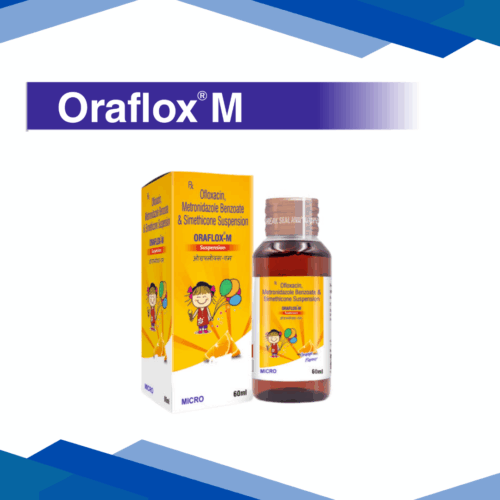
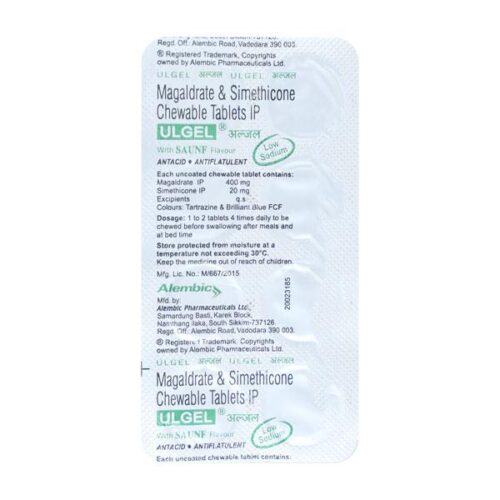
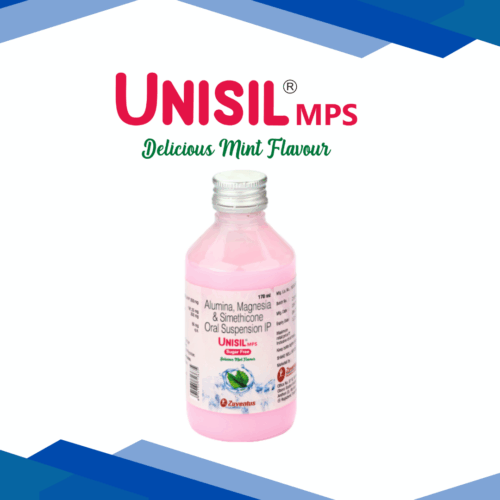


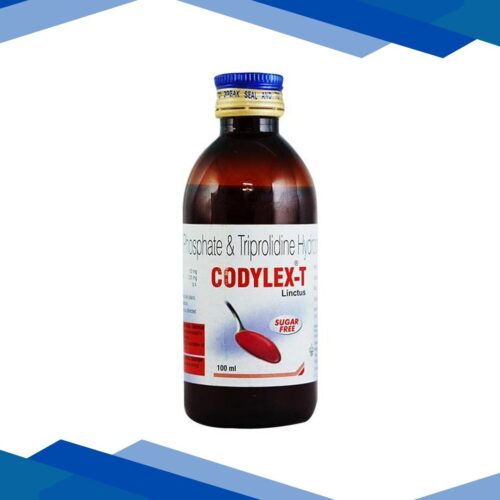

Colicaid Syrup 100ml
No Prescription yet? Don’t worry! Click Here to Get Online Consultation
Almagate + Simethicone is a combination medicine commonly used to relieve acidity, heartburn, gas, and indigestion. Almagate works as an antacid that neutralizes excess stomach acid, while Simethicone helps break down gas bubbles in the stomach and intestines, reducing bloating and discomfort. It provides quick relief from symptoms associated with acid reflux and gastric irritation.
Dill oil
Product Overview
Furthermore, Egyptian medicine tapped the healing value of Dill Oil for thousands of years. As an integral part of many ancient gripe water formulations, it is famous for its carminative action. It functions as a gas dispersant, enabling the bubbles of gas to pass out of the belly, offering instant comfort from flatulence and bloating. Besides digestion, its soothing antispasmodic effect is so effective in relaxing an infant when experiencing colic while improving overall gastrointestinal health.
Benefits and Medicinal Uses
Soothing Relief from Infant Colic: Freeing the baby from muscle spasms and gas build-up causing their distress and crying.
Natural Carminative: Eases gas expulsion, ending bloating and indigestion after meals.
Stomachic: Promotes the secretion of digestive enzymes, easing food digestion.
Antispasmodic: Consoling the smooth muscles of the digestive tract by relieving stomach cramps.
Antimicrobial: Dill has always been used as a potentiator to the prevention of certain intestinal pathogens.
Uses from an Expert
For Babies (Dill Water Style): Never apply pure Dill Oil directly. Always use the recommended dilution for your baby from a pharmacist-recommended product.
For Adults: 1–2 drops of oil may be mixed with 1 tablespoon of a carrier oil (coconut or almond oil) and be massaged gently onto the abdomen in a clockwise direction.
Inhalation: 1–2 drops in a burner help to soothe the mind; this indirectly helps in reducing stress-related indigestion.
Safety & Cautions
Advisory / Recommendation
Usage: Do not take internally. Always consult a professional medical practitioner.
Skin Sensitivity: Be sure to test for your own sensitivity; photosensitive reactions are possible under some circumstances, but these are usually quite mild.
Pregnancy, Breastfeeding: Consult your medical practitioner, taking care to avoid long-term use or very high levels.
Storage: Keep in the dark and cool. Essential oils will degrade quickly once exposed to too much sunlight.
Frequently Asked Questions (FAQs)
1. Is Dill Oil safe for newborns?
Although Dill Oil has been a remedy for colic cases, it is not a good idea to give your newborn an essential oil. Only use pure products labeled for pediatrics (aka approved gripe waters), and consult your pediatrician for guidance on how much to give and for how long.
2. How does Dill Oil "dispel" gas exactly?
The method might be described as carminative; it decreases the surface tension of gas bubbles in the stomach, allowing some smaller bubbles to coalesce into, and thus merge with, a larger bubble that can be more easily expelled by the mouth or anus and so forth.
3. Can I use Dill Oil for skin care?
Yes, it is sometimes used for its antimicrobial properties, but it must be diluted significantly with a carrier oil. Using it “neat” (undiluted) can lead to skin irritation or redness.
4. Does it react with any medical drugs?
No noted significant drug interactions occur when applied topically or used in aroma therapy. Nevertheless, if you are on diabetes medication or lithium, you may need to confer with the healthcare provider as dill theoretically may manipulate blood glucose levels or lithium excretion.
5. What is the difference between Seed Oil and Weed Oil?
Seed Oil has more carvone and becomes a more powerful remedy for digestive issues, while Weed Oil (from the leaves) is milder and is more commonly used for seasoning.
Fennel Oil
Fennel Oil: A Natural Support for Digestion and Wellness
Fennel oil derived from the seeds of Foeniculum vulgare is considered a powerful essential oil in the Ayurveda and modern aromatherapy tradition. With carminative and antispasmodic actions, the essential oil is made up by important constituents such as Anethole and Fenchone, making it a powerful medical remedy for the management of digestive troubles and hormonal imbalance.
Key Health Benefits
For Digestive Health: Effective in curing gas-related troubles (flatulence), reducing bloating, and relieving stomach cramps by relaxing the smooth muscles of the gastrointestinal tract.
Hormonal equality: Contains phytoestrogenics which might help in regulating menstrual cycles and providing relief with menopausal symptoms like hot flushes.
Respiratory Health: Fennel oil, acting as a mild expectorant, helps rid the lung of mucus and soothes sore throats or sore bronchial tubes.
Detoxification: It helps in supporting the body's natural cleansing process by acting as a mild diuretic and helping the liver work well.
Maternal Care: Historically used in synced amounts (as part of specialized blends like Gripe water) for infant colic and mother nursing their milk.
Fennel Oil Usage Tips
Full Remedy: Add one to two drops mixed with a carrier oil (Coconut and Jojoba) and apply gently on the abdomen clockwise.
Aromatherapy: Three to four drops in a diffuser will create a grounding environment that brings mental clarity, which would wear down mental fatigue.
Oral Care: A single drop in a glass of water or in tea, as recommended, can freshen the breath and maintain good gut health.
Fennel Oil: Frequently Asked Questions (FAQs)
Q: Does Fennel Oil promote weight control?
A: It can be beneficial in metabolism and appetite suppression. This happens when one incorporates it into a daily healthy lifestyle to conquer sugar cravings and achieve overall improved digestion. A: There is practically no "magic pill" when it comes to weight loss.
A: Essential oils being highly concentrated, there is a care one needs to show when applied on the skin. In order to avoid skin sensitivity or "phototoxicity" (sensitivity to sunlight), Fennel Oil should always be diluted with a carrier oil before applying to the skin.
Q: Can a pregnant woman apply Fennel Oil?
A: Due to its estrogen-like effects, the essential oil should be avoided by pregnant women unless clinically prescribed. It is always better during pregnancy to be on the side of extra safety.
Q: Are there any medications with which Fennel Oil may interact?
A: There are drugs like Fennel that interact with blood thinning agents, one antibiotic, and various other biotic agents. Consult your doctor about your usual medicine routine before starting plant remedies.
Q: Is there a difference between Fennel Oil and Anise Oil?
A: Although the smell of 'licorice' predominates because of anethole, Fennel Oil (Foeniculum vulgare) is said to be best for digestive complaints, while Anise Oil is used by some mostly for respiratory problems.
Safety and Manufacturing Guidelines
FeatureSpecification
Extraction MethodSteam Distillation
Main ComponentTrans-Anethole
Aroma ProfileSweet, Earthy, Licorice-like
Safety Warning: Keep away from eyes and sensitive areas.
Storage Tip: Store in a cool, dark place in an amber glass bottle to prevent oxidation and maintain the oil's therapeutic potency.
Simethicone
Simethicone, often prescribed as oral drops, chewable tablets, or capsules to relieve gas and pain, has almost become an accepted default anti-foaming agent for dyspepsia. Simethicone is actually an inert material that works to relieve its issues in physical ways without entering the general circulation and hence it is safe enough for children. Simethicone is usually available singly or in a tablet combined with an antacid for indigestion and heartburn.
UseTherapeutic Uses
Relieves Bloating: Quickly eases the bloated sensation of fullness and pressure in the stomach
Manages Flatulence: Assists in easy escape of the air, thereby reducing trapping of intestinal wind
Infantile Colic: Pediatric drops are often used to soothe babies with gas-induced distress
Preparation for Diagnosis: Occasionally used to clear out the gas shadow from the gastrointestinal tract before endoscopic or radiographic investigations
Mechanism of Action
All in all, simethicone lowers the surface tension of gas bubbles in the stomach and intestines.
Coalescence: This phenomenon brings together the small bubbles caught inside the larger ones.
Evacuation: These larger bubbles become more manageable for the body to excrete either by belching or burping.
Note: Simethicone does not prevent gas from forming but makes it easier to exit from the body.
Dosage & Administration
Adults: Generally, 40-125 mg should be taken four times a day or the dosage should be given as needed.
Children: Dosage used in infants is normally weight-based. Use the medicine dropper provided with the drug.
Timing: It is better to take simethicone after meals and at bedtime.
Form: The chewable tablets need to be thoroughly chewed before swallowing; liquids must be shaken prior to usage
Safety Profile & Side Effects
Since simethicone does not enter the bloodstream, its side effects are almost nonexistent, leading to a good safety profile.
Use of Common Side Effects: Infrequent record of diarrhea or nausea. Consult your physician if you experience any signs of allergy.
Prep & Warnings
Interactions: Simethicone could potentially reduce the uptake of indifferent thyroid medicaments (Levothyroxine) while being taken. Keep four hours in between the two.
Pregnancy/Breastfeeding: It ought to be fine, as it is not leaked into the general circulation, but do ask the doctor.
Underlying/Minor Ailments: If they bother people for more than two weeks or get worse, sidle close to a gastroenterologist.
FAQs
Q: Can Simethicone be an antacid?
No; simethicone is, in fact, an antiflatulent. While the combination of antacids and simethicone (such as magnesium hydroxide) available sell them as "2-in-1," they do not, in fact, work to neutralize stomach acid. It is working to break down the gas bubbles.
Q: When does simethicone usually begin to work?
You will typically feel relief in 15 to 30 minutes, as the gas bubbles begin to move through and break up in the digestive tract.
Q: Can I give simethicone to my newborn?
Yes, actually simethicone is quite often given to colicky babies. Just make sure you use only the infant-strength (drops) and administer as per pediatrician's instructions.
Q: Can simethicone be taken every day?
You can use it daily as needed; however, always discuss with your doctor if you need it every day for more than two weeks, to rule out chronic conditions like IBS or food intolerances.
Q: Does simethicone cause constipation?
No, simethicone doesn't usually induce constipation. Should you experience an alteration of your bowel habits, it could be the other ingredients and/or any existing components present within the formula that promote bowel habit alterations, so talk with your doctor about simethicone or the composition of the pharmaceutical preparation.
Storage
Store at room temperature ($20\text{°C}$ to $25\text{°C}$). Keep bottled products away from dampness and heat. Always keep the bottle tightly closed when not in use.
Disclaimer: These facts are only for educational purposes and not a piece of actual medical advice. Always go through the label or see your physician before using the product.
At Gem Pharmacy, we make every effort to provide accurate, expert-written, and thoroughly reviewed information related to medicines. However, this information should not be considered a substitute for professional medical advice, diagnosis, or treatment from a qualified doctor.
The purpose of this information is to educate users and improve communication between patients and healthcare professionals. It should not be used to diagnose or treat any condition.
Always consult a certified healthcare professional before taking any medication.


Related products

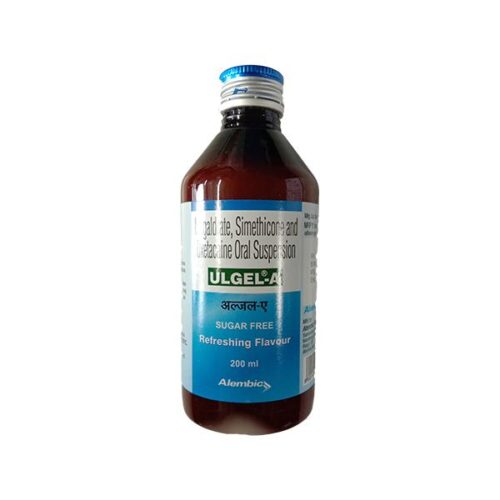
Ulgel A Sugar Free Refreshing Flavour Oral Suspension 200ml