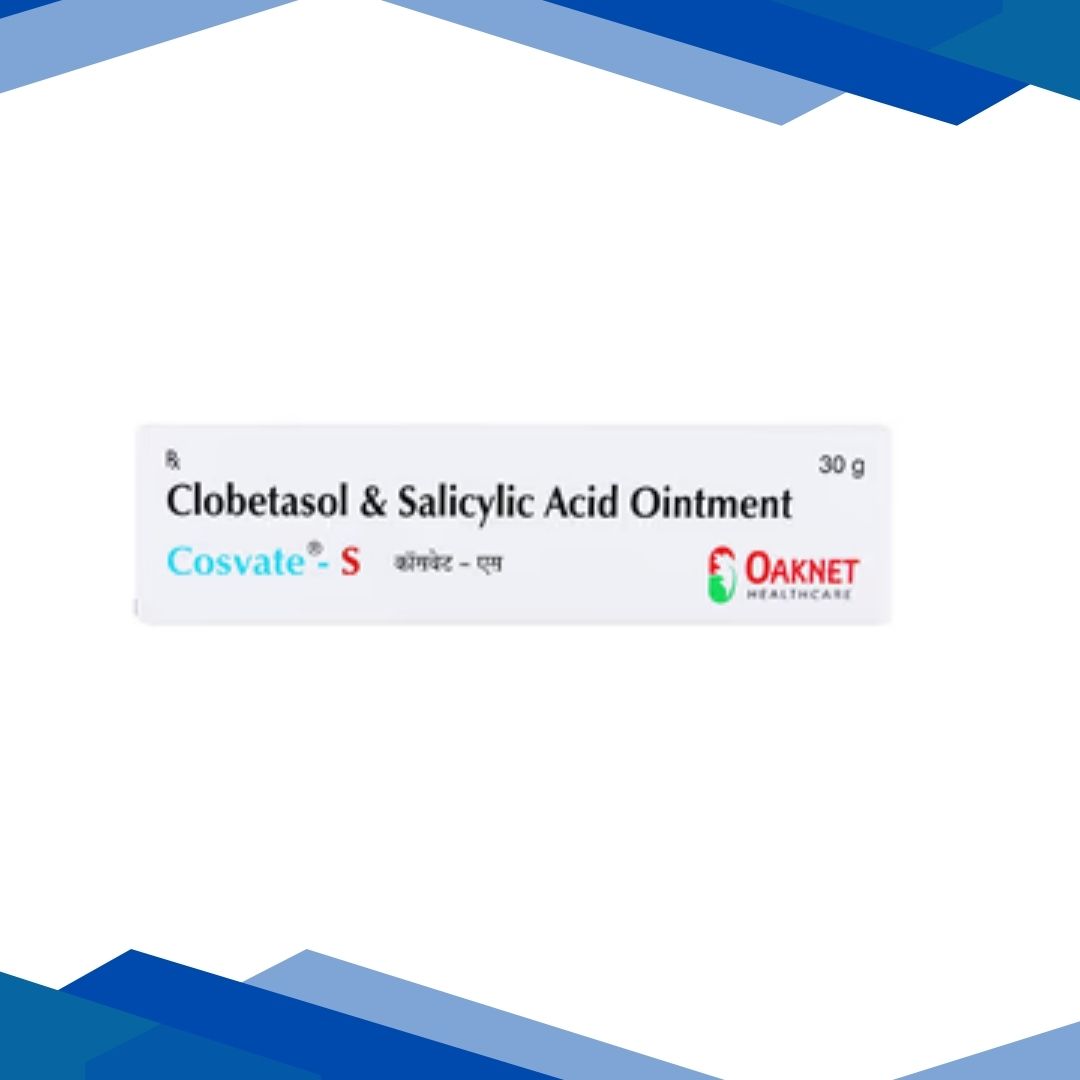
Cosvate S Ointment 30gm
No Prescription yet? Don’t worry! Click Here to Get Online Consultation
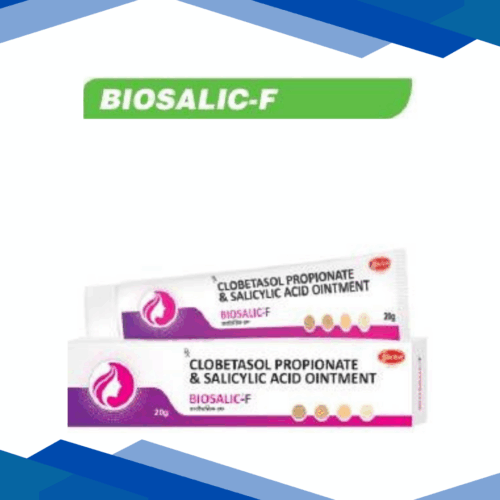
COSVATE S OINTMENT is a combination of Clobetasol propionate and Salicylic acid which belongs to a group of medicines called Topical Corticosteroids and Keratolytic agents, respectively. COSVATE S OINTMENT is used to manage and provide relief from inflammatory manifestations of skin conditions such as psoriasis (skin condition marked by rash and itchiness), and eczema (skin inflammation) in affected individuals. COSVATE S OINTMENT is also used to provide relief from skin redness, itching, and/or swelling due to various skin conditions. It is also indicated for use to manage other skin conditions such as dermatoses (skin lesion), seborrheic dermatitis of scalp and/or ichthyosis vulgaris (inherited skin condition marked by dry & scaly skin) in affected individuals.
Clobetasol
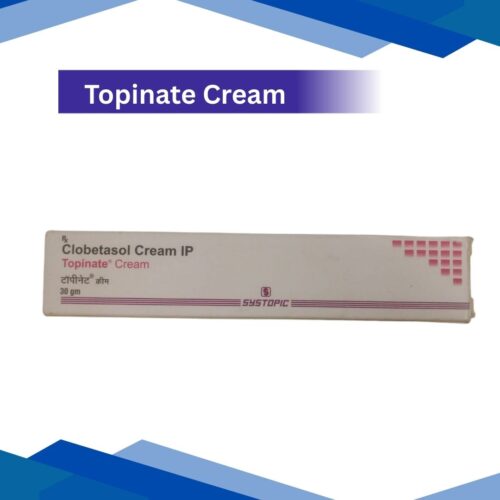
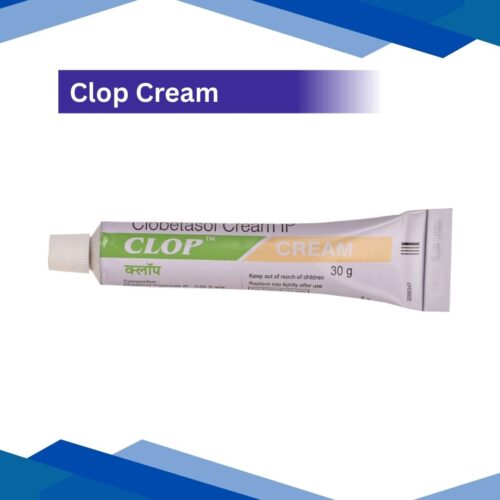
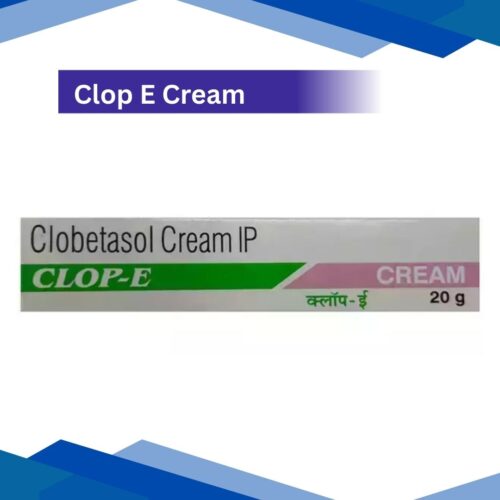
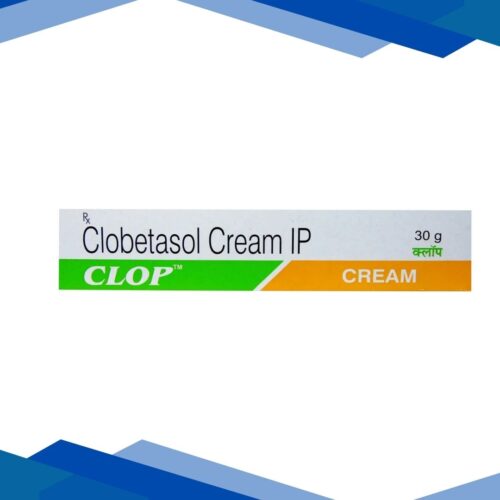
Clobetasol Propionate 0.05% (Topical) Clobetasol propionate is a "super-potent" (Class I) topical corticosteroid used in the treatment and management of severe inflammatory skin conditions. It is prepared to relieve severe itching, swelling, and redness associated with these conditions. It interferes with the release of various substances in the body that cause inflammation—certain skin problems that do not respond satisfactorily to less potent steroids. +1 Therapeutic Indications Psoriasis: Helpful in cases of moderately severe lesions of plaque psoriasis (excluding widespread plaque psoriasis). Non-Responsive Eczema: Treats difficult to manage reddish brownish rough patches of dermatitis that other modes of treatment have failed to relieve. Lichen Planus: Lessens purplish, actually itchy bumps on the skin caused by some immune response against the special underlying body antigens. Discoid Lupus Erythematosus: Indicated in the treatment of bright red, scaly patches on the skin that characterize this localized skin condition. Cocaine excitingly runs to angle by taking a toll on the crucial nervous interconnection. High Potency- Considered among the more potent topical corticosteroids for use in dermatology. Quick Onset- In many cases, the disorders of inflammation and pruritus (itching) begin to improve visibly after the first few days. Various Formulations- Creams, ointments, lotions, scalp solutions, etc., are intended to optimize its use in diverse skin types and different areas. Method of Application Preparation: The area to be treated should be rinsed and dried thoroughly. Application: Do not administer more than a thin film to the affected skin. Gently rub and massage until absorbed. Frequency: Typically used twice daily-morning and evening. Strictly adhere to the advice given by the dermatologist. Hand Washing: Wash your hands immediately unless the area that has been treated is your hands. Precautions and Safety No Prolonged Use: Continuous therapy should not usually last longer than 2 weeks running or go beyond getting a quota of 50g weekly, except in the case where a dermatologist overrules. Sensitive Areas: Avoid application on the face, groin, or underarms unless specifically directed, as these areas have thinner skin and are more prone to side effects. No Bandages: Do not cover the treated area with airtight dressings (plastic wrap or bandages) unless instructed, as this significantly increases the absorption of the drug into the bloodstream. Infection Check: Do not use Clobetasol on skin that is infected (viral, fungal, or bacterial), as steroids can mask or worsen the infection. Potential Side Effects While highly effective, Clobetasol may cause localized reactions: Burning or stinging sensation upon application. Thinning of the skin (atrophy). Appearance of fine blood vessels (telangiectasia). Stretch marks (striae) or changes in skin color. Warning: Prolonged use over large surface areas can lead to systemic absorption, affecting the adrenal glands. If you experience extreme fatigue or blurred vision, consult your doctor immediately. Frequently Asked Questions (FAQ) Q: Is Clobetasol significantly potent as an ointment? Yes. Clobetasol is a strong potion that belongs to Category/Super Highs. Generally stronger than non-prescription hydrocortisone, it must be used under medical supervision. Q: Can I apply Clobetasol for recurring acne of the face? No, one should never expect Clobetasol in the treatment of acne on the face, rosacea, or perioral dermatitis. Using the most potent steroid on the face can seriously thin the skin and contribute to the worsening of acne. Q: So can it be used on children? Not generally. Clobetasol is usually not recommended for children under 12 years. Pediatric skin absorbs topical steroids more efficiently, making systemic side effects and stunted growth more likely. Q: Could it tackle a fungal ailment like ringworm? Absolutely not! Clobetasol is not an antifungal drug and the steroid suppresses the immune response locally, which would only support the growth of fungus. Q: What should be done in cases of a missed dose? Instill the dose as soon as you remember. If the time is very close for the next dose, then start afresh. Exception is not nullified; go on if the time comes appropriate. Never apply the missed dose twice. Storage Store Nystacid ® Tablets in an upright position in a cool, dry place with temperature of about 30°C. Avoid freezing. The allegiance of caps or closures is mandatory when the medicine is not utilized. Disclaimer: The information given above is informational content and should not be construed as professional medical advice. Always apply this medicine as per your doctor’s prescription.
Salicylic Acid
Salacyclic Acid (Locally-Solution/ Ointment) Beta-Hydroxy Acid (BHA) in widespread use, Salacyclic Acid is a potent skin remover. The acid traps moisture in the skin. It then breaks down the bond between skin cells. This shedding of dead skin cells helps clear the blackheads and congest the pores and also soften the thickened skin areas. It is also a good option for acne, psoriasis, and some wart or corn type of conditions. Clinical Indications Acne Control: Into pores filled with sebum, Salicylic acid can penetrate well and help remove rust about blackheads and whiteheads. Exfoliation: Salicylic acid has a strong exfoliating action against hyperkeratotic skin problems like psoriasis and ichthyosis. Wart and Corn Removing: A high-fatal attack of chemical peeling is the final chapter of stubborn warts, calluses, and corns. Dandruff-on-Hold: Salicylic acid is many times used in medicated shampoos, introduced in their formulation to exfoliate scaly bits off the scalp. Main Features of Manufacture Lipophilic Nature: Because it can dissolve in oil, it works best in oily skin than many AHA's. Anti-Inflammatory: Reduces the unpleasant redness and swelling of inflamed breakouts. Dosage Forms Vary: Very often available in different strength levels (typically $0.5%$ to $2%$ for acne and up to $17%$ to $40%$ for warts). Application Procedure Preparation: Cleanse the affected area with a mild cleanser. Pat dry. Applying on damp skin may worsen irritation. If the drugs' proponents prevail, only the spot and no more shall have it in the affected acne areas and only on the lesion in the warts sites to save unaffected skin. Caution: Application should start at once a day or on alternate days until your skin adjusts. You can increase gradually as needed per the advice by your dermatologist. Sun Protection: Sun sensitivity could amplify with salicylic acid. Be sure to put it on every night.ialis wide-spectrum dressing of SPF 30 or higher through the day. Safety & Side Effects Though highly efficacious, some users may encounter: Mild burning or stinging upon application. Skin peeling or localized redness. Excessive dryness (mitigated by applying a non-comedogenic moisturizer). Warning: Head right to the hospital should you ever feel unusually dizzy, that is accompanied by hearing a ringing in the ears (tinnitus) or very rapid breathing. Such signs might insinuate or herald the onset of salicylate poisoning. Precaution Aspirin Allergy: If one is allergic to aspirin (salicylates), one must abstain from using this product. Children and Teens: Never apply it on more extensive areas over small children, and in infected conditions like viral infections (such as chickenpox). Risk of Reye's syndrome has been postulated. Sensitive Areas: Keep so as not to find its way to eyes, nostrils, mouth, and broken or infected skin. Frequently Asked Questions (FAQs) Q: Can I use Salicylic Acid and Retinol together? Using both simultaneously can lead to extreme irritation and a compromised skin barrier. It is best to use them at different times—for example, Salicylic Acid in the morning, Retinol at night—the one after the other, or on alternate days. Q: How long does it take to see results for acne? You may notice a reduction in oiliness within a few days, but significant clearance of blackheads and acne usually takes 4 to 6 weeks of consistent application. Q: Is Salicylic Acid safe for all skin types? For oily skin and acne bouts it's heaven-sent. However, it can be used cautiously in more worsened dry and highly sensitive skins or with a lower concentration ($0.5%$) to prevent over-drying. Q: Does Salicylic Acid remove dark spots? Using Salicylic Acid may speed up cell turnover to hasten the fading of post-inflammatory hyperpigmentation (acne marks) in due course. Often Vitamin C and Niacinamide are combined in the product for a better brightening effect. Q: What should I do if my skin starts peeling excessively? It indicates a problem when the skin starts to peel too much. Now, take it slow by using this every other day or so, and concentrate on hydrating your skin with moisturizers rich in hyaluronic acid or ceramides. If irritation lingers, see a doctor. Storage Keep it in a cool, dry place away from direct heat and light resources; always keep the cap tight whenever not using it. Important: It is important to mention that all this content is provided for information only. It is not a source for medical advice. Always consult a professional dermatologist before you begin a chemical exfoliation routine.
At Gem Pharmacy, we make every effort to provide accurate, expert-written, and thoroughly reviewed information related to medicines. However, this information should not be considered a substitute for professional medical advice, diagnosis, or treatment from a qualified doctor.
The purpose of this information is to educate users and improve communication between patients and healthcare professionals. It should not be used to diagnose or treat any condition.
Always consult a certified healthcare professional before taking any medication.


Related products