


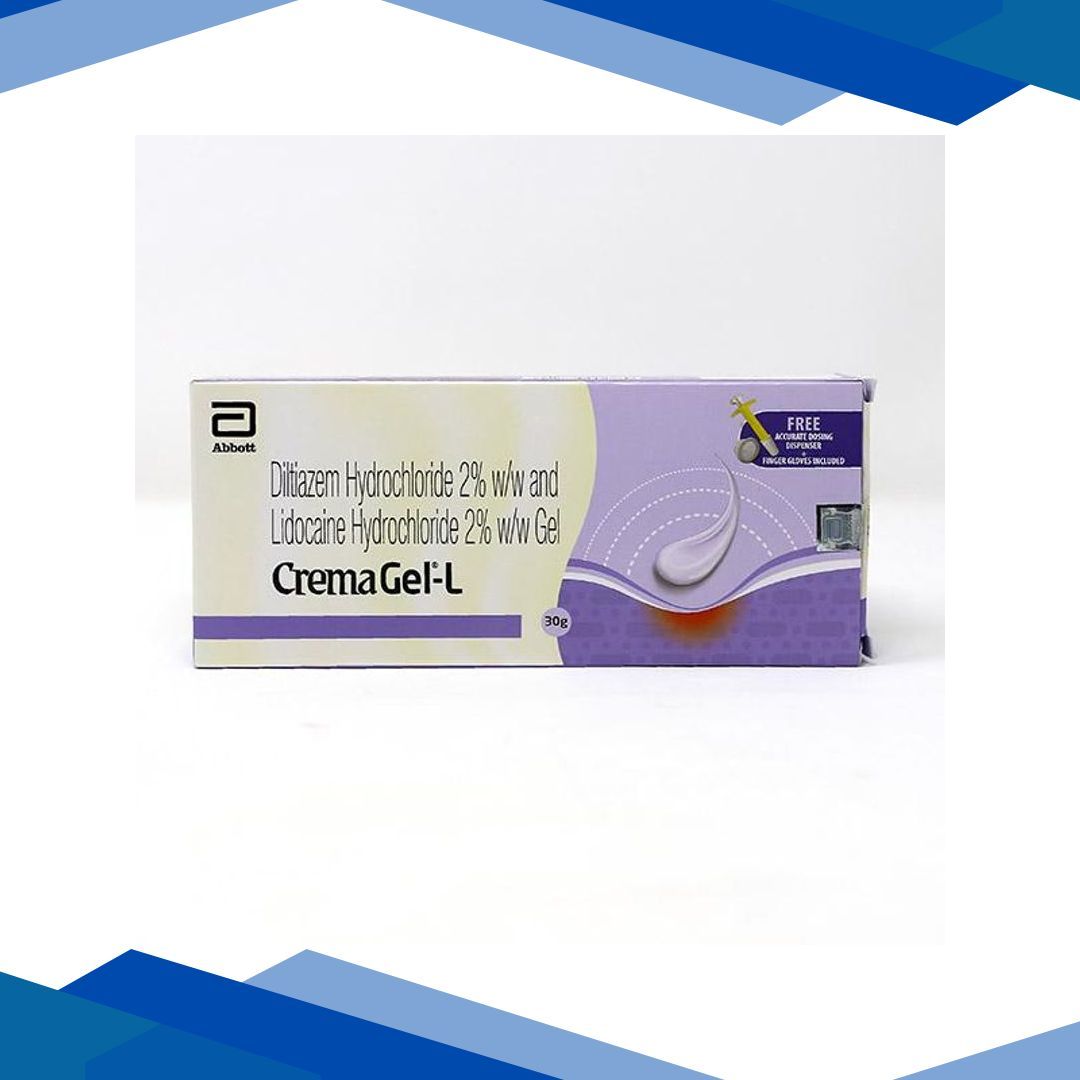
CREMAGEL L Gel 30gm
No Prescription yet? Don’t worry! Click Here to Get Online Consultation
**Benoxonium Chloride + Lidocaine** is a combination medication commonly used for the relief of pain, irritation, and infection in the mouth and throat. Benzoxonium chloride acts as an antiseptic that helps kill or inhibit the growth of bacteria and other microorganisms, while lidocaine is a local anesthetic that temporarily numbs the affected area to reduce pain and discomfort. This combination is often found in lozenges, sprays, or topical preparations used to manage sore throat, minor oral infections, and inflammation of the mucous membranes.
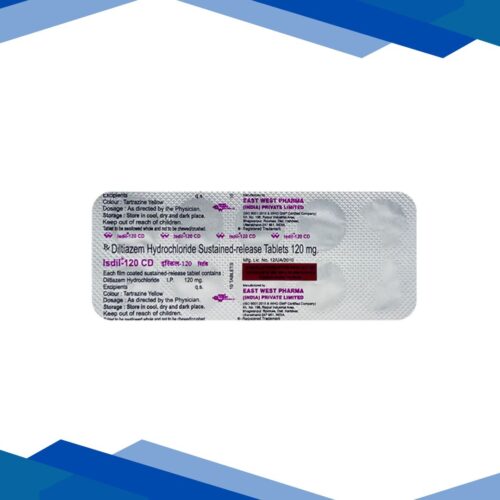
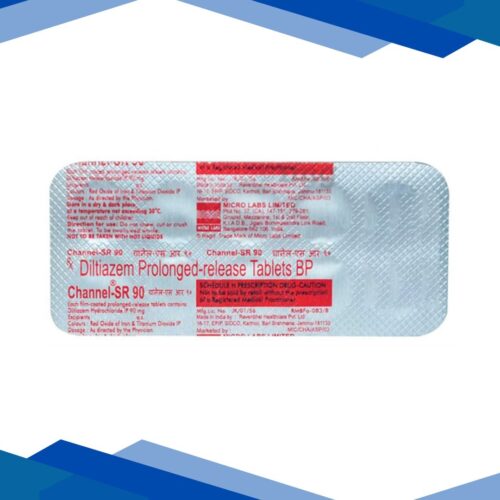
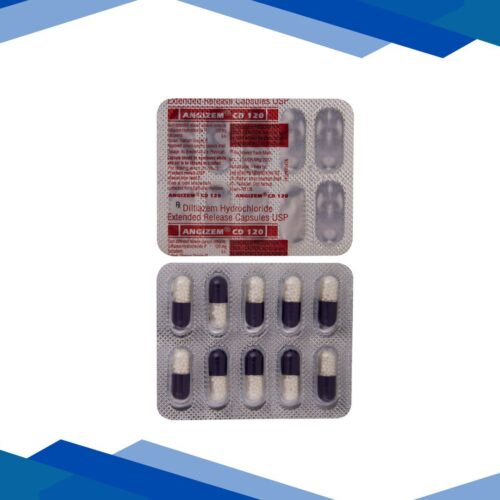
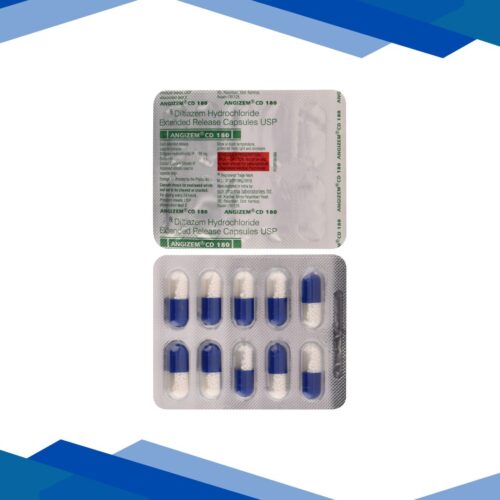
Diltiazem
Diltiazem: Controlling the BP and Chest Pain
Diltiazem is a well-known calcium channel blocker. It is widely prescribed for the treatment of hypertension (high blood pressure) and the prevention of angina (chest pain). The drug works by relaxing the muscles of the heart and blood vessels, which helps the heart pump blood more easily and reduces its workload.
Describing its Working Mechanism
For the cardiovascular system, Diltiazem acts as a relaxant. It works by blocking the entry of calcium into muscle cells. Since calcium allows muscles to contract or tighten, preventing calcium entry causes the blood vessels to relax and widen. This process lowers blood pressure and improves the supply of oxygen-rich blood to the heart.
Other potential benefits include:
BP Control: Helps reduce the risk of stroke, heart attack, and kidney failure in the future.
Angina Control: Helps reduce the frequency and severity of chest pain episodes.
Heartbeat Regulation: In certain cases, it is used to manage irregular heart rhythms (arrhythmias).
Quick Safety Checklist
Category | Safety Advice
Alcohol: Precaution recommended. Alcohol may increase the blood-pressure-lowering effect, which can cause dizziness, loss of balance, or fainting.
Pregnancy: Not recommended. If you are pregnant or planning to conceive, consult your doctor before using Diltiazem.
Driving: Diltiazem may cause dizziness or blurred vision. Avoid driving or operating machinery until you know how the medicine affects you.
Liver/Kidneys: Dose adjustments may be required if you have existing liver or kidney disease.
Common Side Effects
Most side effects are mild and usually improve as your body adjusts to the medication.
1. Nausea and Vomiting: If these symptoms become severe or persistent, consult your doctor, as a dose adjustment may be needed.
2. Heart Palpitations: If you experience unusual or rapid heartbeats, stay calm and contact your healthcare provider immediately.
3. Constipation: If dietary changes and hydration do not help, consult a doctor or pharmacist.
4. Ventricular Arrhythmias: Seek medical attention immediately if you experience worsening chest pain or abnormal heart rhythm symptoms.
Expert Tip: Speak with your pharmacist or doctor if symptoms like constipation, dizziness, or nausea become bothersome.
Frequently Asked Questions (FAQs)
1. Is Diltiazem a blood thinner?
No. Diltiazem is not a blood thinner. Blood thinners (anticoagulants) prevent blood clots, whereas Diltiazem relaxes blood vessels and regulates heart rhythm.
2. Should I take Diltiazem in the morning or at night?
This depends on the formulation (Immediate Release or Extended Release) prescribed by your doctor. Many doctors recommend taking it at the same time every day to maintain steady blood levels.
3. What should I do if I miss a dose?
Take the missed dose as soon as you remember. If it is close to your next scheduled dose, skip the missed one. Never double the dose, as this may cause a dangerous drop in blood pressure.
4. Can I stop taking it once my blood pressure feels “normal”?
No. High blood pressure often has no visible symptoms. Diltiazem controls the condition but does not cure it. Stopping suddenly may cause a rebound increase in blood pressure or worsening chest pain.
5. Are there any foods I should avoid?
Most foods are generally safe, but it is advisable to avoid grapefruit and grapefruit juice, as they may increase Diltiazem levels in the body, potentially leading to unexpected side effects.
Lignocaine
Lidocaine oral solution / oral gel
Lidocaine oral solution / oral gel are considered as having a topical action in terms of the nerve passage blockage with following analgesia. Lidocaine, also known as lignocaine, was given in a milder concentration for the relief of anesthetic discomfort in minor dentistry-related forasts and wound treating medicines of home-care nature. Or alternatively the embedded, painful or hurtful lesions with wax-like medicines. Topically administrated medicines fail to be throngs of candidates except for skin itching, sunburn pain, burning, stings live up to article bites. Lidocaine is of greater value to stay on the shelves for some time.
Appropriate Uses
Local Anesthesia: Quick onset as the skin or mucous membrane goes in numbness and fades with application, thus amplifying the good.
Surface Analgesia: Helps relieve pain, albeit the temporary pain associated with minor burns, sunburn bites, or cracks of the skin.
Dental Aid: Used frequently on oral gels for oral ulcers or teething pain and oral soreness under close medical observation.
Post-Operative Relief: Help relieve discomfort during the healing phases of localized superficial wounds.
Proctology Relief: Generally used as an effective agent in ointments for symptoms of hemorrhoids (piles) and anal fissures.
Characteristics
Rapid Onset: Localized relief of symptoms takes place within about 2-5 minutes after application.
Pinned Down Action: Anesthetizing an area ensures no effect on the rest of the body.
Formulations of Different Kinds: It comes in various formulations such as gels, sprays, ointments, and patches to meet different clinical needs.
How to Take
Prepare the Area: Thoroughly clean and dry the area to be treated.
Application: Gently rub a thin layer of the ointment or spray onto the affected area, as per the advice of the medical professionals.
Take the Principle of Dosage: Follow the instructions regarding the quantity strictly. Using excessive amounts on a wide area of the skin may permit systemic absorption of the drug.
Wash Your Hands! Just in case: Remember to wash your hands after applying unless the hands are the area being treated.
Never ignore any potential side effect or bogus safety of using this product.
Lignocaine is usually safe when used in accordance with the instructions, yet it might cause issues in some persons:
- Temporary redness or swelling in the area it is applied to.
- A little bit of burning or stinging.
- The appearance of paleness or local itching.
When an application of lignocaine causes dizziness, blurred vision, or a severe fall in working heart rate, an urgent medical consultation is in order; this is a warning sign of systemic toxicity.
Cautions
If you have a history of hypersensitivity to amide-type local anesthetics, then it is not safe to use Lignocaine.
These applications are prohibited by the manufacturer: Wounds: these are deep wounds. Damaged skin: injuries and sores significantly damaged by infections and blisters.
DO NOT let it touch your eyes and inside the ears. If it does come into contact, rime with water.
Consult your doctor about its use during pregnancy. Lignocaine should be used in pregnancy only if it is absolutely necessary.
Frequently Asked Questions (FAQs)
Q: How long will Lignocaine numb me?
The numbing effects usually last between 30 to 60 minutes, although the durations may vary according to the concentrations of the product and the location in which they are used.
Q: Can I use Lignocaine to act on a toothache?
Lignocaine might be incorporated in some oral gels. However, it is important to ensure that the product is designed for use in dentistry. Do not apply any over-the-counter skin creams or sprays into the mouth.
Q: Can one apply Lignocaine before tattooing?
Sometimes, vibratablum was used to perform pain-reducing procedures on tattoos but excessively applied, discoloring skin hue and killing healing tissue. It is important to discuss this with a professional who is providing your treatment.
Q: What should I do if I swallow some of the gel accidentally?
If the gel is only used in a small amount, little or no harm will be done; however, in those cases where a large amount of skin cream has been swallowed, calling the poison control center or the emergency room is advisable.
Make sure you do not cover the area with an occlusive dressing, a kind of membrane that is airtight, unless your doctor specifically tells you to, in order to increase the absorption of the medicine through the skin.
At Gem Pharmacy, we make every effort to provide accurate, expert-written, and thoroughly reviewed information related to medicines. However, this information should not be considered a substitute for professional medical advice, diagnosis, or treatment from a qualified doctor.
The purpose of this information is to educate users and improve communication between patients and healthcare professionals. It should not be used to diagnose or treat any condition.
Always consult a certified healthcare professional before taking any medication.


Related products