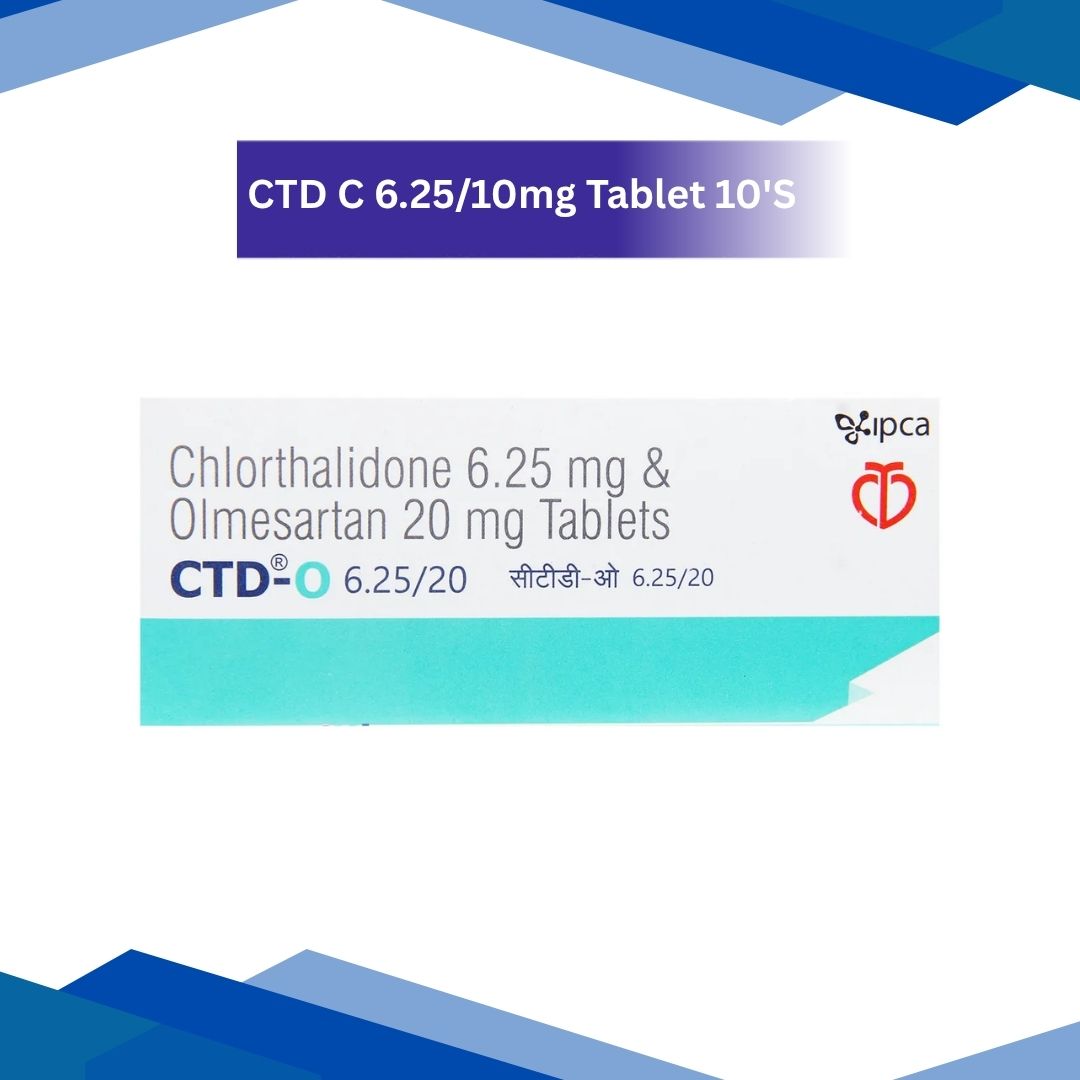
Chlorthalidone
CHLORTHALIDONE
Overview:
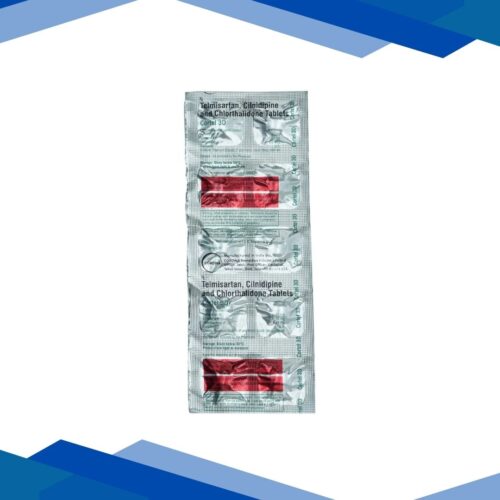
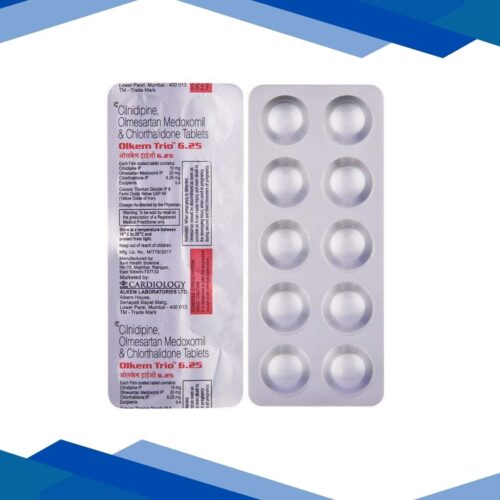
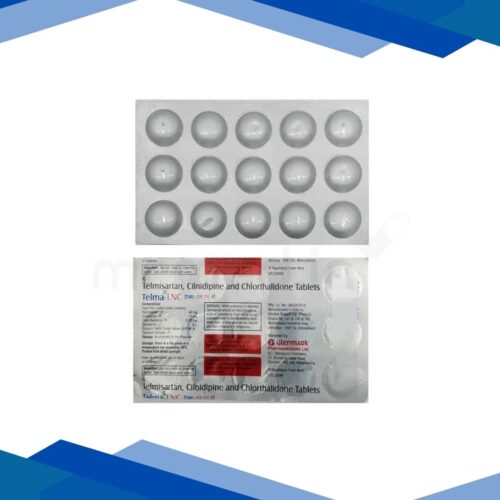
Chlorthalidone is a “water pill” that helps your body get rid of extra salt and water through urine. It’s mainly used to lower high blood pressure and reduce swelling from heart, kidney, or liver problems.By flushing out extra fluid, it reduces pressure on the heart and arteries.It comes as a tablet and should be taken under a doctor’s guidance to keep your blood pressure and electrolytes in check.
Classification: Sulfamoylbenzamide
Uses:
Lowers high blood pressure (hypertension) to protect the heart and blood vessels
Helps prevent fluid buildup that can make the heart work harder
Reduces swelling (edema) caused by heart, kidney, or liver problems
Can be used to help balance electrolytes with proper medical supervision.
How it works:
Chlorthalidone is a thiazide-like diuretic that acts on the distal convoluted tubules of the nephron. It inhibits the Na⁺/Cl⁻ symporter, reducing sodium and chloride reabsorption. By removing sodium, chloride, and water, it decreases the amount of fluid in the blood, lightens the heart’s workload, and reduces blood pressure.
Dosage: As prescribed by your doctor.
Side Effects:
Increased urination – may lead to dehydration if fluids aren’t replaced
Low potassium (hypokalemia) –can cause weakness, cramps, or irregular heartbeat
Low sodium (hyponatremia) – may cause fatigue, headache, or confusion
High uric acid (hyperuricemia) – can trigger gout in susceptible people
Low magnesium (hypomagnesemia) – may lead to muscle cramps or weakness
Precautions:
Chlorthalidone helps lower blood pressure and reduce swelling but should be used carefully. Avoid it if you’re allergic, and people with kidney or liver problems should be cautious. Monitor electrolytes, blood sugar, and uric acid, as it can cause dizziness or lightheadedness, especially when standing up. Pregnant or breastfeeding women should use it only under a doctor’s guidance.
Disclaimer:This content is for informational purposes only. Always consult a healthcare provider for medical advice and proper dosage.
Olmesartan
OLMESARTAN
Overview:
Olmesartan is a medication used to treat high blood pressure (hypertension). It’s part of a class of drugs called angiotensin II receptor blockers (ARBs). Here’s a humanized breakdown of what it does and what to know about it
Classification:
Angiotensin II receptor blockers
Uses:
Doctors prescribe olmesartan to:
Lower high blood pressure in adults and children (6 years and older)
Help reduce the risk of long-term health problems caused by high blood pressure, like heart attacks or kidney issues
How It Work:
Your body makes a chemical called angiotensin II that tightens your blood vessels, which raises your blood pressure. Olmesartan blocks this chemical, helping your blood vessels relax and open up. This lowers your blood pressure and helps your heart work more easily.
Dosage:
As prescribed by your doctor.
Side Effects:
Most people take olmesartan without any problems, but like all medications, it can cause side effects. Some things to watch out for include:
Common ones:
Feeling dizzy or lightheaded (especially when you first start taking it)
Tiredness
Headaches
Upset stomach or diarrhea
Less common but more serious:
High potassium levels, which can cause muscle weakness or a strange heartbeat
Kidney problems, especially if you already have kidney issues
Severe, long-lasting diarrhea and weight loss (rare, but tell your doctor if it happens)
Allergic reactions like rash, swelling, or trouble breathing (get help right away)
Precautions:
Pregnancy: This medication can harm an unborn baby, especially later in pregnancy, so let your doctor know if you’re pregnant or planning to be.
Kidney or liver issues: Tell your doctor if you have kidney or liver problems before starting olmesartan.
Other meds: Let your doctor know about any other medicines or supplements you’re taking—it’s important to avoid any harmful interactions.
Hydration & salt intake: Stay well-hydrated, but follow your doctor’s advice on salt and fluid balance.
Disclaimer:
This content is for informational purposes only. Always consult a healthcare provider for medical advice and proper dosage