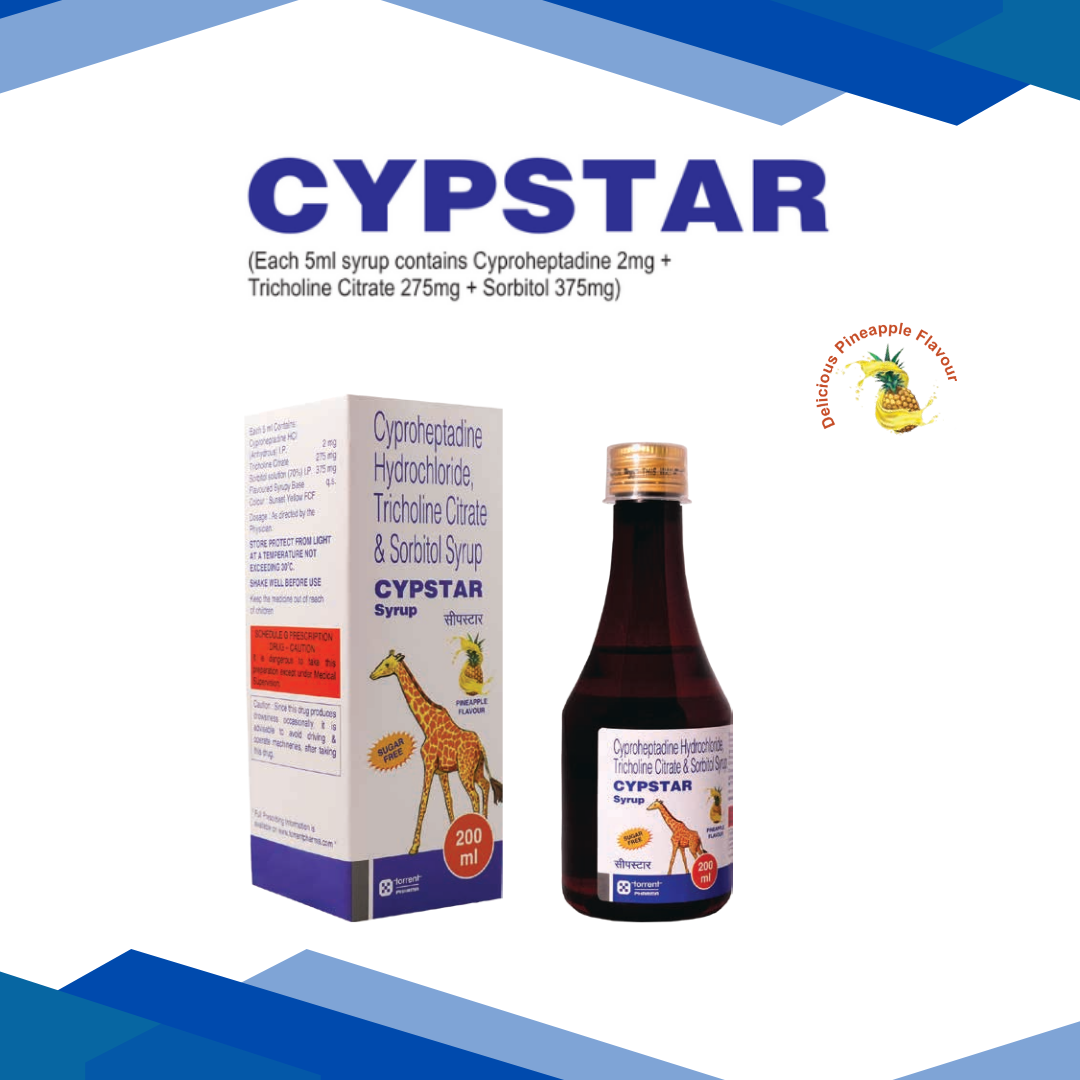
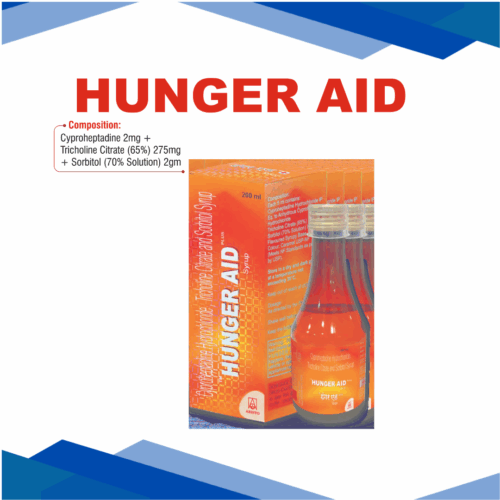
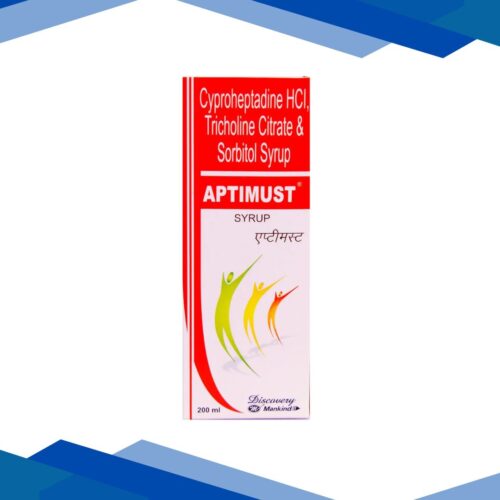
Cyproheptadine Tricholine Citrate
CYPROHEPTADINE TRICHOLINE CITRATE
Overview:
Cyproheptadine Hydrochloride+tricholine Citrate belongs to a group of medicines called ‘appetite enhancers’ used to stimulate the appetite and treat alimentary tract and metabolism problems
Classification:
Appetite enhancers
Uses:
Cyproheptadine Hydrochloride+tricholine Citrate helps in the treatment of lack of appetite, weight loss, and anorexia nervosa (an eating disorder with low body weight).
How It Works:
Cyproheptadine hydrochloride works by reducing the effect of a chemical messenger in the hypothalamus called serotonin, thereby helping stimulate the appetite. Tricholine citrate is a bile acid-binding agent that works by removing excess bile acid which causes the liver to produce more bile acid utilizing cholesterol, this, in turn, lowers the fat content in the body
Dosage:
As prescribed by your doctor.
Side Effects:
Dry mouth
Drowsiness
Confusion
Ataxia (impaired balance or coordination)
Precautions:
Do not take Cyproheptadine Hydrochloride+tricholine Citrate if you are allergic to any of its contents; if you have glaucoma, peptic ulcers, prostatic hypertrophy, bladder neck obstruction, or pylori duodenal obstruction. Inform your doctor if you have asthma, hyperthyroidism, high blood pressure, intraocular (eye) pressure or heart problems. Cyproheptadine Hydrochloride+tricholine Citrate may show additive effects if taken along with alcohol, CNS depressants, and anti-anxiety drugs. Consult your doctor if you are pregnant. It is not recommended to take Cyproheptadine Hydrochloride+tricholine Citrate if you are breastfeeding. Cyproheptadine Hydrochloride+tricholine Citrate may cause drowsiness, so drive with caution. Avoid consumption of alcohol while taking Cyproheptadine Hydrochloride+tricholine Citrate
Disclaimer:
This content is for informational purposes only. Always consult a healthcare provider for medical advice and proper dosage.
Sorbitol
SORBITOL
Overview
Sorbitol is a type of sugar alcohol that is naturally found in fruits like apples, pears, and peaches. It’s often used as a sweetener in foods, drinks, and medicines. Though it tastes sweet, it has fewer calories than regular sugar.
Classification
Laxative
Uses
Used as a sugar substitute in sugar-free products like chewing gum, candy, and toothpaste.
Acts as a laxative to relieve occasional constipation.
Added to medicines as a thickener or moisture-retainer.
How It Works
When taken by mouth, sorbitol draws water into the intestines, which helps soften the stool and makes it easier to pass. As a sweetener, it gives a sweet taste but doesn’t spike blood sugar levels as much as regular sugar.
Dosage
As prescribed by your doctor.
Side effects
Common: Gas, bloating, mild stomach cramps.
Less Common: Diarrhea (especially in large amounts), nausea.
Rare: Allergic reaction (rash, itching, swelling—seek help if this happens).
Precautions
People with diabetes should still use it carefully, as it can affect blood sugar levels a little.
Should be avoided or limited in people with fructose intolerance, as it can cause stomach upset.
Not recommended in large quantities because it can lead to gas, bloating, or diarrhea.
If pregnant, breastfeeding, or on other medications, consult a doctor before using.
Disclaimer
This content is for informational purposes only. Always consult a healthcare provider for medical advice and proper dosage