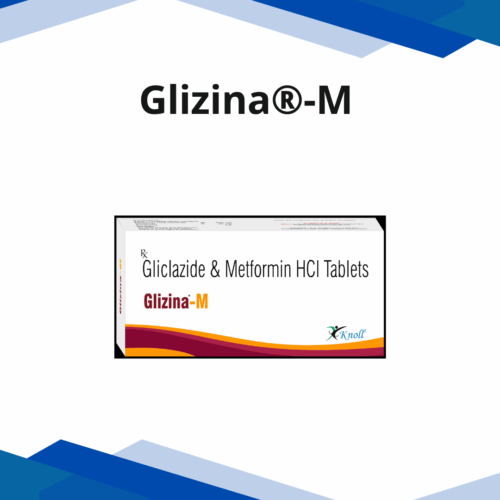
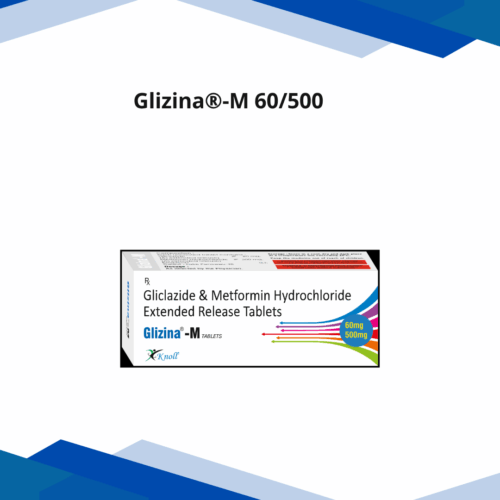
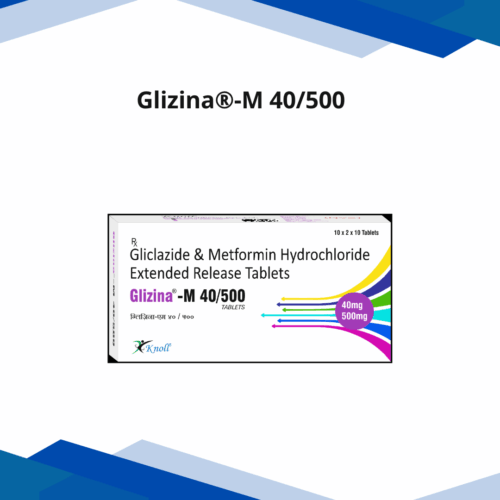
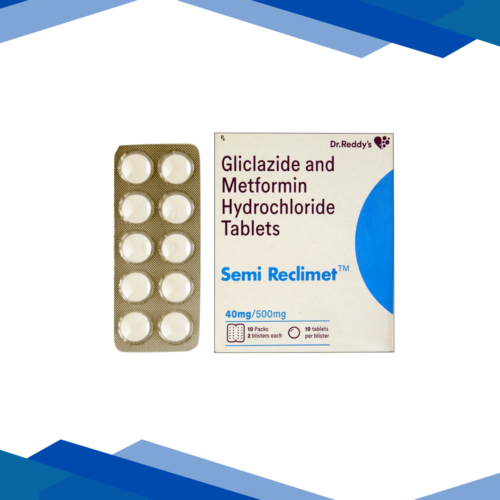
Gliclazide
GLICLAZIDE
Overview:
Gliclazide is a medicine used to treat type 2 diabetes. It helps the pancreas produce extra insulin, which brings blood sugar levels down. It’s usually taken once or twice a day, together with good nutrition and keeping physically active.
Classification:Sulfonylurea
Uses:
Gliclazide is used to support people with type 2 diabetes in keeping their blood sugar steady, which may help reduce the risk of complications like nerve issues, kidney trouble, and eye conditions.It’s usually taken along with a healthy diet, regular exercise, and sometimes other diabetes medicines.
How it works:
Gliclazide helps your pancreas make and release more insulin, especially after you eat.Insulin helps take sugar out of your blood and deliver it to your cells, where it powers your body like energy.By increasing insulin levels, Gliclazide helps lower high blood sugar in people with type 2 diabetes. It mainly works when the body can still make some insulin on its own.
Dosage: As prescribed by your doctor.
Side Effects:
Low blood sugar (hypoglycemia)
Weight gain
Headache
Nausea or upset stomach
Feeling tired or weak
Precautions:
Tell your doctor about your kidneys or liver problem before using Gliclazide. This drug occasionally lowers the sugar in the blood, and hence, avoid skipping meals and beware of symptoms with shaking, perspiring, and dizziness. Watch out when you have to drive or engage in something that requires concentration particularly when you are just beginning to take the medication. Also, inform your physician in case you are pregnant, breastfeeding, or using some other drugs.
Disclaimer: This content is for informational purposes only. Always consult a healthcare provider for medical advice and proper dosage.
Metformin
METFORMIN
Overview:
Metformin is used in the treatment of type 2 diabetes mellitus and polycystic ovarian syndrome (PCOS).
Classification:
Anti-diabetic medication
Uses:
Managing blood sugar levels with medications like metformin can prevent complications such as kidney damage, nerve issues, blindness, amputations, and sexual dysfunction. Effective diabetes control can also lower the risk of heart attacks or strokes.
HOW IT WORKS:
It works by lowering glucose production in the liver, delaying the absorption of sugar (glucose) from the intestines, and increasing the body’s sensitivity to insulin.
Dosage:
As prescribed by your doctor.
Side effects:
unusual muscle pain
feeling cold
trouble breathing
feeling dizzy, light-headed, tired, or very weak
stomach pain, vomiting
slow or irregular heart rate
Common metformin side effects may include:
low blood sugar
nausea, upset stomach
diarrhea.
Precautions:
You should not use metformin if you are allergic to it, or if you have:
severe kidney disease; or
metabolic acidosis or diabetic ketoacidosis (call your doctor for treatment)
Tell your doctor if you have ever had:
kidney disease (your kidney function may need to be checked before you take this medicine);
high ketone levels in your blood or urine;
heart disease, congestive heart failure;
liver disease; or
if you also use insulin, or other oral diabetes medications
Disclaimer:
This content is for informational purposes only. Always consult a healthcare provider for medical advice and proper dosage