

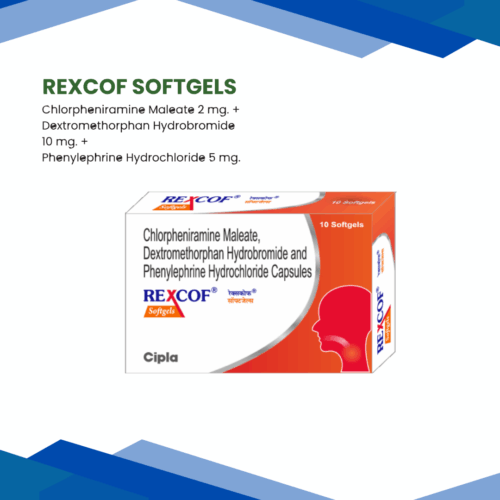



DELODRYL ADAVANCED COUGH FORMULA Syrup 60ml
No Prescription yet? Don’t worry! Click Here to Get Online Consultation
DELODRYL ADVANCED COUGH FORMULA Syrup 60ml is a prescription cough and cold syrup used to temporarily relieve dry cough, throat irritation, nasal congestion, sneezing, runny nose, and allergy-related upper respiratory discomfort by combining an antitussive (cough suppressant), antihistamine (anti-allergy), and decongestant to ease symptoms associated with the common cold and allergic rhinitis. For more details kindly click on Medicine Salts below:
Cetirizine Dihydrochloride
Cetirizine Dihydrochloride - A Fast Relief from Allergies
Cetirizine Dihydrochloride is a widely known second-generation antihistamine used to control the most allergic disorders. Unlike the latter drug categories in terms of allergies, it is described to be of lower sedative quality, providing quick relief from allergy symptoms—sneezing, itching, and watering of eyes—without encouraging the body to fall into excessive sleepiness.
Uses
It is used for the following:
Allergic Rhinitis: Allergic hay fever symptoms caused by pollen, dust mites, or pet dander.
Urticaria: Deals with erythema, swelling, and severe itching in chronic hives.
Allergic Conjunctivitis: Used for red, itchy, and watery eyes.
Common Cold Symptoms: Helps reduce frequent sneezing and runny nose.
Safety Information
Recommendation
Driving
Precautionary because although it is less sedating compared to older drugs, it may still induce sleepiness in some people. Therefore, observe how this medicine affects you before driving.
Alcohol
Not recommended. Alcohol may intensify the sedative effect and make an individual feel extra drowsy or dizzy. Consultation with your medical advisor is essential.
Pregnancy
Generally considered safe during pregnancy, but you should not start the medication without consulting your doctor.
Kidney Health
Dose adjustments may be required in patients with moderate or severe renal impairment.
How to Take Cetirizine
Step One: Take your medication with or without food, keeping the timing about the same each day.
Step Two: Some people prefer taking it before bedtime since it may cause mild sleepiness.
Step Three: Drink plenty of water if you experience dry mouth from the antihistamine.
Potential Side Effects
Most side effects of Cetirizine 5 mg are mild to moderate, including:
Dry Mouth or Throat
Mild Sleepiness or Fatigue
Mild Headache
Rare: Tummy ache, especially in children.
Review
Drowsiness can occur when first using Cetirizine, so if you feel sleepy, consider taking it at nighttime. Even when taken at night, the protection usually lasts for about 24 hours, providing relief until the next morning.
FAQs
1. How fast does Cetirizine get to work?
Most patients notice improvement within 20–60 minutes after taking it. This is considered the onset of action.
2. Is it safe to use Cetirizine every night?
It is generally safe for long-term use if you suffer from year-round allergies. However, consult a healthcare provider if you plan to use it continuously for more than 14 days.
3. Will one feel drowsy the next morning after taking Cetirizine?
Most people do not experience morning drowsiness. Only about 10% of users may feel slightly tired. Unlike first-generation antihistamines such as diphenhydramine, it rarely causes a hangover-like effect.
4. Can it be taken with painkillers?
There are no major interactions between Cetirizine and common painkillers like Paracetamol or Ibuprofen. Always check multi-symptom cold medicines, as they may already contain an antihistamine.
5. Is it useful for itchy skin rashes?
Yes. Cetirizine blocks histamine, which is responsible for itching, redness, and swelling in many allergic skin rashes.
Dextromethorphan Hydrobromide
Dextromethorphan Hydrobromide: Essential Relief for Annoying Dry Cough
Dextromethorphan Hydrobromide is an established antitussive (a cough suppressant) designed rigorously to bring about a rapid alleviation in nonproductive, dry coughs. This kind of dry coughing makes nothing but irritation to the sufferer in the presence of colds, influenza, and air pollutants, for instance. In such circumstances, Dextromethorphan behaves by lessening the cough stimulus to some extent in the brain, hence giving the throat and chest much-needed rest.
Primary Uses of Therapy
Dry Cough Suppression: It has specific action against tickling sensations in the throat and subsequent semipurposeless fits of cough.
Cold & Flu Symptom Management: Used extensively in both nighttime and daytime multisymptom products.
Elimination of Rest: Reducing the impulse to cough, it gives way to deep and calming slumber, allowing patients more rest to aid in quicker recovery.
How It Works
It is a centrally acting cough suppressant. By crossing the blood-brain barrier, it acts upon the cough center in the medulla oblongata. In this way, the threshold for coughing is raised, which means the patient coughs less frequently and with less intensity and does not suppress respiratory drive or cause central sedation at standard therapeutic doses.
Practical Usage and Guidelines
Ways in Which Medication Can Be Given: Liquid preparations should be measured with the calibrated dosing cup or syringe, and they must be administered accurately at all times; household spoons or cups are too inaccurate to measure medication appropriately.
Stay Hydrated: It is a good idea to keep consuming water throughout the day while you are taking the medicine for hacking. While the medicine supps the cough, the moistening of the sore throat helps even more to make it less painful.
Seek Out Paracetamol and Decongestants on the Label: When bought off the shelf at the pharmacy, the medication usually accompanies paracetamol (for pain) or decongestants. Please verify that no double dosing of these should accidentally occur by taking an alternative cold medicine.
Whether to Take: Whenever the nighttime irritation occurs, try to slurp with a gulp of plain water nearly thirty minutes before lying down into bed. This preparatory routine should make the night less painful.
Dextromethorphan Hydrobromide: FAQs
Q: Can Dextromethorphan treat a mucus-y or loose cough?
A: Normally no. Coughs bringing up substantial amounts of mucus shouldn't be suppressed; such coughing helps to clear airways of the mucus. If you suppress coughs accompanied by phlegm, the mucus may be left trapped within the lungs and be a cause of new problems. It is a good idea to suppress the cough when it comes, though. Make use of the other products to achieve that end.
Q: How long will a single dose last?
A: In most of the standard formulations, the effects generally work from four to six hours. Doxylamine (an antihistamine) and codeine form the main active ingredients in those the dissociation of the formulations could reach a duration of effect of up to twelve hours. Please check the correct dosing on the box of your product to be safe: Know what interval of doses is there right for you.
Q: Can I use this medicine if I'm on antidepressants?
A: This is vital when it comes to your safety. The use of dextromethorphan should be stopped if you are concurrently taking within the last 14 days an MAO inhibitor. The use of the two together may bring severe issues like serotonin syndrome. Double-check with your pharmacist prior to use if more than one drug is being used or about to be used.
Q: Will Dextromethorphan cause somnolence?
A: It is less sedating than respiratory suppressants with codeine, but in some individuals, mild dizziness or somnolence may occur. Wait and evaluate how you feel on the first dose before driving or using machinery.
Q: Is Dextromethorphan advisable in the case of children giving it?
A: Available in pediatric formulations, it is not suggested for children younger than 4 to 6 without instruction from a pediatrician. Exact formulations produced for kids should be used only.
Safety & Side Effects Profile
Worthiness of Side EffectFrequencyAction
Mild DizzinessOccasionalRest and avoid sudden movements.
Nausea / Stomach UpsetRareTake with a light snack or crackers.
DrowsinessOccasionalAvoid alcohol, as it can increase this effect.
Skin RashVery RareDiscontinue use and seek medical advice.
Important Quick Tips for Consumers:
Best for: Dry, hacking coughs with no phlegm.
Forms: Syrup, lozenges, oral disintegrating strips.
Interaction Warning: Avoid with MAOIs; limit alcohol consumption.
Phenylephrine Hydrochloride
Phenylephrine Hydrochloride: Relief for Nasal and Sinus Congestion That Really Works
Phenylephrine hydrochloride is a strong decongestant that is used for temporary relief from the feeling of a "stuffed-up nose" that occurs with a cold, hay fever, or other upper respiratory allergies. Unlike some of the older decongestants, phenylephrine focuses on primarily reducing swelling of the nasal passages so that breathing is restored to be easy.
Measurements and Types of Use
Rhinal Decongestion: Quick clearance of blocked passages.
Sinus Pressure Relief: Reduction of heavy-pressure, painful forehead and cheek discomfort due to sinusitis.
Allergic Conditions Help: Managing the hypersensitivity reactions of allergic rhinitis (hay fever).
Ophthalmic Use: Dilating eyes to treat redness in specific concentrations.
Haemorrhoidal Relief: Shrinks swollen tissues when topically applied.
Phenylephrine Mechanism
Phenylephrine belongs to a category of drugs described as sympathomimetic amines. Specific to alpha-1 adrenergic receptors in smooth muscles of blood vessels: it is crystal clear! For instance, when one catches a cold, blood vessels in the nose dilate and become inflamed. This congests the field ready for action in a no-go area. As long as it does, phenylephrine will allow you to breathe in a stable pattern by aiming for alpha-1 adrenergic receptors in order to create tension and prevent the dilation of blood vessels. This helps to shrink the swelling and obstruct the flow of mucus, thus making it easy to resume using the gear again.
Usage and Dosage
Orally: Usually taken every 4 hours when needed. Dose not exceed six doses in one cycle, unless advised by a physician.
Nasal spray: Usually used every 4 hours. Do not use for more than 3 consecutive days to prevent "rebound congestion."
Hydration: Always make sure to drink water to thin secretions during the use of decongestants.
Phenylephrine Hydrochloride: Frequently Asked Questions (FAQs)
Q: Does Phenylephrine cause high blood pressure?
A: Yes. Since Phenylephrine narrows blood vessels (vasoconstriction), higher blood pressure might occur on a temporary basis. If you have hypertension already or some heart disease, consult your primary physician before its use.
Q: Can I take Phenylephrine at night?
A: Most people do not find that Phenylephrine causes "jitteriness" or keeps them awake. But if you're sensitive to decongestants, try taking your last dose early in the evening.
Q: Can I take this with Paracetamol or Ibuprofen?
A: Remember that a lot of the so-called "all-in-one" cold-and-flu products already contain Phenylephrine mixed with painkillers. Always look at the ingredients list for your other medications to avoid accidental double dosing.
Q: Three days with a nasal spray shouldn't hurt, right?
A: Extended nasal spray use typically results in "rhinitis medicamentosa." This refers to a condition where the nose becomes reliant on the spray, subsequently leading to a worse state of congestion once you stop it.
Q: Does it heal the cold or flu from within?
A: No, Phenylephrine is symptomatic treatment. It has mainly been designed to clear your airways and hence make you feel at ease, but it does not work to kill the infection-causing virus.
Safety and Precautions
Side EffectsFrequencyAdvice
Dizziness / HeadacheOccasionalRest, drink liquids
Nervousness / RestlessnessOccasionalReduce dose or avoid dosing at night
Increased Heart RateRareDiscontinue and consult a doctor
Stinging (Nasal Spray)CommonTemporary; normally fades within seconds.
Important Contraindications
Not to be used in patients taking MAOIs (certain drugs used to treat depression or Parkinson's disorders) or till two weeks have elapsed since they were stopped. The reason for this contraindication is an emergency hazardous hypertensive syndrome that develops due to an interaction.
At Gem Pharmacy, we make every effort to provide accurate, expert-written, and thoroughly reviewed information related to medicines. However, this information should not be considered a substitute for professional medical advice, diagnosis, or treatment from a qualified doctor.
The purpose of this information is to educate users and improve communication between patients and healthcare professionals. It should not be used to diagnose or treat any condition.
Always consult a certified healthcare professional before taking any medication.


Related products

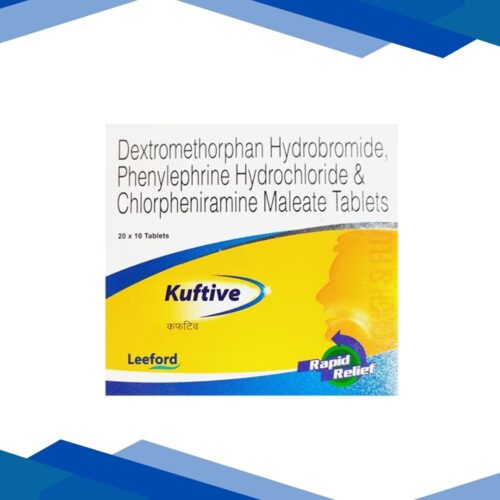
KUFTIVE RAPID RELIEF Tablet 10’s