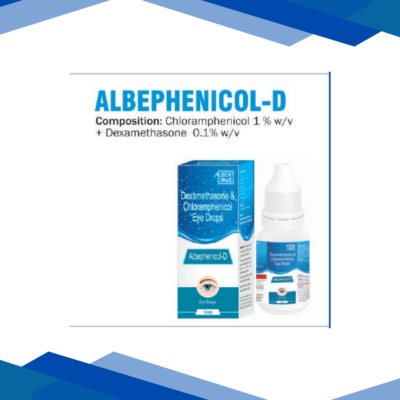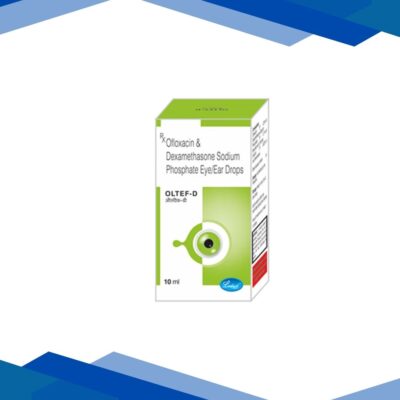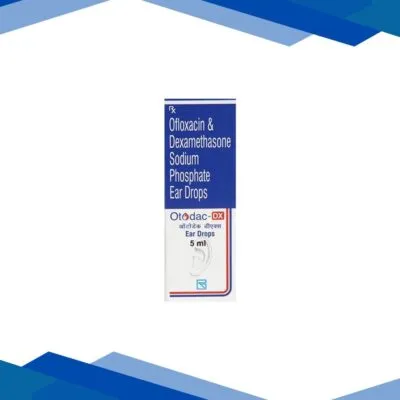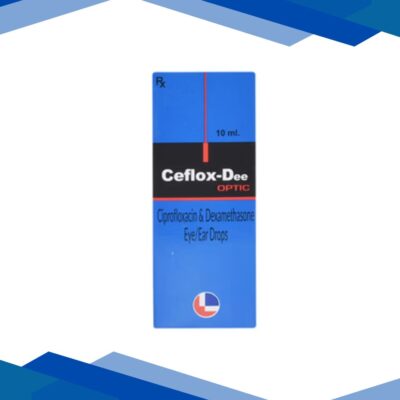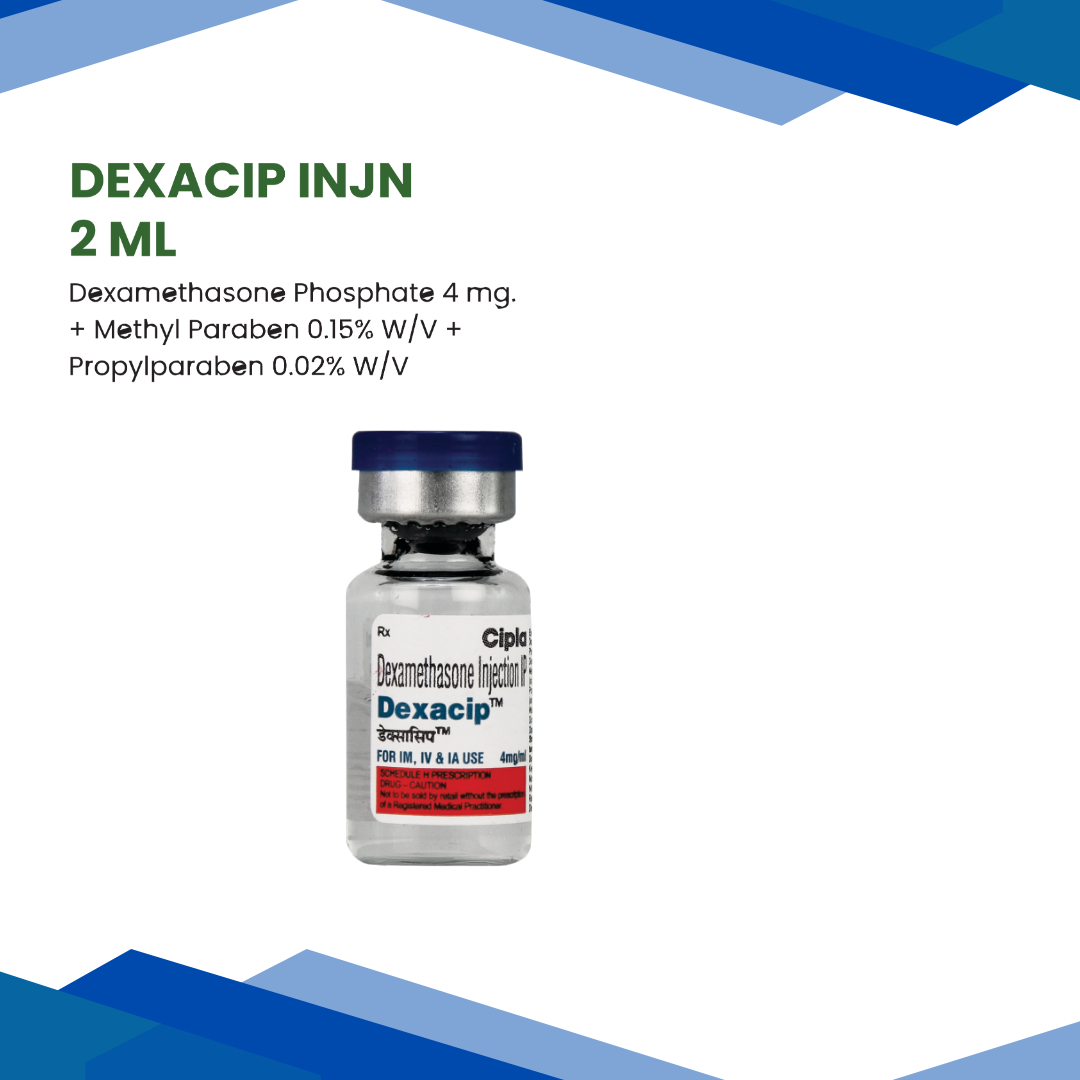
Dexacip
No Prescription yet? Don’t worry! Click Here to Get Online Consultation
Dexacip injection Injection is a corticosteroid medicine which is used to reduce swelling associated with various conditions such as arthritis, allergic disorders, psoriasis, etc.
Dexamethasone
Dexamethasone Tablet (Corticosteroid)
Dexamethasone is a potent glucocorticoid steroid that mimics hormones produced by the adrenal cortex. It is widely used to treat conditions involving inflammation and immune system overactivity. By suppressing immune responses and reducing inflammatory mediators, it helps relieve swelling, redness, and pain.
Uses
Inflammatory conditions: Effective in arthritis, lupus, and psoriasis.
Allergy related: Helps manage allergic reactions, asthma, and drug-induced inflammation.
Immune disorders: Used when the immune system attacks body tissues.
Hormonal disorders: Acts as replacement therapy in adrenal insufficiency.
Specialized care: Used in oncology for tumor swelling and chemotherapy-induced nausea.
How Dexamethasone Works
Dexamethasone is a corticosteroid that inhibits production of prostaglandins and leukotrienes, which trigger inflammation. It also stabilizes cell membranes and suppresses immune overactivity.
How to Use
Administration: Swallow the tablet whole with water, preferably in the morning.
Timing: Usually taken once daily, with or without food.
Consistency: Take at the same time each day.
Important: Do not stop suddenly—gradual tapering is required to avoid withdrawal symptoms like fatigue and body pain.
Precautions & Safety
Infection Risk: May mask infections and increase susceptibility—avoid exposure to measles or chickenpox.
Diabetes: Can raise blood sugar levels—monitor regularly.
Bone Health: Long-term use may cause osteoporosis—ensure adequate calcium and Vitamin D.
Common Side Effects
Increased appetite and weight gain
Insomnia
Mood changes or irritability
Swelling (edema)
Skin thinning
Seek medical help if you experience blurred vision, black stools, or severe pain.
Frequently Asked Questions (FAQ)
Q: Is it an anabolic steroid?
No. It is a corticosteroid used for medical conditions, not muscle building.
Q: Can I take vaccines while on it?
Avoid live vaccines during high-dose therapy—consult your doctor.
Q: Does it cause “moon face”?
Yes, long-term use may lead to Cushingoid appearance, which is reversible after tapering.
Q: Can I drink alcohol?
Limit or avoid alcohol due to increased risk of stomach irritation and bleeding.
Q: How fast does it work?
For acute conditions, effects may appear within 1–2 hours; chronic conditions may take a few days.
Methylparaben
Methylparaben (E218)
Methylparaben is a preservative that belongs to a class of compounds called parabens, and it is with increasing frequency in those with methyl groups attached to hydroxyl groups of the aromatic ring. In natural products, it is a methyl ester of p-hydroxybenzoic acid found in certain fruits such as blueberries. In the pharmaceutical realm, it serves as a critical inactive ingredient (excipient) designed to control the growth of bacteria, fungi, and molds in various medicinal formulations, so that such medicines are guaranteed to remain sterile and safe for human consumption throughout their shelf-life.
Primary Functions & Benefits
- Antimicrobial Protection: Greatly hampers a large spectrum of microorganisms, particularly yeasts and molds.
- Product Stability: Inhibits chemical degradation of medicines due to microbial contamination.
- Versatility: Found in creams, topical drugs for eye treatment, oral syrups, and injectable solutions.
- Safety Record: Its safety record speaks for itself for more than 50 years; “generally recognized as safe” (GRAS) by the FDA when used within regulated limits.
Where It Is Found
The "inactive ingredients" section of most household products contains Methylparaben, due to its high efficiency:
Topical Medicines: Antifungals, corticosteroids, cooling gels.
Oral Medicines/Suspensions: Cough syrups, liquid vitamins, pediatric suspensions.
Cosmetic/Personal Hygiene: Shampoos, lotions, sunscreens.
Injectables: Used in multidose vials where repeated punctures require preservation.
Safety & Precautions
By and large, Methylparaben has a strong safety profile, but some considerations apply:
Dermatological Sensitivity: Rare cases of contact dermatitis (redness, itching) may occur in sensitive individuals.
Interaction with UV: Some studies suggest that high concentrations applied to skin may interact with UVB rays and potentially contribute to skin aging. Using sunscreen is advisable.
Human Metabolism: Rapidly metabolized and excreted in urine, with minimal risk of accumulation in the body.
Potential Side Effects
Rare, usually mild local allergic reactions:
Mild skin irritation or rash
Hives or localized swelling
Burning sensation on application
Frequently Asked Questions (FAQs)
Q: Can Methylparaben be considered an active drug?
A: No. It is an excipient (inactive ingredient). It does not treat disease directly but helps protect medicines from contamination and spoilage.
Q: Can parabens like Methylparaben be used daily?
A: Yes. Regulatory authorities like the FDA and EMA consider it safe within prescribed limits (typically 0.01% to 0.3% in formulations).
Q: Is it safe for people with gluten allergy?
A: Yes. Methylparaben is gluten-free and safe for individuals with celiac disease or gluten sensitivity.
Q: Is there any link between Methylparaben and cancer?
A: Current scientific evidence does not support a direct link between Methylparaben and cancer in approved pharmaceutical or cosmetic use. It remains a well-studied and regulated compound.
Q: How can I identify Methylparaben in a product?
A: Check the ingredient or excipient list on packaging. It may appear as Methylparaben, methyl p-hydroxybenzoate, or E218.
Propylparaben
PROPYLPARABEN
Overview
Propylparaben is a preservative used in many cosmetics, personal care products, and even medicines and foods. Its main job is to stop the growth of germs, bacteria, and mold, helping products stay fresh and safe to use for longer.
Classification
Propylparaben belongs to a group of chemicals called parabens. These are synthetic (man-made) preservatives commonly used to prevent spoilage and contamination in creams, lotions, shampoos, makeup, and medicines.
Uses
Keeps cosmetic products like lotions, creams, and shampoos from going bad
Helps preserve the shelf life of certain foods and medicines
Prevents bacterial or fungal growth in skin care and hygiene products
Used in pharmaceuticals to maintain product stability
How It Works
Propylparaben works by stopping the growth of microorganisms (like bacteria and mold) that could spoil products. This helps keep the product safe, clean, and usable for a longer time.
Dosage
As prescribed by your doctor.
Side effects
Most people use propylparaben safely, but some may experience:
Skin irritation or redness, especially on sensitive skin
Allergic reactions in rare cases (itching, rash)
Hormonal concerns have been raised in some research, but current levels used in products are considered safe by health agencies
Precautions
People with sensitive skin or allergies may react to parabens — always check product labels
Some studies suggest parabens may affect hormone balance, but more research is needed
It’s generally considered safe in small amounts approved by health authorities
Not recommended for use on broken or irritated skin unless prescribed
If you’re concerned about parabens, look for “paraben-free” products
Disclaimer
This content is for informational purposes only. Always consult a healthcare provider for medical advice and proper dosage
At Gem Pharmacy, we make every effort to provide accurate, expert-written, and thoroughly reviewed information related to medicines. However, this information should not be considered a substitute for professional medical advice, diagnosis, or treatment from a qualified doctor.
The purpose of this information is to educate users and improve communication between patients and healthcare professionals. It should not be used to diagnose or treat any condition.
Always consult a certified healthcare professional before taking any medication.


Related products