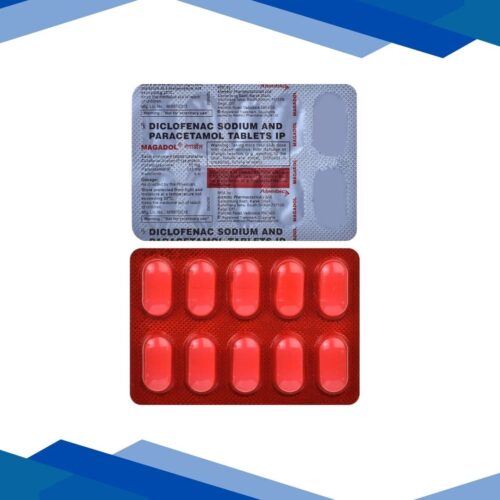
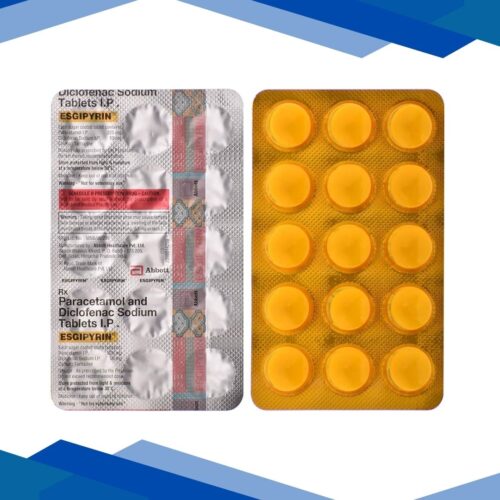
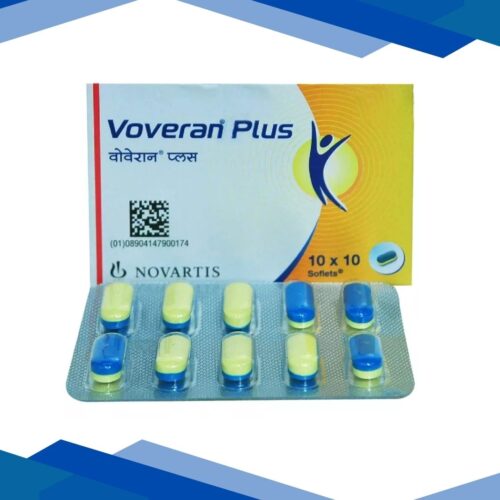
Chlorzoxazone
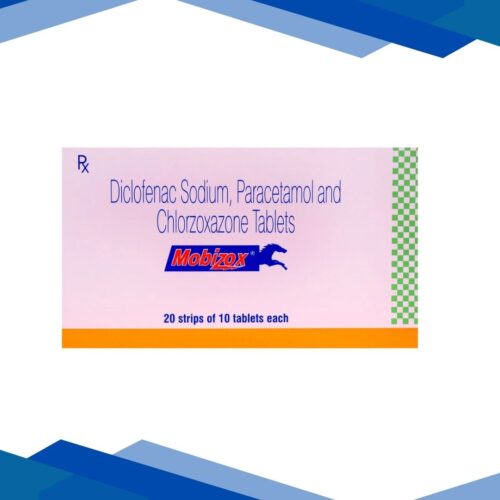
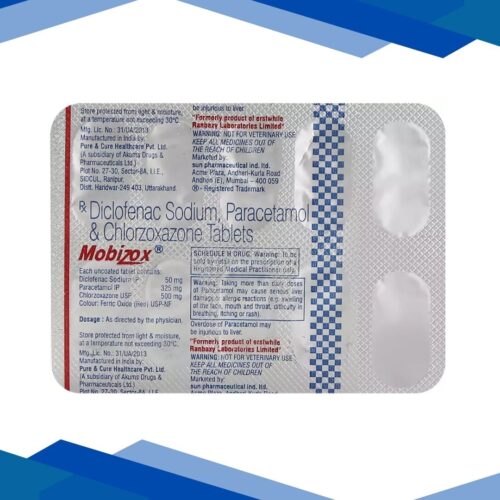
CHLORZOXAZONE
Overview:
Chlorzoxazone is a muscle relaxant used to relieve pain and stiffness caused by muscle spasms. It works on the central nervous system to reduce muscle tension, helping you move more comfortably and easing discomfort from strains, sprains, or other muscle injuries. It is usually prescribed along with rest, physical therapy, or other pain relief measures for better results.
Classification: Centrally acting muscle relaxant
Uses:
- Relieves muscle pain and stiffness caused by strains, sprains, or injuries
- Helps reduce muscle spasms after accidents or overuse
- Often given together with rest, exercise therapy, or pain relief treatment to enhance comfort and movement.
How it works:
Chlorzoxazone works by calming the nervous system, helping to stop the signals that make muscles tense and spasm. It works indirectly on the muscles, helping them loosen up naturally, which eases pain and stiffness and allows smoother movement and better recovery with rest or therapy.
Dosage: As prescribed by your doctor.
Side Effects:
- Drowsiness or sleepiness
- Dizziness
- Nausea or upset stomach
- Headache
- Skin rash or itching (rare)
Precautions:
- Use with caution if you have liver problems, as it can affect liver function.
- Avoid it if you are allergic to chlorzoxazone or similar medications.
- Avoid activities like driving or operating equipment because it can make you drowsy or dizzy..
- Pregnant or breastfeeding women should use it only under medical supervision.
- Do not exceed the recommended dose to avoid increased risk of side effects.
Disclaimer:This content is for informational purposes only. Always consult a healthcare provider for medical advice and proper dosage.
Diclofenac Sodium
Diclofenac Sodium: An Aid in Pain and Swelling
Diclofenac Sodium is a widely used Non-Steroidal Anti-Inflammatory Drug (NSAID) that helps reduce pain and inflammation. Whether dealing with chronic conditions such as arthritis or acute pain after an accident or sports injury, Diclofenac works by blocking prostaglandins, the body’s natural chemicals responsible for pain signals and swelling.
Uses In Brief
Management for Arthritis Conditions: Osteoarthritis, Rheumatoid Arthritis, and Ankylosing Spondylitis.
Pain Reliever: Helps relieve back pain, toothaches, and sports-related injuries.
Menstrual Comfort: Provides relief from dysmenorrhea, which refers to severe menstrual cramps.
Relief from Migraine: Certain oral formulations are used during the early phase of migraine attacks.
Quick Facts for Patients
Onset Time: Tablets usually start working within 30–60 minutes.
Food: It is preferable to take the tablet with food or milk to reduce stomach irritation.
Consistency: Take the medication at approximately the same time each day to maintain stable drug levels in the body.
Safety Profile & Expert Advice
Therapy
Guidance
Alcohol: Avoid alcohol. Combining alcohol with Diclofenac can increase the risk of gastric bleeding and ulcers.
Pregnancy: Consult your doctor. Use during late pregnancy may cause heart-related complications in the baby.
Long-Term Use: NSAIDs should be used cautiously for prolonged periods, as they may slightly increase the risk of heart attack or stroke.
Kidney/Liver: Dose adjustments may be required for individuals with kidney or liver disease.
Potential Side Effects
Most patients do not experience severe adverse effects, but some individuals may notice mild symptoms:
Common: Indigestion, bloating, nausea, or mild dizziness.
Less Common: Heartburn, constipation, or mild headache.
Serious (Contact a Physician): Bloody or black tarry stools, yellowing of the eyes, or sudden swelling in the legs require immediate medical attention.
Frequently Asked Questions (FAQs)
1. Is Diclofenac Sodium the same in effect as Ibuprofen?
Both belong to the NSAID family, but Diclofenac is generally considered stronger and is often used for severe joint pain and inflammatory conditions, while Ibuprofen is commonly used for milder pain and fever.
2. Can I take Diclofenac Sodium on an empty stomach?
It is recommended to take it with food, milk, or an antacid. Taking NSAIDs on an empty stomach may irritate the stomach lining and increase the risk of gastritis or ulcers.
3. For how long can I safely take this medicine?
For acute pain, the duration should generally be short (around 3–5 days). For chronic arthritis, doctors may recommend longer treatment with regular monitoring of kidney and liver function.
4. Will it make me sleepy?
Drowsiness is uncommon, but some individuals may experience mild dizziness or slight drowsiness. It is best to observe how your body reacts before driving or operating heavy machinery.
5. Can I use Diclofenac gel while taking oral Diclofenac?
Combining oral and topical Diclofenac can increase the total amount of Diclofenac in the bloodstream. Always consult your healthcare provider before using both forms to avoid accidental overdose.
Paracetamol
PARACETAMOL
Overview
Paracetamol is a commonly used medication that helps relieve mild to moderate pain and reduce fever. It’s often used for:
Headaches
Toothaches
Muscle and back pain
Menstrual cramps
Cold and flu symptoms
It’s available over-the-counter and is considered safe when used as directed.
Classification
Analgesic and antipyretic agent
Uses
Paracetamol is used for pain relief and fever. It is used to relieve pain in conditions like headache, muscle pain, or dental pain.
How it works
When you produce a fever, your body’s internal thermostat — found in the hypothalamus portion of the brain — is raised to a higher temperature. This new set point is usually induced by pyrogens (substances made during infections) that tell the body to produce more heat as a form of immune defense.
Due to its effects in the brain, paracetamol reduces the production of reactive prostaglandins. Prostaglandins are disease-fighting chemicals released during infection that in turn, raise the body’s temperature set point. By decreasing prostaglandin levels, paracetamol enables the hypothalamus’ temperature control centre to bring the body’s temperature back down to normal, allowing the body to cool down and the fever to subside
Dosage
As directed by the physician
Precautions
Most people can take paracetamol safely, including:
pregnant women
breastfeeding women
children over 2 months of age – lower doses are recommended for young children
always get advice before taking paracetamol if you:
have liver or kidney problems
have problems with alcohol, like long-term alcohol misuse
are very underweight
are taking other medications
Don’t take paracetamol if you’ve had an allergic reaction to it in the past
Side effects
common side effects of paracetamol.
Nausea
Swelling
Vomiting
Pain
Tenderness in the upper abdomen
Sweating
Loss of appetite
Stomach cramps
Diarrhea
Major side effects are as follows:
Dark-colored urine
High fever
Lower backache
Skin having red spots
Rashes
Inflammation
Itching
Sore throat
Ulcers
Breathlessness
Yellowish eyes
Disclaimer
This content is for informational purposes only. Always consult a healthcare provider for medical advice and proper dosage.