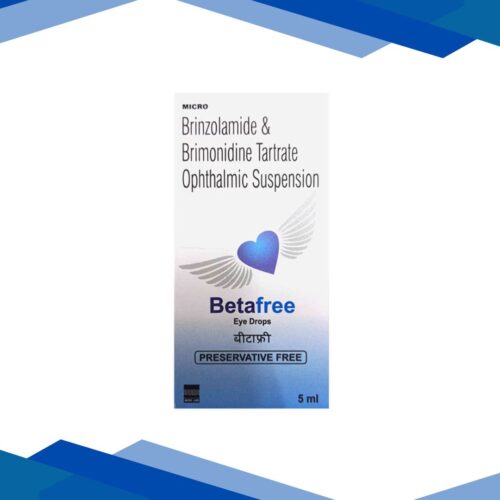
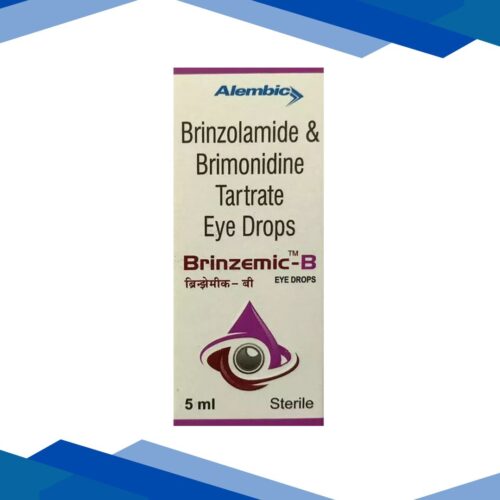
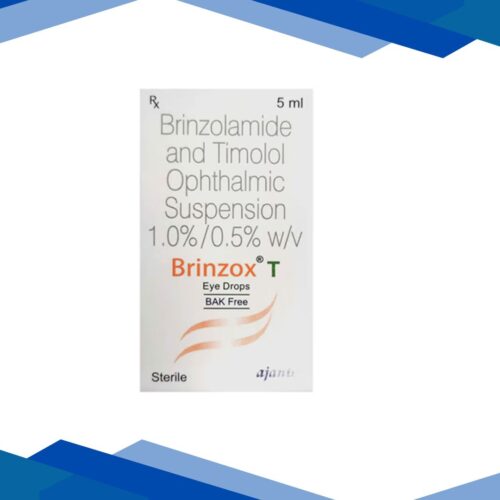
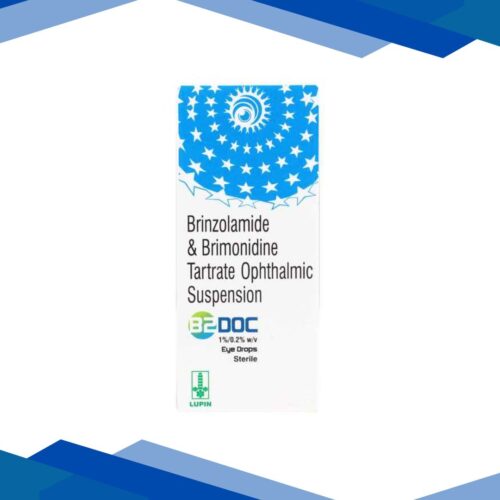
Brimonidine Tartrate
Brimonidine Tartrate: A More Advanced Portal to Reducing High Oculomotor Tension and Glaucoma
Brimonidine Tartrate remains a highly powerful classification of alpha-adrenergic agonist eye drops. The most common use is for high ocular tension (intraocular tension) in selected cases—open-angle glaucoma or ocular hypertension. High internal pressure in the eye can cause optic nerve damage and finally impaired vision. Brimonidine achieves its clinical efficacy through a two-pronged action mechanism—either inhibiting fluid production or allowing its drainage.
Disclosure of Some Key Therapeutic Benefits
Dual Action Formula: Unlike many drugs, this one has the dual effect of reducing fluid production and enhancing fluid drainage.
Powerful and Rapid: Most patients experience a significant decrease in IOP (intraocular pressure) as early as two hours following the use of the drops.
Prolonged Effect: It has been confirmed to have long-term efficacy when used on a continuous basis to help prevent vision loss in chronic glaucoma.
Product Overview & Fast Facts
Specifications of the Features
Drug Class: Alpha-2 Adrenergic Agonist
Clinical Purposes: Glaucoma, Ocular Hypertension
Common Concentrations: 0.1%, 0.15%, 0.2%
Storage: Room temperature (15°C to 25°C)
How to Use Brimonidine Tartrate Properly?
To achieve the best results and limit systemic absorption (penetration of the drug into your bloodstream), follow these steps:
Wash your hands: Always start with clean hands to avoid infection of the eyes.
Tilt & Pull: Tilt your head back, then gently pull down your lower eyelid to create a pocket.
The Drop: Hold the dropper directly above the eye without eyelid or eye contact; squeeze one drop into this pocket.
Punctal Occlusion: Close your eyes and gently press your finger in the inner corner of your eye, near the nose, for 1–2 minutes to keep the medicine inside the eye and prevent drainage into the tear duct.
Wait if Mixing: Wait at least 5 to 10 minutes if you plan to use other eye drops.
Important Safety and Precautions
Brimonidine Tartrate is a potent medicine and should be handled carefully.
Contact Lenses: The preservative in these drops (often benzalkonium chloride) can be absorbed by soft contact lenses. Always remove your lenses before using the drops and wait at least 15 minutes before reinserting them.
Monoamine Oxidase (MAO) Inhibitors: Do not take Brimonidine if you are using MAO inhibitors (such as phenelzine or selegiline) due to the risk of low blood pressure.
Drowsiness: This medication may cause drowsiness or tiredness in some patients. Be cautious while driving or operating heavy machinery until you understand how your body reacts.
Side Effects:
Mild stinging or burning in the eyes
Dry mouth or metallic taste
Redness or itching of the eye/eyelids
Frequently Asked Questions (FAQs)
1. Can Brimonidine Tartrate cure glaucoma?
Glaucoma does not currently have a cure, but Brimonidine provides effective management. It helps maintain eye pressure at a safe level to prevent further damage to the optic nerve and preserve existing vision.
2. What if my eye looks very red or itches a lot?
A small percentage of patients may develop an allergic reaction after extended use (follicular conjunctivitis). If you observe persistent redness, swelling, or intolerable itching, contact your ophthalmologist as you may need to switch to another medication class.
3. I missed a dose. Should I put in two drops next time?
Never apply two doses to compensate for a missed one. Use the medication as soon as you remember. If it is almost time for the next dose, skip the missed dose entirely.
4. Can I use these for red-eye relief?
Over-the-counter drops containing a lower concentration of Brimonidine are available for cosmetic redness relief. The prescription Brimonidine Tartrate formulation is specifically designed for managing eye pressure. Do not use prescription drops for cosmetic purposes unless directed by your doctor.
Brinzolamide
Brinzolamide: Advanced Care for Glaucoma and Ocular Hypertension
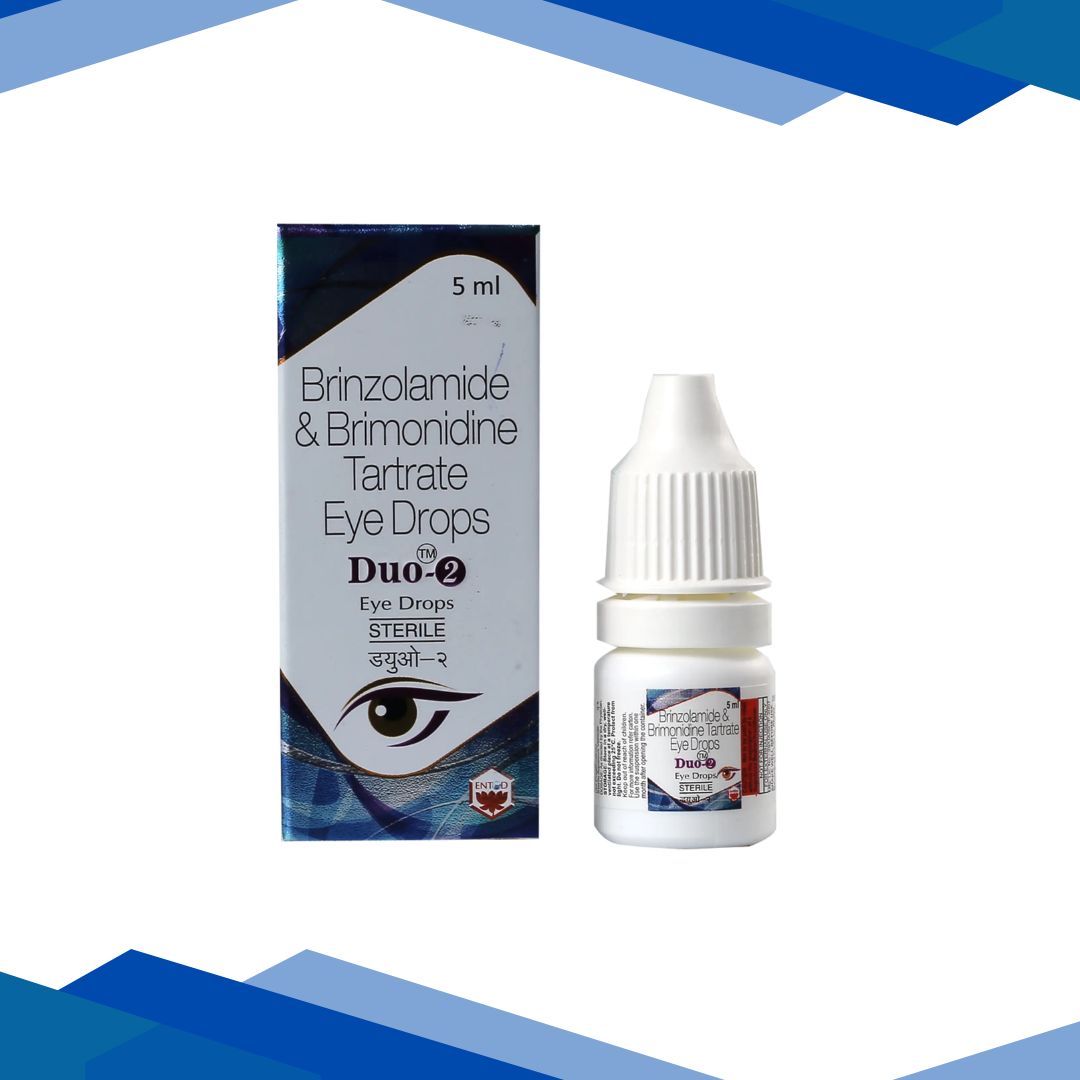
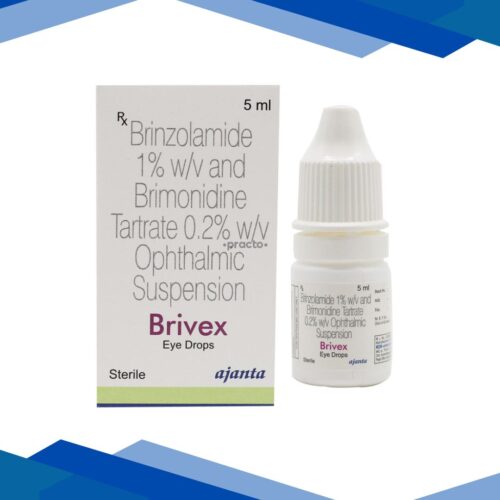
Brinzolamide is a specialized ophthalmic medication that comes under the class of carbonic anhydrase inhibitors. It is principally for the treatment of high pressure inside the eye (intraocular pressure) within patients with open-angle glaucoma or ocular hypertension. Yes, pressure within the eye may damage the optic nerve, which may also lead to vision loss. Brinzolamide acts by decreasing the production of aqueous humor— the natural eye fluid—consequently, the internal pressure reasonably decreases to maintain the strain under control.
Why Brinzolamide is Prescribed
Pressure Management: Effectively controls the fluid balance within the eye.
Optic Nerve Protection: By maintaining low IOP (Intraocular Pressure), it helps prevent the progression of glaucoma.
Sterile Suspension: Formulated as a 1% suspension for maximum stability and ocular comfort.
Quick Reference: Brinzolamide 1% Eye Drops
Feature
Details
Drug Class
Carbonic Anhydrase Inhibitor
Primary Use
Glaucoma & Ocular Hypertension
Common Frequency
Usually 1 drop in the affected eye, 3 times daily
Onset of Action
Significant reduction in pressure within 1-2 hours
Patient Profile
Suitable for adults; use in children only under specialist advice
Expert Tips for Application
The “Shake” Rule: Because Brinzolamide is a suspension, always shake the bottle well before each use to ensure the active salt is evenly distributed.
Punctal Occlusion: After applying the drop, gently press the corner of your eye (near the nose) for 1–2 minutes. This keeps the medicine in the eye and prevents it from draining into the tear duct.
Hygiene First: Never let the dropper tip touch your eye, eyelashes, or any other surface. This prevents bacterial contamination of the sterile liquid.
Safety Precautions & Side Effects
While Brinzolamide is generally well-tolerated, patients should be aware of the following:
Common Side Effects:
Blurred Vision: Temporary blurring immediately after application is normal.
Bitter Taste: Some patients experience a “metallic” or bitter taste in the mouth shortly after use (see FAQs below).
Ocular Irritation: Mild stinging or redness upon application.
Important Contraindications:
Sulfa Allergy: Brinzolamide is a sulfonamide derivative. If you have a known allergy to “sulfa” drugs, inform your ophthalmologist immediately.
Kidney Health: Patients with severe renal impairment should use this medication with caution.
Frequently Asked Questions (FAQs)
1. Why do I get a bitter taste in my mouth after using Brinzolamide?
This is a common side effect known as dysgeusia. The eye drops can drain through the nasolacrimal duct into your throat. To minimize this, use the punctal occlusion technique (pressing the inner corner of your eye) for two minutes after applying the drops.
2. Can I wear contact lenses while using these drops?
You should remove contact lenses before applying Brinzolamide. The preservative in the drops (benzalkonium chloride) can be absorbed by soft lenses and cause discoloration. Wait at least 15 minutes after the drops before putting your lenses back in.
3. How does Brinzolamide differ from Dorzolamide?
Both are carbonic anhydrase inhibitors. However, clinical studies often suggest that Brinzolamide 1% suspension causes less stinging and burning upon application compared to Dorzolamide, making it a preferred choice for patients with sensitive eyes.
4. What should I do if I’m using other eye drops at the same time?
If you are using multiple types of eye drops (e.g., Timolol or Latanoprost), wait at least 5 to 10 minutes between each medication. This prevents the first drop from being washed out by the second.
5. Does Brinzolamide cure glaucoma?
No, there is currently no permanent cure for glaucoma. Brinzolamide is a management tool that controls eye pressure to prevent further damage. It must be used consistently as prescribed by your doctor.