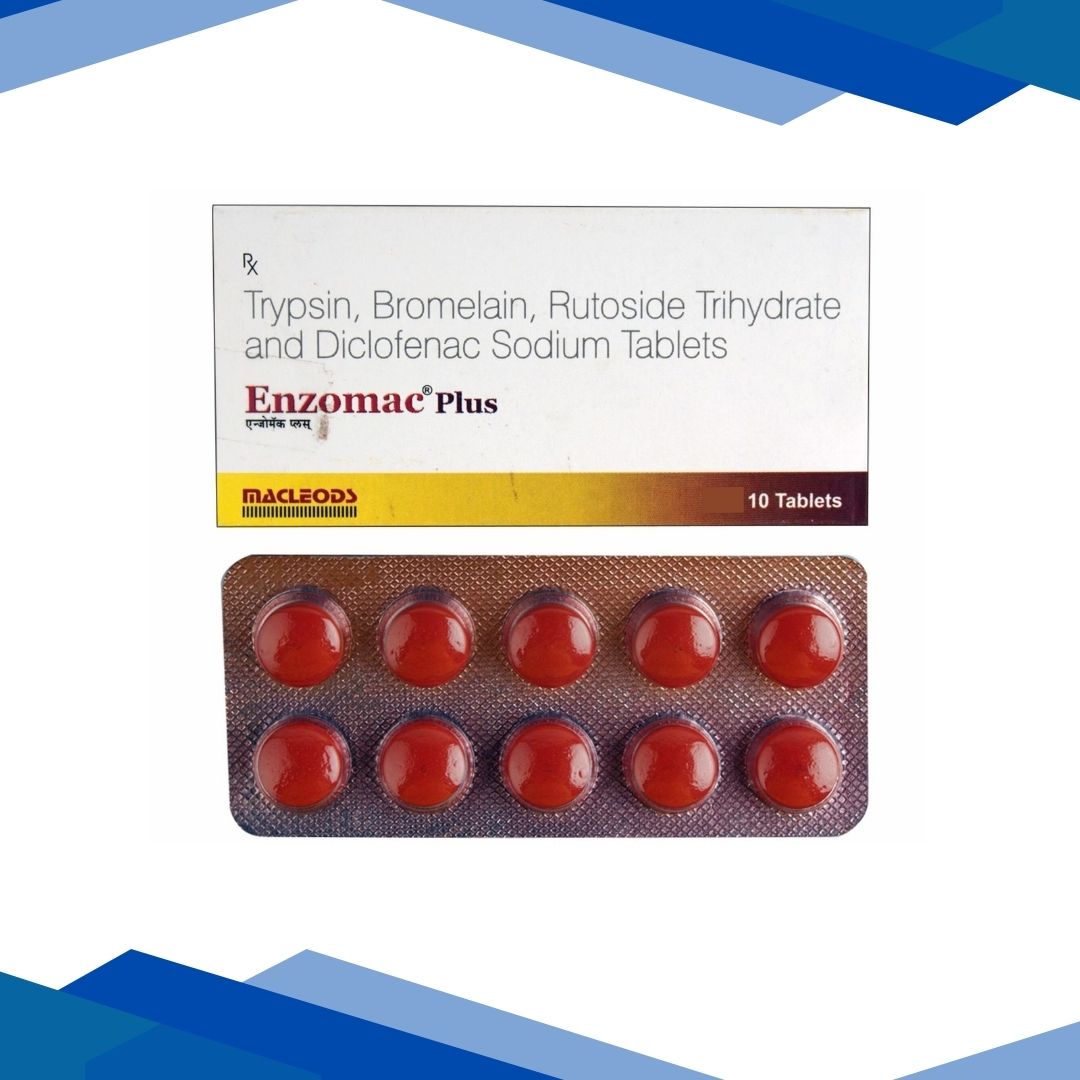
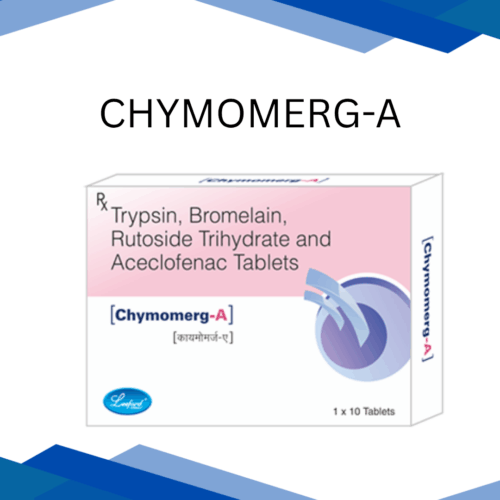
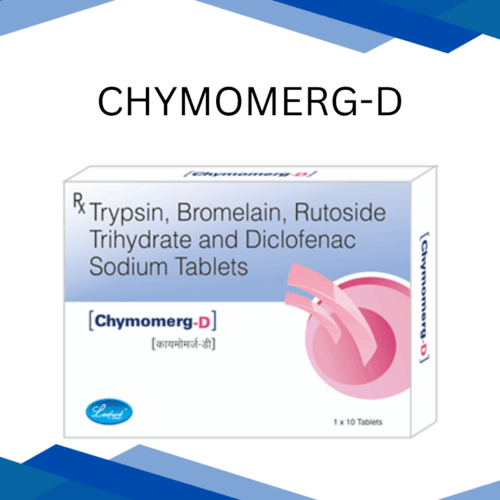
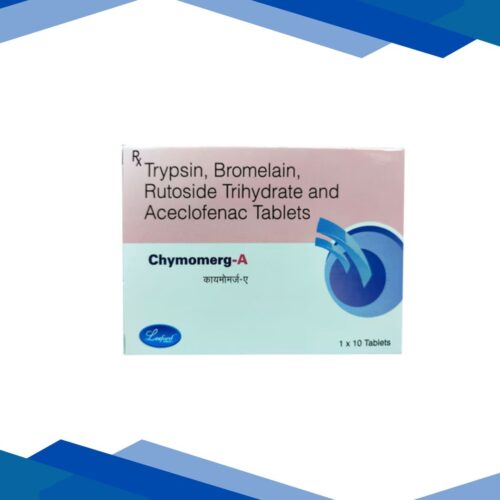
Bromelain
BROMELAIN
Overview:
Bromelain is a natural enzyme from pineapples that helps the body break down proteins. It can reduce swelling, inflammation, and pain, and also supports digestion by helping your body absorb nutrients better.It may be used to help lessen inflammation after accidents or operations. It may also have mild immune-boosting and blood-thinning effects. Bromelain comes in capsules, tablets, or powders.
Classification: Proteolytic enzyme
Uses:
- Reduces swelling and inflammation after injuries, surgery, or trauma
- May help in joint pain or arthritis by reducing inflammation
- Sometimes used to boost the immune system
- Supports digestion by helping break down proteins in the stomach
- Relieves sinusitis and nasal congestion
- May have mild blood-thinning effects, helping circulation
How it works:
Bromelain is a proteolytic enzyme that breaks down proteins into smaller peptides and amino acids. As a result, it reduces swelling and inflammation, clears mucus, and aids digestion. It may also modulate the immune system and prevent excessive blood clotting by mildly affecting platelet aggregation.
Dosage: As prescribed by your doctor.
Side Effects:
- Gastrointestinal issues – nausea, vomiting, stomach upset, diarrhea
- Rash, itching, or hives
- Bleeding risk – may slightly increase bleeding tendency, especially if combined with blood-thinning drugs
- Mouth or skin irritation in some cases
- Increased heart rate or dizziness
Precautions:
Bromelain should be used carefully. If you are allergic to pineapple or Bromelain, avoid taking it. People with bleeding problems or who are on blood-thinning medicines should be cautious, and it’s a good idea to stop taking it before surgery to reduce bleeding risk. Pregnant or breastfeeding women should use it only if a doctor recommends it, and those with stomach sensitivity or ulcers should take it carefully.
Disclaimer:This content is for informational purposes only. Always consult a healthcare provider for medical advice and proper dosage.
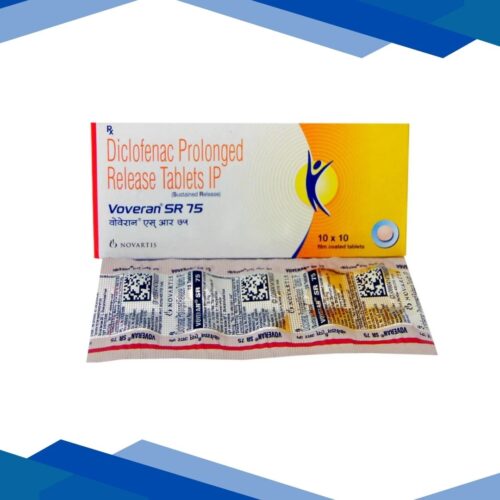
Diclofenac
Diclofenac
OVERVIEW
Diclofenac is a nonsteroidal anti-inflammatory drug (NSAID) used to treat mild-to-moderate pain
CLASSIFICATION
Anti-inflammatory drug (NSAID)
USES
Diclofenac is used for pain relief. It relieves pain in conditions like headache, mild migraine, muscle pain, dental pain, rheumatoid arthritis, ankylosing spondylitis, osteoarthritis, or painful menses.
HOW IT WORKS
It works by blocking the release of certain chemical messengers that cause pain and inflammation (redness and swelling)
DOSAGE
As directed by the physician
PRECAUTIONS
Before taking this drug, patients should keep the following points in mind:
The patient must tell the doctor if he/she is allergic to diclofenac, aspirin, NSAIDs (naproxen, ibuprofen, celecoxib) or any other drugs.
Inform the doctor about the medical history, particularly: asthma (having a history of shortness of breath after taking NSAIDs or aspirin), coagulation or bleeding problems, cardiac issues (such as a previous heart attack), liver disease, nasal polyps, intestinal or stomach problems.
It can cause kidney damage when used for prolonged periods. In the case of any existing kidney issues, the chances of kidney failure can increase with diclofenac consumption.
Inform the doctor about previous surgeries and drug prescriptions.
Do not drive after consuming this drug as it can cause dizziness and drowsiness.
It can cause stomach bleeding, and the risk can increase with the use of tobacco and alcohol.
Older people are at a high risk of intestinal and stomach bleeding, heart attack, and stroke when consuming this drug.
If you have high blood pressure or experience water retention, it’s crucial to inform your doctor before starting diclofenac. Adding an NSAID to your regimen can place extra strain on your heart, especially if it’s already working hard.
If you’ve had a prior ulcer or gastrointestinal bleeding, it’s advisable to consult your doctor before using diclofenac, as your risk for another bleeding episode is elevated.
For individuals with kidney issues or those taking diuretics (water pills), diclofenac use can potentially affect the kidneys’ ability to expel excess fluids. Discuss with your healthcare provider whether diclofenac is suitable for your situation.
If you have asthma and are sensitive to aspirin, there’s a possibility of a severe reaction to diclofenac. Prior to using this medication, it’s essential to have a conversation with your doctor.
SIDE EFFECTS
Nausea
Headache
Dizziness
Vomiting
Flatulence
Constipation
Diarrhea
Abdominal pain
Dyspepsia
Gastrointestinal bleeding
Gastrointestinal ulcer
Rash
Application site irritation
Injection site pain
DISCLAIMER
This content is for informational purposes only. Always consult a healthcare provider for medical advice and proper dosage.
Trypsin
TRYPSIN
Overview:
Trypsin is a natural enzyme your body makes to help digest proteins from the food you eat, turning them into smaller building blocks that your body can use for energy and growth. In medicine, it’s also used to gently clean wounds, reduce swelling, and support faster healing by clearing away damaged tissue so healthy tissue can grow.
Classification: Proteolytic enzyme
Uses:
Trypsin is a medication to help the body heal naturally. It aids in decreasing swelling, relieves pain and depletes damaged tissue permitting the body to heal faster. Doctors use it commonly after injuries, surgery or in wound care as it allows healing to occur less painfully, faster and smoothly, getting you back to normal life sooner.
How it works:
Trypsin acts through a process in which it breaks down dead proteins and tissues at the point of injury/inflammation in a gentle manner. This cleaning-up process removes dead or diseased tissue, decongests and makes blood circulate better in the area. That way it leaves the new cells with a better environment to grow, thereby accelerating healing and allowing you to recover more comfortably.
Dosage:
As prescribed by your doctor.
Side Effects:
Mild stomach discomfort
Nausea
Diarrhea
Skin rash or irritation
Rare allergic reactions
Precautions:
- Avoid use if you have a history of allergy to Trypsin or other enzymes.
- Use cautiously if you have bleeding disorders, as it may increase the risk of bleeding.
- Should not be used on infected or open wounds unless directed by a doctor.
- Pregnant or breastfeeding women should take it only under medical advice.
- Always follow the dose and instructions given by your healthcare provider.
Disclaimer:This content is for informational purposes only. Always consult a healthcare provider for medical advice and proper dosage.