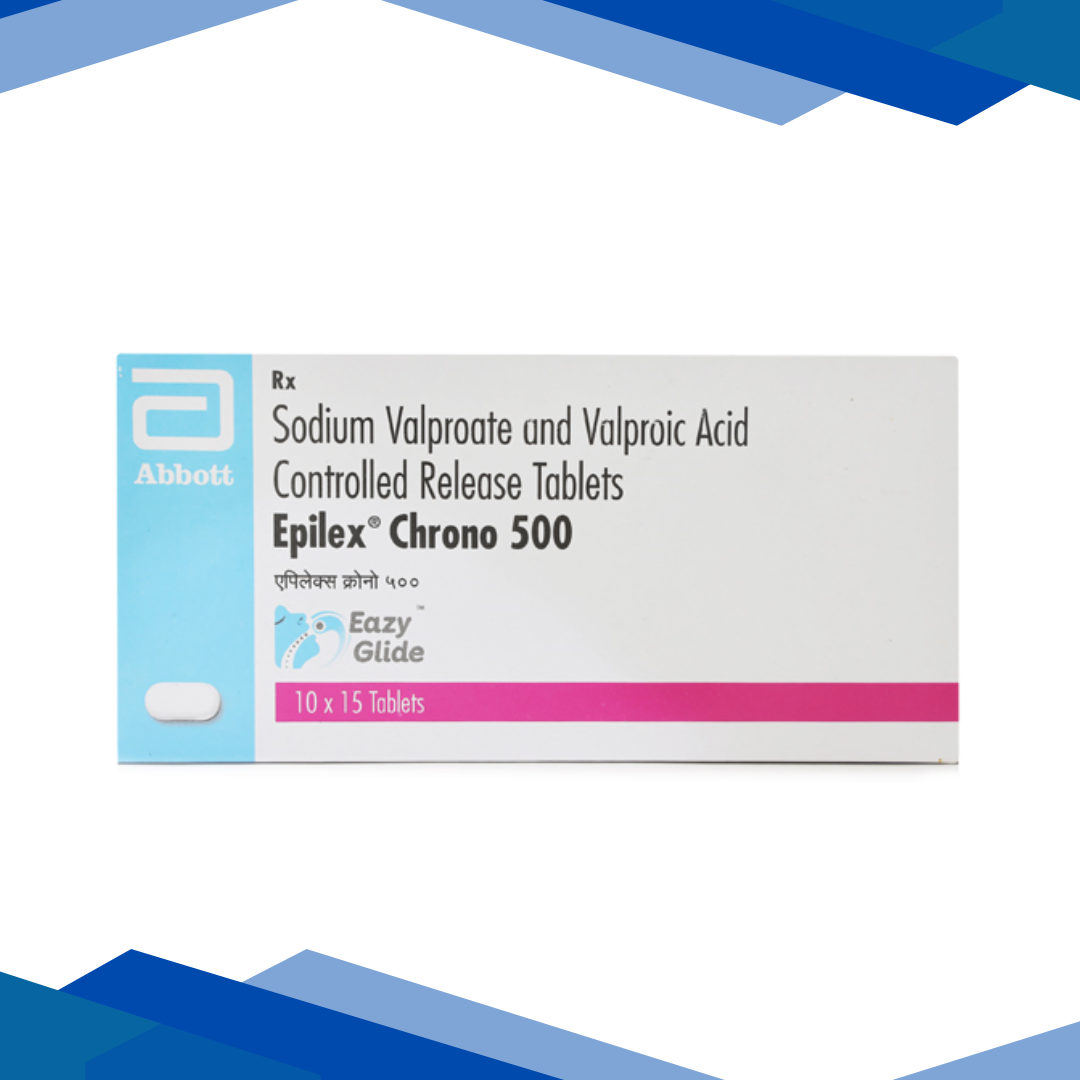
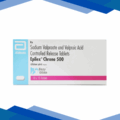
Sodium Valproate
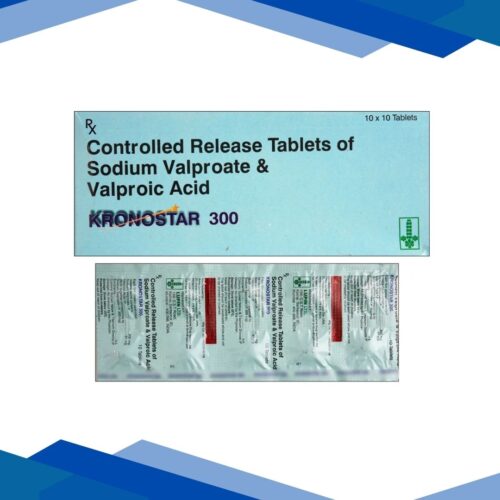
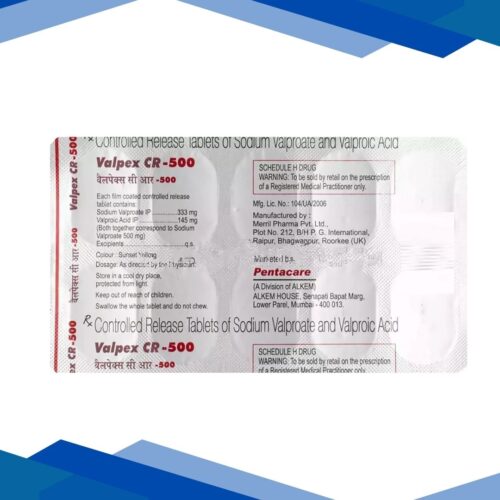
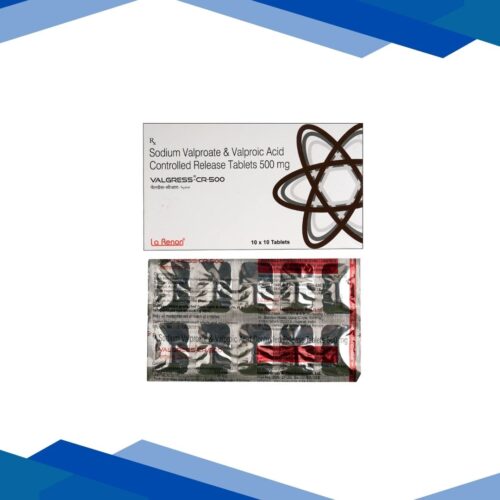
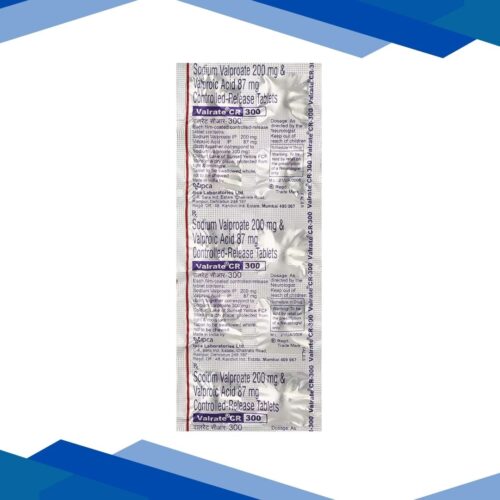
SODIUM VALPROATE
Overview:
Sodium valproate is a widely used medicine that helps control seizures, stabilize mood in bipolar disorder, and prevent migraine attacks. It works by increasing calming chemicals in the brain, which reduces overactive nerve activity and keeps brain function balanced. While effective, it requires regular monitoring because it can sometimes affect the liver, pancreas, or blood, and it is not safe during pregnancy.
Classification: Anticonvulsant
Uses:
Sodium valproate is used to control seizures in people with epilepsy, help stabilize mood in those with bipolar disorder, and prevent frequent migraine attacks.By regulating excessive brain signals, it supports a steadier day-to-day routine and reduces sudden episodes or mood swings.
How it works:
Sodium valproate works by increasing the levels of GABA, a natural calming chemical in the brain. This helps slow down overactive nerve signals, which controls seizures, stabilizes mood, and prevents migraines, keeping brain activity balanced and steady.
Dosage:
As prescribed by your doctor.
Side Effects:
- Nausea, vomiting, or stomach upset
- Drowsiness, dizziness, or fatigue
- Tremors (shakiness)
- Weight gain
- Temporary hair thinning or hair loss
Precautions:
When taking sodium valproate, regular check-ups are important to monitor the liver, pancreas, and blood. It should be avoided during pregnancy, and alcohol or other sedating medicines should be limited. It’s important not to quit the medicine on your own—careful supervision keeps treatment reliable and safe.
Disclaimer:This content is for informational purposes only. Always consult a healthcare provider for medical advice and proper dosage.
Valproic Acid
VALPROIC ACID
Overview:
Valproic acid is a medicine that helps control seizures, keep mood swings in balance for people with bipolar disorder, and even prevent migraines. It works by calming the brain’s overactive signals, which makes it useful in different conditions. Although it’s very effective, it needs regular health check-ups because it can sometimes affect the liver or blood, and it’s not safe during pregnancy.
Classification: Anticonvulsant
Uses:
Valproic acid is used to control different kinds of seizures in epilepsy, to keep mood swings stable in people with bipolar disorder, and to help prevent frequent migraine headaches. It helps regulate brain signals, supporting a calmer mind and a more stable routine for those affected.
How it works:
Valproic acid works by boosting the level of a natural calming chemical in the brain called GABA. GABA helps slow down overactive signals in the brain, which is why this medicine can control seizures, ease mood swings, and even prevent migraines.By keeping this balance, valproic acid allows the brain to function more smoothly and evenly, preventing sudden spikes that lead to problems.
Dosage:
As prescribed by your doctor.
Side Effects:
- Nausea, vomiting, or stomach upset
- Drowsiness or dizziness
- Tremors (shakiness)
- Weight gain
- Increased appetite
Precautions:
When using valproic acid, regular check-ups are important because it can sometimes affect the liver, pancreas, or blood. It should be avoided during pregnancy due to risks to the baby, and alcohol or other sedating medicines should be limited.Never stop taking it without consulting your doctor—proper follow-up ensures the treatment works well and avoids risks.
Disclaimer:This content is for informational purposes only. Always consult a healthcare provider for medical advice and proper dosage.