

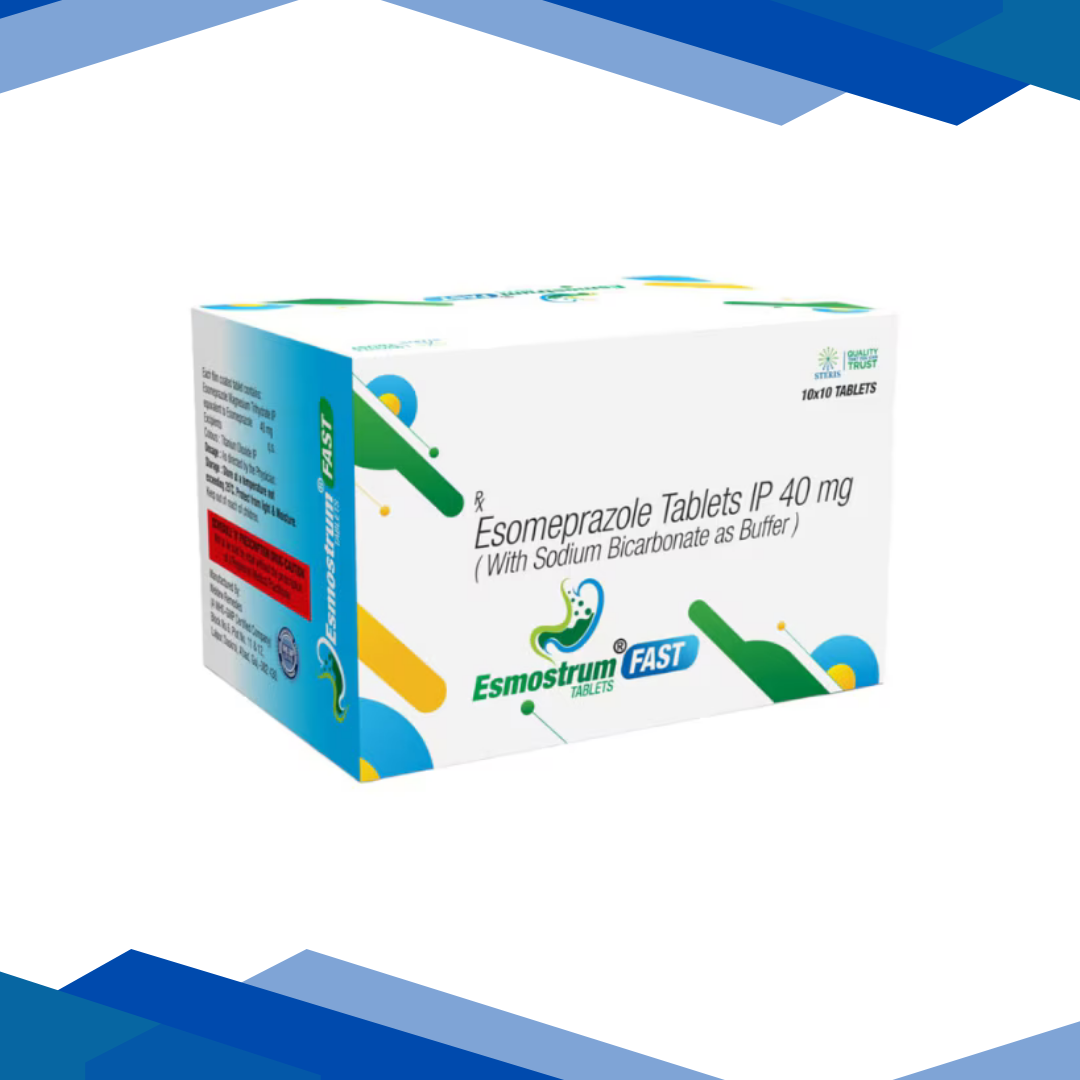
Esmostrum Fast
No Prescription yet? Don’t worry! Click Here to Get Online Consultation
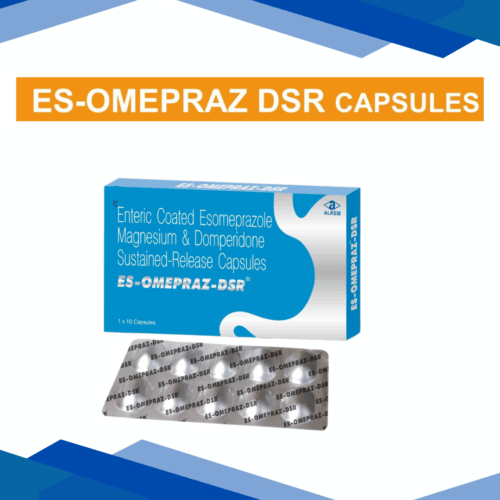
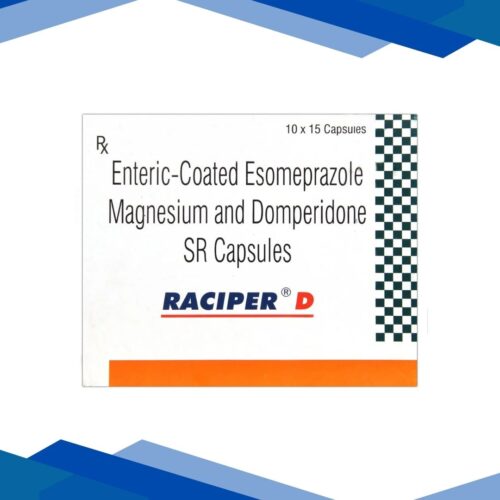
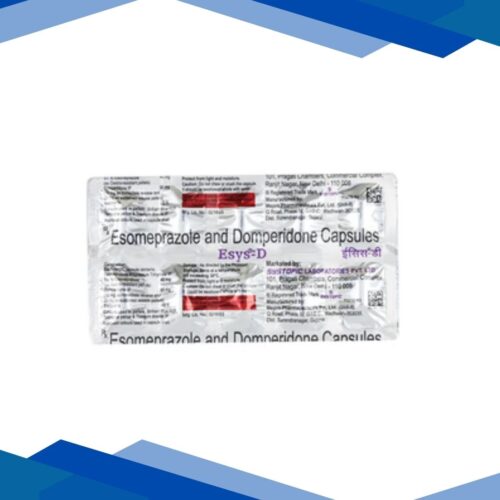
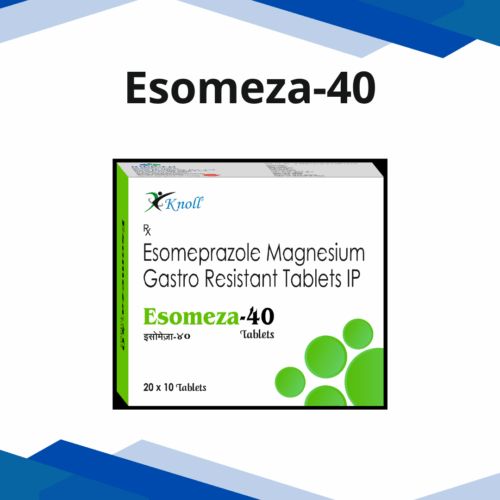
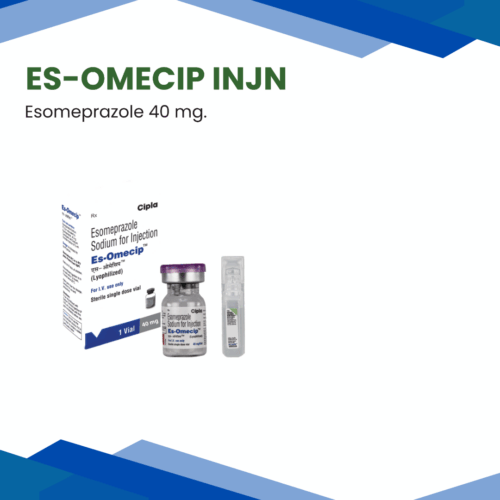
Esomeprazole
Esomeprazole is a powerful gastric acid reflux inhibitor (PPI) that functions to control conditions caused by excess stomach acid secretion. It is an "S-isomer" (a purified structure designed for more targeted and prolonged acid suppression). Esomeprazole works by stopping acid production at its source, allowing the damaged lining of the stomach and esophagus to heal from irritation and corrosion.
Mechanism of Action: Pump Blockade
Selective Action: The drug inhibits the $H^+/K^+$-ATPase enzyme system (acid pump) at the secretory surface of gastric parietal cells.
Environment of Healing: By maintaining a higher gastric pH, it creates a favorable environment for healing erosive esophagitis and peptic ulcers.
NSAID Protection: Patients taking NSAIDs like Ibuprofen or Naproxen are often prescribed Esomeprazole to prevent gastric irritation and ulcer formation.
Quick Briefing About the Product
Feature
Details
Drug Class
Proton Pump Inhibitor (PPI)
Common Forms
Tablets, Delayed-Release Capsules, Injections
Standard Strengths
20 mg and 40 mg
Dosage Timing
At least 30–60 minutes before breakfast
Prescription
Schedule H Drug
Primary Medical Indications
GERD (Gastroesophageal Reflux Disease): Helps relieve persistent heartburn and acid regurgitation.
Erosive Esophagitis: Promotes healing of the esophageal lining damaged by acid.
Peptic Ulcers: Used in treating gastric and duodenal ulcers, especially those linked to H. pylori infection.
Zollinger–Ellison Syndrome: Manages rare conditions involving excessive acid production.
Common Brands in India
Esomeprazole is widely used in India for gastrointestinal care. Popular brands include:
Nexpro (Torrent Pharmaceuticals)
Esomac (Cipla)
Sompraz (Sun Pharma)
Izra (Zydus Cadila)
Esole (Leeford)
Directions & Safety
The "Golden Rule" of Taking PPIs:
Esomeprazole works best when taken on an empty stomach. Taking it with food reduces its effectiveness because acid pumps are already active before the drug can act.
Patient Counselling
Consistency is key. Take the medication at the same time daily for best results. Avoid unnecessary combination with other medicines unless prescribed.
Precautions & Interactions
NSAIDs: Use alongside Esomeprazole may help reduce gastric side effects.
Antibiotic Therapy: Often used in combination therapy (e.g., with Amoxicillin or Clarithromycin) for H. pylori eradication.
Long-Term Use: May lead to vitamin B12 deficiency, magnesium depletion, or bone-related issues—monitoring is advised.
Frequently Asked Questions (FAQs)
1. How does Esomeprazole differ from Omeprazole?
Esomeprazole is the S-isomer (more refined form) of Omeprazole, offering better acid control and longer duration of action.
2. Can Esomeprazole be taken as needed for heartburn?
No. It is not a quick-relief antacid. It may take 1–4 days to achieve full effect.
3. What should I do if I miss a dose?
Take it as soon as you remember. If it’s close to the next dose, skip the missed one. Do not double the dose.
4. Does coffee affect Esomeprazole?
Caffeine may relax the lower esophageal sphincter and worsen reflux. It is best to limit coffee intake during treatment.
5. Is it used with antibiotics?
Yes. It is commonly part of triple therapy for H. pylori infection, enhancing antibiotic effectiveness by reducing stomach acidity.
Disclaimer:
This content is for informational purposes only. Esomeprazole is a prescription medicine. Always consult a qualified healthcare professional before starting or modifying treatment.
Sodium Bicarbonate
500mg Sodium Bicarbonate Tablet
Sodium Bicarbonate is an alkalizing agent distributed systemically while being used for conditions linked with excessive acidity of the body. Its main use area is that it provides immediate relief from symptoms associated with acid reflux, acid indigestion, and sour stomach. In the hospital, sodium bicarbonate is used for the treatment of metabolic acidosis in patients with chronic kidney disease and for the alkalinization of urine to promote its excretion to aid in the treatment of certain toxins or medications.
Therapeutic Uses
Quick Antacid Relief: Helps neutralize excess stomach acid to relieve heartburn.
Ability to maintain pH: Helps maintain a proper pH balance in the presence of renal impairment.
Urine Alkalinization: Helps reduce the formation of uric acid stones in the kidney by developing more base in the urine thereby getting rid of certain toxic or dangerous substances.
Indigestion: Assists with light-and not heavy-stomach feelings often caused by overindulgence on overly acidic foods or drinks.
How It Works
Sodium Bicarbonate is a vital compound. Upon ingestion, it reacts with the excessive HCl acid in the stomach. This process causes an eventual breakdown and release of wastewater, carbon dioxide, and a type of salt. The net result of this reaction is the increase in the concentration of the basic content of stomach and blood respectively, thus neutralizing acidity and promoting good chemical balance.
Key Features
Very Fast Acting: Can go to work within minutes of ingestion.
Available in Different Forms: Tablets are the main form of delivery, with injections available for severe clinical conditions.
Potent pH Buffer: Key therapy for supporting acid-base homeostasis.
Usage & Dosage
Adult Dosage: Indigestion use requires 325–2000mg per day in the range one to four tablets, as ordered. This dose can be repeated 1–3 times a day as ordered by your doctor.
Administration: Swallow tablets whole with water. It is not advisable to take it after a very large meal (on a full stomach); the sudden release of gas may produce rapid discomfort.
Duration: This medication does not need to be used for more than 2 weeks without the doctor's prescription.
Side Effects
With normal dosage, the side effect will be mild, such as:
Thirst
Cramps in the stomach and bloating
Belching or gas
Nausia
Not Common: If you experience or feel any severe headaches, loss of appetite, or vascular edema in the feet/ankles, contact your health care provider immediately, as it may lead to "Milk-Alkali Syndrome" or high sodium levels.
Precautions and Warnings
High Sodium Content: Each tablet contains a lot of sodium. Patients with salt-restriction diet or any condition with reduced heart function should be extremely careful on its usage.
Concern for Kidney Health: Inform your doctor if you have serious chronic kidney disease as the body's ability to clear excess bicarbonate may be impaired.
Interactions: The Sodium Bicarbonate tablets can affect the absorption of other medications. Do not take it within two hours after taking other medicines, especially those that contain substances like tetracyclines, iron supplements, or thyroid medications.
Pregnancy: Take it only when you definitely need it, and shall only be prescribed by a doctor.
Frequently Asked Questions (FAQ)
Q: Can I use Sodium Bicarbonate regularly for heartburn?
At a pinch, it can be used occasionally. However, persistent or everyday heartburn is not ideal. Please consult with a gastroenterologist for a long-term management plan if you're reliant on antacids twice or more a week.
Q: Is it the same as baking soda?
It is chemically the same as baking soda (NaHCO₃), but medicinal Sodium Bicarbonate tablets are produced under strict standards of pharmaceutical "Good Manufacturing Practices" (GMP). This guarantees purity, proper dosage, and the absence of impurities that could be present in industrial or household varieties.
Q: Why do I get this bloat after consuming it?
The tablet reacts with the acid within the stomach and results in the production of carbon dioxide. This gas can lead to a temporary sense of bloating or belching. Drinking plenty of water while taking the medication may help reduce any sort of bloating.
Q: Can Sodium Bicarbonate affect my blood pressure?
Yes, as it contains sodium. High sodium intake can result in water retention and thus can lead to an increase in blood pressure in people susceptible to such an effect.
Q: On an empty stomach, is that how it should be taken?
Preferably, Sodium Bicarbonate is taken one to two hours after meals. It is best not to take it when your stomach is very full, as rapid gaseous formation may create chances of gastric injury.
Storage
Store it in a dry place with temperatures between 59 and 86°F (15–30°C). Make sure that the container remains tightly sealed, as high humidity can degrade the tablets.
Disclaimer: This content was written for informational purposes. It is important that you talk to a licensed medical practitioner if you feel that any of the substances described in this article can be useful to you, especially if you have existing heart or kidney conditions.
At Gem Pharmacy, we make every effort to provide accurate, expert-written, and thoroughly reviewed information related to medicines. However, this information should not be considered a substitute for professional medical advice, diagnosis, or treatment from a qualified doctor.
The purpose of this information is to educate users and improve communication between patients and healthcare professionals. It should not be used to diagnose or treat any condition.
Always consult a certified healthcare professional before taking any medication.


Related products