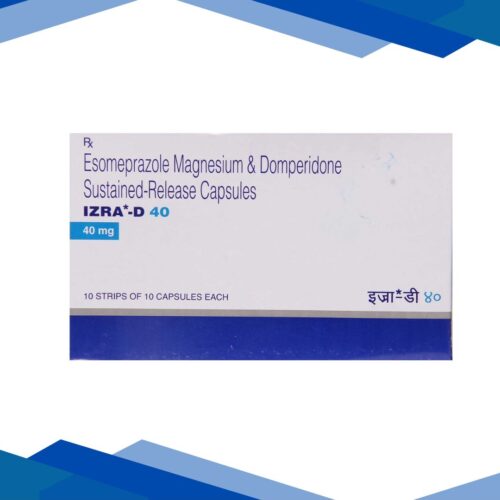
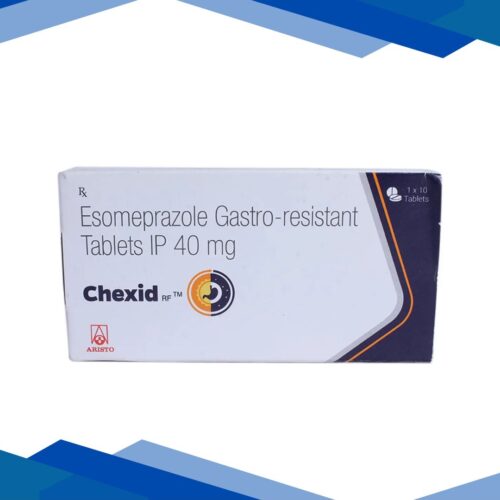
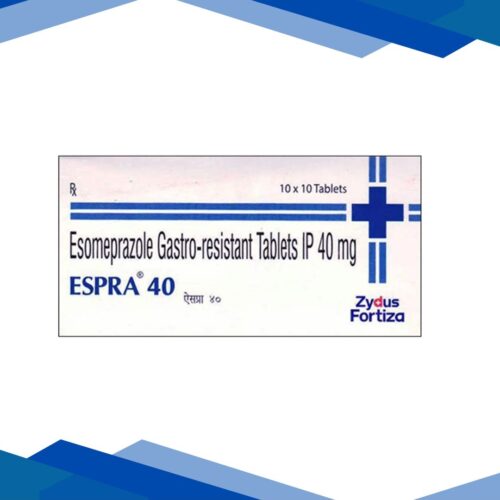
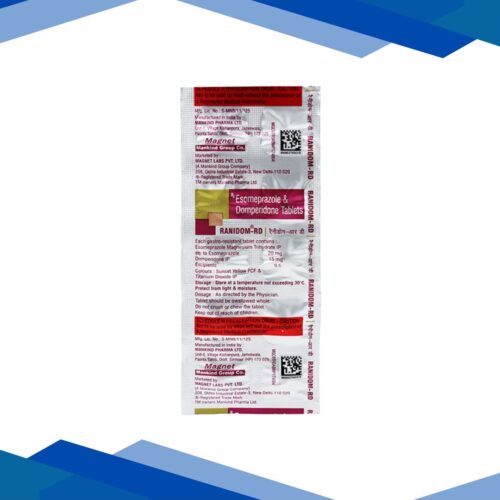
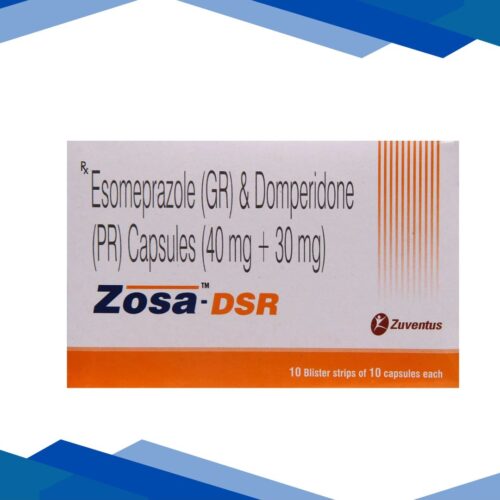
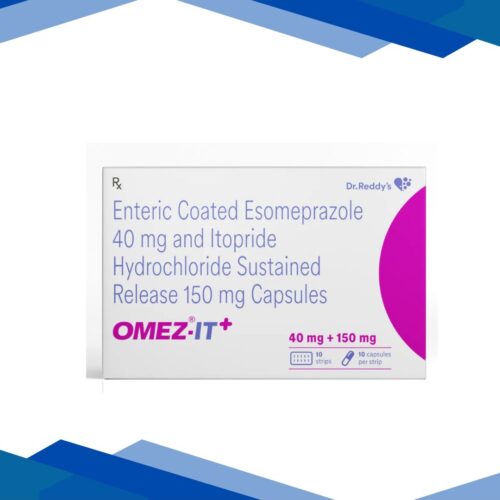
Esomeprazole
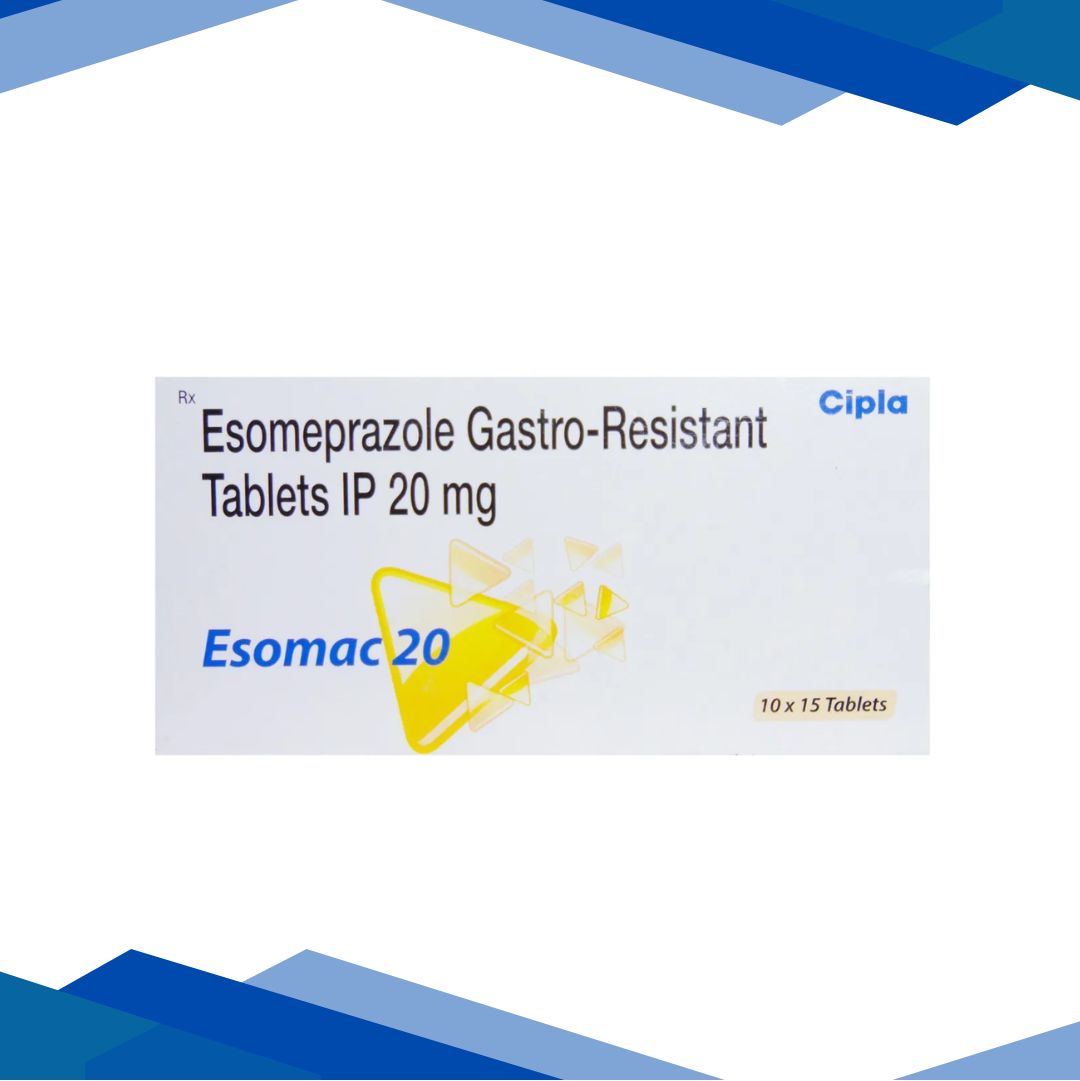
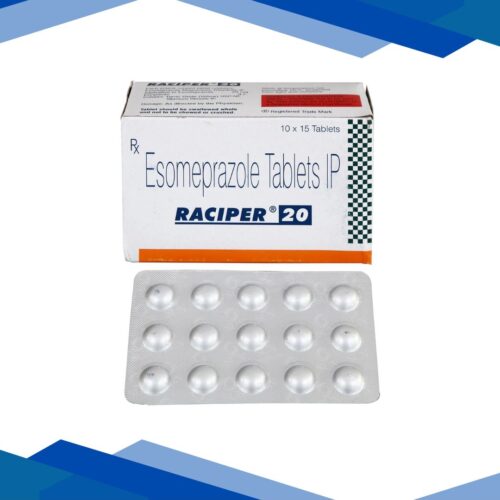
Esomeprazole 40mg Tablets
Esomeprazole is a widely trusted Proton Pump Inhibitor (PPI) which reduces the amount of acid the stomach produces. It is the first choice for conditions associated with increased acidity, such as Gastro-Oesophageal Reflux Disease (GERD), stomach ulcers, and Zollinger-Ellison Syndrome. By lowering acid levels, this allows the esophagus and stomach lining to heal from irritation or erosion.
Therapeutic Uses
Relief From Heartburn: Provides long-lasting heartburn relief by reducing the burning sensation in the chest and throat.
Healing Erosive Esophagitis: Helps heal the food pipe (esophagus) from damage caused by repeated acid reflux.
Protection against Ulcer: Frequently prescribed along with NSAIDs (painkillers) to protect against stomach ulcers.
H. Pylori Eradication: Used as part of combination therapy to eliminate Helicobacter pylori bacterial infection in the stomach.
Directions for Use
When to take: Esomeprazole should be taken about 1 hour before a meal for optimal results, ideally in the morning.
Administration: Swallow the tablet whole with water. Do not crush or chew it, because the tablet is designed for gradual release in the body.
Consistency: Continue taking the medication for the full duration prescribed by your physician, even if symptoms improve within the first few days.
Important Precautions
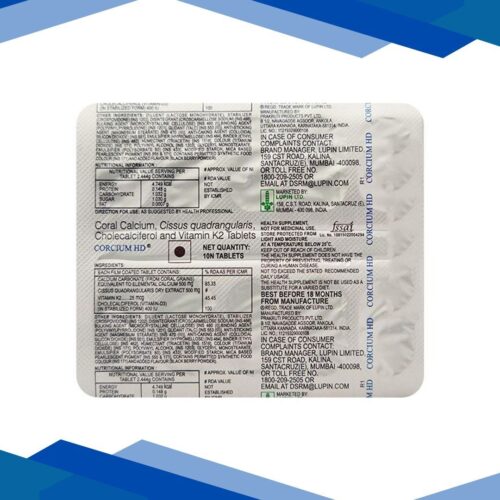
Expert Tip: Long-term use of PPIs (more than one year) may slightly increase the risk of bone thinning. Consult your doctor about Vitamin D or Calcium supplements if you are on prolonged treatment.
Kidney Health: Inform your doctor if you have a history of kidney disease.
Magnesium Levels: Prolonged use may reduce magnesium levels, so your doctor may monitor it through periodic blood tests.
Pregnancy/Breastfeeding: Use only if the benefits outweigh potential risks and after consultation with your healthcare provider.
Side Effects & Management
Most patients experience no serious side effects, though some may notice:
Headache (common)
Dry mouth or nausea
Stomach ache or bloating
Loose stools or constipation
Note: If you develop persistent fever with severe watery diarrhea, seek medical attention immediately.
Frequently Asked Questions
Q: Is Esomeprazole safe for daily use?
A: Yes, but only when prescribed by a healthcare provider. It is usually recommended for short-term treatment (4–8 weeks). If long-term use is needed, your doctor may evaluate the underlying cause of acidity.
Q: How does Esomeprazole differ from Omeprazole?
A: Esomeprazole is the S-isomer of Omeprazole. Some studies suggest that Esomeprazole may act faster and provide stronger acid suppression, although both medications are effective in treating GERD.
Q: Can I take antacids with Esomeprazole?
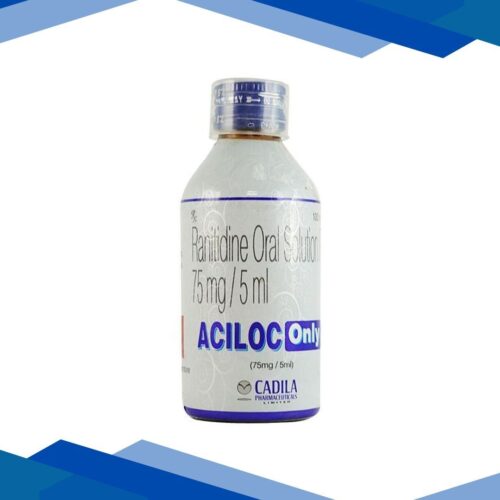
A: Yes, antacids may be used for immediate relief, but it is advisable to keep a gap of about 2 hours between antacids and Esomeprazole.
Q: Will it interact with my other medications?
A: Esomeprazole may affect the absorption of certain drugs such as Ketoconazole, iron supplements, and some HIV medications. Always inform your doctor or pharmacist about all medications you are taking.
Q: What should I do if I miss a dose?
A: Take the missed dose as soon as you remember, unless it is close to the next scheduled dose. In that case, skip the missed dose and continue your regular dosing schedule. Do not take a double dose.