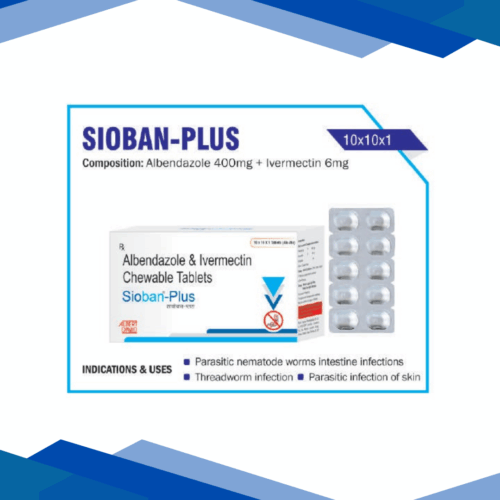
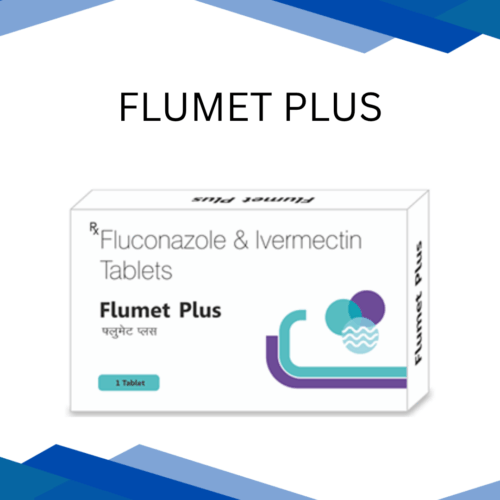
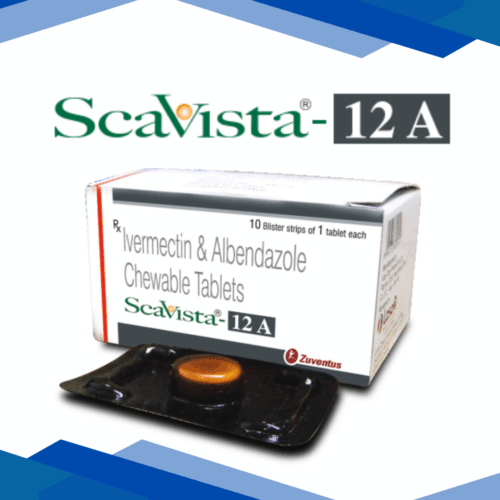
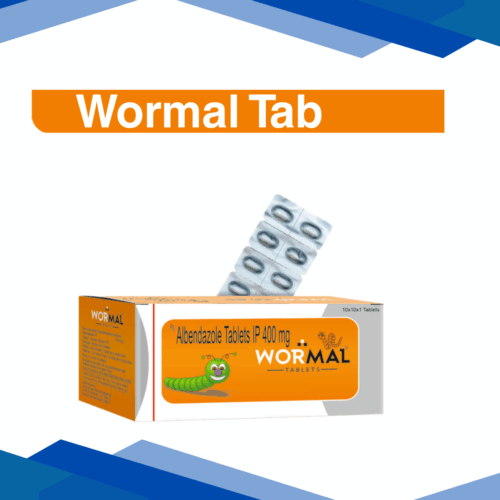
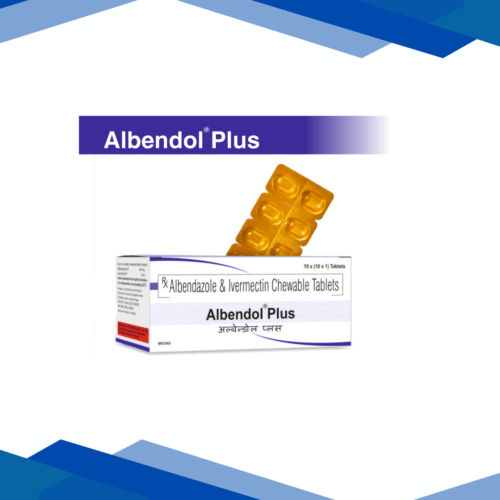
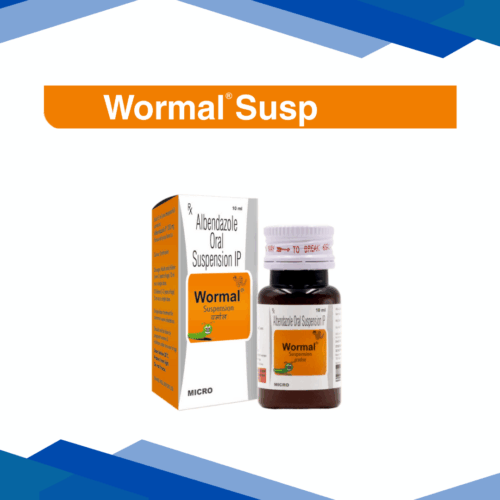
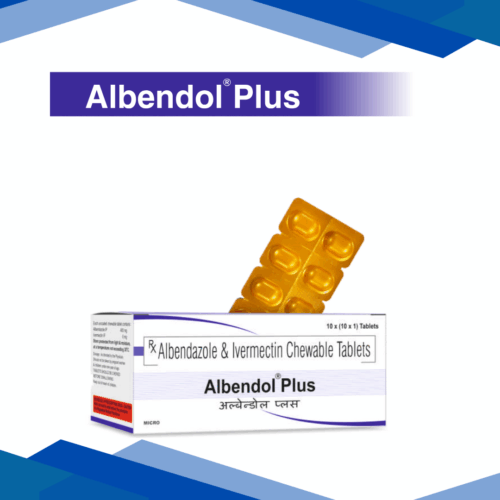
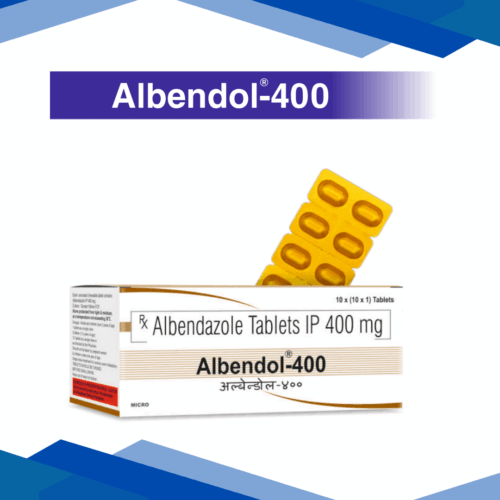
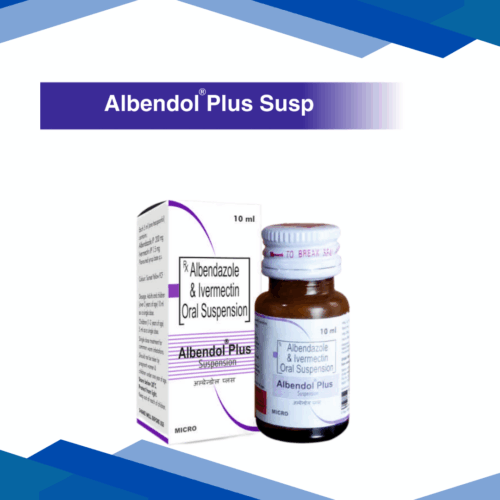
Albendazole
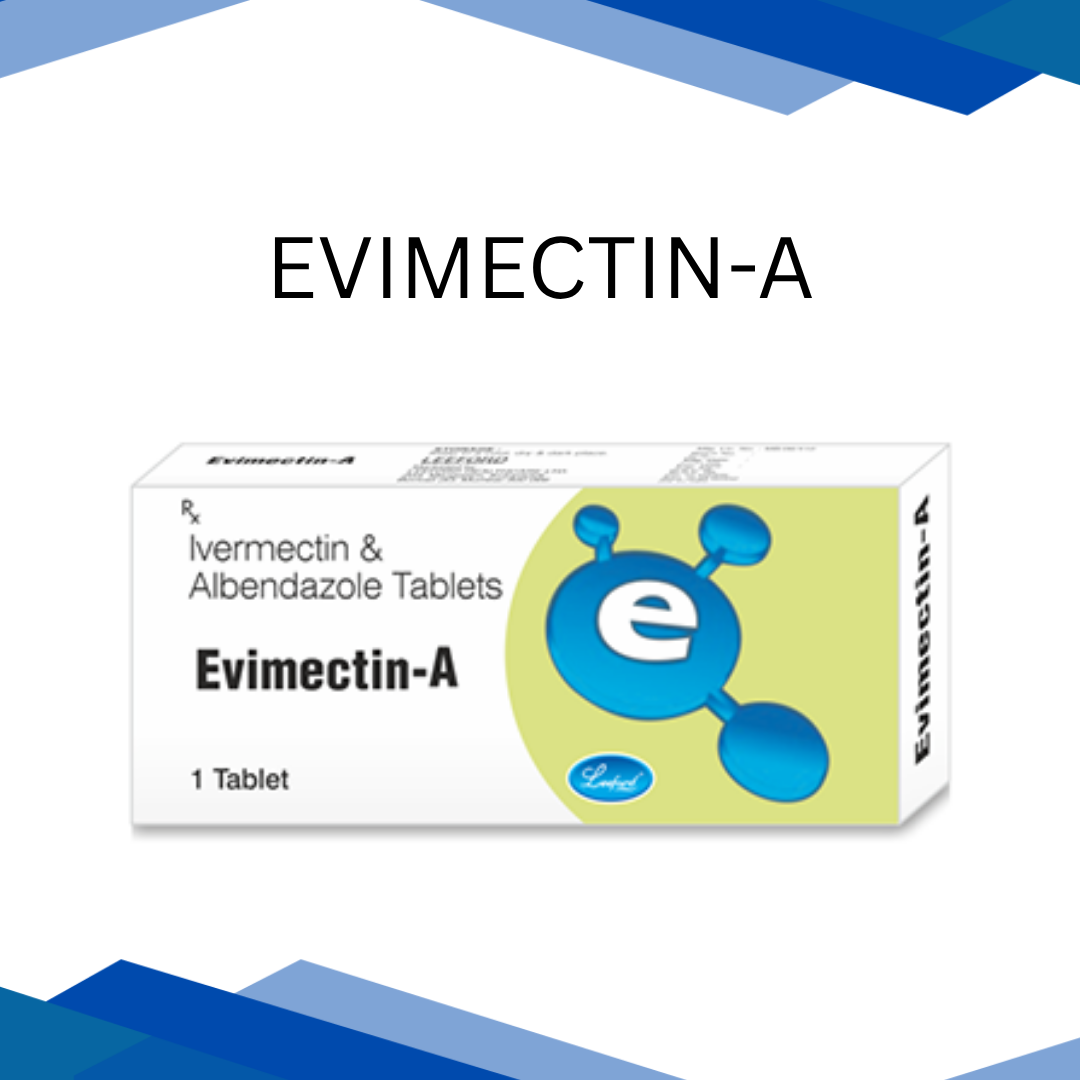
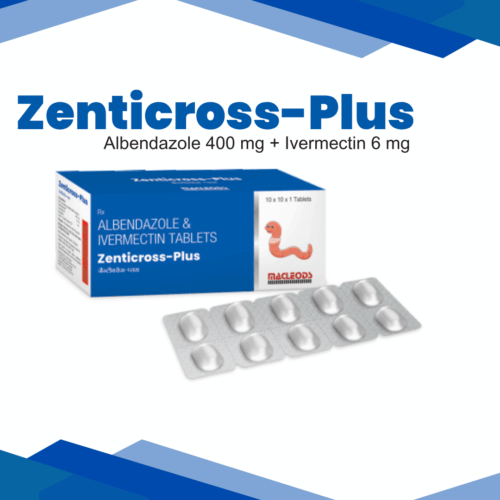
ALBENDAZOLE
Overview:
Albendazole is an antiparasitic medication, also known as an anthelmintic. It belongs to a group of drugs used to treat infections caused by worms and other parasites.
Classification: Antiparasitic
Uses:
Albendazole is used to treat a variety of parasitic worm infections, including:
Tapeworm infections (like neurocysticercosis and hydatid disease)
Roundworm infections
Hookworm
Whipworm
Pinworm
It’s commonly used in both children and adults, especially in areas where these infections are more common.
How It Work:
Albendazole works by preventing the parasites from absorbing the sugar (glucose) they need to survive. Without energy, the worms die and are eventually cleared from the body through the digestive system.
Dosage: As prescribed by your doctor.
Side Effects:
chest pain.
pinpoint red spots on the skin.
sore throat.
sores, ulcers, or white spots on the lips or in the mouth
Black, tarry stools.
bleeding gums.
blood in the urine or stools.
Precautions:
Pregnancy: Albendazole is not recommended during pregnancy, especially the first trimester, unless absolutely necessary. Women of childbearing age should use effective birth control while on this medication and for a few weeks afterward.
Liver health: Because albendazole is processed by the liver, people with liver problems should use it with caution. Doctors may monitor liver function with blood tests.
Long-term use: If you’re taking albendazole for more than a few days, your doctor might check your blood counts and liver function regularly.
Drug interactions: Always tell your doctor about any medications or supplements you’re taking, as some drugs may affect how albendazole works.
Allergies: Let your doctor know if you’ve ever had an allergic reaction to albendazole or similar medications.
Disclaimer:
This content is for informational purposes only. Always consult a healthcare provider for medical advice and proper dosage
Ivermectin
Jojoba Oil (Simmondsia Chinensis)
An extraordinarily close relative of human sebum, jojoba oil is technically a liquid wax ester derived from the seeds of Simmondsia chinensis, not a true oil. This unique composition gives it a special place in dermatology and hair care. Rich in fatty acids similar to natural skin oils, it allows deep penetration without leaving a greasy residue or clogging pores.
Jojoba Oil—Why It Works
Non-Comedogenic: Rated 2 on the comedogenic scale, making it suitable for oily and acne-prone skin.
High Stability: Highly resistant to oxidation, preventing rancidity and extending shelf life without preservatives.
Nutrient-Rich: Contains Vitamin E, B-complex vitamins, zinc, and copper, which support skin repair and rejuvenation.
Top Therapeutic Benefits
1. Advanced Skin Hydration
Jojoba oil acts as a humectant, forming a protective barrier that locks in moisture. Because it mimics sebum, it helps regulate oil production, signaling the skin to reduce excess greasiness.
2. Health of Hair and Scalp
Effective for dandruff and dry scalp, it helps dissolve excess sebum buildup around hair follicles, promoting a healthy scalp environment and enhancing natural shine.
3. Anti-inflammatory Effects
Contains myristic acid, which provides a soothing effect on irritated skin. Useful for conditions like eczema, psoriasis, and as a post-shave treatment.
How to Apply Jojoba Oil
For Face: Apply 2–3 drops on damp skin after cleansing. Can be used as a night moisturizer or mixed with a cream.
For Hair: Massage into the scalp 30 minutes before washing, or apply a drop to hair ends to reduce frizz.
Carrier Oil: Ideal for diluting essential oils like tea tree oil or lavender oil before topical use.
Safety & Storage
Usage Note: For external use only. Though generally non-allergenic, perform a patch test before first use.
Storage: Keep in a cool, dark place to preserve its bioactive properties.
More Questions? (FAQs)
Q: Is jojoba oil good for oily and acne-prone skin?
A: Yes. Because it mimics natural skin oil (sebum), it helps regulate oil production and reduces pore clogging.
Q: Can I use jojoba oil to remove makeup?
A: Yes, it works as a natural makeup remover, effectively breaking down waterproof products while nourishing the skin.
Q: Does it contain additives or fragrance?
A: Pure jojoba oil is typically 100% natural, free from additives, chemicals, or artificial fragrances.
Q: How does jojoba oil compare to argan oil?
A: Jojoba oil mimics sebum and is ideal for oily skin, while argan oil (rich in triglycerides) is better suited for dry or mature skin.
Q: Will it make my hair greasy?
A: Not if used correctly. It absorbs into the hair shaft rather than sitting on the surface. Use only 1–2 drops for a smooth, non-greasy shine.