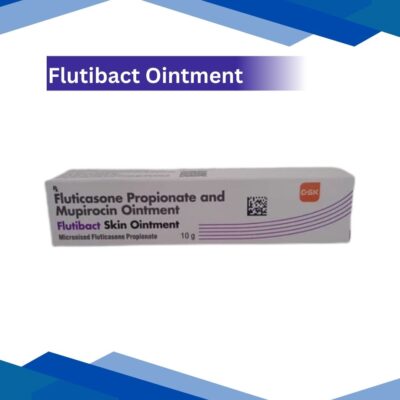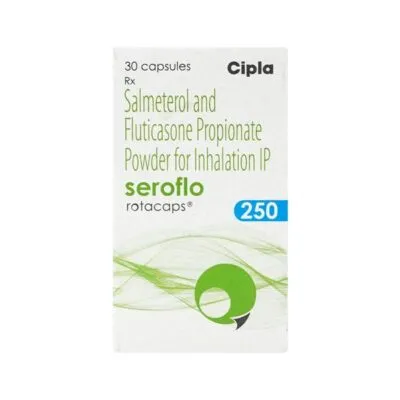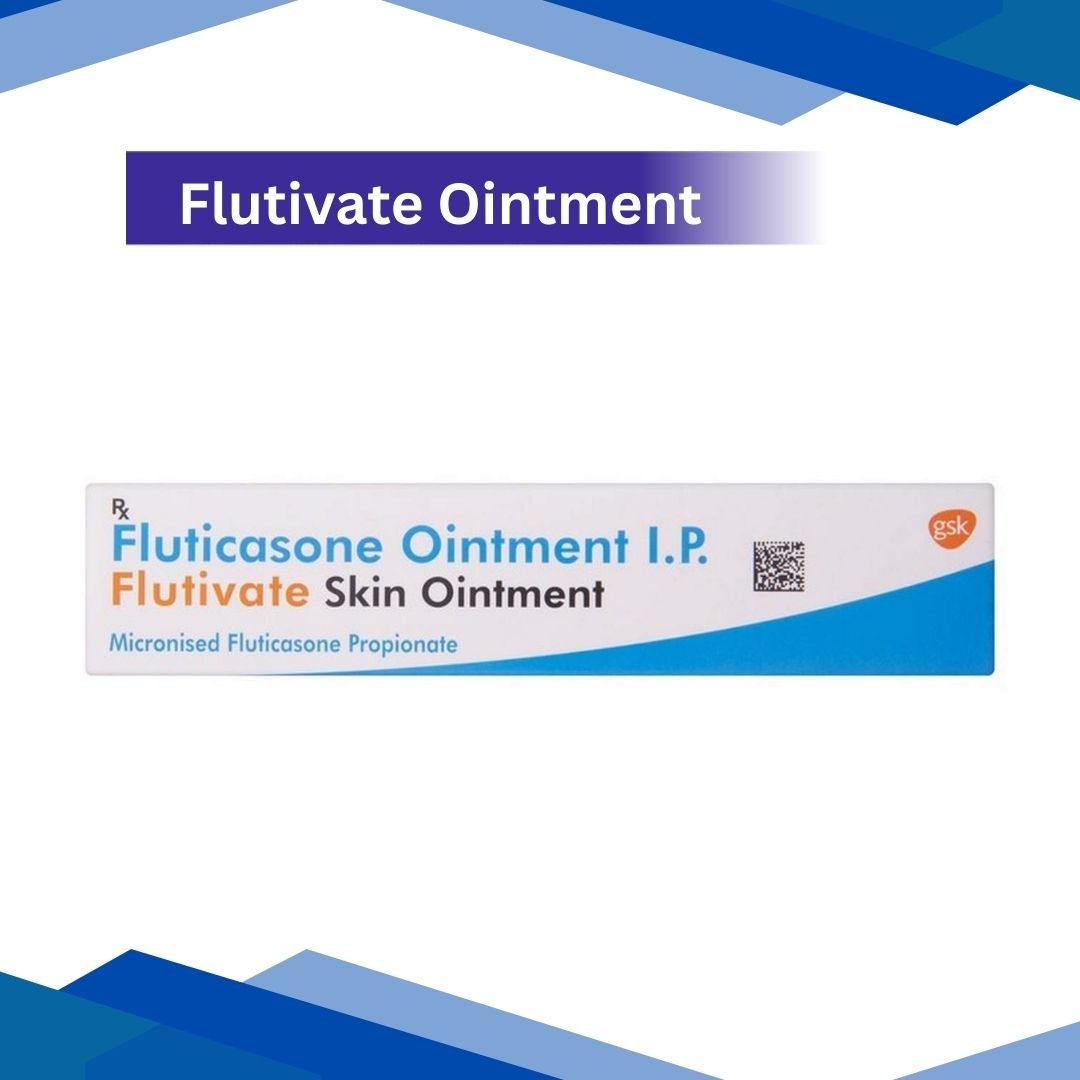
Flutivate Ointment
No Prescription yet? Don’t worry! Click Here to Get Online Consultation
Flutivate Ointment is used to manage inflamed skin, redness and itching in several skin problems not caused by germs and responsive to corticosteroids such as eczema, dermatitis, or insect bites. For more details Kindly click on Medicine Salts below:
Fluticasone
Fluticasone (Generic Overview)
Fluticasone is this very potent synthetic glucocorticoid (corticosteroid), designed so it can act more directly and quietly in tissues, giving targeted anti-inflammatory effects. You can find it in local delivery formats like nasal sprays, inhalers, and topical ointments. By calming down immune activity right at the tissue level, it becomes a gold standard option for long term respiratory allergies, asthma upkeep, and also localized skin inflammation, even when the symptoms keep returning.
Therapeutic Class: Corticosteroids.
Pharmacological Class: Glucocorticoid Receptor Agonist.
Common Available Forms: Metered-Dose Nasal Spray ($0.05%$), Dry Powder Inhalers (DPI), Metered-Dose Inhalers (MDI), and Topical Creams/Ointments ($0.05%$).
Prescription Status: Schedule H (Rx Required).
Primary Uses & Clinical Benefits
1. Advanced Relief from Allergic Rhinitis (Nasal Spray)
Fluticasone nasal spray works locally inside the nasal mucosa, mainly for seasonal and perennial allergic rhinitis, also called hay fever. It helps with: persistent nasal stuffiness and blockage, frequent sneezing and runny nose (rhinorrhea), and itchy watery eyes linked with airborne allergens like pollen, dust mites, or pet dander.
2. Maintenance Treatment for Chronic Asthma (Inhaler)
With an inhaler, fluticasone acts as a daily preventive (prophylactic) therapy. It lowers the frequency and intensity of asthma flares by controlling chronic airway hyper-responsiveness.
3. Management of Inflammatory Skin Disorders (Topical)
When it is used as a cream or ointment, fluticasone propionate targets localized, corticosteroid-responsive dermatoses. It reduces the strong itch, scaling, and redness connected with atopic eczema, psoriasis, and allergic contact dermatitis.
Mechanism of Action: How It Works
Fluticasone moves through cell membranes and attaches to intracellular glucocorticoid receptors with high affinity. After activation, the drug-receptor pair translocates into the cell nucleus where it changes gene transcription.
It downregulates pro-inflammatory cytokines, chemokines, and arachidonic acid metabolites like prostaglandins and leukotrienes. At the same time, it blocks inflammatory cell movement, including eosinophils, neutrophils, and mast cells, to the affected area. That combination reduces swelling, mucus overproduction, and localized itch.
Administration Guidelines by Formulation
Nasal Spray Protocol
Gently blow your nose first, to clear your nostrils, before you begin. Shake the bottle thoroughly, remove the protective cap. Tilt your head a little forward, put the applicator into one nostril, and aim the nozzle outward toward your ear, away from the central nasal septum. Press down firmly on the pump while breathing in slowly through your nose. Repeat in the other nostril, as prescribed.
Inhaler Protocol
Exhale completely, away from the device. Put the mouthpiece between your lips, then inhale deeply while releasing the dose. Hold your breath for up to 10 seconds, so the medication particles can settle deep in the lungs.
Crucial Step: Rinse your mouth thoroughly with warm water and spit it out after every inhalation cycle. Do not swallow the rinse water.
Potential Side Effects & Adverse Reactions
Because fluticasone is made for localized delivery, systemic absorption is minimal, so major side effects are uncommon at proper therapeutic doses.
Formulation-Specific Side Effects
Nasal Spray Use: Mild nosebleeds (epistaxis), brief nasal burning, dryness, throat irritation, or a bitter taste sensation.
Inhaler Use: Hoarseness of voice (dysphonia), sore throat, coughing, and localized oral thrush (candidiasis).
Topical Use: Mild burning, irritation, redness, or skin thinning (atrophy) especially if used too often on sensitive areas like the face.
Serious Symptoms (Contact your care provider immediately): Vision changes, eye pain, or blurred vision (possible increased ocular pressure), ulcerations inside the nasal septum, or persistent heavy nosebleeds, severe dizziness, chronic fatigue, or unexplained weight loss (suggesting possible adrenal suppression).
Safety Diagnostics & Drug Interactions
Form / Context | Risk Profile | Clinical Directive & Expert Advice
CYP3A4 Inhibitors: ❌ High Risk. Avoid pairing fluticasone with strong CYP3A4 inhibitors like Ritonavir or Ketoconazole. They can slow liver breakdown of fluticasone, raising systemic levels, and increasing adrenal suppression risk.
Active Infection: ⚠️ Caution. Let your healthcare provider know if you have tuberculosis history, untreated fungal or bacterial infections, or ocular herpes simplex before starting.
Pregnancy: ⚠️ Caution. Use during pregnancy only if benefits to the mother outweigh risks to the developing fetus, and discuss with your obstetrician.
Pediatric Growth: ⚠️ Monitoring. Long term use of high dose inhaled or nasal corticosteroids in children needs routine checks for height and growth speed with a pediatrician.
Frequently Asked Questions (FAQs)
Q. Can I use fluticasone nasal spray for immediate relief when my nose suddenly feels blocked?
No. It is not a rapid decongestant spray like oxymetazoline or xylometazoline. Fluticasone is a preventive anti-inflammatory medication. Some people notice early improvement in 8 to 12 hours, but it usually takes 3 to 7 days of consistent daily use to reach the full effect.
Q. Why is rinsing my mouth required after using a fluticasone inhaler?
Corticosteroids can leave residue on your tongue, cheeks, and throat. This can weaken local oral defenses, which may contribute to oral yeast overgrowth, called oral thrush (candidiasis). Rinsing and spitting removes those residues, lowering the chance of fungal issues and throat hoarseness.
Q. Is fluticasone a safe steroid, and will it cause quick weight gain?
Yes, when used exactly as prescribed. Because it is delivered locally, directly into the nose, lungs, or skin, only tiny amounts enter your bloodstream. Because of that, fast weight gain, facial swelling, or fluid retention from oral steroid tablets are generally rare at standard doses.
Q. What should I do if I keep getting nosebleeds while using the nasal spray?
A little spotting can happen if the nasal passages get too dry. But frequent bleeding often happens when the nozzle is aimed too much at the middle wall of your nose, the nasal septum, which causes irritation or small ulcers. Try aiming outward toward the side of your nose or toward your ear. If bleeding continues, pause and contact your doctor.
At Gem Pharmacy, we make every effort to provide accurate, expert-written, and thoroughly reviewed information related to medicines. However, this information should not be considered a substitute for professional medical advice, diagnosis, or treatment from a qualified doctor.
The purpose of this information is to educate users and improve communication between patients and healthcare professionals. It should not be used to diagnose or treat any condition.
Always consult a certified healthcare professional before taking any medication.


Related products
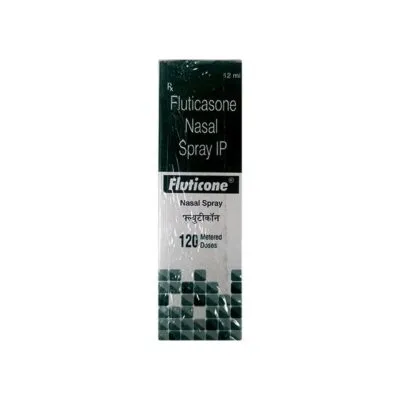
Fluticone Nasal Spray 12ml