





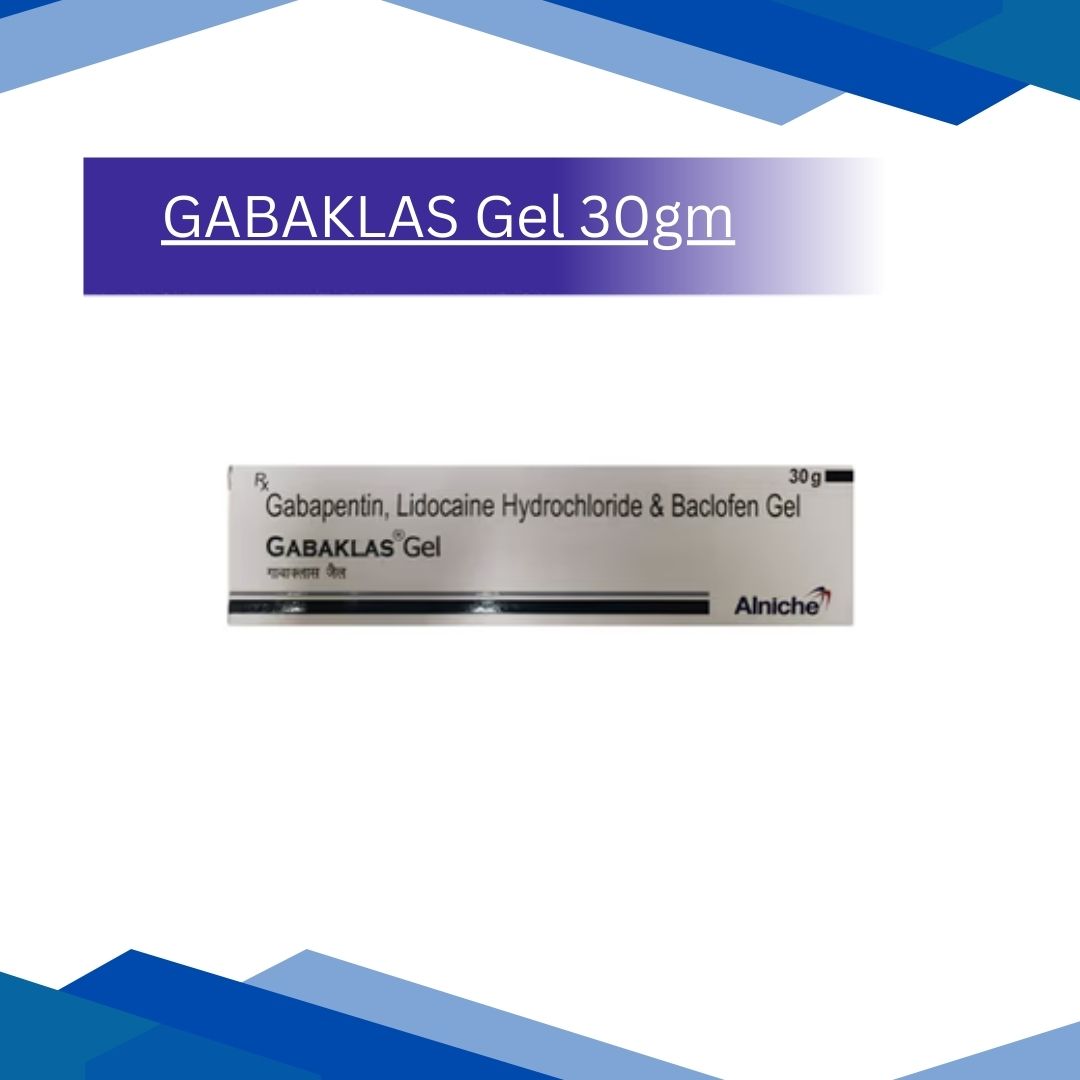
GABAKLAS Gel 30gm
No Prescription yet? Don’t worry! Click Here to Get Online Consultation
Gabaklas Gel is a prescription medicine used for the treatment of neuropathic pain. It works by first cooling and then warming up the skin. Thus, it calms the damaged or overactive nerves by acting on the brain, thereby decreasing the sensation of pain.
Baclofen
Baclofen: Uses, Dosage, Side Effects, and Safety Precautions Baclofen is a drug with a faculty of relaxing muscles and inducing antispasmodic action. The major use of this drug is to relieve excessive muscle tone due to conditions of nervosa in the order. It acts on nerve fibers in the spinal cord, reducing the quantity and significance of muscle spasms. This in return relieves pain and makes it easier for the musculature to move.
Mode of Action of Baclofen Baclofen is a member of the class of medications known as skeletal muscle relaxants. Inhibition by Baclofen generation of homogeneous monosynaptic and polysynaptic reflexes at the spinal level. Baclofen mimics the natural brain chemical GABA (gamma-Aminobutyric acid) to relax the nervous system and to prevent overstimulation of the muscles by the nerves.
Primary Indications Baclofen is prescribed for the management of treatable spasticity associated with:
- Multiple Sclerosis (MS): Relief of flexor spasms and conjoint pain, musculature rigidity, and clonicity.
5. Dosage and Administration How Baclofen is to be administered: One must always follow the instructions when using Baclofen; it is typically taken by mouth with or without food. The Starting Dosage: Baclofen is typically started at a low dose (e.g. 5 mg three times daily) and then titrated up by your physician to achieve optimum therapeutic effect while minimizing side effects. Consistency: Drugs taken should be at the same time each day to ensure levels remain more level in your bloodstream.
Side Effects for Monitoring: Vulnerable to Side Effects Though most people adapt to Baclofen very well, few may experience: Common: Somnolence, dizziness, weakness, and fatigue. GI tract: Nausea, constipation, and dry mouth. Nervous system: Disorientation, headache, and insomnia. Never stop taking Baclofen immediately. Sudden cessation can lead to withdrawal symptoms including hallucinations, seizures, or high fever. Consult your doctor for a tapering schedule.
FAQs 1. Is Baclofen a painkiller? Traditional analgesics do not include Baclofen. However, they typically reduce pain by suppressing muscle spasms and stiffening in schools featuring otherwise intractable discomfort.
2. Can I drink alcohol while taking Baclofen? It is strongly suggested that one should stay away from alcohol. Both Baclofen and alcohol are CNS depressants, and the combination of both potentially leads to over-sedation, respiratory depression, and exacerbation of giddiness.
3. How long before Baclofen begins to work? Some patients may notice a decrease in muscle spasms within hours, but it could take several days or even weeks of steady use to derive full therapeutic benefit.
4. Does Baclofen cause weight gain? There is weight gain in the adverse effects list, even though rare, so contact your healthcare provider if you have sudden or unusual weight changes or swelling in your extremities.
5. What should I do if I forget to take a dose? Take the missed dose as you remember it because the time is almost about to lapse till the next scheduled administration. Ignore double doses to make up the dose for the missed one.
Gabapentin
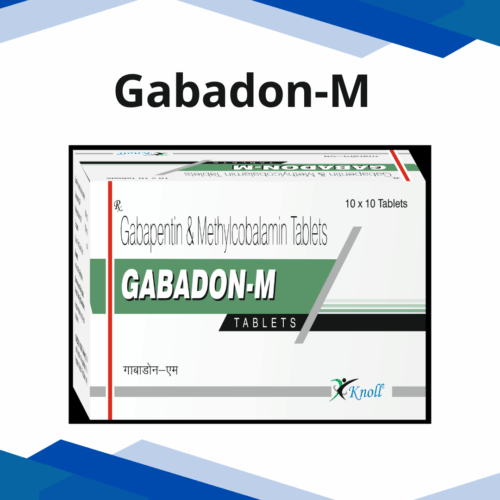
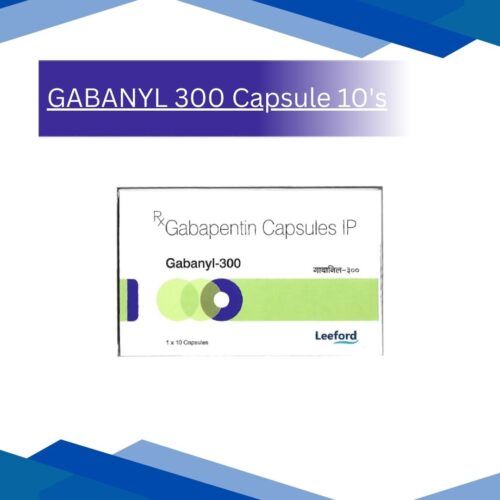
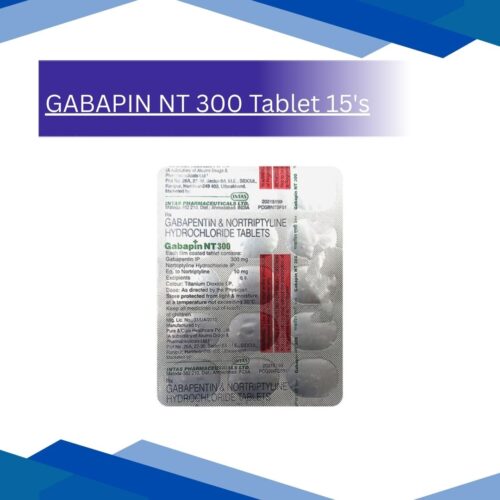
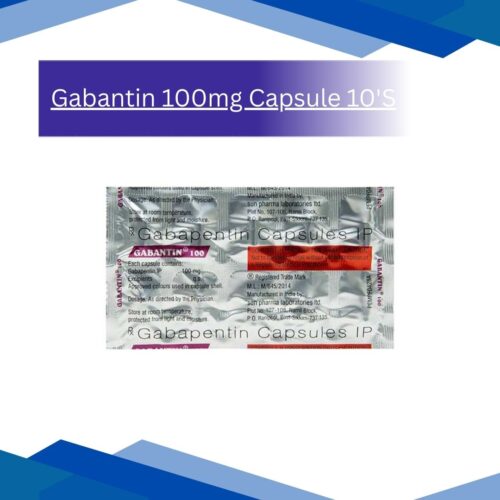
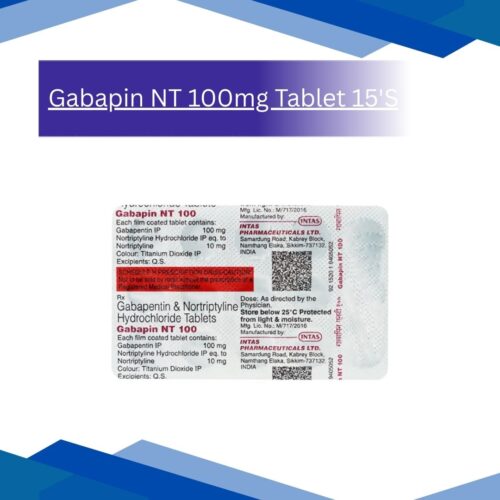
Gabapentin Capsules/Tablets Gabapentin is a versatile prescription medication primarily classified as an anticonvulsant or antiepileptic drug. While it was originally developed to treat certain types of seizures, it is now widely recognized as a gold standard for managing neuropathic pain (nerve pain). It works by stabilizing electrical activity in the brain and influencing the way the body sends pain signals through the nervous system. +2 Therapeutic Uses Neuropathic Pain: Effectively manages long-term pain caused by nerve damage, such as Diabetic Neuropathy or Peripheral Neuralgia. Postherpetic Neuralgia: Relieves the burning or stabbing pain that often lingers after an encounter with Shingles (Herpes Zoster). Epilepsy Management: Used as an "adjunctive" therapy to help control partial-onset seizures in adults and children. Restless Legs Syndrome (RLS): Helps reduce the uncomfortable sensations and "urge to move" associated with RLS, particularly at night. Quick Product Facts Feature Details Drug Class GABA Analog / Anticonvulsant Common Strengths 100mg, 300mg, 400mg, 600mg, 800mg Typical Onset 1–3 hours for peak plasma levels Consumption With or without food How to Use Gabapentin Consistency is Key: Take your dose at the same time every day to maintain a steady level of the medicine in your bloodstream. Swallow Whole: Do not crush or chew the capsules or tablets. If you are using scored tablets and break them in half, use the second half for your next scheduled dose. Antacid Gap: If you take antacids containing Aluminum or Magnesium (like Digene or Mucaine Gel), wait at least 2 hours before taking Gabapentin, as these can block its absorption. Safety & Side Effects Most people tolerate Gabapentin well, though some "adjustment" symptoms are common during the first week: Dizziness or Drowsiness: This is the most frequent side effect. Avoid driving until you know how the drug affects you. Coordination Issues: You might feel a bit "clumsy" or unsteady on your feet initially. Dry Mouth or Fatigue: Staying hydrated can help manage these minor issues. Peripheral Edema: Some users notice slight swelling in their ankles or feet. Critical Warning: In rare cases, this medication can affect your mood. If you or your family notice unusual changes in behavior, increased anxiety, or thoughts of self-harm, contact your healthcare provider immediately. Frequently Asked Questions (FAQs) Q: Is Gabapentin a painkiller like Ibuprofen or Paracetamol? No. Gabapentin is not for routine pain from injuries or headaches. It specifically targets "nerve pain," which feels more like burning, tingling, or electric shocks. It works on the nervous system rather than at the site of a physical injury. +1 Q: Can I stop taking it once my pain goes away? Never stop Gabapentin abruptly. Doing so can cause "withdrawal-like" symptoms or even trigger seizures. Your doctor will typically "taper" your dose—slowly reducing it over several days—to ensure your body adjusts safely. +1 Q: Why do I have to take it three times a day? Gabapentin has a relatively short "half-life" in the body. Taking it at regular intervals (usually morning, afternoon, and night) ensures the medicine stays active and effective throughout the 24-hour cycle. +1 Q: Will it make me feel "high" or addicted? Gabapentin is not an opioid. However, because it calms the nervous system, it can cause a sense of relaxation. It should only be used under strict medical supervision to prevent misuse or dependency. Q: What should I do if I miss a dose? Take it as soon as you remember. However, if it’s almost time for your next dose, skip the missed one. Never "double up" to catch up. Storage & Disposal Store in a cool, dry place away from direct moisture and sunlight. Keep out of reach of children, as accidental ingestion can be dangerous for non-patients. Disclaimer: This content is for informational purposes and mirrors standard pharmaceutical guides. It is not a substitute for professional medical diagnosis. Always consult your doctor before starting or stopping any prescription medication.
Lidocaine
Lidocaine (Topical/Injectable) Lidocaine is a local anesthetic drug with multifarious uses for causing some temporary form of numbness or loss of feeling in a specific area. Its effect is completed by blocking the nerves to transmit 'pain' signals to the brain. It is essential for current pain management, meaning that it largely treats minor skin injuries using a topical gel and provides anesthesia for minor surgeries upon injectable administration.
Principal Applications: Skin Numbing: Good for minor burns, insect bites, or scrapes. Leading-edge Applications: Often used before injections, tattoo needles, and catheterization to minimize pain. Dental Signs: For application, gels help to soothe sores or relieve dental work discomfort. Surgery Use: Used by specialists to numb an area for suturing or for small cytological examination.
How to Apply (Topical) Clean Site: Wash and dry the affected skin before applying the cream or gel. Thin Layer: Apply only on the area that needs treatment; never apply over a large area of the body. Hands on: Washing hands is important right after application to keep the medicine away from the eyes or mouth. Dosage: Follow your prescription regarding how often it has to be used. Excessive usage permits systemic absorption, a potentially serious occurrence.
Precautions Word of Warning: Lidocaine should never be placed on open, blistered, or 3rd-degree burned areas unless the physician tells you so. Also avoid tight bandaging or heating pads over the treated area, as this may increase drug absorption into the bloodstream. Heart Physiology: If you have a history of arrhythmia or other heart conditions, consult your doctor before use. Hepatic Cases: Patients with liver disease should use Lidocaine with care, as it is metabolized in the liver. Allergies: Check for sensitivity to "amide-type" local anesthetics before use.
Possible Side Effects
- Mild redness, swelling, or irritation at the site of application
- Brief stinging or burning sensation
- Pallor (lightening of skin) at the application site
Frequently Asked Questions (FAQs) Q: How Long Does It Take for Lidocaine to Take Effect? A: With topical gels and creams, a numbing sensation usually begins within 2 to 5 minutes. The peak effect is achieved in about 15–30 minutes.
Q: Can I Use Lidocaine for a Sore Throat? A: Use only specific oral Lidocaine viscous solutions for throat pain. Do not use skin creams or gels inside the mouth or throat.
Q: Is It Safe to Use Lidocaine Every Day? A: Lidocaine should be used only as directed by your doctor. Avoid unnecessary or prolonged use.
Q: When should I avoid using Lidocaine? A: Avoid long-term use without medical advice. If symptoms persist, consult a physician.
Q: Is there any time-limit for the consumption of Lidocaine? A: It should not be used daily for extended periods, as side effects may accumulate with prolonged use.
At Gem Pharmacy, we make every effort to provide accurate, expert-written, and thoroughly reviewed information related to medicines. However, this information should not be considered a substitute for professional medical advice, diagnosis, or treatment from a qualified doctor.
The purpose of this information is to educate users and improve communication between patients and healthcare professionals. It should not be used to diagnose or treat any condition.
Always consult a certified healthcare professional before taking any medication.


Related products