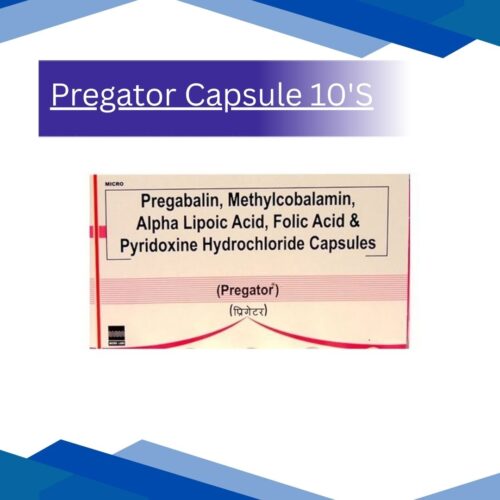
Alpha Lipoic Acid
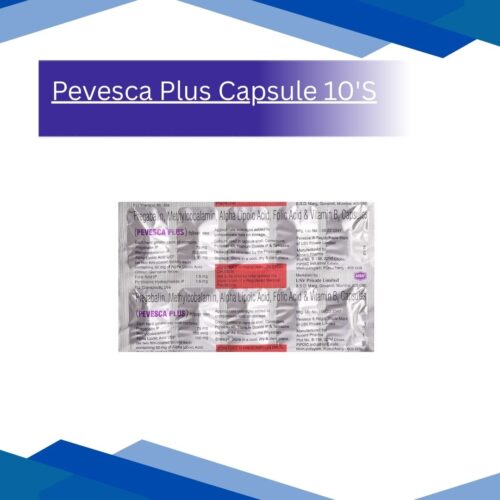
ALPHA LIPOIC ACID
Overview:
The potential benefits of alpha-lipoic acid include improving blood sugar in diabetes, relieving nerve pain, promoting weight loss, reducing inflammation, and supporting heart and skin health
Classification: Antioxidant
Uses:
Diabetes and diabetic neuropathy (nerve pain)
Antioxidant support (protects cells from oxidative stress)
Improving skin texture (in anti-aging creams)
Weight loss and metabolism support (though evidence is limited)
Brain health (studied for use in Alzheimer’s and cognitive decline)
Liver support (in conditions like fatty liver disease)
How It Works:
Conversion to EPA & DHA (Partially)
ALA is partially converted in the body into eicosapentaenoic acid (EPA) and docosahexaenoic acid (DHA)—the active forms of omega-3s found in fish oil.
This conversion is limited: typically less than 10% of ALA becomes EPA, and even less becomes DHA.
These converted forms play critical roles in anti-inflammatory pathways, brain health, and cardiovascular protection.
Incorporation into Cell Membranes
ALA is integrated into cell membranes, especially in the heart and immune system, improving membrane flexibility and function.
Regulates Inflammation
ALA helps reduce inflammation by affecting the production of pro-inflammatory eicosanoids (signaling molecules).
This can be beneficial in conditions like heart disease, arthritis, and metabolic syndrome.
Lipid Regulation
ALA can lower blood triglycerides and improve cholesterol profiles (increasing HDL and reducing LDL in some studies).
Antioxidant Effects
While not a direct antioxidant, ALA supports antioxidant defenses by modulating gene expression and reducing oxidative stress markers.
Dosage: As prescribed by your doctor.
Side effects:
Low blood sugar
Nausea
Rash (when using an ALA cream or ointment)
Vomiting
Headache
Heartburn
Precautions:
Ask a doctor other healthcare provider before taking ALA if it is safe for you to use this product if you have:
liver disease;
diabetes (Alpha Lipoic Acid can cause low blood sugar);
a thyroid disorder;
a thiamine deficiency (thiamine is a form of vitamin B); or
if you drink large amounts of alcohol.
Disclaimer:
This content is for informational purposes only. Always consult a healthcare provider for medical advice and proper dosage
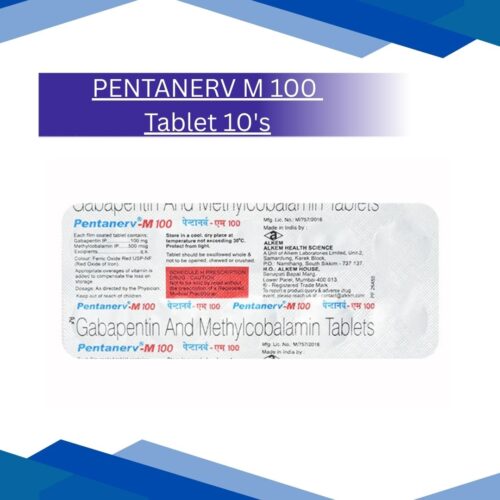
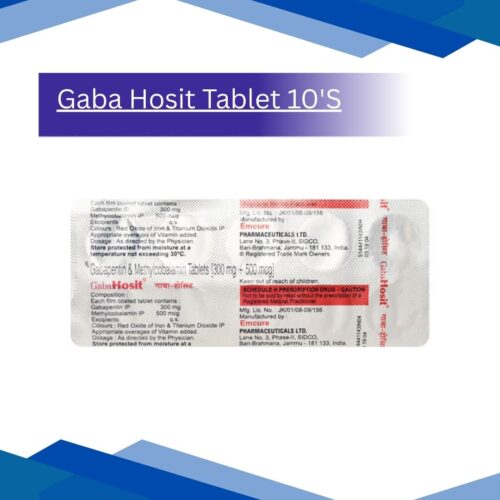
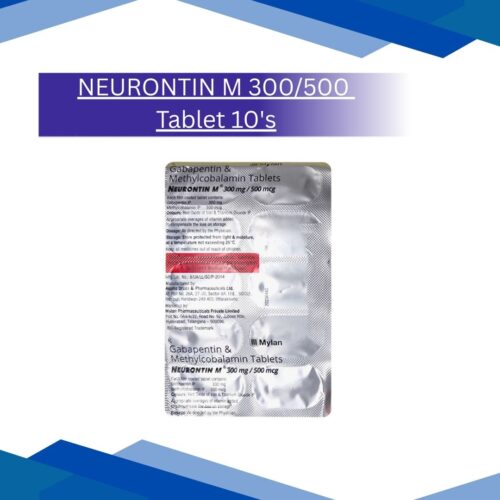
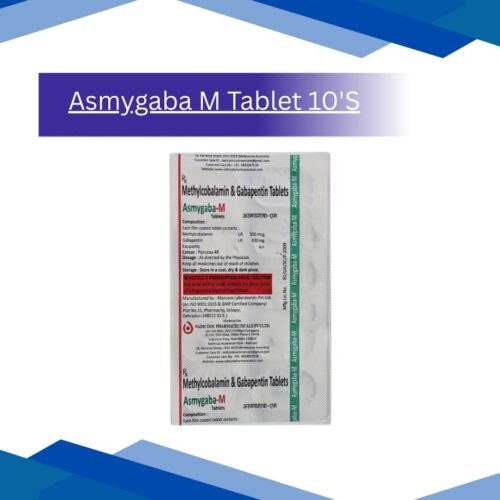
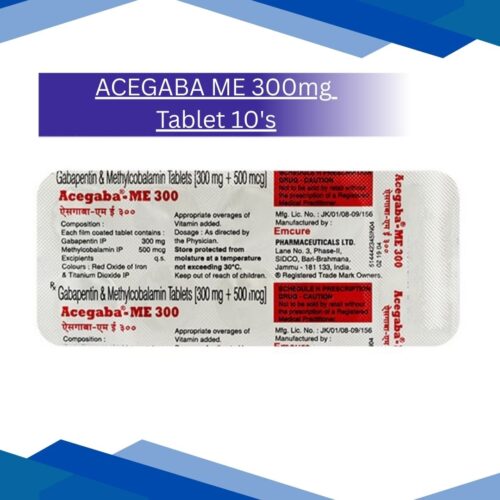
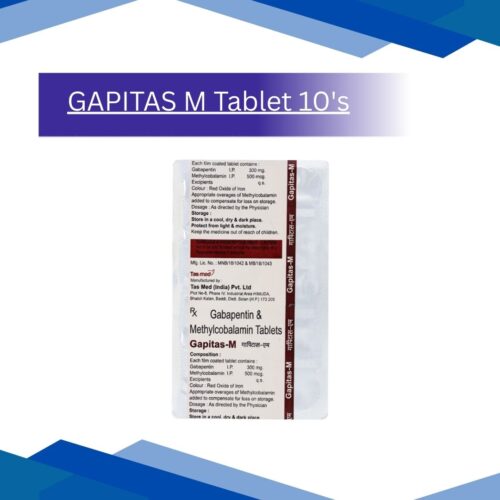
Gabapentin
GABAPENTIN
Overview:
Gabapentin is a medication mainly used to control nerve-related pain and seizures. It works by calming overactive nerves in the brain and nervous system, which helps reduce pain from conditions like diabetic neuropathy or shingles and prevents certain types of seizures. Although it doesn’t cure the condition, Gabapentin allows patients to feel better and manage their symptoms.
Classification: Anticonvulsant (antiepileptic drug)
Uses:
Gabapentin is used to relieve nerve pain caused by conditions like diabetes, shingles, or nerve injuries. It also helps control certain types of seizures in epilepsy and can ease the uncomfortable sensations of restless legs syndrome, improving sleep. In general, it helps people manage nerve-related discomfort and feel more comfortable in their daily life.
How it works:
Gabapentin works by calming overactive nerves in the brain and spinal cord. It reduces the release of chemicals that send pain signals or trigger seizures, which helps lessen nerve pain and control seizures, making it easier for people to feel comfortable and function normally.
Dosage: As prescribed by your doctor.
Side Effects:
- Drowsiness or sleepiness
- Dizziness or lightheadedness
- Fatigue or tiredness
- Nausea or upset stomach
- Swelling in hands or feet (peripheral edema)
Precautions:
Before taking Gabapentin, make sure you aren’t allergic to it. If you have kidney problems, your doctor may need to adjust the dose. It’s important to be careful when driving or using machines, as it can cause dizziness or drowsiness. Pregnant or breastfeeding women should take it only under medical guidance. Always tell your doctor about other medicines you’re taking, and never stop Gabapentin suddenly, especially if you’re using it for seizures, as this could cause problems.
Disclaimer:This content is for informational purposes only. Always consult a healthcare provider for medical advice and proper dosage.
Methylcobalamin
METHYLCOBALAMIN
Overview
Methylcobalamin is a form of Vitamin B12, a water-soluble vitamin that plays a key role in nerve health, red blood cell production, and DNA synthesis. It’s the active, bioavailable version of B12 used by your body.
Classification
Vitamin B12
Uses
Methylcobalamin is commonly used to:
Treat Vitamin B12 deficiency
Support nerve function and help with conditions like peripheral neuropathy
Manage anemia caused by low B12
Aid in recovery from neurological disorders
Provide support for overall energy and metabolism
It may also be recommended in diabetic neuropathy, sciatica, and neurological pain management.
How It Works
Methylcobalamin works by:
Replenishing low B12 levels, which is crucial for making healthy red blood cells
Helping maintain the myelin sheath, the protective layer around nerves
Assisting in methylation processes – essential for detoxification, DNA repair, and mood regulation
Supporting proper neurological and cognitive function
Unlike other forms of B12 (like cyanocobalamin), methylcobalamin is already active, so the body doesn’t need to convert it to be effective.
Dosage
As prescribed by your doctor.
Side effects
Although generally safe, some people may experience:
Mild diarrhea
Nausea
Headache
Tingling or numbness
Skin rash or itching (rarely)
Allergic reactions, though uncommon
If side effects persist or worsen, it’s best to consult a healthcare provider.
Precautions
Pregnant or breastfeeding women should only use it if prescribed
People with Leber’s disease (a rare eye condition) should avoid B12 supplements
Use cautiously if you have kidney problems or a history of allergies
Let your doctor know about all medications or supplements you’re taking to avoid interactions
Regular monitoring may be needed for long-term use
Disclaimer
This content is for informational purposes only. Always consult a healthcare provider for medical advice and proper dosage