

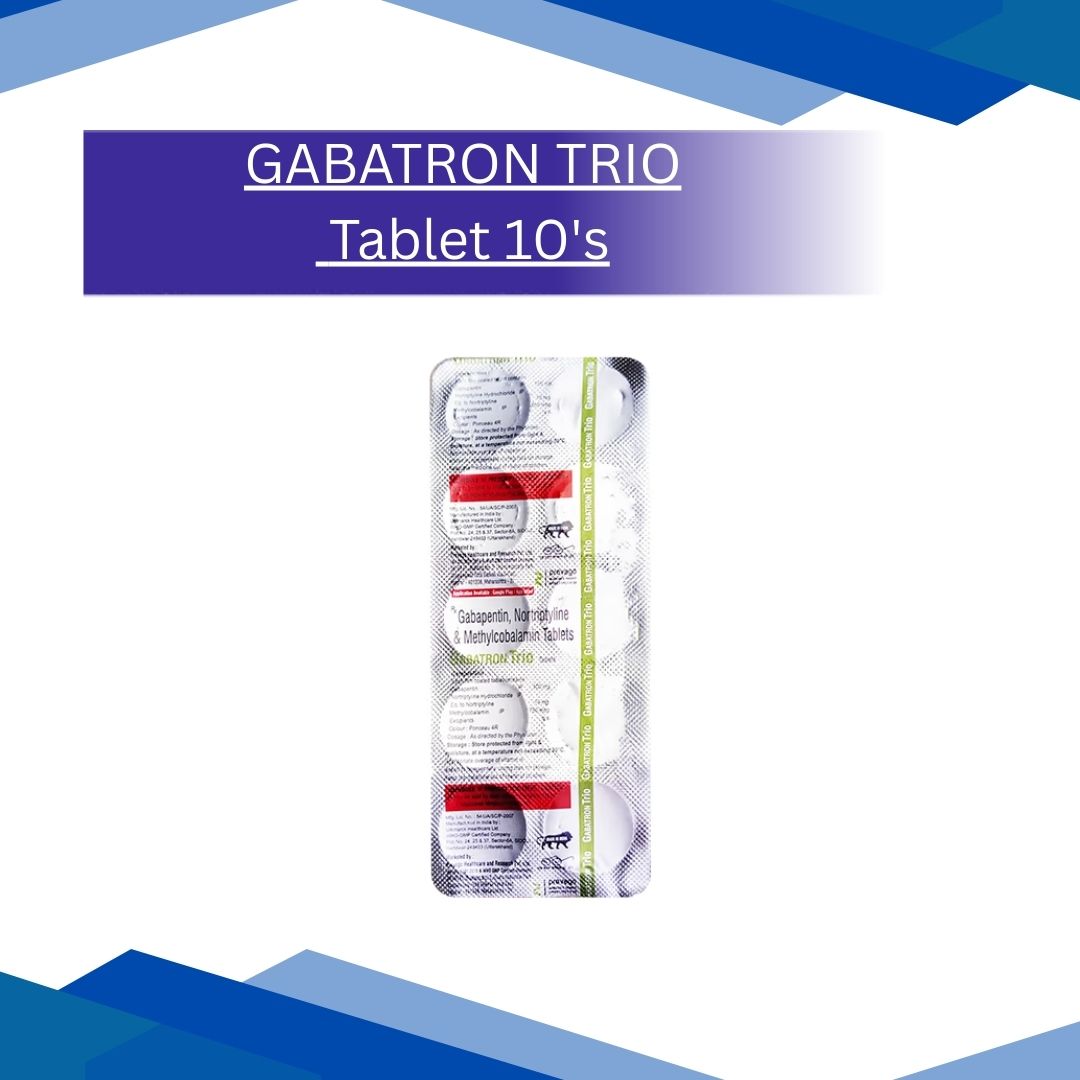
GABATRON TRIO Tablet 10’s
No Prescription yet? Don’t worry! Click Here to Get Online Consultation
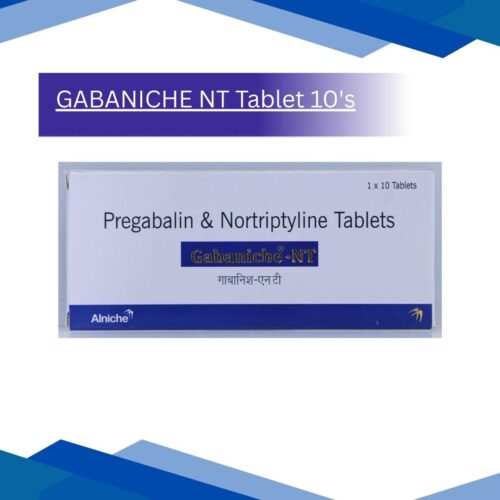
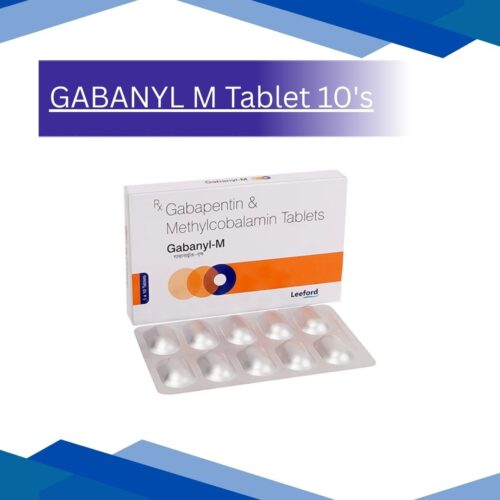
GABATRON TRIO is a combination medication containing Gabapentin 100 mg, Methylcobalamin 750 mcg, and Nortriptyline Hydrochloride 10 mg. This formulation is primarily used to manage neuropathic pain, nerve-related disorders, and nerve damage.
Gabapentin
Gabapentin Capsules/Tablets Gabapentin is a versatile prescription medication primarily classified as an anticonvulsant or antiepileptic drug. While it was originally developed to treat certain types of seizures, it is now widely recognized as a gold standard for managing neuropathic pain (nerve pain). It works by stabilizing electrical activity in the brain and influencing the way the body sends pain signals through the nervous system. +2 Therapeutic Uses Neuropathic Pain: Effectively manages long-term pain caused by nerve damage, such as Diabetic Neuropathy or Peripheral Neuralgia. Postherpetic Neuralgia: Relieves the burning or stabbing pain that often lingers after an encounter with Shingles (Herpes Zoster). Epilepsy Management: Used as an "adjunctive" therapy to help control partial-onset seizures in adults and children. Restless Legs Syndrome (RLS): Helps reduce the uncomfortable sensations and "urge to move" associated with RLS, particularly at night. Quick Product Facts Feature Details Drug Class GABA Analog / Anticonvulsant Common Strengths 100mg, 300mg, 400mg, 600mg, 800mg Typical Onset 1–3 hours for peak plasma levels Consumption With or without food How to Use Gabapentin Consistency is Key: Take your dose at the same time every day to maintain a steady level of the medicine in your bloodstream. Swallow Whole: Do not crush or chew the capsules or tablets. If you are using scored tablets and break them in half, use the second half for your next scheduled dose. Antacid Gap: If you take antacids containing Aluminum or Magnesium (like Digene or Mucaine Gel), wait at least 2 hours before taking Gabapentin, as these can block its absorption. Safety & Side Effects Most people tolerate Gabapentin well, though some "adjustment" symptoms are common during the first week: Dizziness or Drowsiness: This is the most frequent side effect. Avoid driving until you know how the drug affects you. Coordination Issues: You might feel a bit "clumsy" or unsteady on your feet initially. Dry Mouth or Fatigue: Staying hydrated can help manage these minor issues. Peripheral Edema: Some users notice slight swelling in their ankles or feet. Critical Warning: In rare cases, this medication can affect your mood. If you or your family notice unusual changes in behavior, increased anxiety, or thoughts of self-harm, contact your healthcare provider immediately. Frequently Asked Questions (FAQs) Q: Is Gabapentin a painkiller like Ibuprofen or Paracetamol? No. Gabapentin is not for routine pain from injuries or headaches. It specifically targets "nerve pain," which feels more like burning, tingling, or electric shocks. It works on the nervous system rather than at the site of a physical injury. +1 Q: Can I stop taking it once my pain goes away? Never stop Gabapentin abruptly. Doing so can cause "withdrawal-like" symptoms or even trigger seizures. Your doctor will typically "taper" your dose—slowly reducing it over several days—to ensure your body adjusts safely. +1 Q: Why do I have to take it three times a day? Gabapentin has a relatively short "half-life" in the body. Taking it at regular intervals (usually morning, afternoon, and night) ensures the medicine stays active and effective throughout the 24-hour cycle. +1 Q: Will it make me feel "high" or addicted? Gabapentin is not an opioid. However, because it calms the nervous system, it can cause a sense of relaxation. It should only be used under strict medical supervision to prevent misuse or dependency. Q: What should I do if I miss a dose? Take it as soon as you remember. However, if it’s almost time for your next dose, skip the missed one. Never "double up" to catch up. Storage & Disposal Store in a cool, dry place away from direct moisture and sunlight. Keep out of reach of children, as accidental ingestion can be dangerous for non-patients. Disclaimer: This content is for informational purposes and mirrors standard pharmaceutical guides. It is not a substitute for professional medical diagnosis. Always consult your doctor before starting or stopping any prescription medication.
Methylcobalamin
Vitamin B12 Methylcobalamin 1500 mcg Caps/Tab Methylcobalamin is the most bioactive and powerful form of Vitamin B12, especially suitable for vegetarians. Compared to synthetic forms like cyanocobalamin, it is already in a body-ready state and acts more efficiently without requiring conversion in the liver. It is primarily essential for nerve health, brain function, and red blood cell formation.
Major Likely Health Benefits Support the Nerves: Often recommended for neuropathy (especially in diabetes) and peripheral nerve pain. It helps regenerate nerve sheaths and improves nerve signal transmission. Boost Energy: Supports DNA synthesis and red blood cell production, helping reduce fatigue and brain fog. Support Cognitive Functions: Aids in memory, sleep regulation, and mental clarity. Homocysteine Regulation: Helps lower homocysteine levels, supporting cardiovascular health.
For Usage Guide Dosage: The usual dose is 25–75 mg per day. Higher doses may be gradually increased (in 25–50 mg increments) up to 300 mg per day over several months, depending on individual response and medical advice.
Adverse Effects and Interactions Toxicity: Methylcobalamin has low toxicity. Excess amounts are usually excreted in urine due to its water-soluble nature. Alcohol Interaction: Alcohol consumption may reduce absorption and effectiveness; avoid excessive intake.
Severe Adverse Effects Although rare, monitor for: Lightheadedness Unusual neurological symptoms
Withdrawal Symptoms Withdrawal symptoms may vary depending on associated medications and typically appear within hours to days, resolving over weeks.
Pregnancy and Lactation Pregnancy: Use only under medical supervision. Lactation: Small amounts may pass into breast milk, but generally considered safe under guidance.
Dosage Instructions for Special Populations Newborns, Infants, and Lactating Mothers: Use only under strict medical advice.
Possible Side Effects Methylcobalamin is generally well-tolerated, but some individuals may experience: Mild nausea or stomach upset Temporary dizziness Headache Occasional skin itching or rash
Frequently Asked Questions (FAQs)
Q: Why should I choose Methylcobalamin over Cyanocobalamin? A: Methylcobalamin is the natural, active form of Vitamin B12. It stays longer in the body and works directly at the nervous system level without requiring conversion, making it more efficient and effective.
Q: Can I take it for general tiredness? A: Yes, especially if fatigue is due to Vitamin B12 deficiency. Vegetarians and elderly individuals often benefit from supplementation.
Q: How long does it take to improve nerve pain? A: Energy levels may improve within 1–2 weeks, while nerve repair (numbness/tingling) may take 4–8 weeks of consistent use.
Q: Will overdosing on Vitamin B12 pose a risk? A: Generally no. Being water-soluble, excess Vitamin B12 is excreted. However, stick to recommended doses such as 1500 mcg daily unless advised otherwise.
Q: Are there any foods I should avoid while taking it? A: No major restrictions. However, excess alcohol may interfere with absorption, so moderation is advised.
Nortriptyline
Nortriptyline 25mg Tablet Nortriptyline belongs to the tricyclic antidepressant (TCA) class of drugs. It helps balance mood-regulating chemicals in the brain and is widely used for depression. It is also effective in neuropathic pain and chronic migraine prevention. It works by increasing levels of norepinephrine and serotonin, stabilizing mood and reducing pain signal transmission.
Principal Uses Depression: Helps relieve low mood, fatigue, and loss of interest. Neuropathic Pain: Effective for burning or shooting nerve pain. Migraine Prophylaxis: Reduces frequency and intensity of chronic headaches. Bedwetting (Nocturnal Enuresis): Occasionally used in children under strict medical supervision.
Dosage Information Night-Time Use: Usually taken once daily at bedtime due to its sedative effect. Administration: Swallow whole with water; do not chew or crush (very bitter taste). Onset of Action: Effects may take 2–4 weeks—do not stop early if results are not immediate. With or Without Food: Can be taken with or without meals.
Important Safety Checklist Black Box Warning: In individuals under 25, antidepressants may initially increase suicidal thoughts. Close monitoring is essential in the early weeks. Cardiovascular Health: Inform your doctor if you have heart disease or arrhythmias. Glaucoma & Prostate: Use cautiously in narrow-angle glaucoma or enlarged prostate. Alcohol Avoidance: Avoid alcohol as it increases sedation and risk.
Common Side Effects Most side effects are mild and improve over time:
- Dry mouth (xerostomia)
- Dizziness (especially on standing)
- Constipation
- Blurred vision
- Increased appetite or mild weight gain
Frequently Asked Questions (FAQs)
Q: Why is Nortriptyline used for pain if it is an antidepressant? A: It is commonly used. Nortriptyline alters how the brain and spinal cord process pain signals, making it a gold-standard treatment for nerve pain, even in patients without depression.
Q: Can I stop taking it once I feel better? A: No. Do not stop abruptly. Sudden discontinuation may cause withdrawal symptoms like headache, irritability, or loss of appetite. Always taper under medical supervision.
Q: Will it cause weight gain? A: Some people may notice increased appetite and mild weight gain. A balanced diet and exercise can help manage this.
Q: What is the difference between Nortriptyline and Amitriptyline? A: Both are related, but Nortriptyline generally causes less daytime drowsiness and fewer blood pressure drops compared to Amitriptyline.
Q: What should I do if I miss a dose? A: If taken once daily at bedtime, skip the missed dose and take the next one at the usual time. Do not double the dose.
At Gem Pharmacy, we make every effort to provide accurate, expert-written, and thoroughly reviewed information related to medicines. However, this information should not be considered a substitute for professional medical advice, diagnosis, or treatment from a qualified doctor.
The purpose of this information is to educate users and improve communication between patients and healthcare professionals. It should not be used to diagnose or treat any condition.
Always consult a certified healthcare professional before taking any medication.


Related products
PENTANERV M 100 Tablet 10’s