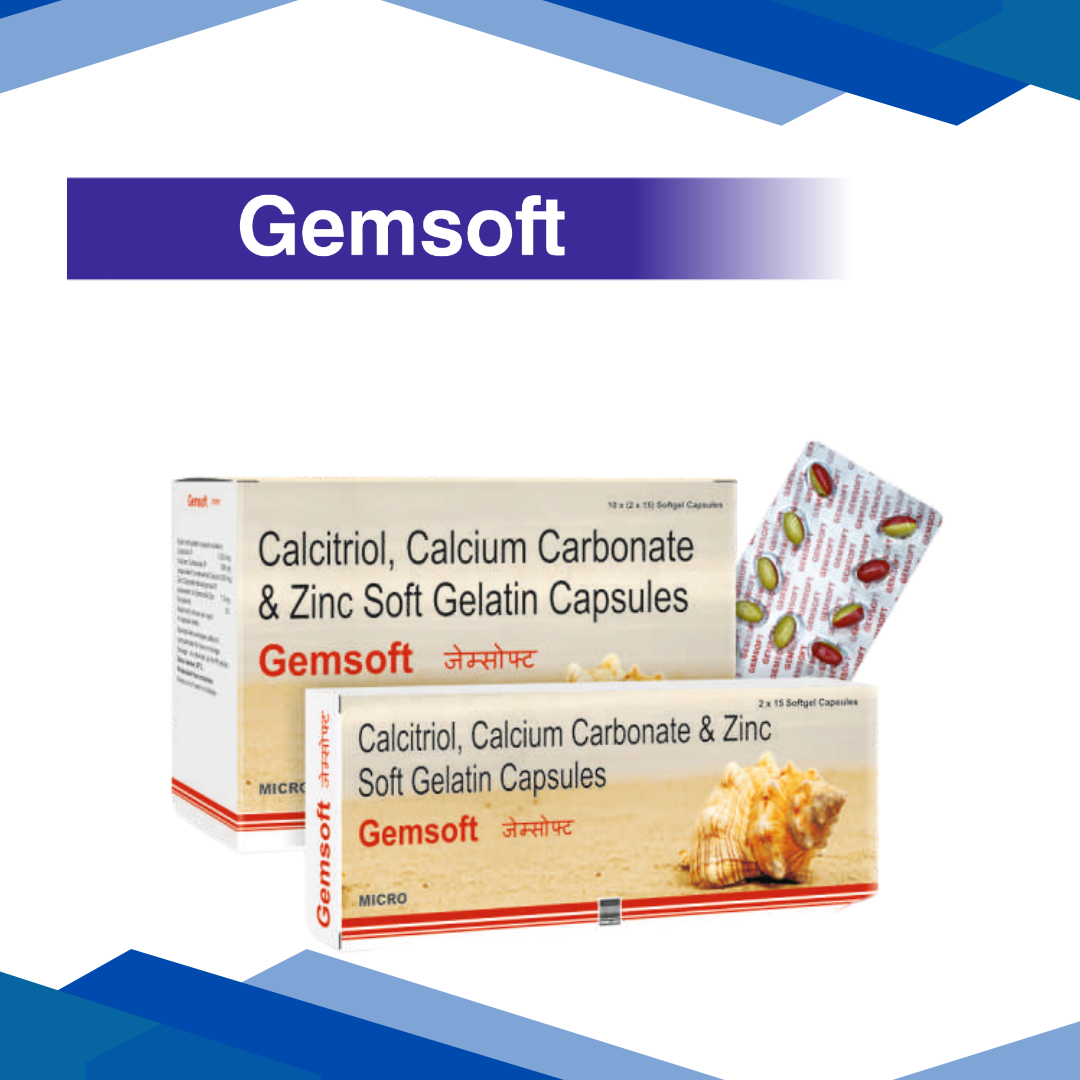
Gemsoft Capsule
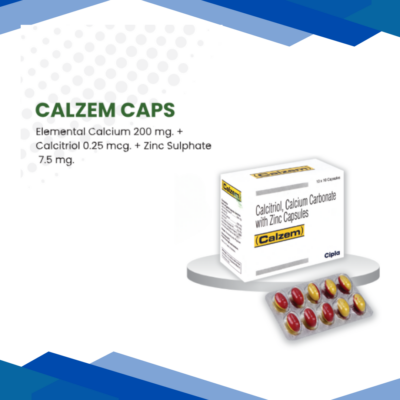
This combination is used to support bone health, treat or prevent calcium and vitamin D deficiencies, and aid in conditions like osteoporosis. Calcitriol enhances calcium absorption, calcium carbonate provides the mineral, and zinc supports bone formation and immune function. For more details kindly click on Medicine Salts below:
Calcitriol
Calcium Carbonate
Calcium Carbonate: Essential Mineral for Bone Strength and Digestive Relief
Calcium Carbonate is a versatile mineral supplement widely used to support skeletal health and manage digestive discomfort. As one of the most concentrated forms of elemental calcium (approximately 40%), it is a primary choice for individuals looking to prevent or treat calcium deficiencies. Additionally, it serves as a fast-acting antacid to neutralize excess stomach acid.
Major Therapeutic Uses
Bone Health: It is a vital aspect of the prevention and treatment of both Osteoporosis and Osteomalacia.
Belching: Provides a fast buffer against acid reflux and any discomforting acidity.
Supplementation: Supplying the nutrients needed during pregnancy, breastfeeding, or postmenopausal needs, when calcium is more highly needed.
Indication: Sometimes used for extracting phosphate from blood in the case of Chronic Kidney Disease.
How It Works
In the skeletal system, Calcium Carbonate provides the necessary building blocks to maintain bone density and structural integrity.
In the digestive tract, it acts as a chemical buffer. When it enters the stomach, the carbonate ions react with gastric hydrochloric acid to neutralize it, effectively raising the pH level and stopping the "burning" sensation of reflux.
Expert Usage & Administration Tips
Take It with Food: Unlike Calcium Citrate, Calcium Carbonate requires stomach acid for optimal absorption. It is best taken immediately after a meal.
Drink Water: Keeps you hydrated throughout the day to help wash the mineral downward further to be fully absorbed by the body and prevent side effects like constipation.
500mg Is the Limit: In a single dose, the body requires about 500mg of elemental calcium; if your dose exceeds this amount, consume that larger dose into a few smaller ones taken during diverse times of the day.
Avoid Interactions: Do not take calcium within 2 hours before/after taking iron supplements, tetracycline antibiotics, or thyroid medications, as it can significantly reduce their effectiveness.
Calcium Carbonate: Frequently Asked Questions (FAQs)
Q: Is Calcium Carbonate the same as "Chalk"?
A: While they share the same chemical formula, the Calcium Carbonate sold for medicinal use is highly purified and processed under strict pharmaceutical standards to ensure it is free from contaminants and safe for human consumption.
Q: Can I take this every day for heartburn?
A: While it is effective for occasional relief, you should not use it as an antacid for more than two weeks straight without consulting a doctor. Persistent heartburn may indicate an underlying condition that requires different treatment.
Q: Why does my doctor suggest taking Vitamin D with my Calcium?
A: Vitamin D acts as a "key" that unlocks the door for calcium absorption in the intestines. Without adequate Vitamin D, your body may struggle to utilize the calcium you ingest, regardless of the dosage.
Q: What are the common side effects?
A: Some users may experience mild gas, bloating, or constipation. If these occur, try increasing your fiber intake or switching to a different form of calcium after speaking with a healthcare provider.
Q: Is it safe for pregnant women?
A: Yes, it is frequently recommended during pregnancy to support the baby's bone development. However, always confirm the specific dosage with your obstetrician.
Quick Facts & Safety Profile
Feature: Elemental Calcium Content — High (~40% by weight)
Best Time to Take: With a full meal
Common Side Effects: Bloating, Constipation, Gas
Key Precaution: History of Kidney Stones
Safety Warning: Individuals with a history of kidney stones (calcium oxalate stones) or high levels of calcium in the blood (hypercalcemia) should use this supplement only under strict medical supervision.
ZINC
Zinc (Elemental Zinc/Zinc Salts)
Zinc is an essential trace mineral vital for the activity of more than 300 enzymes in the human body. It plays a fundamental role in immune function, protein synthesis, wound healing, and DNA synthesis. With no specialized zinc storage system, a daily intake is necessary to maintain homeostasis. Zinc is mostly applied clinically to treat nutritional deficiencies, assist in pediatrics' growth and manage acute diarrhea.
Therapeutic Uses
Immune System Support: Acts as a gatekeeper of immune function, helping the body resist infections and reducing the duration of the common cold.
Diarrhea Management: WHO recommends zinc to reduce the severity and duration of diarrhea, particularly in children.
Skin Health & Repair: Essential for maintaining skin integrity; often used to treat acne, eczema-like rashes, and slow-healing wounds.
Sensory Function: Crucial for the maintenance of the senses of taste and smell.
Growth & Development: Synergists during growth & development, from pregnancy to childhood, & adolescence.
Key Features
Several Salt Forms: This nutritional mineral comes in Zinc Sulfate, Zinc Gluconate, and Zinc Acetate; the latter two should be preferred probably for easy GI tolerance as and when needed.
High Bioavailability: High bioavailability makes it rapidly absorbed from the small intestine.
Essential Micronutrient: Iron serves as an 'essential' mineral because it can't be made in the body.
Instructions for Use
Dosage: Per prescription from health care providers or on causal bases, one to two tablets is the recommended dose to make up the RDA of, say, 8mg for women and 11mg for men.
Timetime: One hour before or two hours after meal for maximal absorption.
Questionable Stomach? Nausea from zinc is through- add some food and this might reduce absorption a tad.
Avoid Interference: Do not take zinc with iron or calcium supplements, as these minerals compete for absorption.
Possible Side Effects
At recommended doses, side effects with Zinc are uncommon. Nonetheless, a few users may encounter the following difficulties:
GI Disturbances: Zinc Sulfate causes common nausea, vomiting, and stomach pains.
Metallic Taste: A lingering taste in the mouth will occur.
Copper Deficiency: Excessive zinc intake, longer than 40 mg/day, can be an obstruction to copper absorption, leading to anemia.
Cautions and Restriction
Drug Interactions: Zinc may interfere with the absorption of certain antibiotics (eg. Quinolones and Tetracyclines). So if you are on these medications, take them at least 2 hours before or 4–6 hours after taking Zinc.
Renal Health: Be cautious if you have kidney deficiencies, as minerals can build up.
Pregnancy & Lactation: Zinc needs are higher during these periods and supplementation should be by prescription only.
Avoid taking antacids two hours before/after your zinc dose since they may actually reduce its effectiveness.
Frequently Asked Questions (FAQs)
Q: Which is the best form of Zinc, sulfate, gluconate, or acetate?
All forms are equally good carriers of elemental zinc. Zinc sulfate tablets offer more zinc for the money and is commonly found, but zinc gluconate or acetate forms are most often desired in syrups and lozenges as they are less bitter and milder on the stomach.
Q: Can Zinc delete a common cold faster?
Yes, clinical studies show that taking Zinc lozenges or syrup less than 24 hours after the initial phase of a common cold can significantly reduce the duration and severity of a cold.
Q: How can I tell if I have Zinc deficiency?
Common signs include frequent infections, thinning of the hair, decreased appetite, changes in taste or smell, and wounds that are slow to heal among other few. If you are experiencing these symptoms, it is suggested to check with your clinician for a blood test.
Q: Can I take Zinc and Iron together?
That's correct. A large intake of iron (25mg or more) will seriously inhibit zinc absorption. It is best we supplement each with enough hours separation (e.g. morning and evening).
Q: Will it be safe to consume 50mg of zinc every day?
The "Tolerable Upper Intake Level" figure for adult consumption stands at 40 mg/mg per day. In any case, taking 50 mg/day or more on one's own overtime without any doctor's supervision will result in a copper deficiency and weakened immunity.
Storage
Store in the same fashion others are stored: dry places away from direct sunlight with the container tightly closed to prevent moisture from getting in.
Disclaimer: INFO THIS ARTICLE OFFERS IS PRESENTED IN AN INFORMATIVE WAY. IT IS NOT SUBSTITUTING FOR PROFESSIONAL MEDICAL ADVICE OR DIAGNOSIS. ALWAYS CONSULT YOUR DOCTOR BEFORE TAKING ANY NEW MINERAL SUPPLEMENT.
At Gem Pharmacy, we make every effort to provide accurate, expert-written, and thoroughly reviewed information related to medicines. However, this information should not be considered a substitute for professional medical advice, diagnosis, or treatment from a qualified doctor.
The purpose of this information is to educate users and improve communication between patients and healthcare professionals. It should not be used to diagnose or treat any condition.
Always consult a certified healthcare professional before taking any medication.


Related products