Dexamethasone
DEXAMETHASONE
Overview:
It is a corticosteroid, related to a natural hormone made by your adrenal glands. It mainly is used to supplement this compound when your body doesn’t produce enough of it naturally. It decreases inflammation (swelling, warmth, redness and pain) and
Classification:
Synthetic glucocorticoid corticosteroid and a corticosteroid ester
Uses:
It is used to treat conditions such as some types of arthritis, skin, blood, kidney, eye, thyroid and gastrointestinal (i.e, colitis) diseases, severe allergies and asthma. Aside from COVID-19, dexamethasone is most frequently used to treat certain types of cancer.
How It Works:
It works by suppressing the migration of neutrophils and decreasing lymphocyte colony proliferation. The capillary membrane becomes less permeable, as well.
Dosage:
As prescribed by your doctor.
Side Effects:
Upset stomach
Stomach irritation
Vomiting
Headache
Dizziness
Insomnia
Restlessness
Depression
Anxiety
Acne
Increased hair growth
Easy bruising
Irregular or absent menstrual periods
Precautions:
Tell your doctor and pharmacist if you are allergic to dexamethasone, aspirin, tartrazine (a yellow dye in some processed foods and drugs), or any other drugs.
Tell your doctor and pharmacist what prescription and nonprescription medications, vitamins, nutritional supplements, and herbal products you are taking or plan to take while taking dexamethasone. Your doctor may need to change the doses of your medications or monitor you carefully for side effects.
The following nonprescription products may interact with dexamethasone: ephedrine; aspirin and nonsteroidal anti-inflammatory drugs (NSAIDS) such as ibuprofen (Advil, Motrin, others) and naproxen (Aleve). Be sure to let your doctor and pharmacist know that you are taking these medications before you start taking dexamethasone. Do not start any of these medications while taking dexamethasone without discussing with your healthcare provider.
If you have a fungal infection (other than on your skin), do not take dexamethasone without talking to your doctor.
Tell your doctor if you have or have ever had liver, kidney, intestinal, or heart disease; diabetes; an underactive thyroid gland; high blood pressure; mental illness; myasthenia gravis; osteoporosis; herpes eye infection; seizures; tuberculosis (TB); or ulcers.
Tell your doctor if you are pregnant, plan to become pregnant, or are breast-feeding. If you become pregnant while taking dexamethasone, call your doctor.
If you are having surgery, including dental surgery, tell the doctor or dentist that you are taking dexamethasone.
If you have a history of ulcers or take large doses of aspirin or other arthritis medication, limit your consumption of alcoholic beverages while taking this drug. Dexamethasone makes your stomach and intestines more susceptible to the irritating effects of alcohol, aspirin, and certain arthritis medications: this effect increases your risk of ulcer
Disclaimer
This content is for informational purposes only. Always consult a healthcare provider for medical advice and proper dosage.
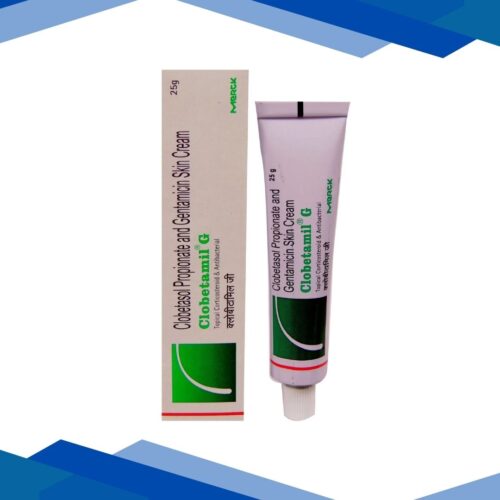
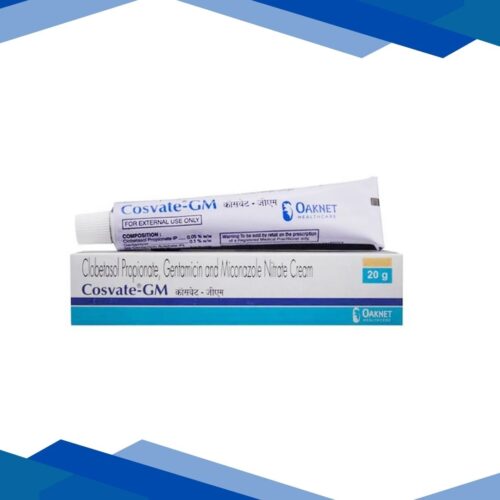
Gentamicin
GENTAMICIN
Overview:
Gentamicin is one of the antibiotics used in treating severe bacterial infection. It works on preventing the growth of bacteria and can work against a wide number of harmful bacteria. Gentamicin is usually injected in hospitals in order to treat blood infections, lung infections, and urinary or bone infections.
Classification:Aminoglycoside antibiotics
Uses:
Gentamicin is a drug that is administered to cure severe bacterial diseases within the blood, lungs, urinary tract, bones and abdomen. It is also applied to skin infections, eye bacteria and ear bacteria as creams, ointments, or drops. It also has special utility against Gram-negative bacteria and is frequently employed in hospitals during serious infections by gentamicin.
How it works:
Gentamicin operates by combining with the bacterial ribosomes particularly the 30S subunit and preventing the synthesis of proteins, which is the means through which bacteria can grow and thrive. Without such proteins, the bacteria cannot function and they eventually die. This process has categorized gentamicin as bactericidal,i.e.killing the bacteria and not just overgrowing it. It is more especially effective against Gram-negative bacteria and it is also commonly used in the treatment of serious infections.
Dosage:
As prescribed by your doctor.
Side effects:
Skin irritation, redness, or rash (topical use)
Pain or swelling at injection site (injection form)
Burning or stinging in the eyes or ears (eye/ear drops)
Nausea and vomiting
Precautions:
Before you begin gentamicin, tell your doctor whether you have kidney problems, hearing problems or muscle diseases like myasthenia gravis. Gentamicin can actually damage the kidney or result in hearing complications especially when taken in high doses or with a prolonged use. When you are under this medication, your doctor may be required to monitor your kidney operation and hearing. It should also be applied properly according to the prescription, do not use it on the eyes, ears or on any damaged skin unless the product is specifically intended to be used on those. In case you are pregnant or nursing, inform your doctor.
Disclaimer:
This content is for informational purposes only. Always consult a healthcare provider for medical advice and proper dosage