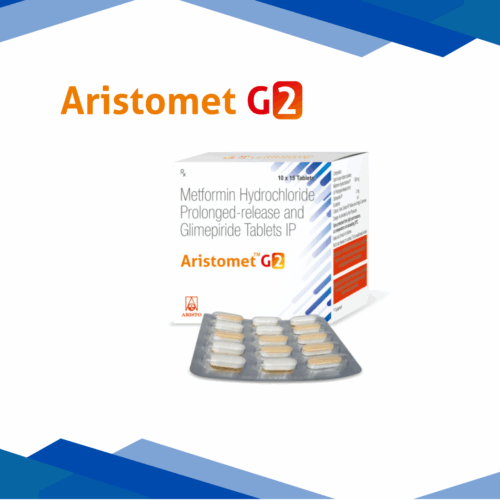
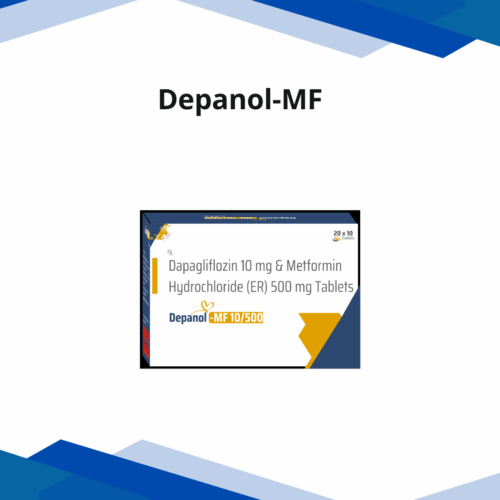
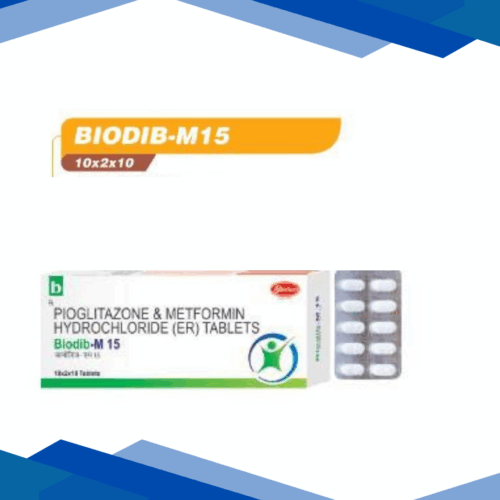

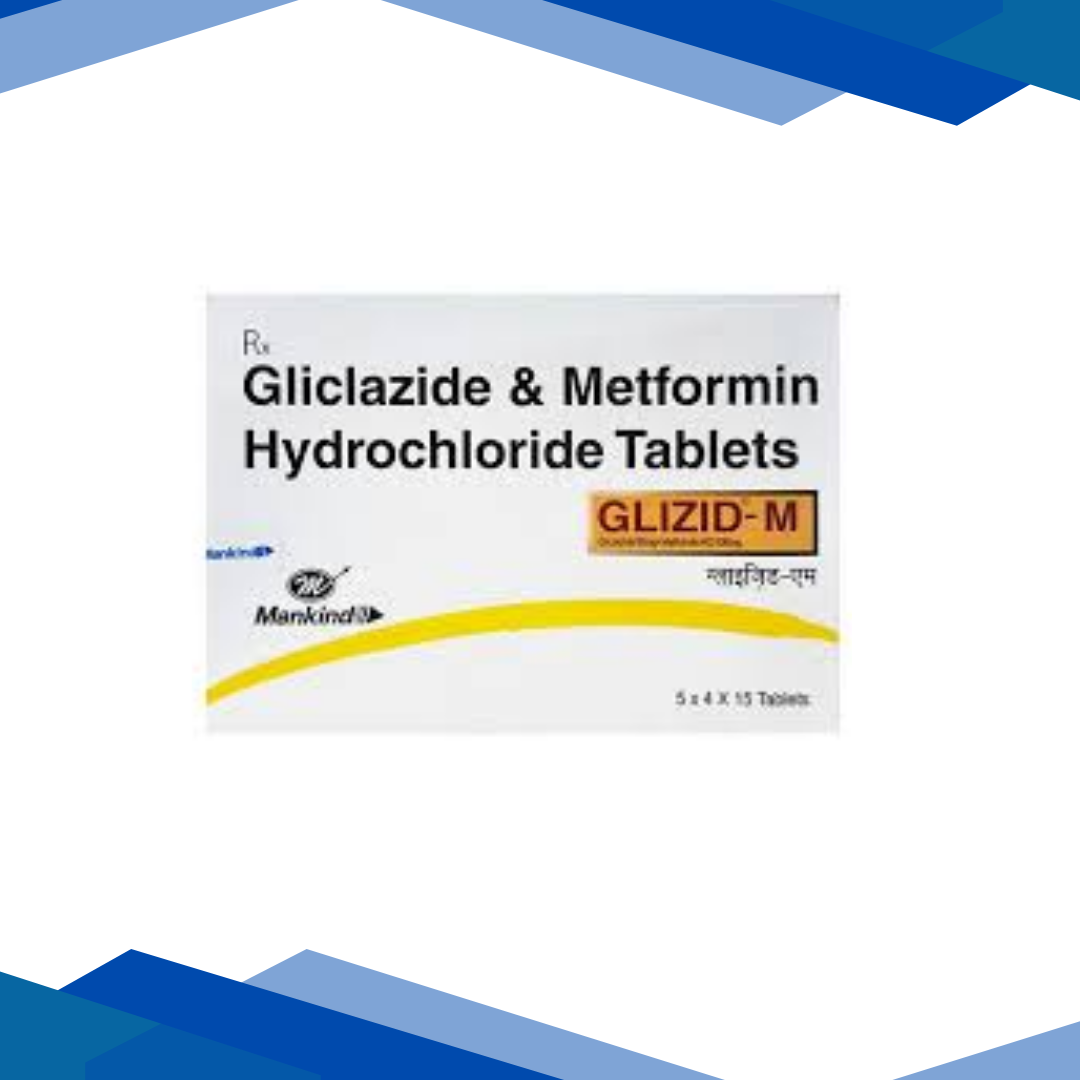
Glizid M Tablet 15’S
No Prescription yet? Don’t worry! Click Here to Get Online Consultation
Gliclazide
Gliclazide: Effective Control for Type 2 Diabetes
Gliclazide is a potent oral hypoglycemic agent belonging to the second-generation sulfonylurea class. It is a cornerstone in the management of non-insulin-dependent diabetes mellitus (Type 2 Diabetes), specifically designed for adults whose blood sugar levels cannot be controlled by diet, exercise, and weight loss alone.
Therapeutic Benefits & Uses
- Blood Sugar Regulation: Effectively lowers blood glucose levels by stimulating the natural release of insulin.
- HbA1c Reduction: Helps in achieving long-term glycemic control, significantly reducing the risk of diabetes-related complications.
- Vascular Protection: Unique properties of Gliclazide help in reducing the risk of small blood vessel complications (microvascular disease) affecting the eyes and kidneys.
- Post-Meal Control: Specifically targets "spikes" in blood sugar that occur immediately after eating.
How Gliclazide Works
Gliclazide acts as an "insulin secretagogue." It works by binding to specific receptors on the beta cells of the pancreas. This binding triggers a series of cellular events that result in the release of stored insulin into the bloodstream. By increasing the body's available insulin, it helps cells absorb glucose more efficiently, thereby lowering the overall sugar levels in the blood.
Expert Administration Tips
- The Breakfast Rule: For optimal results and to minimize the risk of low blood sugar during the day, it is generally recommended to take Gliclazide with your first main meal (usually breakfast).
- Don't Skip Meals: Since this medication prompts your body to release insulin, skipping a meal after taking the dose can lead to a dangerous drop in blood sugar.
- Swallow Whole: If you are prescribed the "Modified Release" (MR) or "Extended Release" version, do not crush, chew, or break the tablet.
- Consistency: Take your dose at the same time every day to maintain a steady metabolic rhythm.
Gliclazide: Frequently Asked Questions (FAQs)
Q: Is Gliclazide the same as Metformin?
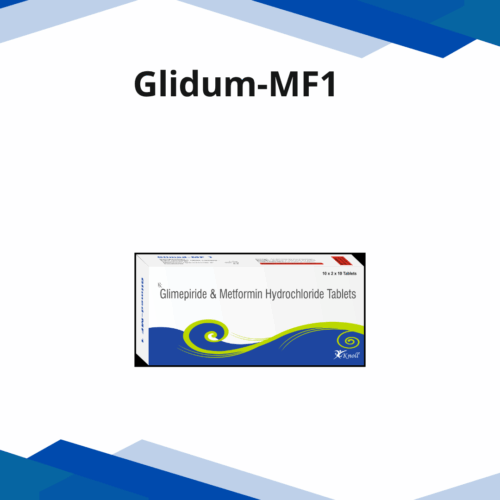
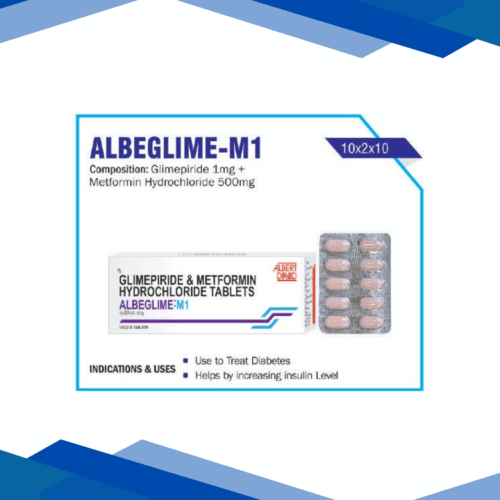
A: No, they belong to different drug classes. While Metformin improves how your body responds to insulin and reduces sugar production in the liver, Gliclazide works by actively stimulating your pancreas to produce more insulin. They are often prescribed together for a synergistic effect.
Q: Can Gliclazide cause weight gain?
A: Like many sulfonylureas, Gliclazide may cause modest weight gain in some patients. This is often due to the increased efficiency of insulin in the body. Maintaining a balanced diet and regular exercise can help manage this.
Q: What should I do if I experience "hypo" (low blood sugar) symptoms?
A: If you feel shaky, sweaty, dizzy, or confused, consume 15g of fast-acting sugar immediately (like glucose tablets, a half-cup of fruit juice, or regular soda). Always carry a source of sugar with you while on Gliclazide therapy.
Q: How long does Gliclazide take to work?
A: You may see an improvement in your blood sugar readings within a few days, but the full therapeutic benefit for your HbA1c levels is typically assessed after 2–3 months of consistent use.
Q: Can I drink alcohol while taking Gliclazide?
A: It is best to limit or avoid alcohol. Alcohol can mask the symptoms of low blood sugar and, in rare cases, can interact with Gliclazide to cause a "disulfiram-like" reaction (flushing, nausea, and rapid heartbeat).
Safety & Side Effects Profile
Possible Side Effect – Frequency – Recommended Action
- Hypoglycemia – Common → Treat with sugar; adjust diet/exercise.
- Indigestion/Nausea – Occasional → Take the dose with food to soothe the stomach.
- Dizziness – Occasional → Avoid driving until you know how the drug affects you.
- Skin Rash – Rare → Consult your doctor immediately; could be an allergy.
- Yellowing of Eyes/Skin – Very Rare → Seek urgent medical attention (potential liver issue).
Precaution
Inform your doctor if you have a history of "G6PD deficiency," as Gliclazide can cause hemolytic anemia in such cases. Always keep your healthcare provider updated on your kidney and liver health.
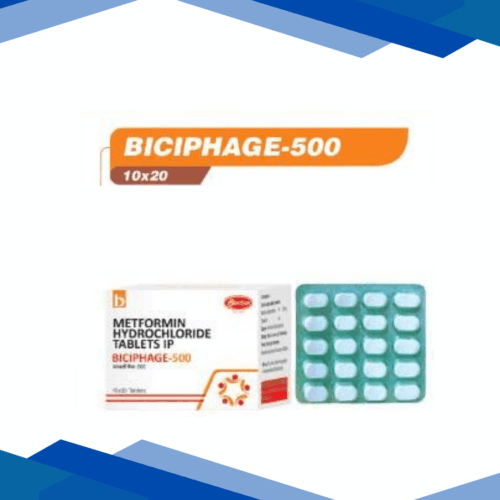
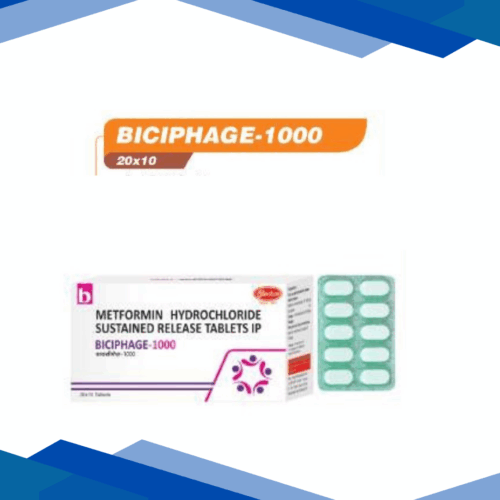
Metformin
Metformin: The First Pulseblood Sugar ControlMedicine Metformin (Metformin Hydrochloride), especially useful for Type 2 Diabetes, is the most frequently prescribed oral agent. The drug belongs to the "Biguanide" group of anti-diabetics, which is known more for its effectiveness, safety, and its unique trait of bringing blood sugar down without adding bulk or having the low-low lows that are the danger from hypoglycemia when the same is used alone. Therapeutic Uses in Metformin Type 2 Diabetes Mellitus: Keeping blood sugar levels in the normal arithmetical range in adults and children above 10. Polycystic Ovary Syndrome (PCOS): Practised more off-label for regulating cycle and enhancing fertility in the fight against insulin resistance. Prediabetes Management: Stalling the onset of Type 2 diabetes in the case of particularly susceptible people. Key Benefits of Metformin Sensitizes Cells to Insulin Action: It kind of helps in response to how pancreatic insulin factors-in. Reduces the Liver’s Production of Glucose Interacts with glucose in 3 ways:
- The Liver: Signals the liver to stop manufacturing those excess sugars to keep the blood sugar at a nice medium level.
- The Gut: Metformin slows down sugar absorption from whatever stuff that you happen to be eating.
- The Muscles: Brings more sugar into the muscles and makes it easier for the body to utilize that sugar.
At Gem Pharmacy, we make every effort to provide accurate, expert-written, and thoroughly reviewed information related to medicines. However, this information should not be considered a substitute for professional medical advice, diagnosis, or treatment from a qualified doctor.
The purpose of this information is to educate users and improve communication between patients and healthcare professionals. It should not be used to diagnose or treat any condition.
Always consult a certified healthcare professional before taking any medication.


Related products