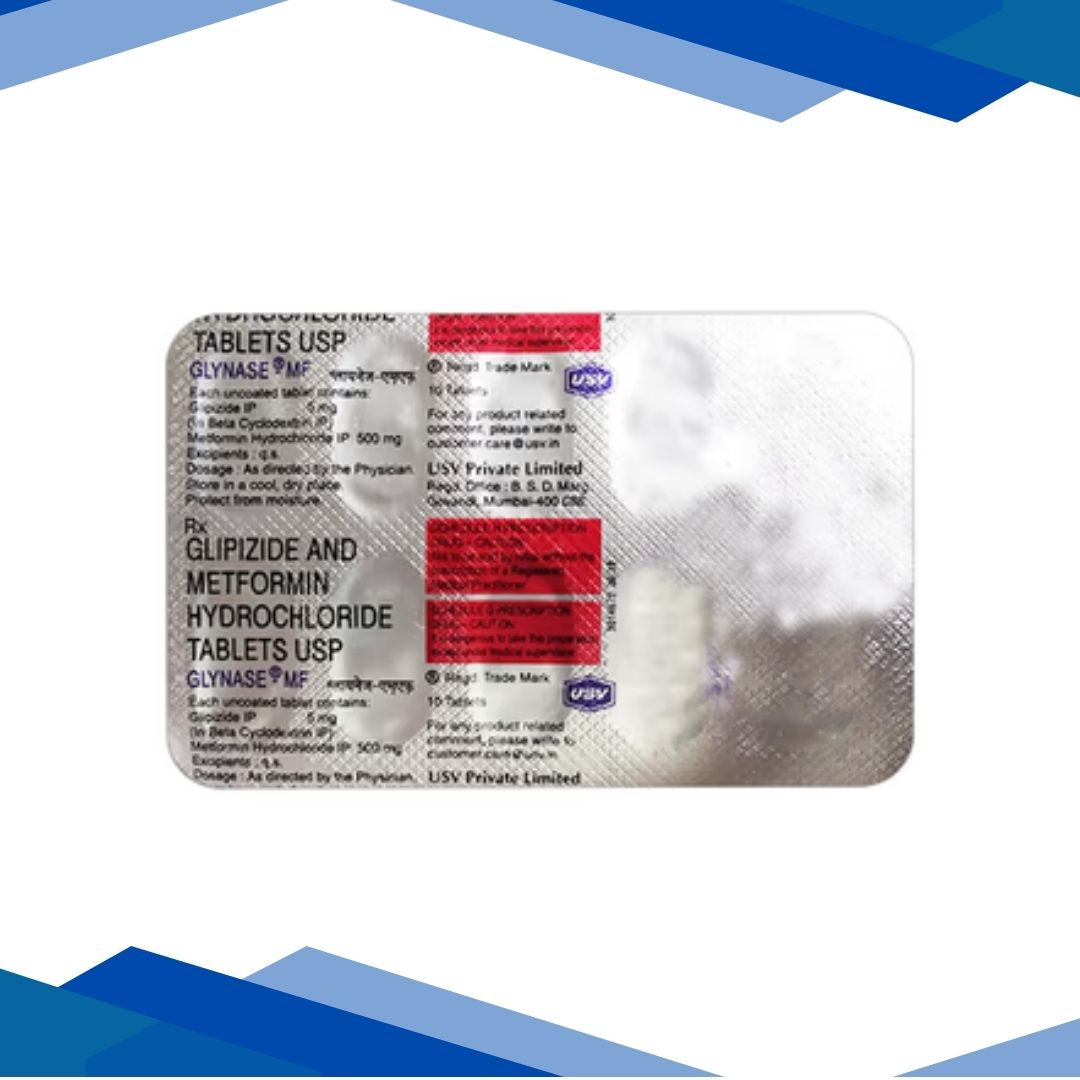
Glipizide
GLIPIZIDE
Overview:
Glipizide is a drug to be used to support a reduction in the level of sugar in human beings as well as those with diabetes type 2. It is used by increasing the release of insulin by the pancreas, particularly after meals so that your body can cope with the sugar levels in your blood.
Classification:Sulfonylurea
Uses:
Glipizide is a medication taken to treat type 2 diabetes through reducing the level of sugar in the blood. It is typically used with a balanced diet and exercise and it can be used alone or in combination with other diabetes drugs to aid you to manage your blood sugar.
How it works:
Glipizide acts by stimulating your pancreas to produce additional insulin- particularly after having a meal when there is a propensity of an increase in blood sugar. The additional insulin assists to transfer sugar found in your blood to your cells where it can be converted to energy. In such a manner your sugar level will be at a healthier range throughout the day.
Dosage: As prescribed by your doctor.
Side Effects:
Low blood sugar
Nausea or upset stomach
Diarrhea
Drowsiness or tiredness
Headache
Precautions:
Before taking Glipizide, tell your doctor about any kidney, liver or heart you had previously, as well as any tendency to low blood sugar. It is also helpful to talk about the other drugs you take, those over-the-counter or herbal drugs.You should never miss a meal because when you do not eat regularly, Glipizide may also cause low blood sugar. Talk to your doctor who can advise you first, especially when pregnant, breast feeding, or planning to be pregnant.
Disclaimer: This content is for informational purposes only. Always consult a healthcare provider for medical advice and proper dosage.
Metformin
METFORMIN
Overview:
Metformin is used in the treatment of type 2 diabetes mellitus and polycystic ovarian syndrome (PCOS).
Classification:
Anti-diabetic medication
Uses:
Managing blood sugar levels with medications like metformin can prevent complications such as kidney damage, nerve issues, blindness, amputations, and sexual dysfunction. Effective diabetes control can also lower the risk of heart attacks or strokes.
HOW IT WORKS:
It works by lowering glucose production in the liver, delaying the absorption of sugar (glucose) from the intestines, and increasing the body’s sensitivity to insulin.
Dosage:
As prescribed by your doctor.
Side effects:
unusual muscle pain
feeling cold
trouble breathing
feeling dizzy, light-headed, tired, or very weak
stomach pain, vomiting
slow or irregular heart rate
Common metformin side effects may include:
low blood sugar
nausea, upset stomach
diarrhea.
Precautions:
You should not use metformin if you are allergic to it, or if you have:
severe kidney disease; or
metabolic acidosis or diabetic ketoacidosis (call your doctor for treatment)
Tell your doctor if you have ever had:
kidney disease (your kidney function may need to be checked before you take this medicine);
high ketone levels in your blood or urine;
heart disease, congestive heart failure;
liver disease; or
if you also use insulin, or other oral diabetes medications
Disclaimer:
This content is for informational purposes only. Always consult a healthcare provider for medical advice and proper dosage