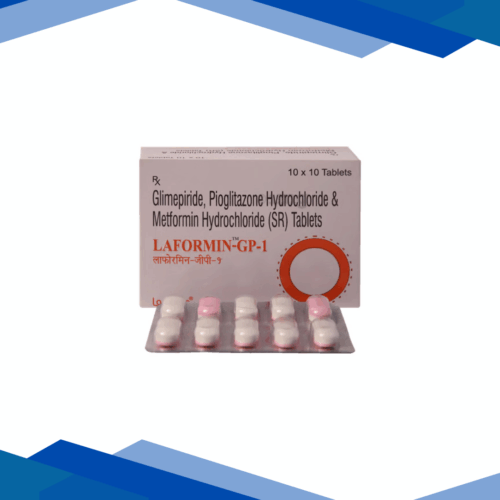
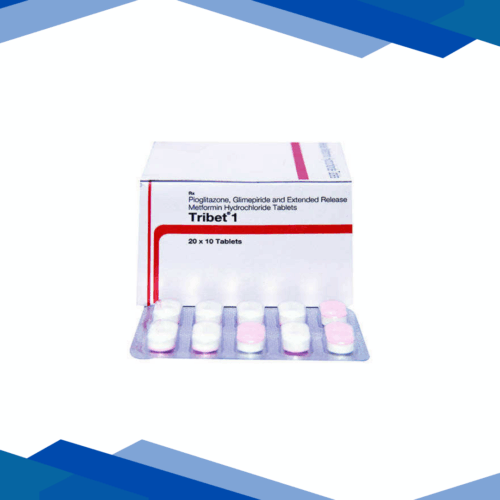
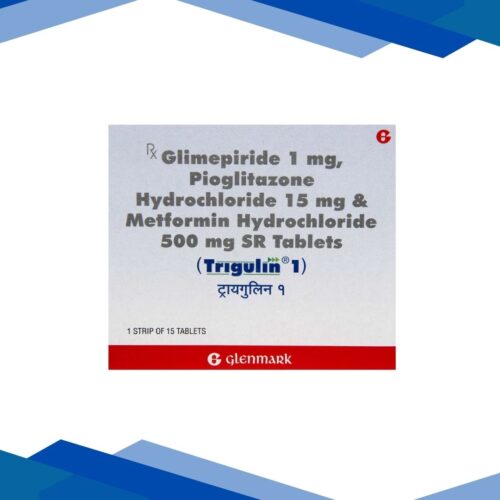
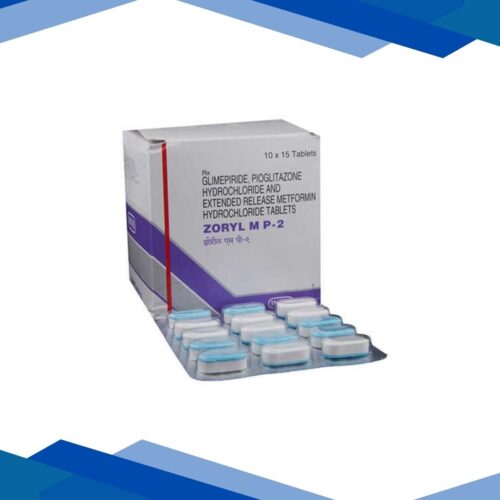
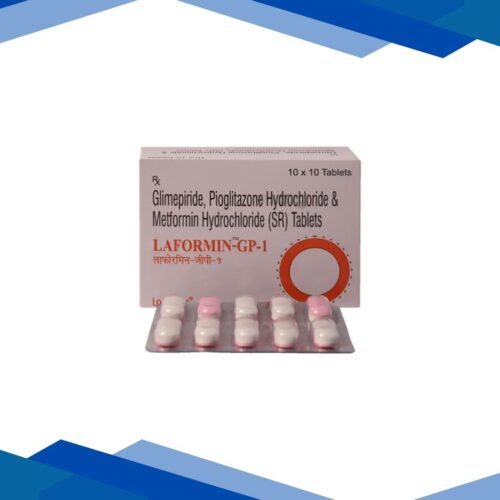
Glimepiride
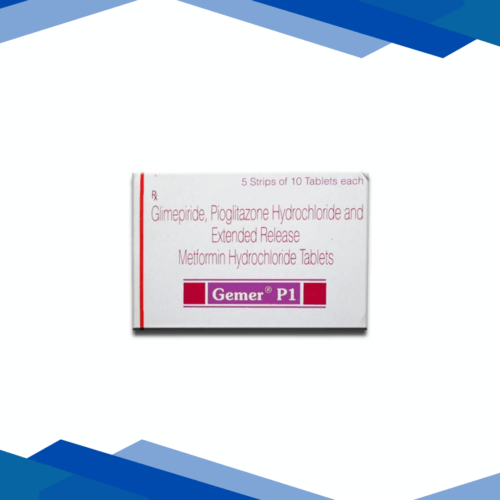
GLIMEPIRIDE
Overview:
Glimepiride is an oral medication commonly used to help manage type 2 diabetes. It’s designed to lower blood sugar levels when diet and exercise alone aren’t enough
Classification
Sulfonylureas.
Uses:
Type 2 Diabetes Mellitus
It’s prescribed to help people with type 2 diabetes keep their blood sugar levels in a healthier range.
It’s not for type 1 diabetes or diabetic ketoacidosis
How It Work:
Glimepiride works by:
Stimulating your pancreas to release more insulin (the hormone that lowers blood sugar).
Helping your body use insulin more effectively.
Dosage:
As prescribed by your doctor.
Side Effects:
Most people tolerate glimepiride well, but like any medication, it can cause side effects. Here are the most common:
Low blood sugar (hypoglycemia) – The most important one to watch out for. You might feel shaky, dizzy, sweaty, hungry, or anxious.
Weight gain – A possible downside for some.
Nausea or upset stomach
Allergic reactions – Rare, but can include rash, itching, or swelling.
Precautions:
Don’t skip meals while on glimepiride—this increases the risk of low blood sugar.
Alcohol can make side effects worse, especially hypoglycemia.
Kidney or liver issues – Tell your doctor—glimepiride may need to be adjusted.
Pregnant or breastfeeding- Not typically recommended without medical advice.
Sun sensitivity – Some people may burn more easily, so sunscreen is a good idea.
Always take it exactly as prescribed, and don’t double up on doses
Disclaimer:
This content is for informational purposes only. Always consult a healthcare provider for medical advice and proper dosage
Metformin Hydrochloride
Metformin Hydrochloride Tablet
Metformin Hydrochloride is the most frequently bestowed as an initial monotherapy for Type 2 Diabetes Mellitus and belongs to the category of Biguanides (antidiabetics). Unlike several other antidiabetic agents, Metformin does not merely “add” insulin; it helps the body use insulin more effectively and reduces the release of glucose from the liver into the bloodstream.
Working
Decreasing Glucose Formation: Slows down the production of new glucose in the liver.
Boosting Insulin Sensitivity: Enhances the responsiveness of muscles and fat tissues to insulin, improving glucose uptake from blood.
Inhibiting Absorption: Delays intestinal absorption of glucose after meals, helping prevent sudden sugar spikes.
Advantages
Blood Sugar Monitoring: Effectively reduces HbA1c levels over time.
Weight Neutrality: Unlike some medications that cause weight gain, Metformin may lead to modest weight loss or remain weight-neutral.
Heart Protection: Long-term use may reduce cardiovascular risks in diabetic patients.
Polycystic Ovary Syndrome (PCOS): Often used off-label to regulate menstrual cycles and improve fertility.
Usage and Dosage Recommendations
Take with Food: Always take the medication with or after meals to reduce gastrointestinal side effects.
Swallow Whole: Especially for Sustained Release (SR) or Extended Release (ER) tablets—do not crush, chew, or break.
Consistency is Key: Take it at the same time daily to maintain stable blood levels.
Critical Considerations
Warning: Lactic Acidosis
Though rare, lactic acidosis is a serious condition, more likely in people with severe kidney impairment. Seek medical attention if you experience muscle pain, breathing difficulty, or unusual drowsiness.
Alcohol: Limit alcohol intake, as it may increase the risk of lactic acidosis or hypoglycemia.
Kidney Health: Regular monitoring of kidney function (Creatinine/eGFR) is essential during treatment.
Side Effects of Metformin
Most side effects are temporary and improve within a few weeks:
Diarrhea or loose stools
Nausea or vomiting
Metallic taste in the mouth
Abdominal bloating or gas
Note: Starting with a low dose and gradually increasing helps reduce these effects.
Frequently Asked Questions (FAQs)
Q: Will Metformin cause hypoglycemia?
A: The risk is low, as Metformin does not increase insulin production. However, hypoglycemia may occur when combined with insulin or sulfonylureas.
Q: Can I stop Metformin if my blood sugar is normal?
A: No. Metformin controls diabetes but does not cure it. Stopping suddenly may cause blood sugar levels to rise. Always consult your doctor.
Q: Can Metformin cause Vitamin B12 deficiency?
A: Yes, long-term use may reduce Vitamin B12 absorption. Watch for fatigue or tingling sensations and consult your doctor about supplementation.
Q: Why do I see a “shell” of the tablet in my stool?
A: This is normal with Extended Release (ER) tablets. The outer shell may pass intact after the medicine has been absorbed.
Q: Is it safe during pregnancy?
A: Generally considered safe when prescribed, especially for gestational diabetes or PCOS. Always consult your healthcare provider before use.