Menthol
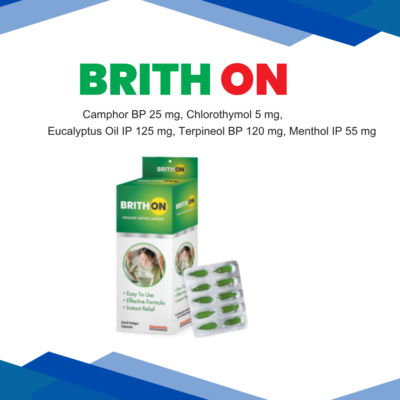
Menthol (Topical Analgesic)
Menthol is natural ingredient that occurs organically and is extracted from peppermint and other mint oils. It has certain pharmacological properties due to the topical analgesic and counterirritant that is widely utilized in pharmaceutical applications. When applied to the skin, it binds to the cold-sensitive receptor termed TRPM8 nicotine, and thus generates a cooling sensation. It works by producing enough cooling sensation to distract the brain from underlying pain signals, therefore providing some relief, deceiving the skin's pain receptors and authors. It is commonly used in muscle-recovery products and patches to mitigate joint pain.
Primary Indications
Muscle & Joint Relief: Temporary relief of minor aches and pains, caused by arthritis, simple backaches, strains, and sprains.
Counterirritant Action: Provides a cooling, slightly warming sensation with benefits of desensitization of pain nerve endings.
Itch & Irritation Control: Effectively don't entertain the itching from insect bites, sunburn, or minor skin rashes.
Respiratory comfort: Often used in chest rubs to emotionally relieve symptoms of feeling clear airways during common colds.
Post-Workout Recovery: Helps reduce the perception of soreness in overworked muscles and tendons.
The Product Specifications
Drugs Group: Topical Analgesic/ Counterirritant.
Formulations: Gels, sprays creams, ointments, medicated patches are available.
Concentration: Ranges generally from 1% and 16% as per the strength.
Appearance: Clear liquid or white crystalline material, characteristic of a minty aroma.
Instructions of Use
For Pain Relief: Clean and dry the affected area. Then apply a thin layer of gel or cream to the area 3-4 times daily.
Sprays: Spray on the skin evenly from 4" to 6" distance. Do not rub unless otherwise specified.
Patches: Stick one patch to the painful area and leave it for as long as 8 hours. Don't use more than one patch that has formed into a mass.
Hygiene: Wash your hands thoroughly with soap after application to avoid any accidental contact with the eyes and mucosa.
Safety Precautions & Warnings
For external use only: Do not ingest menthol-based topical products.
Avoid Over Broken Skin: Never apply to an open wound, damaged skin, or any irritated rashes.
No Heat therapy: Whether using a heating pad, hot water bottle, or tight bandage applied to the area, do not apply heat either. This will increase permeation and cause severe skin burns.
Flammability: Some menthol sprays and gels are flammable. Keep away from open flames or high heat until the product has completely dried on the skin.
Children: Consult a pediatrician before using on children under 12.
Frequently Asked Questions (FAQs)
Q: How does Menthol actually stop pain?
Menthol does not "numb" the pain as a local anesthetic does, but rather acts as a counterirritant. As the compound creates an intense cold sensation, it blocks the pain signals headed to the brain, effectively turning down the volume on discomfort.
Q: Can Menthol be used with a heating pad?
No. This is a major danger. Menthol causes the blood flow to the skin to increase, and the application of heat tends to make the medication be absorbed too quickly or cause some very bad burns and blisters.
Q: Why do I instantly feel cold but end up feeling warm?
This is essentially because of the 'counterirritant effect.' The menthol first activates the cold receptors, offering initial cooling effects. Then the local circulation is elevated when it is rubbed in, and the now-warm sensation is relaxing tight muscles.
Q: Can Menthol be used with an oral pain medication?
Yes, in practice, no! Since menthol is only used topically, so very little of it penetrates your bloodstream. However, let your doc know if you're on blood thinners, say, on Warfarin, because some of the topical formulations can have methyl salicylate, which can interact with them.
Q: Will the Menthol smell "stick"?
The very minty smell is the strongest during application and then dissipates as the product dries down. I would suggest many "vanishing scent gels" for a more subtle application, if the user prefers it that way.
Rosemary Oil
Therapeutic Plant Stimulant for the Scalp and Memory
Rosemary Oil is an essential oil obtained from the floral peaks and leaves of the Rosmarinus officinalis plant by steam distillation. Chemically, it is highly valued in clinical dermatology and trichology due to its high 1-enol content, along with compounds such as Camphor and Alpha-pinene.
Rosemary Oil primarily induces vasodilation. When applied to the scalp, it increases blood flow, supplying oxygen and essential nutrients to hair follicles, thereby supporting a natural hair growth cycle.
Use in Cosmetic Derivation: Follicular Revitalization
Clinical research on rosemary oil in androgenetic alopecia suggests it helps reduce inflammation contributing to follicle miniaturization and supports follicular activity.
Scalp Microbiome Balance
Rosemary Oil’s natural antiseptic and antifungal properties help control Malassezia overgrowth and support dandruff management.
Cognitive & Mental Performance Support
It may support focus, memory retention, and reduction of mental fatigue through aromatherapeutic stimulation.
Antioxidant Protection
Provides localized antioxidant action on the scalp and hair shaft, helping protect against free radical damage, environmental stress, oxidation, and UV exposure.
Peripheral Circulation Support
Commonly used in massage blends to support blood circulation and relieve minor muscle aches and cold extremities.
Pharmacologist’s Comparison: Rosemary Oil versus Minoxidil
Attribute
Rosemary Essential Oil – Natural vasodilation and antioxidant activity, botanical origin, low irritation when properly diluted, rare systemic effects, suitable for long-term maintenance
Minoxidil (Topical Solution) – Potassium channel opener, synthetic pharmaceutical origin, may cause moderate irritation (itching or dryness), localized side effects, requires continuous clinical use
Dosage and Application Instructions
For Hair Density: Mix 5 drops of rosemary oil with 1 tablespoon of Jojoba Oil (or coconut oil) and massage onto the scalp 2–3 times weekly. Leave for at least 30 minutes before washing.
Aromatherapy Use: Add 3 drops to a diffuser to support concentration and reduce mental fatigue during work or study.
Topical Pain Relief: Blend with a carrier oil and apply to sore muscles or joints to support warmth and circulation.
Frequently Asked Questions (FAQs)
1. Can I apply Rosemary Oil directly to my scalp?
No. It is a highly concentrated essential oil. Undiluted use may cause irritation or chemical burns. A dilution of 2–3% in a carrier oil is recommended.
2. How long does it take to show hair growth results?
Consistent use for around six months is typically required to observe visible improvements in hair growth.
3. Does Rosemary darken hair?
It does not act as a dye, but improved hair health and smoother cuticles may create the appearance of darker, shinier hair.
4. Is it safe for individuals with high blood pressure?
Caution is advised. Due to its stimulating aroma, individuals with hypertension or epilepsy should consult a physician before use.
5. Can it be left overnight in hair?
Yes, when diluted in a carrier oil. It allows deeper scalp penetration, though those with oily skin may prefer shorter durations of around two hours.
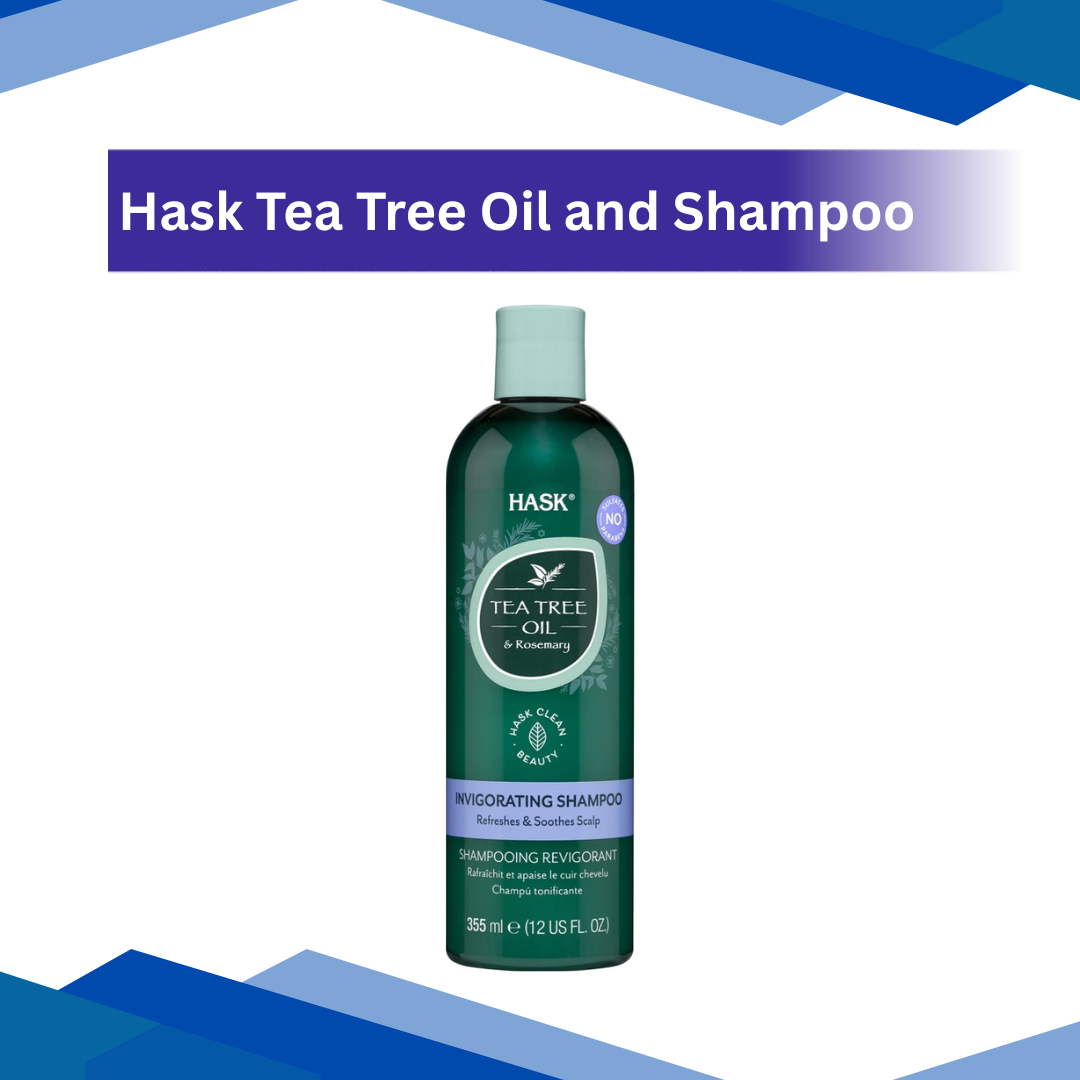
Tea Tree Oil
Tea Tree Oil: The Healing Nature's Potent Antiseptic
Tea Tree Oil comes from the Melaleuca alternifolia plant's leaves which are native to Australia. It is now more than just a home remedy, having been accepted as a pharmaceutical fighter due to high antimicrobial and anti-inflammatory components that have could heal major diseases or conditions.
These therapeutic properties of Tea Tree Oil make it an extremely versatile antiseptic treatment for many skin and scalp dysfunctions; in addition to being effective against a host of different bacteria, it can help treat several problems from dandruff and insect bites to boils, acne, and other bacterial, fungal, and viral infections.
Join [Your Brand Name] for authentic steam distilled Tea Tree Oil with a high Terpinen-4-ol content, its active compound that offers the mirror of application diametrically.
Clinical Benefits & Explanations
Acne Problems: A study of the efficacy of 5% gel of tea tree oil against benzoyl peroxide showed wanted outcomes in acne management with somewhat fewer side effects like peeling or redness.
Antifungal Power: It is eminent for shattering the fungal cell wall in Tinea pedis (athlete’s foot) and Onychomycosis (nail fungus).
Scalp Health: It provides relief against itching flake away from the scalp by inhibiting an overgrowth by the Malassezia yeast.
Wound Healing & Regeneration: It works as a natural antiseptic for unwelcome bacteria, fungi, and viruses present in the wounds from insect bites or minor cuts, and facilitates regeneration by boosting the natural skin functions.
Tea Tree Oil Product Information and Suggested Applications
Extra Description
Specification
Constituents Terpinol-4 (%) is minimum. DoTERRA pure Therapeutic grade essential oil
Best Suits Acne-prone skin, Dandruff, Fungal infections
How to Apply Topical (needs to be diluted for sensitive skin)
FAQs
1. Can Tea Tree Oil go directly on my face?
Some people may use Tea Tree Oil as a spot treatment on stubborn pimples. The oil is very concentrated; hence blending it would work correctly on most skin types. Mix 1–2 drops with a carrier oil (e.g. Jojoba or Coconut oil) or add to your daily lotion to safeguard against irritation.
2. How does it help dandruff?
Dandruff is more often than not the end product of the overgrowth of such yeast-like fungi on the scalp. Tea Tree Oil's antifungal properties are what steer the root cause. So, for best results, add 2–3 drops to your regular shampoo and, while massaging it in, let the oil sit on your scalp for about 2 minutes before rinsing.
3. Is it safe for children?
Indeed, it can be used on children that are over the age of six when diluted between 1% but never should it be ingested, as it can be toxic. Keep it well out of the reach of toddlers and animals.
4. How can I know that I am allergic to it?
Do a patch test before full application: try to place a thin layer of the diluted oil on the inside of your elbow and check for a full day. If the area becomes red, itches, or begins to swell, discontinue use immediately.
5. Can it be used for vaginal infections or yeast infections?
No matter what gains yeast fighting attributes, the vagina is too delicate for the natural care of the undiluted Tea Tree Oil. Consult your gynecologist and they will guide you in appropriate quantities in the oil or appropriate suppositories that absolutely regulate and obey amounts of the oil.