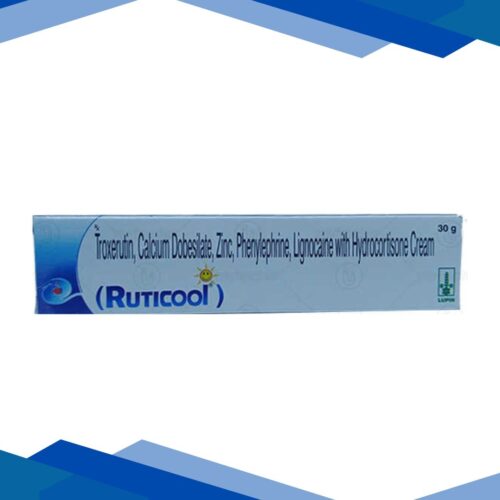
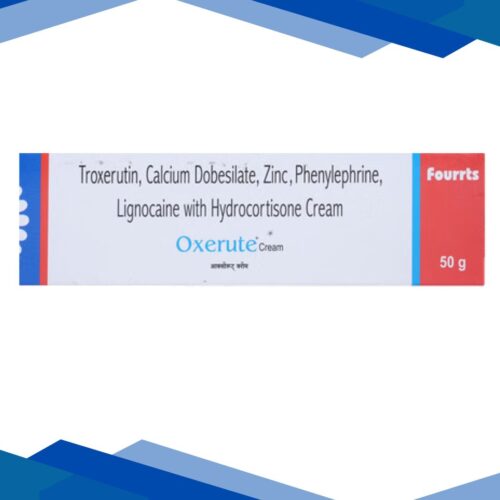
Phenylephrine
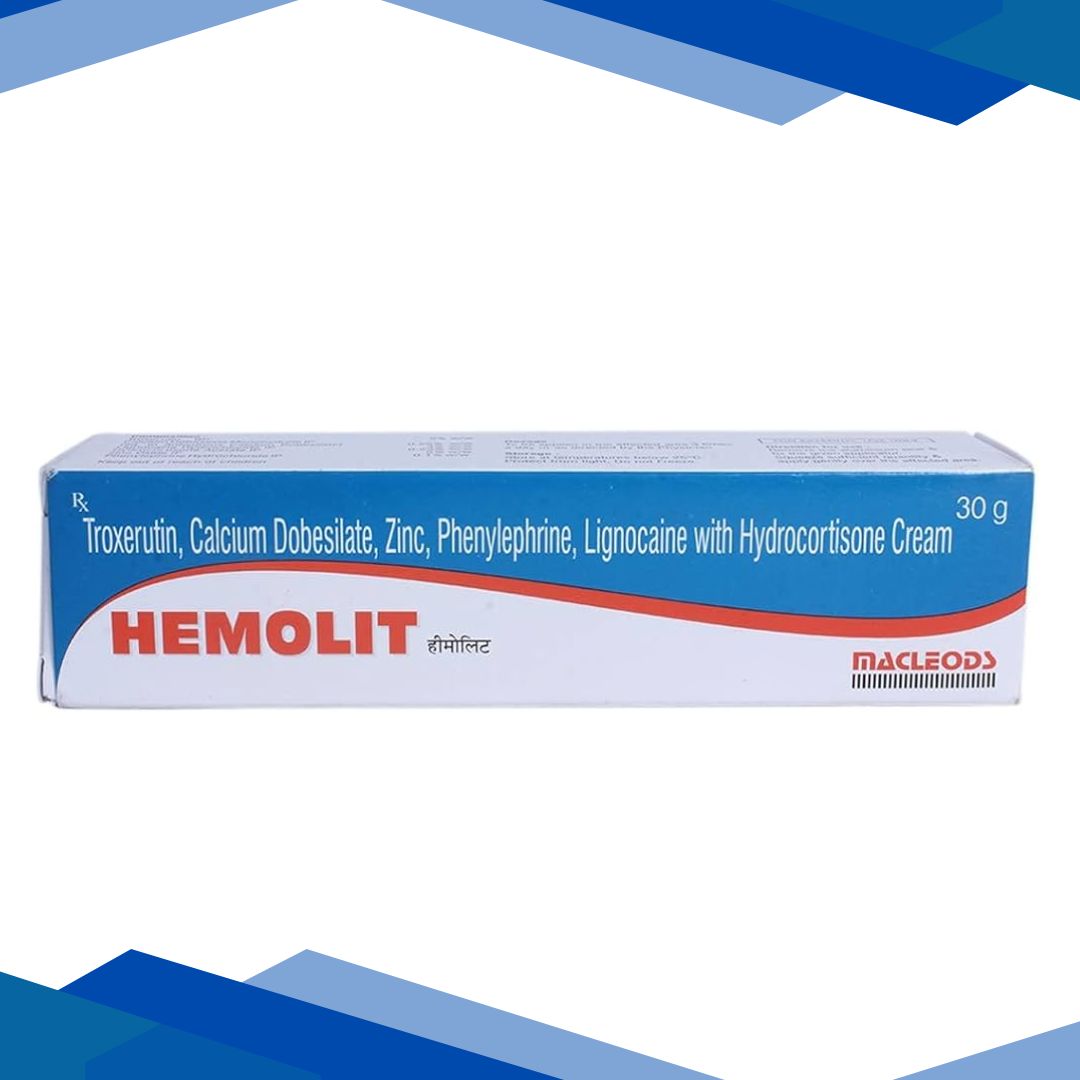
PHENYLEPHRINE
Overview
Phenylephrine is a medicine often used to relieve a stuffy or blocked nose. It works by shrinking swollen blood vessels in your nasal passages, helping you breathe more easily. You might find it in many cold, flu, or allergy medications.
Classification
Decongestants
Uses
Relieves nasal congestion due to colds, allergies, or sinus infections
Sometimes used to increase low blood pressure during surgery or in critical care
May be found in eye drops to dilate pupils during eye exams
How It Works
Phenylephrine works by narrowing the blood vessels in the nose. This reduces swelling and opens up your airways. When taken for blood pressure support, it tightens blood vessels throughout the body, which helps raise blood pressure.
Dosage
As prescribed by your doctor.
Side effects
Some common or possible side effects may include:
Headache
Dizziness
Nervousness or restlessness
Trouble sleeping (insomnia)
Increased heart rate or blood pressure
In rare cases, serious side effects like irregular heartbeat or chest pain can occur. Always report unusual symptoms to your doctor.
Precautions
Avoid it if you have high blood pressure, heart disease, thyroid problems, or glaucoma, unless your doctor says it’s safe.
Do not use more than the recommended dose – overuse can increase side effects.
Tell your doctor if you’re pregnant or breastfeeding before using.
If taken with other medications (especially for depression or blood pressure), it could interact negatively.
Not recommended for young children without medical advice.
Disclaimer
This content is for informational purposes only. Always consult a healthcare provider for medical advice and proper dosage
ZINC
ZINC
Overview:
zinc is an essential nutrient found in a variety of plant and animal foods, along with supplements. It plays a key role in skin health, immune function, and cell growth and may protect against acne, inflammation, and other conditions.
Classification:
Antioxidant
Uses:
Supports the heart and nervous system
Has antioxidant effects
Supports the immune system
Helps in the formation of red blood cells
How It Works:
Cofactor Role:
Zinc acts as a cofactor for thousands of enzymes and proteins, which are essential for various metabolic processes.
Immune Function:
Zinc is crucial for the proper functioning of the immune system, including the production of immune cells like T cells, B cells, and natural killer cells.
Antiviral Effects:
Zinc may help reduce the severity of colds by inhibiting rhinovirus replication and suppressing nasal inflammation.
Wound Healing:
Zinc is involved in collagen synthesis and other processes that contribute to wound repair.
DNA Synthesis:
Zinc is essential for DNA replication and RNA transcription, which are fundamental processes for cell growth and function.
Dosage:
As prescribed by your doctor.
Side Effects:
Diarrhea.
Dizziness.
Headache.
Nausea.
Upset stomach.
Vomiting.
Precautions:
Read the label carefully before use
Store in a cool and dry place away from direct sunlight
Keep out of reach of children
Use under medical supervision
Do not exceed the recommended dosage
Pregnant or nursing mothers, children, and people with medical conditions must consult a healthcare professional before taking this supplement
Disclaimer
This content is for informational purposes only. Always consult a healthcare provider for medical advice and proper dosage.