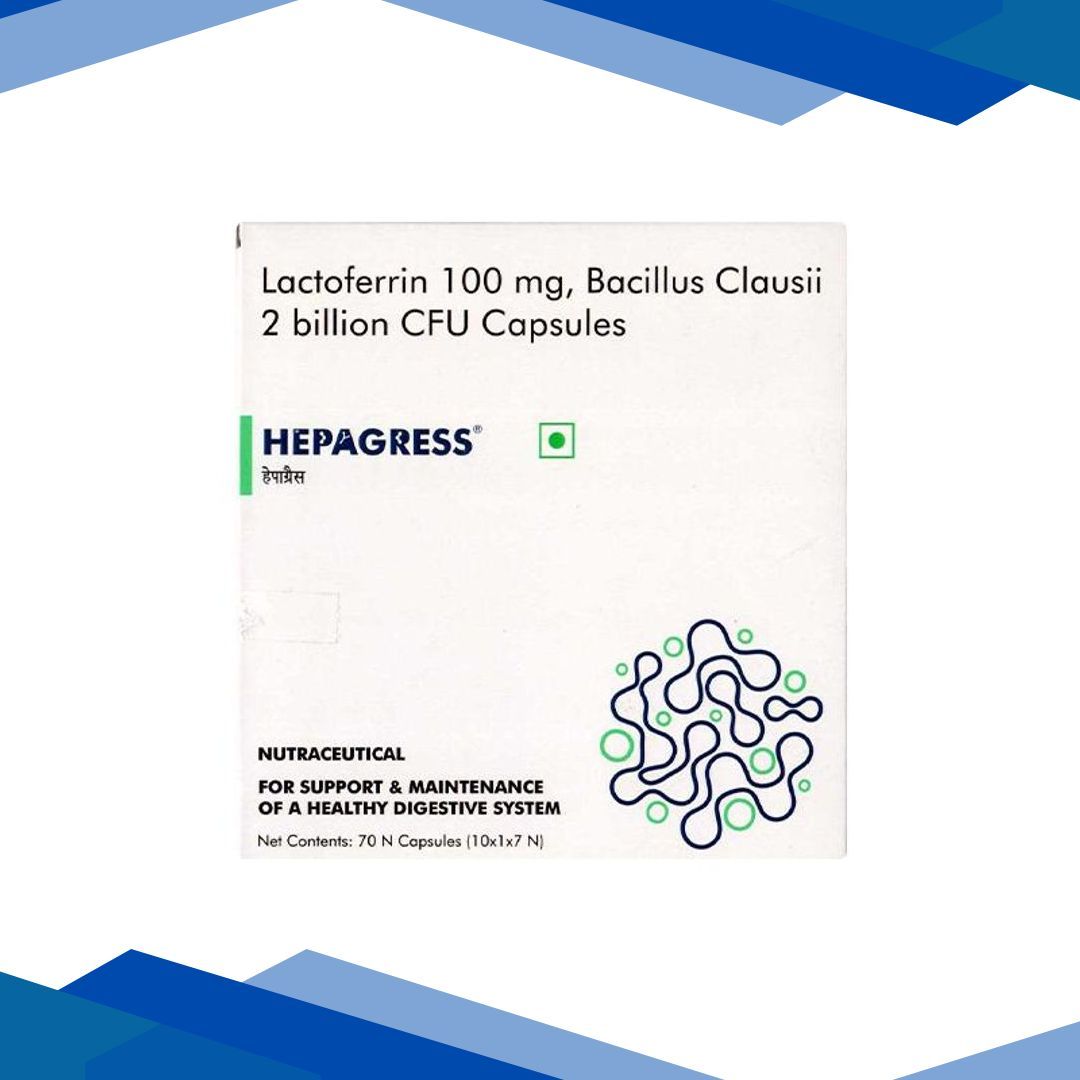
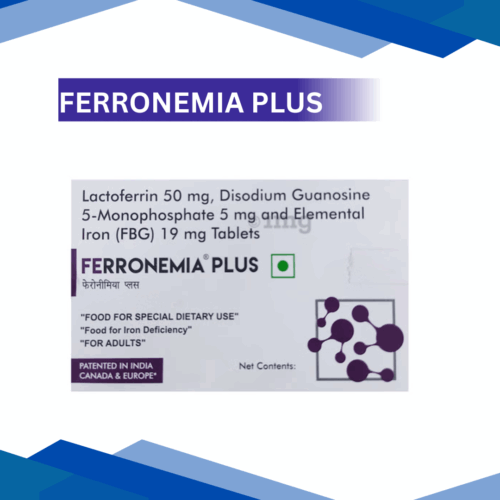
Lactoferrin
Lactoferrin Capsules (Natural Immune Modulator)
Besides the fact that lactoferrin is an iron-binding glycoprotein, naturally present in milk (especially colostrum) and in human secretions such as saliva and tears, it also serves as a first-line defense protein with a crucial role in the body’s innate immune system. It is more than just an iron carrier—it possesses powerful antimicrobial, antioxidant, and anti-inflammatory properties, making it valuable for strengthening the body’s internal defense mechanisms.
Key Benefits & Clinical Uses
Immune System Support: Acts as both a prebiotic and a direct immune modulator, stimulating T-cells and natural killer (NK) cells.
Iron Metabolism: Enhances the absorption and utilization of dietary iron, making it helpful in mild iron-deficiency anemia without causing typical gastrointestinal (GI) side effects seen with synthetic iron.
Healthy Gut: Promotes growth of beneficial bacteria (such as bifidobacteria and lactobacilli) while inhibiting harmful pathogens.
Skin Health & Acne: Emerging evidence suggests lactoferrin’s antimicrobial action may help reduce inflammatory acne lesions by controlling sebum production and bacterial growth.
Guidelines
Recommended Dosage: Commonly 100 mg to 250 mg daily for immune support; may increase up to 500 mg under medical supervision depending on the condition.
When To Take: Best taken on an empty stomach (about 30 minutes before meals) for optimal absorption, or as directed by a healthcare provider.
Storage: Keep in a cool, dark place to preserve the protein structure and potency.
Important Notes
Dietary Consideration: Since lactoferrin is derived from milk, it may contain trace lactose. Individuals with severe dairy allergies should consult a doctor before use. It is naturally present in human breast milk, but supplementation during pregnancy or breastfeeding should only be done under medical guidance.
Drug Interactions: No major interactions are known, but caution is advised when taken alongside iron supplements.
Potential Side Effects
Lactoferrin is generally regarded as safe (GRAS status) and well tolerated. However, high doses may occasionally cause:
Mild diarrhea or skin rash
Reduced appetite
Temporary constipation
Frequently Asked Questions
Q: Is Lactoferrin the same as colostrum?
A: No. Colostrum contains lactoferrin along with many other bioactive compounds, whereas lactoferrin supplements provide a purified, concentrated form.
Q: Can lactose-intolerant individuals take lactoferrin?
A: In most cases, yes. Most products are highly purified with minimal lactose content. Look for “lactose-free” formulations if needed.
Q: Is it effective against viral infections?
A: Studies suggest lactoferrin may bind to viral particles and help block their entry into cells, supporting its use as an adjunct in respiratory infection prevention. However, it should not replace prescribed treatments.
Q: How does it help with iron levels?
A: Instead of adding excess iron, it improves iron mobilization and absorption, enhancing bioavailability while reducing risks like constipation.
Q: How long does it take to improve skin (acne)?
A: When used for acne support, visible improvement may occur within 8–12 weeks, due to its anti-inflammatory and antimicrobial effects.