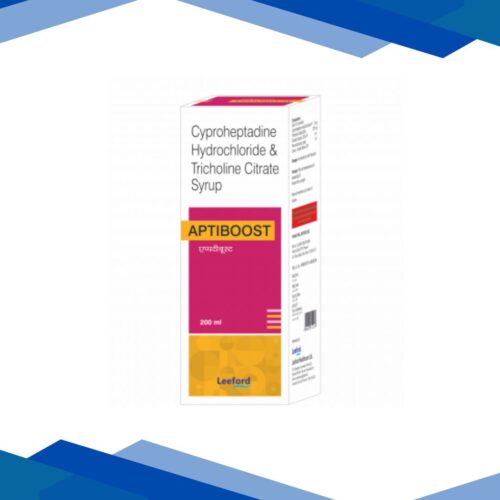
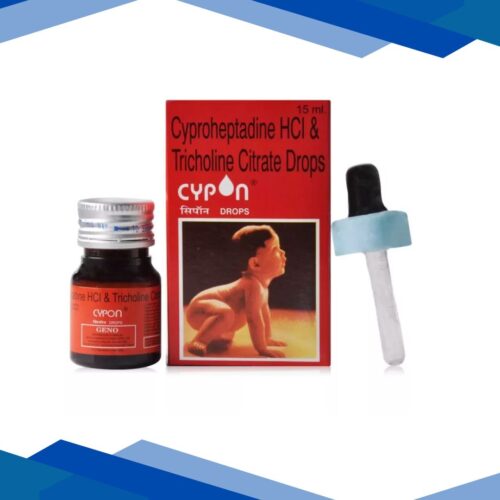
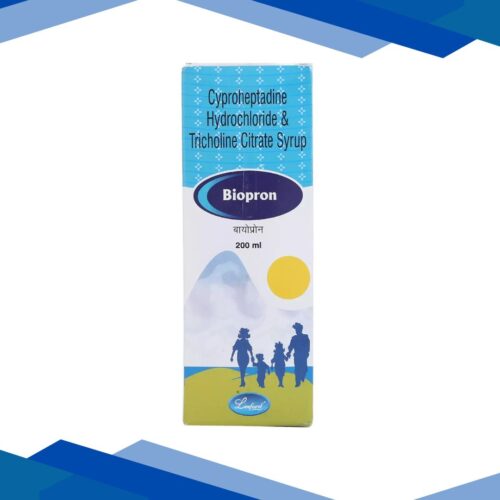
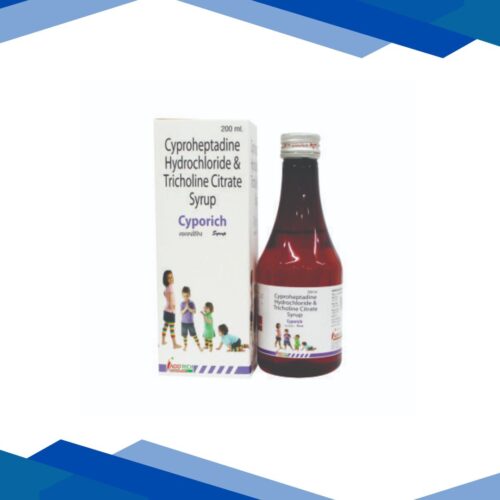
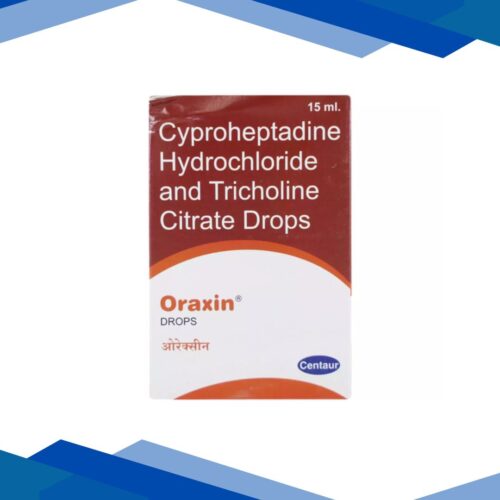
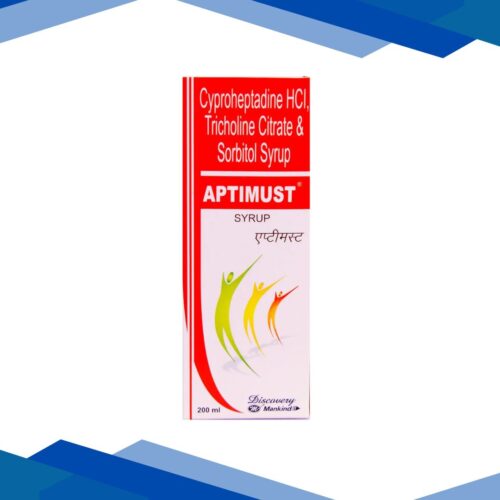
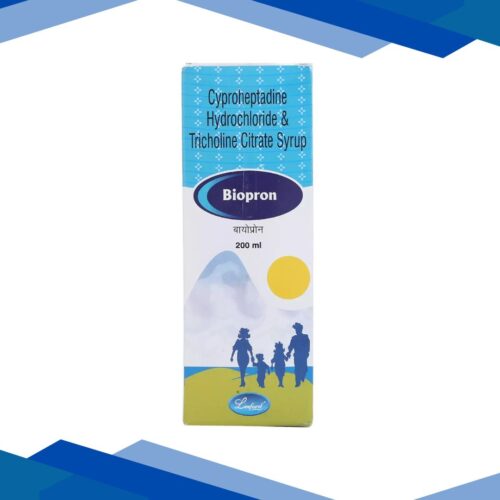
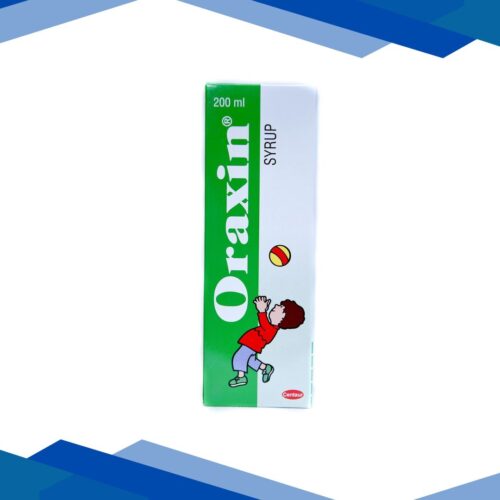
Cyproheptadine Hydrochloride
CYPROHEPTADINE HYDROCHLORIDE
Overview:
Cyproheptadine Hydrochloride is a medication primarily used to treat allergy symptoms like runny nose, sneezing, itching, and hives. It works as an antihistamine, blocking the effects of histamine, a chemical in the body that causes allergic reactions. In addition to allergies, it is sometimes used to stimulate appetite in people who need to gain weight.
Classification: H1 receptor antagonist
Uses:
Cyproheptadine Hydrochloride is mainly used to relieve allergy symptoms like sneezing, runny nose, itching, and hives. It can also help reduce skin redness or rashes caused by allergic reactions. In some cases, it is used to stimulate appetite and promote weight gain in people who need it. Additionally, it may be prescribed to prevent migraine attacks in certain individuals.
How it works:
Cyproheptadine works by blocking H1 histamine receptors in the body, which prevents histamine from causing allergy symptoms like itching, sneezing, and runny nose. It also has antiserotonergic activity, which can help stimulate appetite and sometimes prevent migraines.
Dosage: As prescribed by your doctor.
Side Effects:
- Drowsiness or sleepiness
- Dry mouth
- Dizziness
- Nausea
- Blurred vision
Precautions:
Cyproheptadine should be used carefully in people with conditions like glaucoma, urinary problems, heart issues, or liver and kidney disease. It’s important to check with your doctor before taking it with other medications, especially sedatives, alcohol, or other antihistamines. Pregnant or breastfeeding women should use it only if advised by a healthcare professional. Since it can cause drowsiness, avoid driving or operating machinery, and watch for side effects like dizziness or dry mouth.
Disclaimer:This content is for informational purposes only. Always consult a healthcare provider for medical advice and proper dosage.
Sorbitol
SORBITOL
Overview
Sorbitol is a type of sugar alcohol that is naturally found in fruits like apples, pears, and peaches. It’s often used as a sweetener in foods, drinks, and medicines. Though it tastes sweet, it has fewer calories than regular sugar.
Classification
Laxative
Uses
Used as a sugar substitute in sugar-free products like chewing gum, candy, and toothpaste.
Acts as a laxative to relieve occasional constipation.
Added to medicines as a thickener or moisture-retainer.
How It Works
When taken by mouth, sorbitol draws water into the intestines, which helps soften the stool and makes it easier to pass. As a sweetener, it gives a sweet taste but doesn’t spike blood sugar levels as much as regular sugar.
Dosage
As prescribed by your doctor.
Side effects
Common: Gas, bloating, mild stomach cramps.
Less Common: Diarrhea (especially in large amounts), nausea.
Rare: Allergic reaction (rash, itching, swelling—seek help if this happens).
Precautions
People with diabetes should still use it carefully, as it can affect blood sugar levels a little.
Should be avoided or limited in people with fructose intolerance, as it can cause stomach upset.
Not recommended in large quantities because it can lead to gas, bloating, or diarrhea.
If pregnant, breastfeeding, or on other medications, consult a doctor before using.
Disclaimer
This content is for informational purposes only. Always consult a healthcare provider for medical advice and proper dosage
Tricholine Citrate
TRICHOLINE CITRATE
Overview
Tricholine Citrate is a liver support medicine that helps in improving liver function and managing high cholesterol. It’s often used in syrup form to help the liver work better and reduce fat buildup.
Classification
It belongs to a group of liver tonics or cholagogue agents, which means it helps remove extra fat and toxins from the liver and supports healthy digestion.
Uses
Tricholine Citrate is used for:
Fatty liver
Liver disorders or poor liver function
High cholesterol levels
Indigestion, bloating, or loss of appetite (related to liver issues)
How It Works
Tricholine Citrate works by:
Breaking down fat in the liver and helping remove it from the body
Boosting bile flow, which helps in digestion and keeps the liver clean
Lowering bad cholesterol (LDL) levels in the body
This helps the liver function better and supports overall digestion and health.
Dosage
As prescribed by your doctor.
Side effects
It is generally well tolerated, but some people may notice:
Upset stomach
Diarrhea
Mild abdominal pain
Nausea
Serious side effects are rare.
Precautions
Tell your doctor if you have liver disease, kidney problems, or gallstones.
Pregnant or breastfeeding women should use it only with medical advice.
Always follow the prescribed dose – don’t take more than advised.
If you experience allergic reactions (like rash or swelling), stop use and contact a doctor.
Disclaimer
This content is for informational purposes only. Always consult a healthcare provider for medical advice and proper dosage