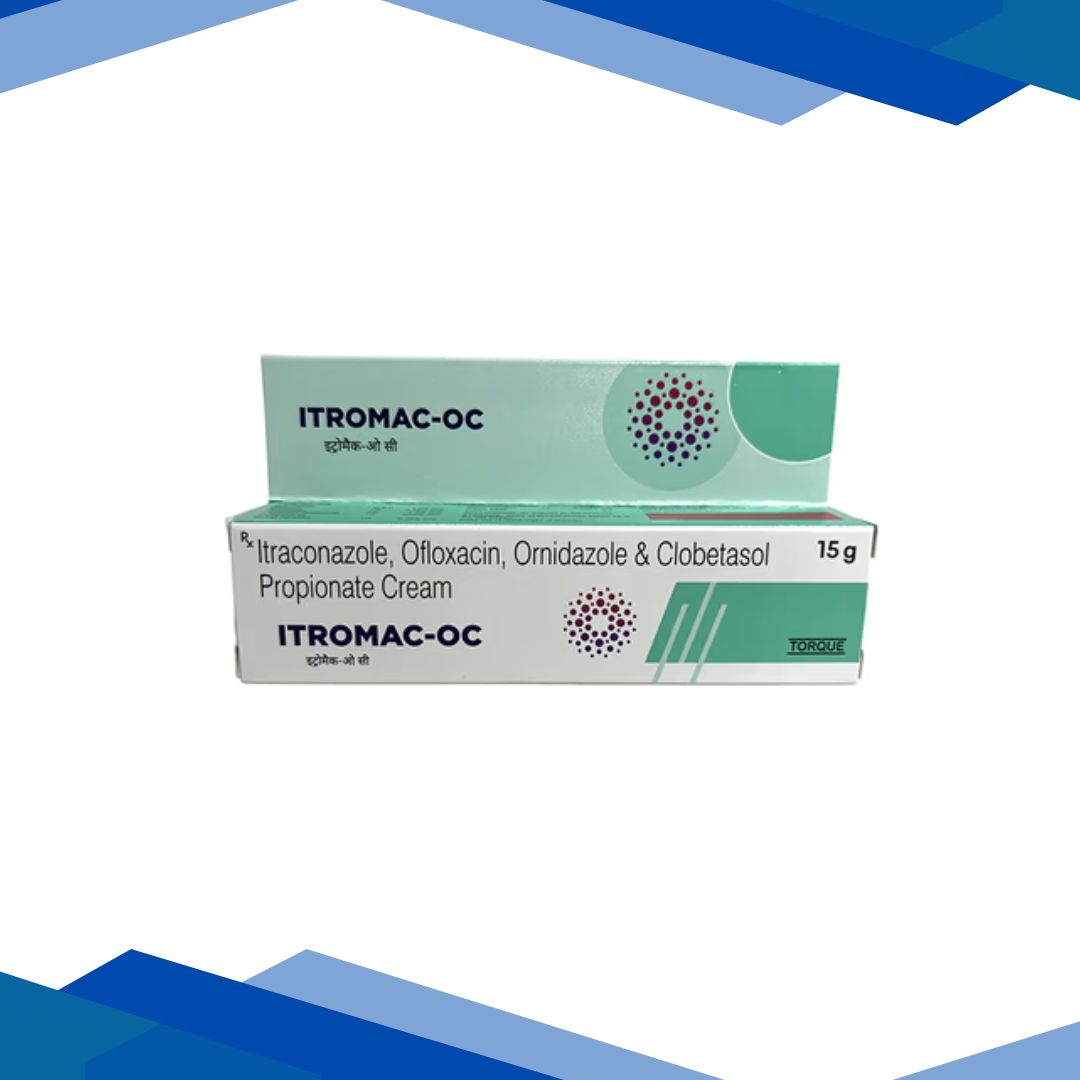
Itraconazole
Itraconazole 100mg or 200mg Capsules
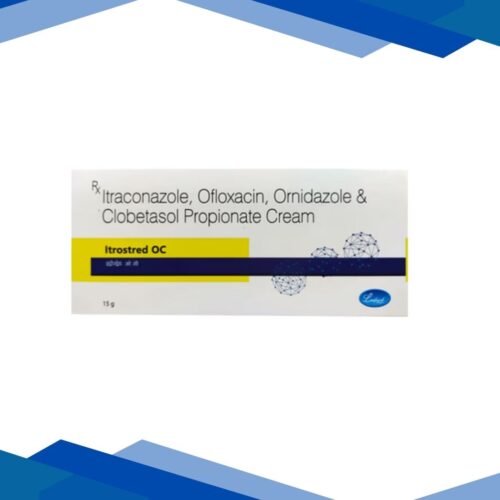
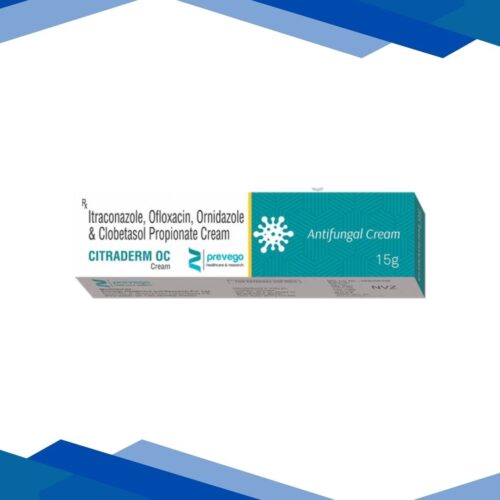
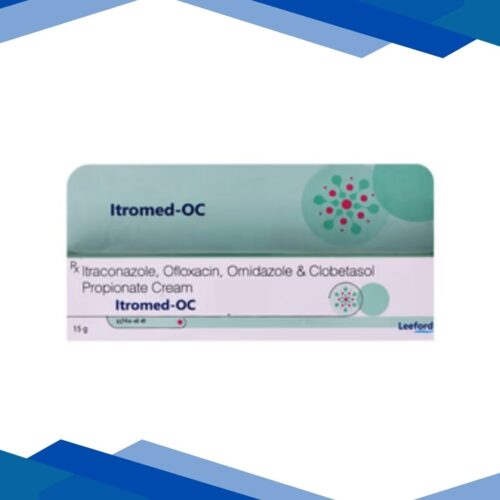
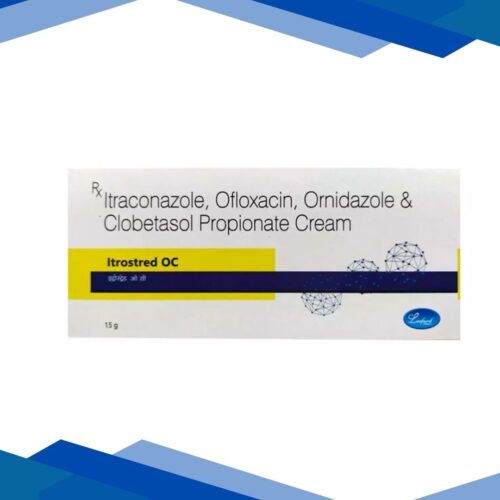
Itraconazole is a potent antifungal medication belonging to the class of triazole agents. It is widely used to treat a broad spectrum of fungal infections affecting the skin, nails, and internal organs. It works by inhibiting ergosterol synthesis, an essential component of the fungal cell membrane, thereby stopping fungal growth and clearing the infection.
Some Therapeutic Uses Include:
Fungal Nail Infections (Onychomycosis): Treats severe infections of fingernails and toenails.
Skin Infections: Effective against ringworm (Tinea corporis), athlete’s foot (Tinea pedis), and jock itch (Tinea cruris).
Oral & Vaginal Thrush: Treats candidiasis affecting the mouth, throat, or vaginal area.
Systemic Infections: Used for serious internal infections like aspergillosis and histoplasmosis, especially in immunocompromised patients.
Dosage Administration Guide
With a Full Meal: Capsules must be taken immediately after a full meal to ensure proper absorption in the presence of gastric acid.
Avoid Antacids: Do not take antacids within 2 hours, as they reduce stomach acidity and decrease drug absorption.
Swallow Whole: Do not crush or chew the capsules, as this affects drug release and pharmacokinetics.
Complete the Course: Continue the full prescribed duration, even if symptoms improve early, to prevent recurrence.
Important Safety Checklist
Heart Precautions: Avoid use in patients with heart failure. Seek medical help if you notice breathlessness, leg swelling, or sudden weight gain.
Liver Effects: Regular liver function monitoring is advised, as the drug is metabolized in the liver.
Contraception: Use effective contraception during treatment and for 2 months after completion.
Alcohol: Avoid alcohol, as it may increase liver strain and worsen side effects like dizziness.
Common Side Effects:
Some individuals may experience:
Gastrointestinal symptoms: nausea, stomach pain
Neurological symptoms: headache, dizziness
General symptoms: cold-like feeling, sore throat
Skin reactions: mild rash or itching
FAQs
Q: Why is Itraconazole taken for a long duration in nail infections?
A: Although the drug kills the fungus, the damaged nail must grow out completely. This may take 6–9 months for fingernails and longer for toenails.
Q: Can I take Itraconazole with coffee?
A: It is better taken after a full meal. Acidic beverages like orange juice or cola may improve absorption in certain conditions like low stomach acid.
Q: What should I do if I miss a dose?
A: Take it as soon as you remember, unless it is close to the next dose. Do not double the dose.
Q: Is Itraconazole an antibiotic?
A: No, it is an antifungal, not effective against bacterial infections like cold or flu.
Q: Can I drive after taking this medicine?
A: Some people may feel dizzy or have blurred vision. Avoid driving until you know how the medicine affects you.
Ofloxacin
OFLOXACIN
OVERVIEW
Ofloxacin is used in the treatment of bacterial infections. It is also used in infections of urinary tract, gastrointestinal tract, female genital organ, skin & soft tissues and lungs (pneumonia).
CLASSIFICATION:
Ofloxacin is an antimicrobial drug in the fluoroquinolone family
USES:
Ofloxacin is a broad-spectrum antibacterial agent with activity against both gram-negative and gram-positive organisms, used for the treatment of bacterial infections such as pneumonia, pyelonephritis, skin and soft tissue infections, and urinary tract infections.
HOW IT WORKS
Ofloxacin acts on DNA gyrase and toposiomerase IV, enzymes which, like human topoisomerase, prevents the excessive supercoiling of DNA during replication or transcription. By inhibiting their function, the drug thereby inhibits normal cell division.
DOSAGE
As directed by the physician
PRECAUTIONS
You should be cautious in the following conditions if you are prescribed Ofloxacin:
Allergic to the medicine or other quinolone/fluoroquinolone antibiotics like Ciprofloxacin, Gemifloxacin, Levofloxacin, etc.
Taking any other medications, vitamins, nutritional supplements, or herbal products.
Taking blood thinners like warfarin, antidepressants, antipsychotics, insulin, and other medicines to treat diabetes like glimepiride, chlorpropamide, tolazamide, etc., and anti-inflammatory drugs like ibuprofen
Taking antacids, supplements, and multivitamins with iron and zinc, then take ofloxacin 2 hours before or 2 hours after taking these medicines.
Medical history of heart diseases or prolonged QT intervals
Pregnancy, breastfeeding, or planning to get pregnant
History of diabetes, hypoglycaemia (low blood sugar) or liver disease
SIDE EFFECTS
The side effects of ofloxacin are:
Fever
Fatigue
Nausea
Constipation
Vomiting
Pale skin
Mouth dryness
Watery stools and maybe blood
Stomach cramps for months, even after the treatment is complete
Itching and rashes
Swelling or yellowing of the eyes and face
Breathing or swallowing trouble
Fluttering heartbeat
Frequent urination and sweating
Constantly feeling hungry or thirsty
If you find any of these symptoms, you should immediately consult your doctor.
Disclaimer
This content is for informational purposes only. Always consult a healthcare provider for medical advice and proper dosage
Ornidazole
ORNIDAZOLE
Overview:
Ornidazole is an antibiotic used to treat infections caused by certain bacteria and parasites. It works by stopping the growth of these microorganisms, helping the body fight infections like intestinal infections, gynecological infections, and some dental or skin infections. It is usually easy to take, though mild digestive issues or a metallic taste may occur in some cases.
Classification: Nitroimidazole derivative
Uses:
Ornidazole is used to treat infections caused by certain bacteria and parasites, such as intestinal infections, gynecological infections, dental infections, and some skin infections. It helps the body fight off these germs and recover faster.Sometimes used for prevention of infections in surgical procedures.
How it works:
Ornidazole works by targeting and stopping the growth of certain bacteria and parasites that cause infections. It interferes with their DNA, preventing them from multiplying, which helps the body clear the infection.In easy terms, it blocks harmful microorganisms from growing, allowing your body to fight off the infection.
Dosage:
As prescribed by your doctor.
Side Effects:
- Nausea or vomiting
- Stomach upset or mild abdominal pain
- Metallic or bitter taste in the mouth
- Headache or dizziness
- Allergic reactions
Precautions:
When using Ornidazole, always take it exactly as prescribed and do not skip doses, even if you feel better. Avoid drinking alcohol while on this medicine, as it can lead to unwanted side effects like nausea or dizziness. Inform your doctor about any liver problems, nerve issues, or if you are pregnant or breastfeeding, so the treatment stays safe and effective for you.
Disclaimer:This content is for informational purposes only. Always consult a healthcare provider for medical advice and proper dosage.