
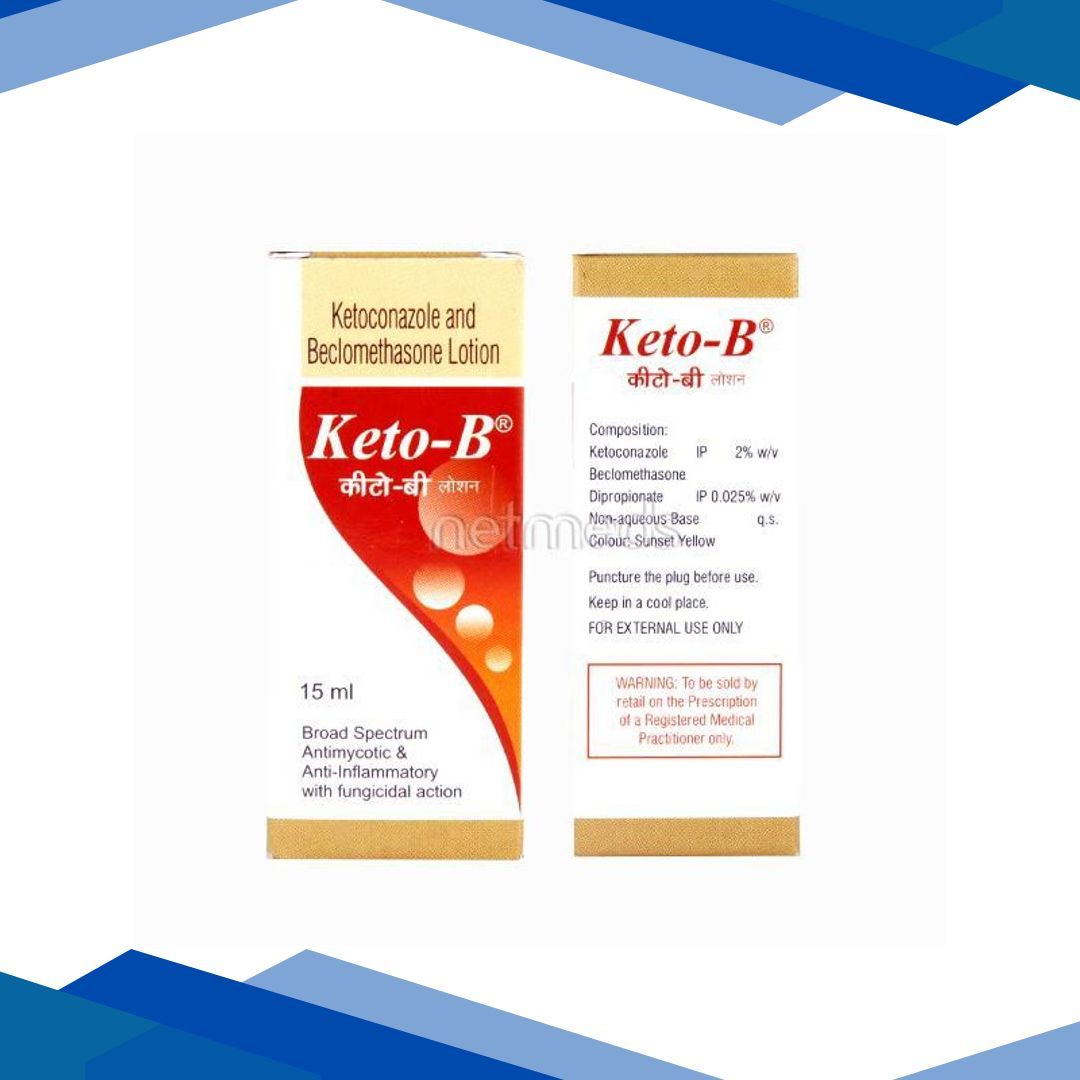
Keto B Lotion 15ml
No Prescription yet? Don’t worry! Click Here to Get Online Consultation
Beclometasone is a corticosteroid medication used to reduce inflammation and allergic reactions in the body. It is commonly prescribed in inhalers for the long-term management of asthma and other respiratory conditions, helping to prevent symptoms such as wheezing, shortness of breath, and chest tightness. Beclometasone is also available as nasal sprays, creams, and ointments to treat allergic rhinitis and various inflammatory skin disorders by suppressing the immune response and decreasing swelling, redness, and irritation.
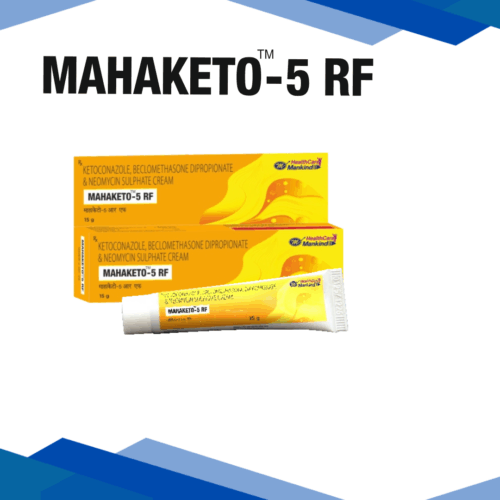
Beclomethasone
Beclomethasone Dipropionate
Beclomethasone is a potent synthetic corticosteroid used in the management of inflammatory and allergic conditions. It works by suppressing the immune response and inhibiting pro-inflammatory mediators, thereby reducing swelling, mucus secretion, and airway irritation. It is often used alongside bronchodilators (β-agonists) or other corticosteroids for better control.
Available Formulations
Nebulizer Solutions/Spray: Acts as a preventer to reduce airway inflammation
Nasal Drops/Spray: Provides direct relief from nasal congestion
Topical Form: Used for skin inflammation and itching
Major Therapeutic Benefits
Localized Anti-inflammatory Action: Targets specific inflamed areas
Asthma Control: Reduces airway hyperreactivity to triggers
Non-Drowsy Allergy Relief: Suitable for daytime use without sedation
Skin Healing: Helps manage chronic dermatitis and itchy conditions
Directions to Use
Inhaler: Use regularly at the same time daily; rinse mouth after use to prevent oral thrush
Nasal Spray: Shake well, clear nasal passage, and spray with head slightly forward
Topical Use: Apply a thin layer; avoid covering unless prescribed
Safety and Side Effects
Inhalation: Hoarseness, throat irritation, or oral infections
Nasal: Dryness, nosebleeds, or unpleasant taste
Skin: Thinning, stretch marks, or burning sensation with prolonged use
Precautions & Warnings
Not for Immediate Relief: Not a rescue medication; use salbutamol for acute asthma attacks
Infections: May mask infection symptoms; inform doctor if infections are present
Withdrawal: Avoid sudden discontinuation
Vision Issues: Long-term use may increase risk of glaucoma or cataracts
Frequently Asked Questions (FAQs)
Q: Is it an anabolic steroid?
No, it is a corticosteroid used for inflammation, not muscle building
Q: How fast does nasal spray work?
Relief may start within 12–24 hours, full effect in 3–7 days
Q: Can it be used on the face?
Only under strict medical supervision
Q: What if I miss a dose?
Take it when remembered; do not double dose
Q: Is it safe for children?
Yes, but requires careful dose monitoring for long-term use
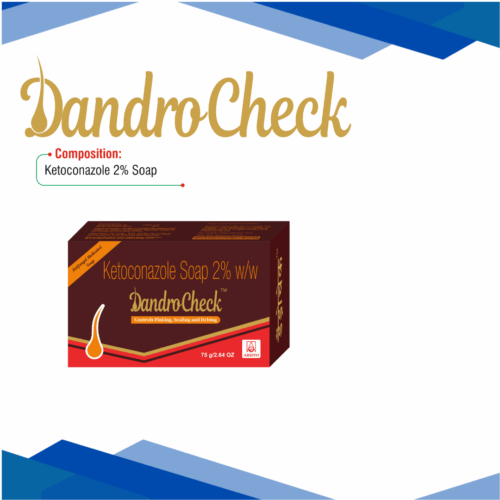
Ketoconazole
Ketoconazole – An Antifungal Medication
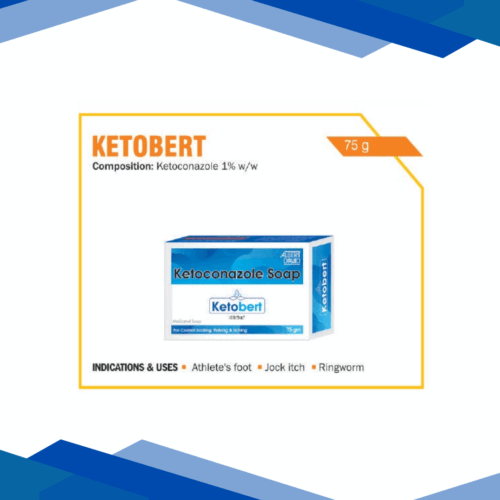
Ketoconazole is a synthetic, broad-spectrum antifungal medication used to treat a wide variety of fungal and yeast infections. It works by inhibiting ergosterol synthesis in the fungal cell membrane, thereby destroying the fungus at its source and preventing its growth.
Ketoconazole is available in multiple forms, including topical creams, medicated shampoos (commonly for dandruff and seborrheic dermatitis), and oral tablets for systemic infections.
Therapeutic Uses
Scalp Conditions: Effective in treating persistent dandruff and seborrheic dermatitis that are difficult to manage.
Skin Infections: Used for Athlete’s Foot (tinea pedis), Jock Itch (tinea cruris), and Ringworm (tinea corporis).
Pityriasis (Tinea Versicolor): Helps clear fungal patches causing skin discoloration.
Systemic Infections: Oral form is useful for deep or resistant fungal infections that do not respond to standard treatments.
How to Use
Topical Cream: Apply a thin layer to the clean, dry affected area once or twice daily. Wash hands thoroughly after application.
Shampoo: Apply to wet scalp/hair, lather, and leave for 3–5 minutes before rinsing. Typically used twice weekly for 2–4 weeks.
Oral Tablets: Take exactly as prescribed, preferably with food to enhance absorption.
Safety & Precautions
Caution: Avoid applying on broken or irritated skin. Keep away from eyes, nose, and mouth.
Liver Function: Monitoring of liver enzymes may be required with oral ketoconazole, due to rare risk of liver toxicity.
Alcohol: Avoid alcohol consumption during oral therapy to prevent adverse reactions.
Pregnancy & Breastfeeding: Consult a doctor or dermatologist before use.
Side Effects & Interactions
Generally well-tolerated, but some users may experience:
Local Effects: Mild redness, itching, or stinging.
Systemic Effects: Nausea, headache, abdominal discomfort (more common with oral form).
Drug Interactions: May interact with antacids and blood thinners. Always inform your pharmacist or doctor about current medications.
Frequently Asked Questions (FAQs)
Q: Can I apply ketoconazole cream to the scalp?
A: While primarily used for skin infections, it may help with scalp inflammation (e.g., related to androgenic alopecia) under medical supervision.
Q: How soon does it start working?
A: Initial improvement such as reduced itching and flaking is usually noticed after 2–3 applications.
Q: Can ketoconazole be used on the face?
A: Yes, for conditions like facial seborrheic dermatitis, but use only as directed and avoid the eye area.
Q: Can I stop using it once the rash disappears?
A: No. Continue for a few days after symptoms resolve to ensure complete eradication of the fungus and prevent recurrence.
Q: Can I use a moisturizer with ketoconazole cream?
A: Yes. Apply a moisturizer 20–30 minutes after using ketoconazole to maintain its effectiveness.
At Gem Pharmacy, we make every effort to provide accurate, expert-written, and thoroughly reviewed information related to medicines. However, this information should not be considered a substitute for professional medical advice, diagnosis, or treatment from a qualified doctor.
The purpose of this information is to educate users and improve communication between patients and healthcare professionals. It should not be used to diagnose or treat any condition.
Always consult a certified healthcare professional before taking any medication.


Related products
SALISIA KT ANTI DANDRUFF Shampoo 75ml