











Leekuf Junior Syrup 60ml
No Prescription yet? Don’t worry! Click Here to Get Online Consultation
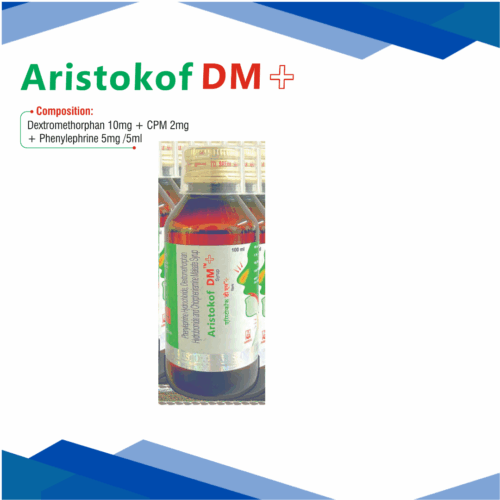
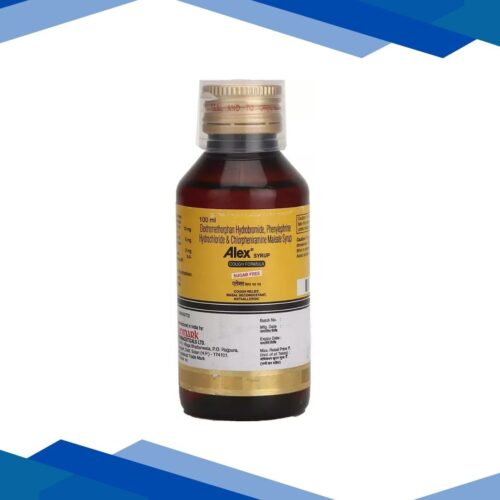
Leekuf Junior Syrup 60ml is used for relieving dry cough, blocked nose, and sinus congestion associated with the common cold and allergies in children. For more details kindly click on Medicine Salts below:
Bromhexine
Bromhexine
Bromhexine is a mucolytic drug indicated in the relief of productive cough associated withexcessive tenacious mucus. The drug provides relief by increasing the thickness of mucus: it breaks the chemical structure of thick mucus so as to render it less thick and less viscous-thereby it (the cough) gets clear in the form of mucus from trachea and lung into air.
Indications:
Productive Cough:
To clear extremely thick mucus secretions from the respiratory tract
Acute & Chronic Bronchitis:
To relieve inflammation and congestion of the bronchial tubes
Emphysema:
Helps in the maintenance of clear airway for patients with chronic lung conditions
Sinusitis:
Drainage of accumulated sinuswith mucous secretion from the nasal passages
Bromhexine works by mesmerizing the thick secretion in the respiratory tract.
Bromhexine works directly on goblet cells of bronke. It enhances the production of liquid mucus and lowers the density of bronchial secretions. By acting and undoing the structure of the phlegm that will otherwise hold tight against it, this Bromhexine-induced phlegm becomes more "productive" and the cough that follows nearly always dislodges it; a body firmly committed to flushing obstructive irritants from its bronchus must allow the effective deployment.
Instructions for use
Dosage: The typical dose for adults is 8-16 mg three times daily. Follow the particular timetable set by your doctor.
Route of Administration: Tablets should be swallowed whole with a glass of water. Consume with food wherever possible to avoid irritation of the stomach lining.
Hydration: Whenever Bromhexine is being taken, increased water consumption will go a long way in improving mucus thinning potential.
Key points of caution
Gastric ulcers: Bromhexine should be used with caution in patients with a history of gastric ulcers, because it has been shown to impair the gastric mucosal barrier sometimes.
Severe Liver/Kidney Impairment: In patients that have considerable hepatic or renal problems, a dose adjustment may be needed.
Pregnancy & Lactation: It is best to avoid Bromhexine during the first trimester of pregnancy. Consult your doctor for a benefit-risk assessment in lactation.
Common Adverse Effects
Bromhexine is usually well tolerated by the patient, but some patients may experience the following:
Minimal upset in the gastrointestinal tract like nausea, bloating, or diarrhea.
Occasional dizziness or headache.
Skin rash or itching (rare allergic reaction).
Note: If you experience swelling of the face suddenly or are having difficulty breathing, do not wait for your mother to come and help you, just stop the medicine and see a doctor.
Frequently Asked Questions (FAQs)
Q: Is Bromhexine the same as an antibiotic?
No. Bromhexine is a mucolytic so it helps loosen up the mucus but does not kill the bacteria. However, if your cough is bacterial, the doctor will prescribe you antibiotics along with bromhexine.
Q: Can Bromhexine work for a dry, hacking cough?
Bromhexine is specifically meant for "wet" or productive coughs, where mucus is present. If you have a dry, tickly, cough without phlegm, it is likely that a cough suppressant (antitussive) will be more appropriate. Please consult with your pharmacist to make the correct selection.
Q: How long does it take for Bromhexine to act?
Most patients will begin to feel some "loosening" of the chest at around 24-48 hours after the continuous dose of Bromhexine. Full clearance of the airways usually happens approximately 3-5 days into the ongoing course.
Q: Can I give Bromhexine to my child?
Bromhexine is available as pediatric drops and syrup. The adult 8-mg tablet is generally appropriate for teenagers and children older than 12 years. Always ascertain pediatric dose with a physician.
Q: Does Bromhexine cause drowsiness?
Unlike some older cough syrups, Bromhexine typically doesn't cause sleepiness or drowsiness. It's typically safe to drive up and operate machinery while on Bromhexine.
Storage & Safety
Store in a cool, dry place below 30°C, protecting from light, and moisture. Always keep your medication out of reach of children.
This content is for information only and does not replace the advice of the healthcare provider. Always seek the guidance of a registered medical practitioner before starting any treatment in any dose.
Dextromethorphan
Dextromethorphan is like an antitussive. Here an antitussive is a neurotransmitter for a diverse number of indications. It is applied for temporary relief of nonproductive cough, which is not the result of congestion. As compared to many other cough medicines that are opioid, this product is non-narcotic; this is acting directly on the brain center controlling the reflex for cough, thereby increasing the threshold for the cough response. This medicine is essentially good for cases of common colds, influenza, and irritant exposure.
Therapeutic Use
Relief of Dry Cough: Primarily used to suppress cough unproductive of phlegm or other secretions.
Cold and Flu Relief: Generally included in multi-symptom products in order to allow the patient some sleep without having a cough.
Relief of Upper Respiratory Allergies: Controls prolonged throat irritation produced from environmental allergies.
Mechanism of Action for Dextromethorphan
Dextromethorphan is a Sigma-1 receptor agonist and a non-competitive NMDA receptor antagonist. By modulating these signals in the medulla oblongata (the 'cough center' of the brain) it reduces the frequency and intensity of bouts of coughing but does not depress the central nervous system as do more traditional narcotics.
Of Note
Non-Addicting: There is no potential of becoming addicted to it. It possesses no analgesic effects.
Rapid-Onset Of Action: It will begin working in 15-30 minutes post-administration.
Longer Duration Of Effect: Depending on formulation (HBr vs. Polistirex), it has an action that will last from 4-12 hours.
Dosages
The most important part of Dextromethorphan is that all doses must be strictly monopolized with the appropriate measurements as the gauge for administration. In adults, 10-30 mg of dosage must almost be administered with other medication in every 4 to 8 hours.
Measurements
One needs to be very serious with the use of equipment like the dosing cups and syringes; a tablespoon in the kitchen is not a good choice.
Administration
The drug can be taken with or without food. Milk or a light snack might help if stomach upset occurs.
Side Effects
Rashly well-tolerated, the drug may make an individual experience:
Mild dizziness or drowsiness
Nausea or vomiting
Restless-ness or jitteriness
Fatigue
Serious cases might lead to symptoms like hallucinations, blurred vision, or extreme shaking. These symptoms are an indication to stop the medication immediately and seek medical attention.
Safety/Safeguards and Precautions
MAOI: The drug should not be taken if you are currently on a Monoamine Oxidase Inhibitor (MAOI) or if you have had one in the last 14 days. This may cause a drug interaction leading to a life-threatening Serotonin Syndrome.
Chronic Issues: Not recommended for coughs caused by smoking, asthma, emphysema, or chronic bronchitis.
Alcohol: Avoid the consumption of alcohol as it worsens the sedative effects of the medication.
Pediatric Use: Before giving to children under 4 to 6 years of age (depending on local regulations), a pediatric consultation is recommended.
Questions and Answers (FAQs)
Q: Does dextromethorphan (DM) have antihistamines?
No. Antihistamines operate by obstructing the allergic substance as DM works at the root of cough in the brain. However, the two are often mixed in formula "Nighttime" cold drugs.
Q: Can I take this for a chesty cough with mucus?
Usually, I don't think, because it won't be very beneficial for wet coughs. That is your body's way of getting rid of a very nasty mucus from your lungs. Otherwise it would add up more, and that would be more congestion.
Q: Does Dextromethorphan cause a high?
Dextromethorpan does not evoke high experiences when it is taken at therapeutic doses. However, using Dextromethorphan can get you high if you abuse it with extreme doses, which is most dangerous. Remember: Always stick to the recommended dosage!
Q: Can I drive right after consuming this medicine?
This medicine might cause slight drowsiness or dizziness in some individuals. You may have to check how you can cope with these sensations before you decide to drive a car or handle heavy machinery.
Q: Is it safe for pregnant patients?
Dextromethorphan is usually safe in some stages of pregnancy (Category C), but you must consult your OB/GYN before use to make sure it is appropriate for your specific health profile.
Phenylephrine
Phenylephrine is a powerful sympathomimetic agent used primarily as a nasal decongestant. Phenylephrine works by targeting alpha-adrenergic receptors in the blood vessels of the nasal passages, causing them to constrict. This action reduces swelling and mucus build-up, making it easier to breathe. Phenylephrine is an ingredient found in many OTC/prescription multi-symptom cold and flu remedies and is usually coupled with paracetamol or antihistamines.
Therapeutic uses
Nasal Congestion: Temporary relief from a “stuffy nose,” caused by common cold, hay fever, or other upper respiratory allergies.
Sinus Pressure: Relief of fullness and pressure in the sinuses.
Allergy Symptoms: Aid in managing the nasal symptoms with seasonal allergy support.
Low blood pressure (hypotension) support: Used in clinical settings and given via injections to keep blood pressure in check during specific medical procedures.
Pages resulting in Phenylephrine therapy
Selectivity in Binding & Mechanism of Action
Phenylephrine's effects on various $\alpha_1$-adrenergic receptors make this particular molecule a highly reliable for causing vasoconstriction when these receptors are activated in the vascular smooth muscle in the nasal mucosa which results in a reduction in the volume of the nasal membranes and lower the flow of fluids, thereby providing the widest opening for air to pass way.
Dosage & Administration
Oral Tablets Dosage
Repetitive dosages via a 3-hour interval are usually administered. A maximum of 6 divided doses might be occasionally required in 24 hours.
Nasal Sprays/Drops Dosage
Spray or drip as prescribed into each side of the nostril. The nasal form should not be used for more than three consecutive days to prevent “rebound congestion.”
With Food
May be taken on an empty stomach or with food. Taking with food may alleviation stomach problems, though it is primarily safe without food if it doesn’t show any adverse side effects.
Provoked Adverse Effects of the Chemical
Productivity in terms of treating symptoms of nasal congestion, although phenylephrine can bring about:
Drowsiness can begin after a long period of insomnia initiation.
High palpitational activities
Insufficient movement (slipping or falling)
Dizziness
Headache
Interactions
Advisor: Immediately report such rare occurrences, especially when there is lightheadedness, fainting, or a swift, irregular heart rate.
Precautions & Warnings
Hypertension: It should not be administered to those already suffering from markedly high blood pressure due to potential significant rise in blood pressure, yet if it is essential, such usage must be closely monitored.
Heart disease: Management of heart disorders supports the avoidance of oral phenylephrine use in patients with coronary artery disease. Phenoxybenzamine may hardly be used in those with CVD (coronary vascular disease).
Endocrine: Sympathomimetic agent influences the heart rate and glycemia; careful care will be required for patients with hyperthyroidism and diabetes.
MAOIs: VERY IMPORTANT: Phenylephrine must not be prescribed with MAOI in the prior 14 days. Such combinations may result in a hypertensive crisis.
Frequently Asked Questions (FAQs)
Q: Do you think Phenylephrine causes sleepiness?
Phenylephrine is a stimulant compared to most of the antihistamines that are largely used in medications for colds. This is why it does not make most people tired, but rather alert or even anxious.
Q: Can I mix Phenylephrine with hypertensive medication?
You need to consult with your cardiologist. It squeezes the blood vessels, unexpectedly counteracting the hypertensive reaction of antihypertensive drugs.
Q: Is Phenylephrine just right for a runny nose?
Phenylephrine is mainly used as a decongestant and works on a blocked nose. If you’re experiencing a runny nose or sneezing as your primary symptoms, taking an antihistamine might be better.
Q: Why should nasal sprays with phenylephrine only be used for 3 days?
When nasal decongestants are used extensively, they can give rise to "rhinitis medicamentosa," and the nasal passageways become permanently swollen and dependent on the medication to remain open.
Q: Can phenylephrine be given to children?
Dosage for children is very much dependent on age and weight. When dealing with a child, never ever give adult strength in phenylephrine. Be sure to only use the pediatric preparation according to the prescribing doctor.
At Gem Pharmacy, we make every effort to provide accurate, expert-written, and thoroughly reviewed information related to medicines. However, this information should not be considered a substitute for professional medical advice, diagnosis, or treatment from a qualified doctor.
The purpose of this information is to educate users and improve communication between patients and healthcare professionals. It should not be used to diagnose or treat any condition.
Always consult a certified healthcare professional before taking any medication.


Related products
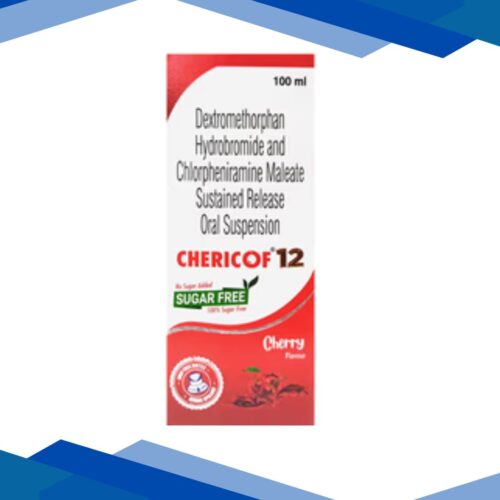
CHERICOF 12 SUGAR FREE CHERRY FLAVOUR Oral Suspension 100ml
Ascoril D Plus Syrup Sugar Free