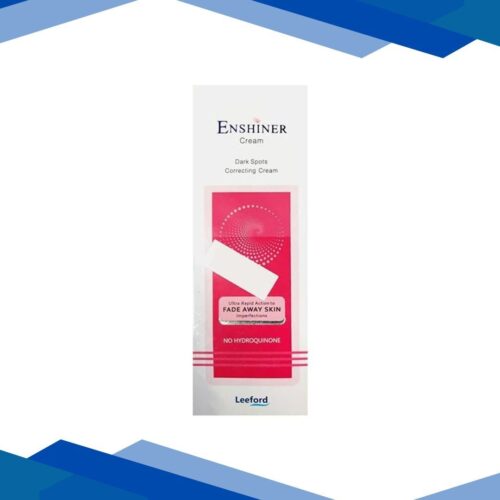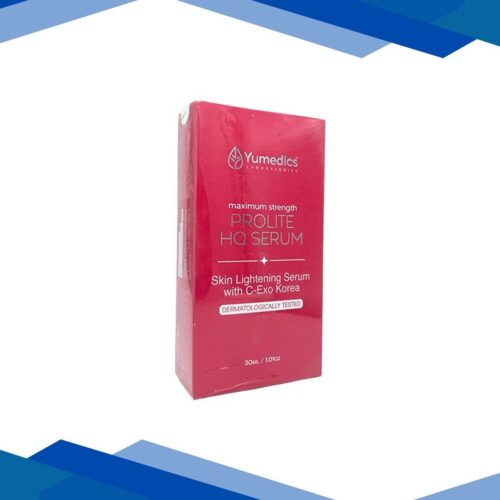

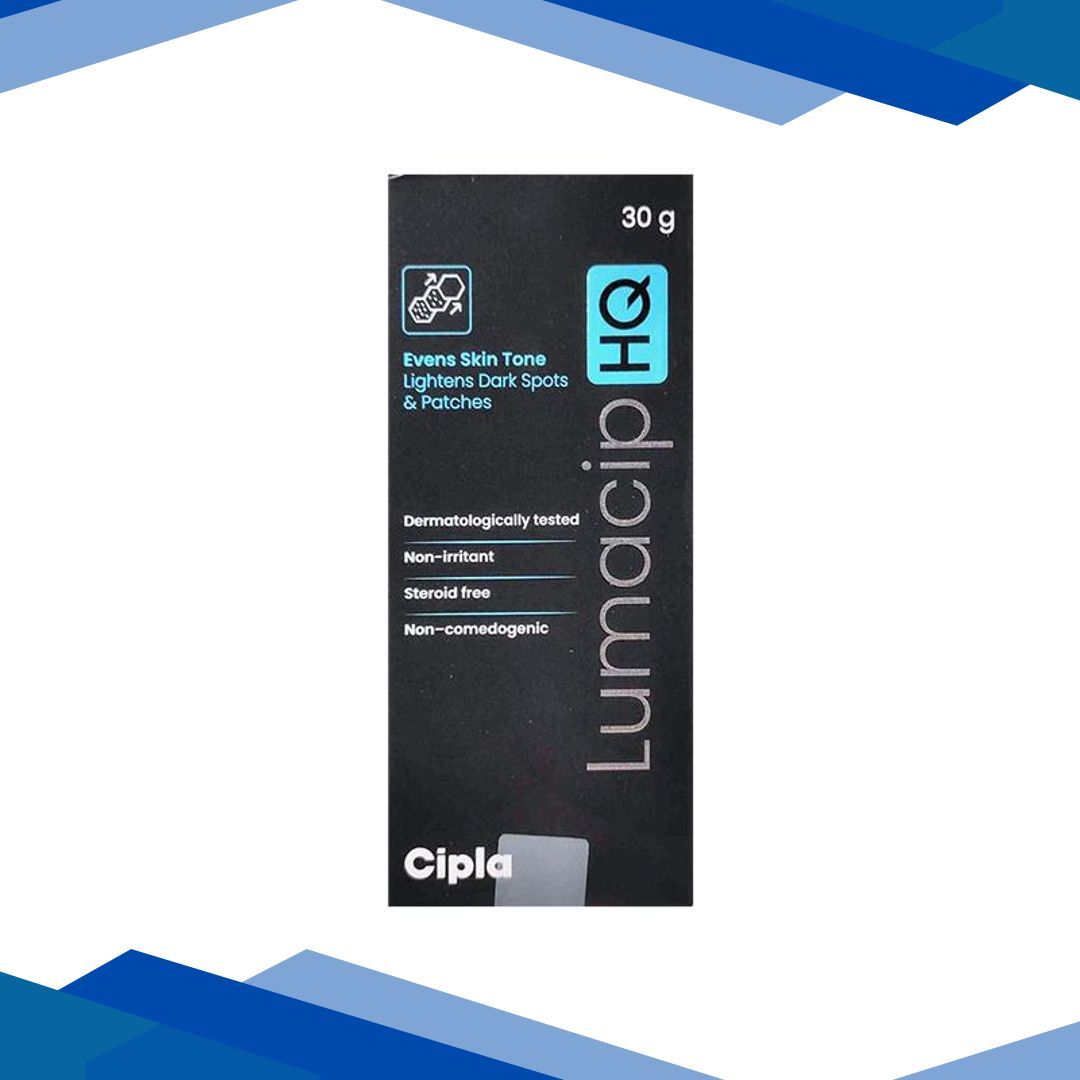
LUMACIP HQ DEPIGMENTING COMPLEX Cream 30g
No Prescription yet? Don’t worry! Click Here to Get Online Consultation
Arbutin + Kojic Acid is a skin-lightening combination commonly used to treat hyperpigmentation, dark spots, melasma, and uneven skin tone. It works by inhibiting the enzyme tyrosinase, which reduces melanin production in the skin. This helps brighten the complexion and gradually fade discoloration for a more even skin tone.
Aluminium Silicate
Alumina Silicates: An Overview and Applications
Aluminum silicate is a naturally occurring mineral usually found as turmeric, and is quite extensively used within the pharmaceutical and cosmetic industry. This kalonitic-like material is essentially adsorbing, so that it can aline with toxins or excess oils, making it very useful in digestion and treatment of skin diseases.
Main Features
The composition of aluminum silicate is
Use: Adsorbent; Protectant
Produced in: Powder, Oral Suspensions, Topical Pastes
Other synonyms are kaolin, hydrated aluminum silicate
Medical Uses and Therapeutic Applications
Aluminum silicate has the ability to take many forms and to provide the following functions:
Medication for the Gastrointestinal System: It is of beneficial effect by absorbing toxins or bacteria from the gut, but it also provides added bulk for diarrhea that is not very serious.
Skin Protection: In topical powders and creams, the alumina silicate helps to soothe irritated skin, manage diaper rash by keeping this area dry, and prevent excessive sweating.
Pharmaceutical excipient: Commonly used in tablet production as filler and lubricant, ensuring a homogenous distribution of active ingredients and facilitating their conveyance during production.
How is It Used
Oral Suspension: Shake the bottle well before using it. It is usually taken after each bowel movement or as instructed by a physician.
Topical Administration: Clean and dry the affected area of the body after applying a thin dusting of the powder or cream.
Hydration: Drink plenty of water when using Botmectin for gastrointestinal disturbances to prevent dehydration.
Possible Side Effects
While generally safe and non-hazardous, some users might face:
Constipation: Often a concern, particularly in cases of excessive oral intake with inadequate fluid support.
Skin Irritation: Apparently rare, some users might experience a rash or itching when applied topically.
Dryness: Increased applications on top of one another over the skin may lead to localized dryness.
Key Warnings
Interactions: Aluminium silicate might interfere with the absorption of other medicines (e.g., antibiotics or heart medicines). It is recommended to take it at least 2 hours before or after any other drugs.
Pre-existing Conditions: Ensure to consult a physician if you are suffering from kidney disease or chronic bowel obstruction.
Duration: Consult a health provider if diarrhea lasts for more than 48 hours.
Frequently Asked Questions (FAQs)
Q: Is Aluminium Silicate the same as Kaolin?
A: Yes. More precisely, Kaolin is that specific form of noncoherent white rock constituted of hydrated aluminium silicate and used synonymously with aluminium silicate in most over-the-counter gastric relief preparations.
Q: Can it be used for acne?
A: As several certified clay masks do, Aluminium Silicate includes added oil-absorbing properties. Although it helps open the pores, in the end, it is not a direct "treatment" for inflammatory acne.
Q: Is it safe for children?
A: Its use in diaper rash creams for children is less prevalent, therefore consulting a pediatrician is recommended when beginning oral adsorbents in individuals under 12 years of age.
Q: Do they cause bloating?
A: Some people may experience mild to moderate instances of bloating or the sensation of fullness whenever the oral form of the adsorbent is consumed; however, it usually fades away almost instantly.
Arbutin
Alpha-Arbutin is a natural active ingredient known for the potent skin-brightening properties. However, this bio-synthetic compound derived from plants, such as the bearberry, has had some functional modifications vis. hydroquinone, while at the same time, exhibiting better safety profiles. It is said that in managing hyperpigmentation, dark spots, and uneven skin texture, alpha-arbutin is above gold-class in relevance because this substance, being non-cytotoxic toward cells, minimally inhibits melanin production.
Indications & Uses
Removes Hyperpigmentation: Efficiency in reducing hyperpigmented patches of melasma, freckles, and sunburns. It has high efficacy on various types of age spots.
Treats Melasma: This product is generally found to be one of the safer choices to hydroquinone for the treatment of melasma due to hormonal changes.
PIH (Post-inflammatory Hyperpigmentation): This product is good for the clearance of PIH: the marks of acne and other injuries.
Enhanced Radiance: In addition to brightening the skin as a whole, it improves skin coloration.
Equally Gentle: Arbutin treatment is slow in releasing lightening components. This feature also makes the extract work for sensitive skin types.
The Mode of Action: How It Works
Alpha-Arbutin achieves all its depigmenting activity by competitively inhibiting tyrosinase, a key enzyme responsible for initiating the first two steps in melanin formation. The arbutin molecule serves as a substrate analog, since it can bind with increasing affinity to the tyrosinase molecule. It stands to block the binding site for DOPA. By not allowing the conversion of DOPA into melanin, the resulting control of such a procedure leads to a slow descent of pigmented cells, giving their place to a new skin with less pigment.
Operating Mechanisms
Composition: Generally, alpha-arbutin is found in a range between 1% and 2%.
Stability: It has been claimed that alpha-arbutin has been proven to be 10 times more stable than beta-arbutin.
How to Use
Cleaning: Your skin may start with a mild cleanser to remove the toxic products from IPL and the skin, and then frequently dry it.
Apply: Take two to three drops of the serum or, for cream, a pea-sized drop is best.
Evaluate: Apply to the affected areas only or to the entire face, avoiding the under-eye area.
Frequency: Used twice daily, morning and evening, for optimum results.
Protection: Wear protective clothing; apply generous amounts of broad-spectrum sunscreen (SPF 30 or greater) during daylight hours to prevent sensitive skin from UV rays from all kinds of brightening agents.
Common Side Effects
Side effects are very rare. Users should report side effects of these mild discomforts:
Redness: Most probably there's a bit of redness initially upon application.
Tingling: There may be a tingly sensation reported but less likely.
Dryness: Dryness, especially in the winter months, perhaps occurs most often.
Relationship to sunlight: Use of Alpha-Arbutin can make the skin more sunlight sensitive!
Always stop the use of Alpha-Arbutin immediately if you experience excessive itching, swelling, and/or burning sensation, and contact your dermatologist.
Precautions and Warnings
None caused by Alpha-Arbutin itself, which ranges from annoying to highly dangerous, but users should still be vigilant before further on it.
Patch Test: Patch testing should preliminarily be carried out on the inner forearm for 24 hours before full facial application.
Pregnancy: From a theoretical standpoint, it should be much safer than hydroquinone, but it is always advisable for pregnant women to actively seek the opinion of an ob-gyn before starting this product.
Layering: According to another reputable research journal, be cautious with sustained application in face exercises whenever absolutely necessary.
FAQs
Q: Is Alpha-Arbutin Superior to Hydroquinone?
Alpha-Arbutin is a safer, non-toxic alternative to Hydroquinone. Hydroquinone kills cells producing pigment while Arbutin merely inhibits the enzyme that mediates it, thereby making its long-term application much safer without the risk of ochronecrosis (a bluish-black discoloration of the skin).
Q: How Long before I begin to see results?
Patience goes a long way with Arbutin treatment. Visible changes in dark spots and skin tone begin to appear in most users by around weeks 8 to 20 of regular, twice-a-day use.
Q: Can I use Arbutin on dark skin?
In contrast to other harsh bleaching agents that could cause rebound hyperpigmentation in the case of darker skin tones, the action of Alpha-Arbutin on all skin types and ethnicities is absolutely safe and effective.
Q: Does Arbutin really whiten my skin forever?
No. Arbutin works on melanin production. If you stop using the prep and begin to expose it to the sun without proper protection, your natural pigment levels will eventually return.
Q: Is it okay to use Arbutin along with Vitamin C?
Yes, using them both together is recommendable. They create a tangible interaction. Vitamin C can help fight free radicals, and for enhanced melanin and pigment inhibition, topical Arbutin is required.
Kojic Acid
Kojic Acid (Dermatological Grade) with Kojic Acid being a nature-based chelation agent sourced from different fungi types such as Aspergillus oryzae, it has become a very essential skin-lightening agent of great repute practiced and instituted in the famous dermatological set. It works by inhibiting the production of free tyrosinase, an enzyme indispensable in the melanin synthesis process. Consequently, it reduces the melanin production pace and is proficient at treating various types of hyperpigmentation, melasma, and age spots. It is a perfect advocate for equalizing skin color and facial sheen.
Primary Benefits
Reduction of Hyperpigmentation: Discoloration, sun damage, and various forms of post-inflammatory hyperpigmentation caused by acne are toned down.
Treating Melasma: It is often recommended as a safe substitute for hydroquinone to manage inherently hormonal darkening of the skin.
Anti-Aging Effects: With respect to liver spots and age spots, the skin display will look young.
Skincare: It helps in preventing common skin infections because of its antibacterial properties while fighting against the trigger-causing bacteria that results in acne.
Formulation Specifications
Popular Forms: Cream, Serum, Soap, Concentrated Powder
Standard Concentration: Ranges at $1%$ to $4%$ typically for safety concerns for topical applications
Main Ingredients: Usually mixed with vitamin C or glycolic acid for better effect
Skin Compatibility: Suitable for most skin types, including oily and combination skin.
Application Guidelines
Cleanse: Cleanse your face with a mild cleanser and dry.
Apply: Apply pea-sized Kojic Acid cream or serum spot with pigmented darkened areas.
Absorption: Massage gently till skin completely delivers the product
Frequency: Begin by applying once per day to your face at night; if well accepted by the skin, apply twice daily.
Caution/Warnings
Sun Sensitivity: Kojic Acid makes skin particularly vulnerable to UV damage. It is mandatory to apply a broad-spectrum sunscreen (SPF 30 or more) during the day patch test.
A patch test should be performed on the inner forearm for 24 hours before full facial application to exclude irritation.
Avoid Using Broken Skin: Do not apply to open wounds, active rashes, or severely irritated skin.
Contact Dermatitis: If you experience persistent redness, itching, or a burning sensation, stop using and consult a dermatologist.
Frequently Asked Questions (FAQs)
Q: How long does it take to see results from Kojic Acid? Visible lightening of dark spots may take 4 to 6 weeks of consistent daily use. For deeper pigmentation like melasma, it may be 3 months before substantial improvement appears.
Q: Can I use Kojic Acid with Vitamin C? Yes, they can be combined because Kojic Acid and Vitamin C are much stronger and very good together for brightening the skin and for protection against oxidative stress. Many high-end serums mix them for better results.
Q: Is Kojic Acid a bleach? Kojic Acid does not bleach at all. Unlike the harsh chemical bleaches that destroy the melanocytes, Kojic Acid simply decreases the enzyme that produces melanin, thereby proving much safer for long-term use.
Q: Can I use Kojic Acid soap on my body? Kojic Acid soaps are effective in instructing for use on the body to help even out skin tone in areas like darkened underarms or inner thighs. However, ensure you follow with good moisturization after using these soaps to combat the drying effect.
Q: Is it safe to use during pregnancy? Kojic Acid is presumed to be safe as compared to using hydroquinone, however, speak with your dermatologist or OB-GYN prior to deploying any active skin-lightening product during pregnancy or breastfeeding to keep your babies well-protected.
Treatment SisQuombat Results
In order to inhibit the re-occurrence of dark spots, pair your Kojic Acid treatment with a moisturizer containing Niacinamide. The latter reinforces the skin barrier and stops the movement of pigment to the skin surface, making the perfect complement to Kojic Acid inhibition mechanism.
Disclaimer: The information shared here is for education only and should in no way substitute for the experience and guidance of a medical professional. Always consult a qualified dermatologist before solely hitting off a new skincare regimen.
At Gem Pharmacy, we make every effort to provide accurate, expert-written, and thoroughly reviewed information related to medicines. However, this information should not be considered a substitute for professional medical advice, diagnosis, or treatment from a qualified doctor.
The purpose of this information is to educate users and improve communication between patients and healthcare professionals. It should not be used to diagnose or treat any condition.
Always consult a certified healthcare professional before taking any medication.


Related products
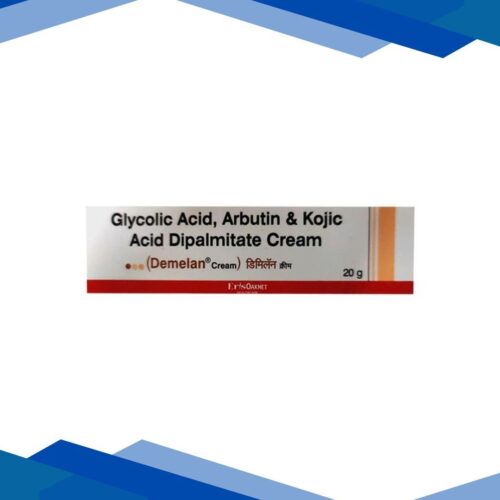

PROLITE HQ Serum 15ml
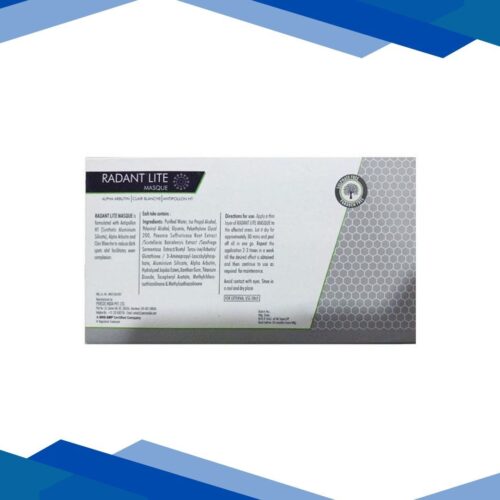
RADANT LITE Masque 50ml