Mecobalamin
MECOBALAMIN
Overview:
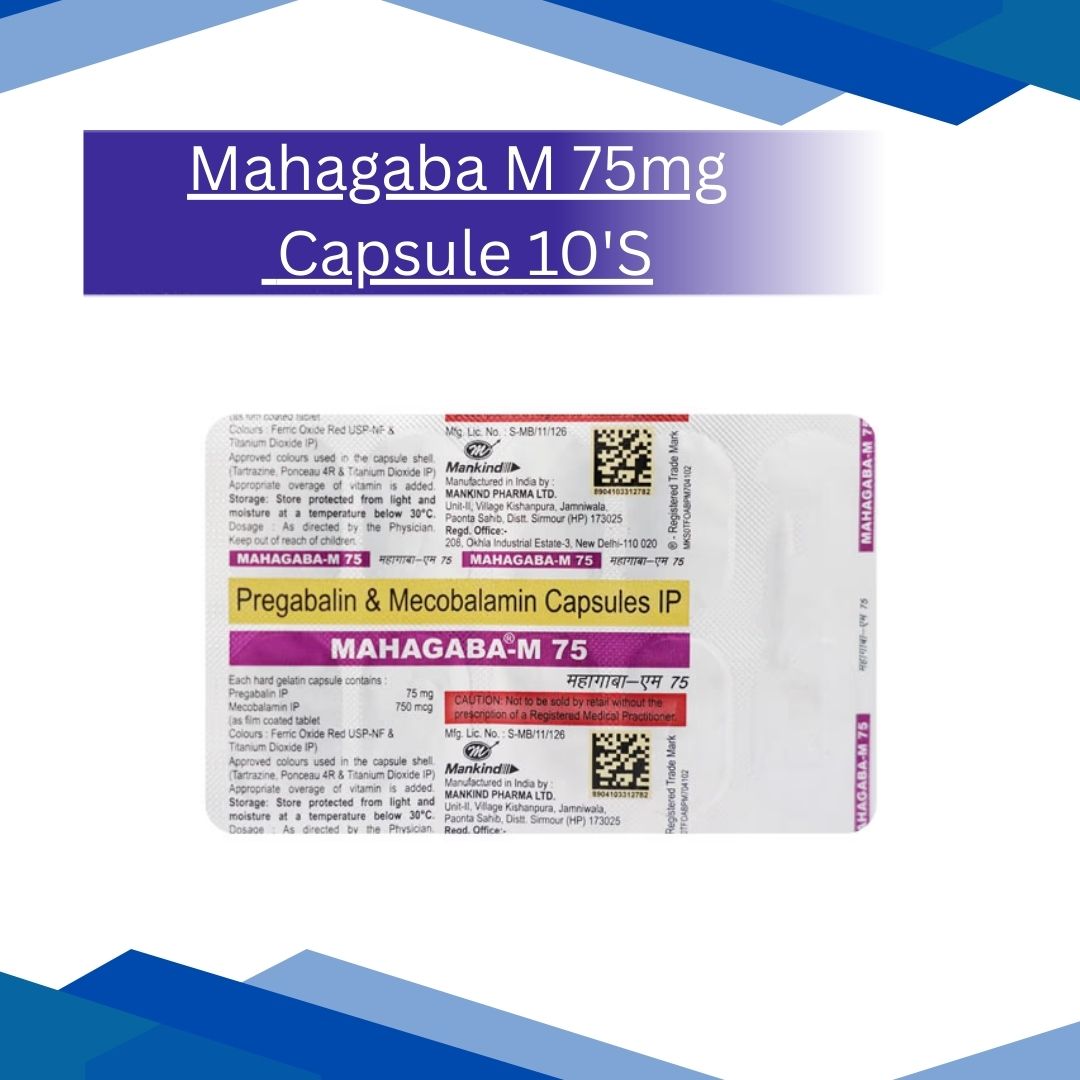
Mecobalamin, also known as methylcobalamin, is an active form of vitamin B12 that is directly used by the body. It plays a crucial role in maintaining healthy nerves, producing red blood cells, and supporting brain function. It also helps in treating certain types of anemia. Mecobalamin works by repairing nerve cells and improving their function.
Classification:
Vitamin B12
Uses:
Mecobalamin is mainly used to treat problems caused by a lack of vitamin B12 in the body. It helps in treating nerve-related issues like numbness, tingling, and weakness, especially in people with diabetes, alcohol-related nerve damage, or other nerve problems. It is also used to treat a type of anemia called megaloblastic anemia, which happens when the body can’t make enough healthy red blood cells.
How It Works:
Mecobalamin is the active coenzyme form of vitamin B12,which works primarily by participating in key biochemical reactions essential for nerve and blood cell function. It acts as a cofactor for the enzyme methionine synthase, which helps convert homocysteine to methionine—a vital amino acid used to produce S-adenosylmethionine (SAMe). SAMe is a universal methyl donor involved in various methylation processes such as DNA synthesis, neurotransmitter regulation, and myelin sheath maintenance. Mecobalamin is especially important in the nervous system, where it promotes the regeneration of damaged nerves, repairs the myelin sheath, and improves nerve signal transmission. Additionally, it supports nucleic acid synthesis, which is necessary for the production of healthy red blood cells, helping to treat megaloblastic anemia. This dual action—on nerves and blood—makes mecobalamin highly effective in managing neurological disorders, peripheral neuropathies, and vitamin B12 deficiency.
Dosage:
As prescribed by your doctor.
Side Effects:
Nausea
Dizziness
Diarrhea
Pain or swelling at the injection site
Fatigue
Precautions:
Before using Mecobalamin, certain precautions should be taken to ensure safe use. Patients should inform their doctor if they have a history of allergies to vitamin B12 or related compounds. Those with Leber’s disease, a rare inherited eye disorder, should avoid mecobalamin, as it may worsen vision loss. Caution is also advised in individuals with low potassium levels, folate or iron deficiency, or kidney and liver problems. Mecobalamin is generally considered safe during pregnancy and breastfeeding, but it should only be used under medical supervision. It is important to tell your doctor about any other medications you are taking, especially metformin, antacids, or proton pump inhibitors, as these can reduce vitamin B12 absorption. Alcohol can also interfere with its effectiveness
Disclaimer
This content is for informational purposes only. Always consult a healthcare provider for medical advice and proper dosage.
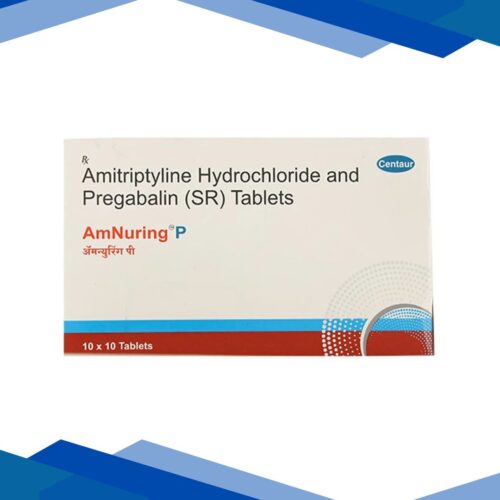
Pregabalin
PREGABALIN
Overview:
Pregabalin is a medicine used to relieve nerve-related pain, prevent seizures, and manage anxiety. It works by calming overactive nerves in the brain and spinal cord, which helps reduce pain, tingling, or abnormal nerve signals. People use it to treat nerve pain from diabetes, lingering pain after shingles, fibromyalgia, or epilepsy.
Classification: Anticonvulsant
Uses:
Pregabalin is mainly used to relieve nerve-related pain, control seizures, and manage anxiety. It can help with nerve pain caused by diabetes, post-shingles pain, fibromyalgia, or other nerve disorders, making daily life more comfortable. It’s also used as part of epilepsy treatment to help prevent seizures.
How it works:
Pregabalin can relieve nerve pain by calming those nerves that are overactive in the brain and the spinal cord. It attaches to specific calcium channels on nerve cells thereby lowering transmission of chemical substances that carry the pain signal or induce a seizure. In this manner, Pregabalin decreases nerve pain, tingling of the nerve, and abnormal nerve activity making people more comfortable and in control of their symptoms.
Dosage: As prescribed by your doctor.
Side Effects:
- Drowsiness or sleepiness
- Dizziness or lightheadedness
- Weight gain or mild swelling (edema)
- Dry mouth
- Blurred vision
Precautions:
Before taking Pregabalin, it’s important to tell your doctor if you have any kidney problems, heart issues, or a history of mood disorders. Avoid driving or operating heavy machinery until you know how the medicine affects you, because it can cause drowsiness or dizziness. Take it exactly as prescribed and do not stop suddenly, as this can trigger seizures. Also tell your doctor about any other medicines or supplements you use to prevent interactions.
Disclaimer:This content is for informational purposes only. Always consult a healthcare provider for medical advice and proper dosage.