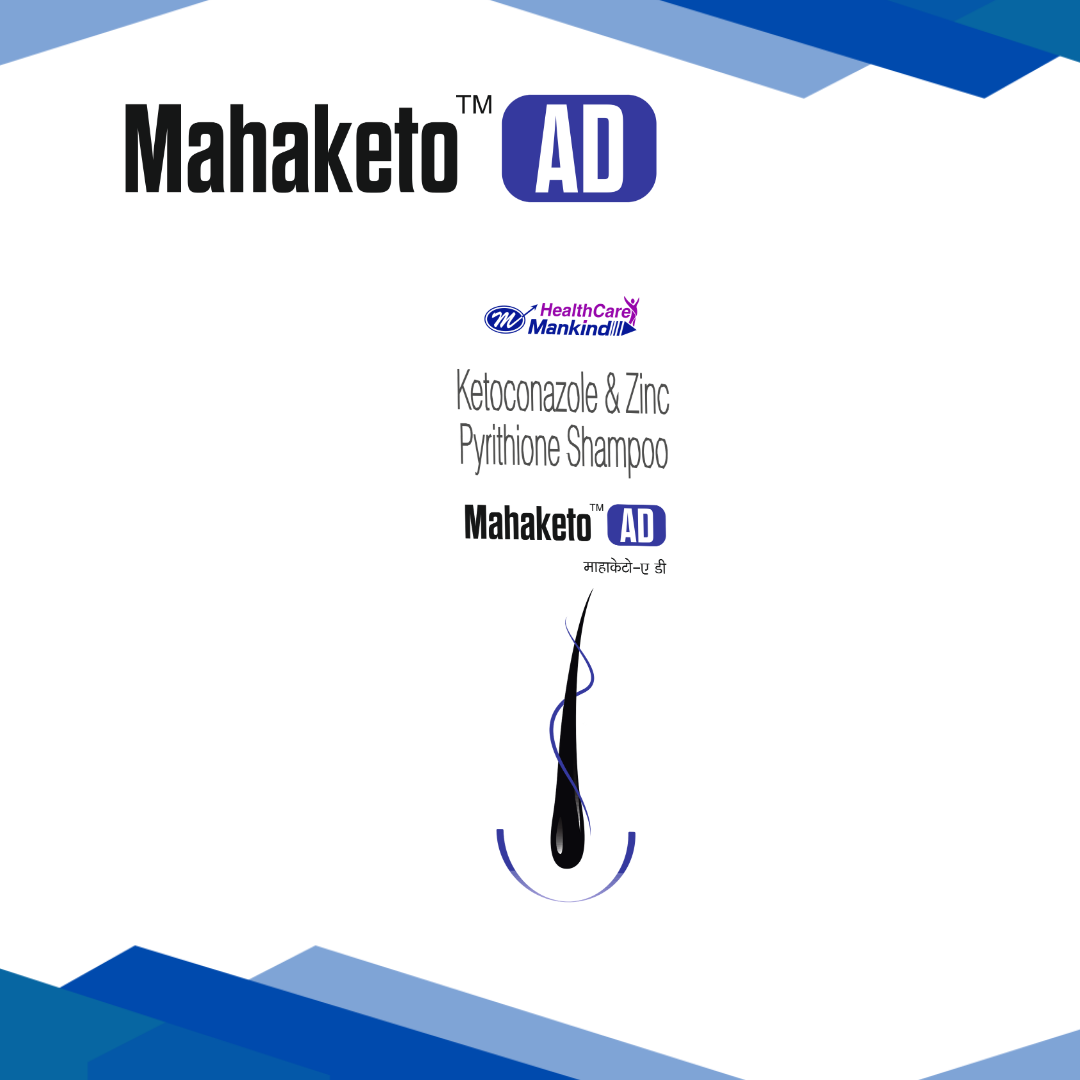
Mahaketo AD
❌ Due to high demand, this product is currently out of stock. New stock will be available shortly.
👉 Click here to Buy Same Salt medicine
No Prescription yet? Don’t worry! Click Here to Get Online Consultation
Mahaketo AD shampoo is used to treat dandruff, seborrheic dermatitis, and fungal scalp infections. It reduces itching, flaking, and scaling of the scalp while preventing fungal growth.For more details kindly click on Medicine Salts below:
Ketoconazole
Ketoconazole – An Antifungal Medication
Ketoconazole is a synthetic, broad-spectrum antifungal medication used to treat a wide variety of fungal and yeast infections. It works by inhibiting ergosterol synthesis in the fungal cell membrane, thereby destroying the fungus at its source and preventing its growth.
Ketoconazole is available in multiple forms, including topical creams, medicated shampoos (commonly for dandruff and seborrheic dermatitis), and oral tablets for systemic infections.
Therapeutic Uses
Scalp Conditions: Effective in treating persistent dandruff and seborrheic dermatitis that are difficult to manage.
Skin Infections: Used for Athlete’s Foot (tinea pedis), Jock Itch (tinea cruris), and Ringworm (tinea corporis).
Pityriasis (Tinea Versicolor): Helps clear fungal patches causing skin discoloration.
Systemic Infections: Oral form is useful for deep or resistant fungal infections that do not respond to standard treatments.
How to Use
Topical Cream: Apply a thin layer to the clean, dry affected area once or twice daily. Wash hands thoroughly after application.
Shampoo: Apply to wet scalp/hair, lather, and leave for 3–5 minutes before rinsing. Typically used twice weekly for 2–4 weeks.
Oral Tablets: Take exactly as prescribed, preferably with food to enhance absorption.
Safety & Precautions
Caution: Avoid applying on broken or irritated skin. Keep away from eyes, nose, and mouth.
Liver Function: Monitoring of liver enzymes may be required with oral ketoconazole, due to rare risk of liver toxicity.
Alcohol: Avoid alcohol consumption during oral therapy to prevent adverse reactions.
Pregnancy & Breastfeeding: Consult a doctor or dermatologist before use.
Side Effects & Interactions
Generally well-tolerated, but some users may experience:
Local Effects: Mild redness, itching, or stinging.
Systemic Effects: Nausea, headache, abdominal discomfort (more common with oral form).
Drug Interactions: May interact with antacids and blood thinners. Always inform your pharmacist or doctor about current medications.
Frequently Asked Questions (FAQs)
Q: Can I apply ketoconazole cream to the scalp?
A: While primarily used for skin infections, it may help with scalp inflammation (e.g., related to androgenic alopecia) under medical supervision.
Q: How soon does it start working?
A: Initial improvement such as reduced itching and flaking is usually noticed after 2–3 applications.
Q: Can ketoconazole be used on the face?
A: Yes, for conditions like facial seborrheic dermatitis, but use only as directed and avoid the eye area.
Q: Can I stop using it once the rash disappears?
A: No. Continue for a few days after symptoms resolve to ensure complete eradication of the fungus and prevent recurrence.
Q: Can I use a moisturizer with ketoconazole cream?
A: Yes. Apply a moisturizer 20–30 minutes after using ketoconazole to maintain its effectiveness.
Pyrithione
PYRITHIONE
Overview:
Pyrithione, also referred to as zinc pyrithione, is an agent with antifungal and antibacterial properties frequently found in medicated shampoos, creams, and soaps. It is primarily employed to address dandruff, seborrheic dermatitis, and specific skin infections.
Classification:Antifungal / Antibacterial agent
Uses:
Pyrithione is primarily used to treat dandruff, seborrheic dermatitis, and scalp psoriasis. It alleviates itching, flaking, and irritation by inhibiting the proliferation of yeast and bacteria on the skin. This compound is frequently included in anti-dandruff shampoos, as well as in creams and lotions designed for skin infections. Additionally, it is sometimes employed to treat acne and minor fungal skin issues.
How it works:
Zinc pyrithione, also referred to as pyrithione, acts by compromising the integrity of fungal and bacterial cell membranes, thereby inhibiting their ability to grow and reproduce. It disrupts vital enzymes within these cells, leading to their demise. This process effectively manages the excessive growth of yeast, such as Malassezia, and bacteria on the skin and scalp, which helps to reduce the inflammation, itching, and flaking commonly associated with conditions like dandruff and seborrheic dermatitis.
Dosage:As prescribed by your doctor.
Side effects:
Itching or burning sensation
Skin irritation or redness
Skin irritation or redness
Eye irritation (if shampoo accidentally enters eyes)
Precautions:
Pyrithione is meant for use exclusively on the skin or scalp and should be kept away from the eyes, mouth, and any areas of broken skin. Those with sensitive skin or a history of allergic reactions should proceed with caution and might want to conduct a patch test before incorporating it into their routine. Should you notice any irritation, redness, or rash, discontinue use immediately and consult a healthcare professional. It is recommended to avoid applying it to deep wounds or severe burns. Women who are pregnant or breastfeeding should seek advice from a healthcare provider before using pyrithione-containing products regularly.
Disclaimer:This content is for informational purposes only. Always consult a healthcare provider for medical advice and proper dosage.
ZINC
Zinc (Elemental Zinc/Zinc Salts)
Zinc is an essential trace mineral vital for the activity of more than 300 enzymes in the human body. It plays a fundamental role in immune function, protein synthesis, wound healing, and DNA synthesis. With no specialized zinc storage system, a daily intake is necessary to maintain homeostasis. Zinc is mostly applied clinically to treat nutritional deficiencies, assist in pediatrics' growth and manage acute diarrhea.
Therapeutic Uses
Immune System Support: Acts as a gatekeeper of immune function, helping the body resist infections and reducing the duration of the common cold.
Diarrhea Management: WHO recommends zinc to reduce the severity and duration of diarrhea, particularly in children.
Skin Health & Repair: Essential for maintaining skin integrity; often used to treat acne, eczema-like rashes, and slow-healing wounds.
Sensory Function: Crucial for the maintenance of the senses of taste and smell.
Growth & Development: Synergists during growth & development, from pregnancy to childhood, & adolescence.
Key Features
Several Salt Forms: This nutritional mineral comes in Zinc Sulfate, Zinc Gluconate, and Zinc Acetate; the latter two should be preferred probably for easy GI tolerance as and when needed.
High Bioavailability: High bioavailability makes it rapidly absorbed from the small intestine.
Essential Micronutrient: Iron serves as an 'essential' mineral because it can't be made in the body.
Instructions for Use
Dosage: Per prescription from health care providers or on causal bases, one to two tablets is the recommended dose to make up the RDA of, say, 8mg for women and 11mg for men.
Timetime: One hour before or two hours after meal for maximal absorption.
Questionable Stomach? Nausea from zinc is through- add some food and this might reduce absorption a tad.
Avoid Interference: Do not take zinc with iron or calcium supplements, as these minerals compete for absorption.
Possible Side Effects
At recommended doses, side effects with Zinc are uncommon. Nonetheless, a few users may encounter the following difficulties:
GI Disturbances: Zinc Sulfate causes common nausea, vomiting, and stomach pains.
Metallic Taste: A lingering taste in the mouth will occur.
Copper Deficiency: Excessive zinc intake, longer than 40 mg/day, can be an obstruction to copper absorption, leading to anemia.
Cautions and Restriction
Drug Interactions: Zinc may interfere with the absorption of certain antibiotics (eg. Quinolones and Tetracyclines). So if you are on these medications, take them at least 2 hours before or 4–6 hours after taking Zinc.
Renal Health: Be cautious if you have kidney deficiencies, as minerals can build up.
Pregnancy & Lactation: Zinc needs are higher during these periods and supplementation should be by prescription only.
Avoid taking antacids two hours before/after your zinc dose since they may actually reduce its effectiveness.
Frequently Asked Questions (FAQs)
Q: Which is the best form of Zinc, sulfate, gluconate, or acetate?
All forms are equally good carriers of elemental zinc. Zinc sulfate tablets offer more zinc for the money and is commonly found, but zinc gluconate or acetate forms are most often desired in syrups and lozenges as they are less bitter and milder on the stomach.
Q: Can Zinc delete a common cold faster?
Yes, clinical studies show that taking Zinc lozenges or syrup less than 24 hours after the initial phase of a common cold can significantly reduce the duration and severity of a cold.
Q: How can I tell if I have Zinc deficiency?
Common signs include frequent infections, thinning of the hair, decreased appetite, changes in taste or smell, and wounds that are slow to heal among other few. If you are experiencing these symptoms, it is suggested to check with your clinician for a blood test.
Q: Can I take Zinc and Iron together?
That's correct. A large intake of iron (25mg or more) will seriously inhibit zinc absorption. It is best we supplement each with enough hours separation (e.g. morning and evening).
Q: Will it be safe to consume 50mg of zinc every day?
The "Tolerable Upper Intake Level" figure for adult consumption stands at 40 mg/mg per day. In any case, taking 50 mg/day or more on one's own overtime without any doctor's supervision will result in a copper deficiency and weakened immunity.
Storage
Store in the same fashion others are stored: dry places away from direct sunlight with the container tightly closed to prevent moisture from getting in.
Disclaimer: INFO THIS ARTICLE OFFERS IS PRESENTED IN AN INFORMATIVE WAY. IT IS NOT SUBSTITUTING FOR PROFESSIONAL MEDICAL ADVICE OR DIAGNOSIS. ALWAYS CONSULT YOUR DOCTOR BEFORE TAKING ANY NEW MINERAL SUPPLEMENT.
At Gem Pharmacy, we make every effort to provide accurate, expert-written, and thoroughly reviewed information related to medicines. However, this information should not be considered a substitute for professional medical advice, diagnosis, or treatment from a qualified doctor.
The purpose of this information is to educate users and improve communication between patients and healthcare professionals. It should not be used to diagnose or treat any condition.
Always consult a certified healthcare professional before taking any medication.


Related products
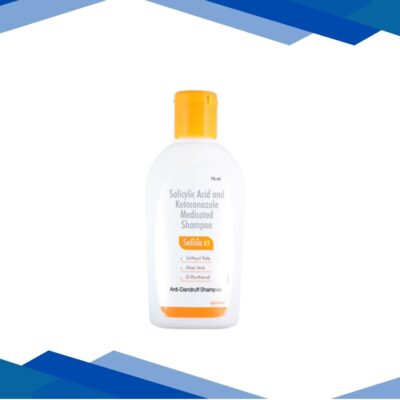
SALISIA KT ANTI DANDRUFF Shampoo 75ml