



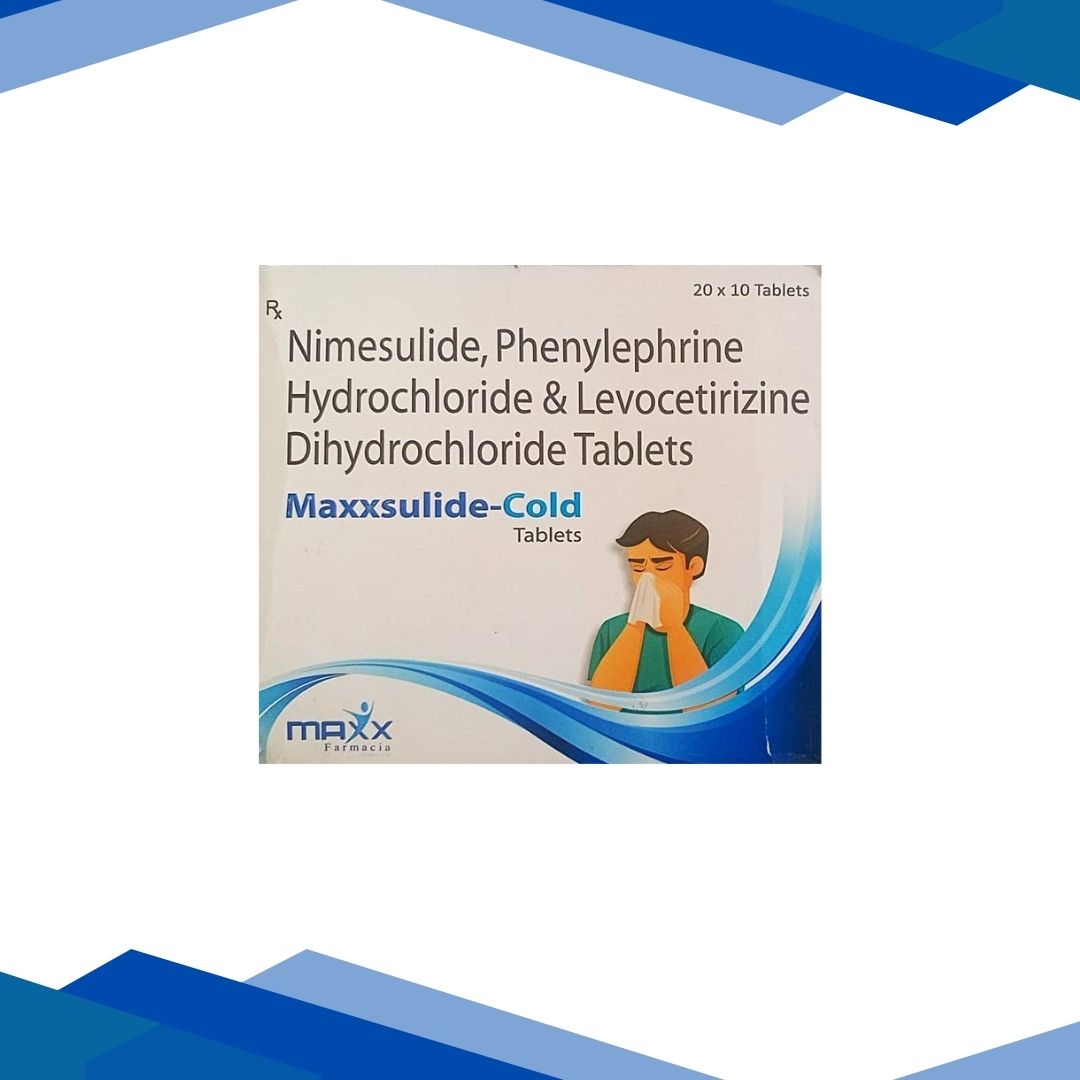
MAXXSULIDE COLD Tablet 10’s
No Prescription yet? Don’t worry! Click Here to Get Online Consultation
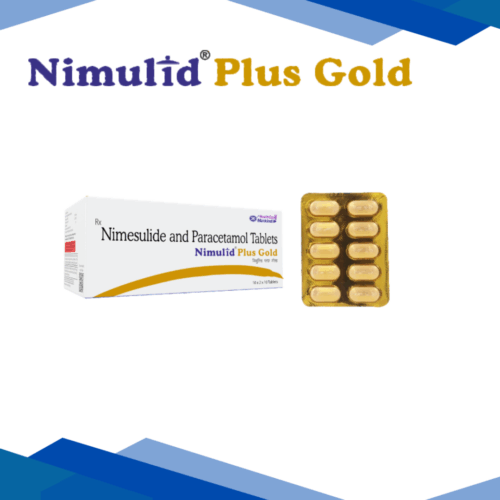
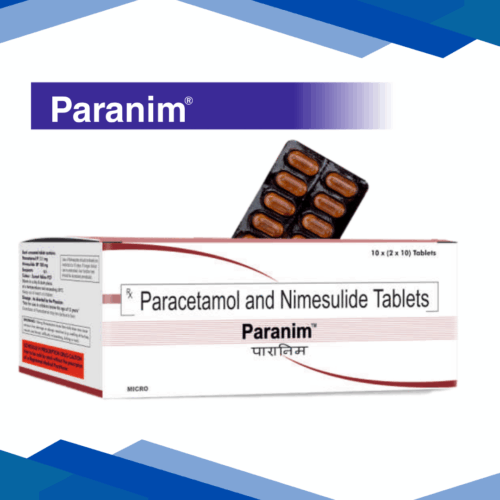
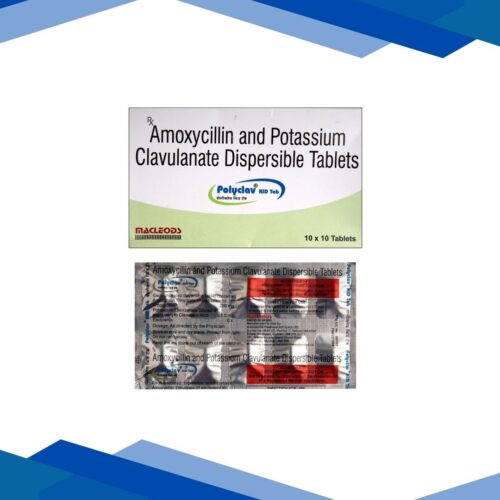
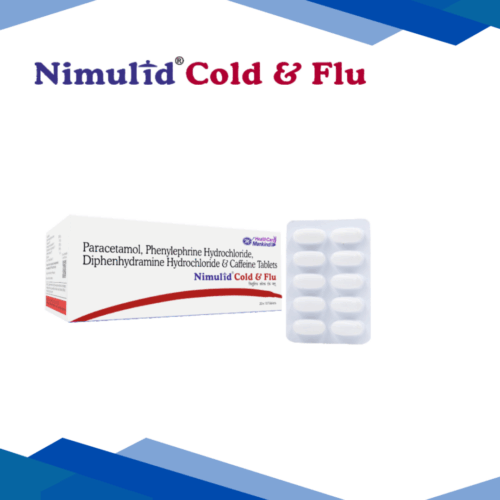
MAXXSULIDE COLD Tablet 10’s is a combination medication (often containing Nimesulide, Paracetamol, and potentially decongestants/antihistamines like Phenylephrine and Chlorpheniramine) designed to treat symptoms of the common cold, including fever, aches, pain, runny nose, and nasal congestion. It works by reducing inflammation, fever, and drying up nasal secretions.
Levocetirizine
Levocetirizine: Treatment for Seasonal & Year-Round Allergies
Levocetirizine is a potent, non-sedating third-generation antihistamine in a big way. It is really a big boon for physicians to manage the full spectrum of allergies hence there is a fine product. Levocetirizine addresses the problem squarely instead of attempting to counter the symptoms, preventing allergic symptoms by blocking specific receptors. In this way, Levocetirizine provides benefits alongside the pollens, dustmites, and pet danders that are the typical mainstream allergic triggers.
Primary Usage
Allergic Rhinitis: It exerts control on sneezing, runny nose, and nasal congestions associated with both seasonal (hay fever) and perennial (year-round) allergy attacks.
Ocular Symptoms: Relief from red, itchy, and watery eyes caused by allergy.
Chronic Urticaria: Levocetirizine directly treats simple skin manifestations of chronic idiopathic urticaria (hives), thereby reducing local itch and swelling.
Rash-Allergy Association: Helps to lessen rashes and irritation due to various allergic triggers.
The Science behind Levocetirizine
Levocetirizine goes into combat with itself, or rather with the histamine that crops up naturally, preventing the chemical from binding on to its receptor on the surface of cells. The onset of an allergy condition is mediated by histamine and blocking its action puts an end to a nasty inflammatory process before it starts causing itching of the eyes, frequent sneezes, and skin flare-ups.
Expert Advice on Use & Dosage Instructions
Optimal Use: Ordinarily, Levo should be given at bedtime. If you are afflicted with some effect of drowsiness, taking your medication in the evening should enable you to remain alert all through the day.
Timely Use: Time to take the tablet is the same with every day, either with or without food, maintains a consistent concentration in the system.
Kid's Dose: Levocetirizine pediatric dose is 2.5 mg once for children aged 6 – 11. Be sure to use appropriate measuring device, e.g., a measuring spoon; do not use a regular kitchen spoon.
Kidney Concerns: Patients with any history of kidney problems may have to use a different dose adjustment. You must seek proper advice from your physician regarding this issue.
An Introduction to Safety & Side Effects
Probably no one would ask his or her doctor for Levocetirizine if it was hard to use, but caution is necessary when taking any medical treatment. Nonetheless, the drug is quite safe, though all mild reactions from medication need to be kept in mind until they cease.
WARNING
Possible Side Effect
Frequency
Recommended Course of Ceasing
Drowsiness / Fatigue
Intermittent
It is not safe to drive or do anything else that needs alertness until you can determine its effect on you.
Dry Mouth
Often
frequent small sips of liquid.
Nasopharyngitis
Occurs
Use saline nasal sprays in case the nose becomes dry.
Headache
Rare
Usually goes within a few days with continued use.
Urinary Retention
Very rare
If you can't pee, see a doctor.
Levocetirizine: Frequently Asked Questions (FAQs)
Q1: Is Levocetirizine different from Cetirizine?
A1: Yes. Levocetirizine is the active R-enantiomer of Cetirizine. It is often considered more potent at lower doses and typically has a lower incidence of sedation in many patients compared to older antihistamines.
Q2: How fast does Levo work?
A2: Most people experience relief within 1 hr of taking their first dose, with peak plasma levels being achieved within 2 to 3 hours and a full 24-hour coverage for most of strength allergic symptoms or reactions that manifest.
Q3: Can I drink alcohol and take them at the same time?
A3: It is advisable to avoid alcohol. While Levocetirizine is non-sedating for most, alcohol has the ability to enhance the sedative effects, increasing impaired coordination and sleepiness.
Q4: What do I do if I forgot to take Levo?
A4: Take it as soon as you remember. If it is almost time for your next dose, skip it and go back to your regular dosing schedule. Under no circumstances should you take 2 doses at the same time, as this may lead to a highly sedated condition.
Q5: Can I take Levo if pregnant?
A5: In general, Levo is considered safe, but like every other medicine, it should be used only if clearly needed. Make sure you consult your OB-GYN before taking any new medications during pregnancy or while breastfeeding.
A Precautionary Checklist
Participant Medical History: Share your kidney illness history and any urinary retention history.
Allergy Testing: Levocetirizine may interfere with the results of skin allergy testing. Avoid taking Levocetirizine at least three days before testing.
Drug Interference: Inform your doctor if you are currently using other medications, particularly those affecting the central nervous system (CNS) or additional antiallergy drugs, in order to avoid drowsiness.
Nimesulide
Nimesulide 100mg Tablet
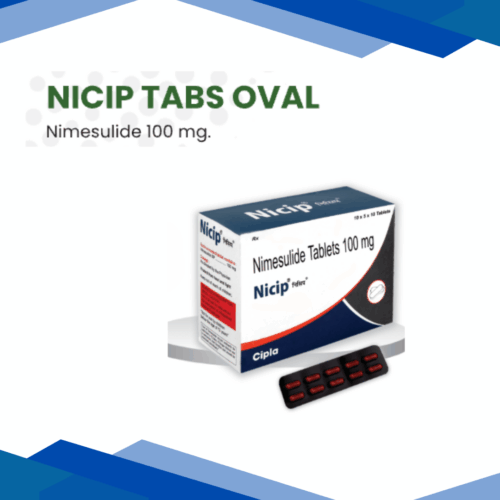
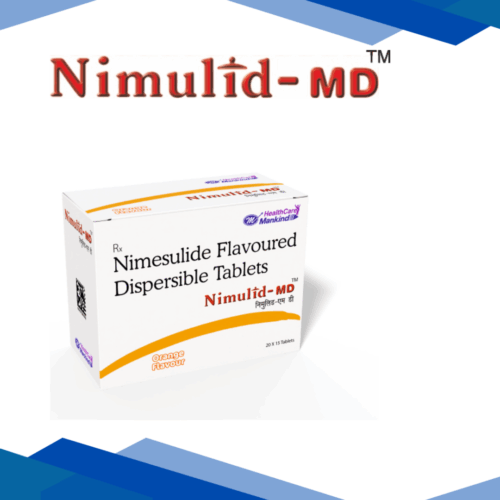
Nimesulide is a potent nonsteroidal anti-inflammatory drug (NSAID) used for short-term relief of pain and inflammation. It is especially valued for its rapid onset of action, with many patients experiencing relief within 15 to 30 minutes. It works by inhibiting the COX-2 enzyme, thereby reducing the production of prostaglandins—the chemicals responsible for pain and swelling.
Main Indications:
Acute Pain: Relief from muscle strains, sprains, and joint pain.
Menstrual Pain (Dysmenorrhea): Commonly prescribed for severe menstrual cramps.
Dental Pain: Useful after tooth extraction or in acute dental conditions.
Osteoarthritis Flare-ups: Provides symptomatic relief from joint inflammation in adults.
Newly Updated FDA Guidance (2026)
Note: As per the latest update from the Union Ministry of Health (January 2026), oral preparations above 100mg have been restricted in India due to liver safety concerns. Only 100mg or lower doses are recommended for oral use.
Instructions
Dosage: Typically taken as 100mg twice daily.
Duration: Should not be used for more than 15 consecutive days due to risk of liver toxicity.
With Meals: Take with a full stomach or milk to reduce gastric irritation.
Age Limit: Not recommended for children under 12 years.
Usage Guidelines
Liver Health: Since Nimesulide is metabolized in the liver, avoid use in patients with liver disorders.
Alcohol: Avoid alcohol, as it increases the risk of stomach bleeding and liver damage.
Frequently Asked Questions (FAQs)
Q: Why is Nimesulide considered a “second-line” treatment?
A: It is generally used when first-line drugs like ibuprofen or paracetamol do not provide adequate relief. Despite this, it is highly effective for moderate to severe acute pain.
Q: How long does it take to work?
A: One of its key advantages is fast onset, with relief often seen within 15–30 minutes.
Q: Is it safe for asthmatic patients?
A: It may be better tolerated in some aspirin-sensitive asthma cases, but always consult your doctor or pulmonologist before use.
Q: What happened to the 200mg tablets?
A: High-dose tablets (>100mg) were banned in India due to safety concerns, as studies showed 100mg provides effective relief with fewer side effects.
Phenylephrine
Phenylephrine is a powerful sympathomimetic agent used primarily as a nasal decongestant. Phenylephrine works by targeting alpha-adrenergic receptors in the blood vessels of the nasal passages, causing them to constrict. This action reduces swelling and mucus build-up, making it easier to breathe. Phenylephrine is an ingredient found in many OTC/prescription multi-symptom cold and flu remedies and is usually coupled with paracetamol or antihistamines.
Therapeutic uses
Nasal Congestion: Temporary relief from a “stuffy nose,” caused by common cold, hay fever, or other upper respiratory allergies.
Sinus Pressure: Relief of fullness and pressure in the sinuses.
Allergy Symptoms: Aid in managing the nasal symptoms with seasonal allergy support.
Low blood pressure (hypotension) support: Used in clinical settings and given via injections to keep blood pressure in check during specific medical procedures.
Pages resulting in Phenylephrine therapy
Selectivity in Binding & Mechanism of Action
Phenylephrine's effects on various $\alpha_1$-adrenergic receptors make this particular molecule a highly reliable for causing vasoconstriction when these receptors are activated in the vascular smooth muscle in the nasal mucosa which results in a reduction in the volume of the nasal membranes and lower the flow of fluids, thereby providing the widest opening for air to pass way.
Dosage & Administration
Oral Tablets Dosage
Repetitive dosages via a 3-hour interval are usually administered. A maximum of 6 divided doses might be occasionally required in 24 hours.
Nasal Sprays/Drops Dosage
Spray or drip as prescribed into each side of the nostril. The nasal form should not be used for more than three consecutive days to prevent “rebound congestion.”
With Food
May be taken on an empty stomach or with food. Taking with food may alleviation stomach problems, though it is primarily safe without food if it doesn’t show any adverse side effects.
Provoked Adverse Effects of the Chemical
Productivity in terms of treating symptoms of nasal congestion, although phenylephrine can bring about:
Drowsiness can begin after a long period of insomnia initiation.
High palpitational activities
Insufficient movement (slipping or falling)
Dizziness
Headache
Interactions
Advisor: Immediately report such rare occurrences, especially when there is lightheadedness, fainting, or a swift, irregular heart rate.
Precautions & Warnings
Hypertension: It should not be administered to those already suffering from markedly high blood pressure due to potential significant rise in blood pressure, yet if it is essential, such usage must be closely monitored.
Heart disease: Management of heart disorders supports the avoidance of oral phenylephrine use in patients with coronary artery disease. Phenoxybenzamine may hardly be used in those with CVD (coronary vascular disease).
Endocrine: Sympathomimetic agent influences the heart rate and glycemia; careful care will be required for patients with hyperthyroidism and diabetes.
MAOIs: VERY IMPORTANT: Phenylephrine must not be prescribed with MAOI in the prior 14 days. Such combinations may result in a hypertensive crisis.
Frequently Asked Questions (FAQs)
Q: Do you think Phenylephrine causes sleepiness?
Phenylephrine is a stimulant compared to most of the antihistamines that are largely used in medications for colds. This is why it does not make most people tired, but rather alert or even anxious.
Q: Can I mix Phenylephrine with hypertensive medication?
You need to consult with your cardiologist. It squeezes the blood vessels, unexpectedly counteracting the hypertensive reaction of antihypertensive drugs.
Q: Is Phenylephrine just right for a runny nose?
Phenylephrine is mainly used as a decongestant and works on a blocked nose. If you’re experiencing a runny nose or sneezing as your primary symptoms, taking an antihistamine might be better.
Q: Why should nasal sprays with phenylephrine only be used for 3 days?
When nasal decongestants are used extensively, they can give rise to "rhinitis medicamentosa," and the nasal passageways become permanently swollen and dependent on the medication to remain open.
Q: Can phenylephrine be given to children?
Dosage for children is very much dependent on age and weight. When dealing with a child, never ever give adult strength in phenylephrine. Be sure to only use the pediatric preparation according to the prescribing doctor.
At Gem Pharmacy, we make every effort to provide accurate, expert-written, and thoroughly reviewed information related to medicines. However, this information should not be considered a substitute for professional medical advice, diagnosis, or treatment from a qualified doctor.
The purpose of this information is to educate users and improve communication between patients and healthcare professionals. It should not be used to diagnose or treat any condition.
Always consult a certified healthcare professional before taking any medication.


Related products