

Megapen XP Capsule 10’S
❌ Due to high demand, this product is currently out of stock. New stock will be available shortly.
👉 Click here to Buy Same Salt medicine
No Prescription yet? Don’t worry! Click Here to Get Online Consultation
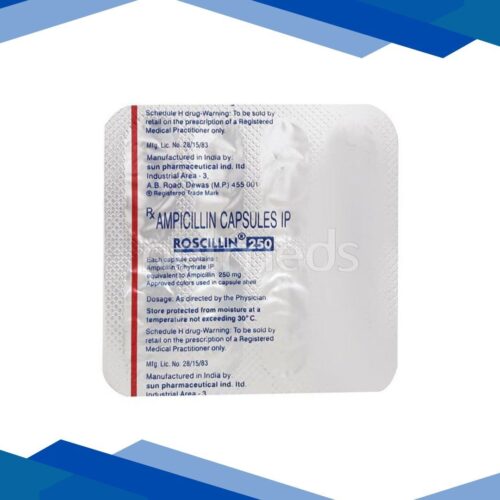
Ampicillin is a broad-spectrum penicillin antibiotic used to treat a variety of bacterial infections. It works by stopping the growth of bacteria by interfering with the formation of their cell walls. Ampicillin is commonly prescribed for infections of the respiratory tract, urinary tract, gastrointestinal tract, and meningitis caused by susceptible bacteria.
Ampicillin
Ampicillin 500mg Capsule
Ampicillin is a broad-spectrum penicillin-type antibiotic used for a wide variety of bacterial infections. It works by interfering with the formation of the bacterial cell wall, thus efficiently inhibiting bacterial growth. It is often prescribed for infections of the respiratory tract, urinary tract (UTI), gastrointestinal tract, and conditions such as meningitis or endocarditis.
Medical Uses
Respiratory Infections: Effective against pneumonia, bronchitis, and tonsillitis.
Urinary Tract Infections (UTIs): Targets bacteria causing bladder or kidney infections.
Gastrointestinal Infections: Used for conditions like Salmonellosis and Shigellosis.
ENT (Ear, Nose, and Throat) Infections: Used for the treatment of acute sinusitis and otitis media (middle ear infection).
Meningitis: Often used in hospital settings for bacterial infections of the brain and spinal cord.
Important Features
Broad Spectrum: Acts against both Gram-positive and limited strains of Gram-negative bacteria.
Proven to Work: A well-known antibiotic with a high safety parameter.
Many Forms: Available to be taken as capsules, oral suspension, or injections according to what the sufferer needs at the time, or prefers.
How to Take Ampicillin
- Timing of administration: For it to be absorbed at the highest possible rate, it is best to take Ampicillin on an empty stomach, at least an hour before a meal or two hours after a meal.
- Consistency: Take the medications at uniform intervals to keep a steady level of the drug in your blood.
- Your Full Course: Make sure that you finish the complete course of antibiotics, even if you start to feel better after a couple of days. By stopping early, you risk the infection coming back resistant to antibiotics.
- How This Drug Is Taken: Whole capsule must be swallowed with a full glass of water instead of crushing or chewing.
Some common side effects include:
Nausea or vomiting
Loose bowel movements
Abdominal pain
Rash, with itchiness
Unfortunately, the symptoms appearing overdappled, furry tongue, which is very typically temporary.
Heeding: If a patient experiences watery stools with blood, as well as fever and a colic cramp, they are suggested not to delay to contact their doctor during or after treatment. An antidiarrheal drug should not be used without a prescription.
Precautionary Measures and Safety Requirements
Penicillin Allergy: Do not use it if you have experienced an allergic reaction to it or have been diagnosed with an allergy to Penicillins or Cephalosporins, especially Co-amoxiclav.
Renal Function: Regular assimilation might necessitate dose adjustments in patients with renal impairment.
Mononucleosis Patients with infectious mononucleosis ("Mono") should always bring about an antibiotic-induced skin rash extraordinarily frequently.
Pregnancy-Breastfeeding-Mothers Medicine: Its safety in pregnant or breastfeeding mothers is still on the hold, but the doctor can offer advice.
Oral Contraceptives: Ampicillin may reduce the effectiveness of hormone birth control pills. Condoms are a recommended alternative while on ampicillin treatment.
Frequently Asked Questions
Q: Does Ampicillin treat common cold or flu?
No. Ampicillin is an antibiotic that works only against bacterial infections and it is not an effective drug against viral infections like the common cold, the flu, or most sore throats.
Q: What do I do if I've taken the wrong dose?
You may take it as soon as you think about it. If it is nearer to your next dose, bypass the missed one instead. Do not double the dose that you missed.
Q: Can I drink beer while taking Ampicillin?
Alcohol is not a direct contraindication if you are on Ampicillin; however, alcohol can subvert your ability to fight an infection and amplify your side effects of which some may be unpleasant. Refrain from consumption until you have fully recuperated from your infection.
Q: Since pretty effective, how long does it take for Ampicillin to work?
Most patients see a difference in a few days, typically between 2 to 3 days. However, it is always recommended that you stick to the entire medication course.
Q: Does Ampicillin cause yeast infections?
There is a slight possibility that various antibiotics such as Ampicillin will kill off natural microscopic flora in your body, thus leading to oral candidiasis or just a yeast infection in the vagina. If you find yourself with white patches in your mouth, see a doctor immediately after having noticed some unusual vaginal discharge with or without itching.
Dicloxacillin
Dicloxacillin Capsules (Generic)
Brand Names: Dycill, Dynapen
(Available as Generic)
Therapeutic Class: Penicillin-group Antibiotic
Prescription Status: Prescription Required
Dicloxacillin offers its unique selling point as a narrow-spectrum penicillin antibiotic specific to battling infections created by penicillinase-producing staphylococci. In contrast to the standard penicillin, Dicloxacillin remains capable of killing certain really "hard" bacteria that have developed defenses against other antibiotics. It acts by blocking the synthesis of the bacterial cell wall, thereby halting growth of the infection.
Key Uses of Dicloxacillin
Skin and Soft Tissue Infections: Axis for the treatment of boils, impetigo, cellulitis, and infected wounds.
Respiratory Tract Infections: Specific treatment alongside staph strains causing pneumonia or bronchitis.
Bone Infections (Osteomyelitis): Commonly part of directed therapy against bony infections.
Post-Surgical Prophylaxis: Prescribed to prevent infections of the site, following the medical procedure.
How to Take This Medication
It is important to do it fasting: The Dicloxacillin drug will be well absorbed only if taken without the high intake of food either 1 hour before or 2 hours after. Otherwise, food will erase major effects on the amount of drug absorbed by the person's body.
Regularity in Time: Space the doses out evenly throughout the day. If prescribed for 4 times a day, this means that one dose should be taken every 6 hours.
Completing the Course: Regardless of how quickly you feel better, the full time of consumption recommended by your doctor should be completed in order to finish several possible drug-resistant microorganisms.
Safety Advice & Warnings
Allergy Warnings: Patients who have shown hypersensitivity to penicillin or cephalosporins must not consume the drug. Keep your eye on signs of an allergic reaction, and be sure to consult a doctor should they appear.
If you have kidney damage from the past, you need to tell your doctor so that he can adjust the dose.
Contraception: Besides acting through other antibiotics, Dicloxacillin, like many drugs, minimally shields the contraceptive capacity of oral contraceptives (the Pill). Consider the use of an alternative contraceptive method.
Alcohol: Even though there is no confirmed contraindication, alcohol has one of the most dehydrating effects on the body and should be avoided during treatment to expedite infection recovery.
Frequent Questions (FAQs)
1. How long does it take for Dicloxacillin to work?
Most people notice a change in the way they feel within one or two days. However, Dicloxacillin does not necessarily get rid of the bacteria by then; that is why completion of the course is essential.
2. What should I do if I miss a dose?
Take it as soon as you remember. If it is more than half an hour past the time for the next dose, do not make up for the missed dose. In particular, never double the dose of the medicine for the sake of making up for one missed dose as it stresses your stomach.
3. Can Dicloxacillin cause a yeast infection?
Yes, antibiotics kill the "bad" bacteria, but they also disturb the balance of "good" bacteria (flora) in the body, sometimes leading to oral thrush or vaginal yeast infection. Consult your doctor if you notice unusual white patches or itching.
4. Why should it be taken on an empty stomach?
Dicloxacillin is acid-stable, but its absorption is greatly affected by the presence of food or milk. The effect may drop by 50% to 80% if it is taken within a meal.
5. Will Dicloxacillin treat common cold or influenza?
No, Dicloxacillin is an antibacterial agent. It is not effective for the treatment of viral infections like the flu, COVID-19, or the common cold. Antibiotics for viral issues can result in a higher risk of drug resistance in the future.
Common Side Effects
- Nausea or vomiting
- Diarrhea (Contact your doctor if it becomes watery or bloody)
- Hives or skin rash
- Abdominal pain
Lactic Acid
Lactic Acid (Alpha Hydroxy Acid-AHA)
Lactic Acid is a potent Alpha Hydroxy Acid (AHA) that naturally occurs in the body and is widely used in therapeutic skincare. Known as a “gold standard” exfoliant, it also offers hydrating benefits. With its ability to exfoliate and condition the skin, Lactic Acid helps treat hyperpigmentation, xerosis (dry skin), and keratosis pilaris. Its larger molecular size allows it to work more superficially, making it gentler than stronger acids.
Primary Therapeutic Actions
Gentle Exfoliation: Breaks the “glue” binding dead skin cells, promoting cell turnover and revealing brighter, smoother skin.
Natural Humectant: Enhances moisture retention, preventing dryness unlike harsher exfoliating acids.
Pigmentation Correction: Helps reduce dark spots, age spots, and sun damage by accelerating skin renewal.
Antimicrobial Properties: Supports the skin’s acid mantle, helping prevent acne-causing bacteria growth.
Some Known Formulations
Dermatological: Found in creams for eczema, psoriasis, and xerotic skin.
Cosmetic: Used in chemical peels and daily serums for a “glass skin” effect.
Hygiene: Common in vaginal washes to maintain a healthy pH balance (3.5–4.5).
How to Use & Tips
(A) Concentration Matters: Avoid high concentrations in DIY use. Prefer 5%–10% formulations over stronger 30% professional peels.
(B) Sun Sensitivity: AHAs increase sun sensitivity—always use SPF 30 or higher.
(C) Patch Test: Test on a small area (behind ear or inner forearm) before full application.
(D) Application: Apply to clean, dry skin at night, followed by a moisturizer.
Safety Points
Dermatologist Pro Tip: Avoid combining high-strength AHAs (like lactic acid, glycolic acid) with retinoids or high-dose Vitamin C simultaneously—alternate usage instead.
Avoid Broken Skin: Do not apply on open wounds, sunburn, or active rashes.
Tingling Sensation: Mild tingling is normal, but discontinue if it progresses to burning or redness.
Potential Side Effects
Though considered a gentler AHA, some may experience:
Mild redness or flushing
Peeling or flaking (usually temporary and mild)
Increased sensitivity to heat or wind
Popular Questions (FAQs)
Q: Can I use lactic acid every day?
A: Yes, at low concentrations (<10%), but start with 2–3 times per week and increase gradually based on skin tolerance.
Q: Does it help with dark spots?
A: Yes, by removing dead skin cells and promoting cell turnover, it helps even skin tone and fade pigmentation.
Q: Does Lactic Acid unclog pores?
A: It doesn’t directly unclog pores but helps resurface the skin, making pores appear less congested.
Q: Can it be used on feet in winter?
A: Yes, especially in formulations combined with glycolic acid, to treat dry, rough skin.
Q: How does it help with adult acne?
A: It supports skin renewal and reduces bacterial growth, though treatments like benzoyl peroxide may also be recommended.
Note: The skin cell turnover cycle is about 28 days. Visible improvement in texture may appear within 1 week, while significant results typically occur after 4–6 weeks of consistent use.
At Gem Pharmacy, we make every effort to provide accurate, expert-written, and thoroughly reviewed information related to medicines. However, this information should not be considered a substitute for professional medical advice, diagnosis, or treatment from a qualified doctor.
The purpose of this information is to educate users and improve communication between patients and healthcare professionals. It should not be used to diagnose or treat any condition.
Always consult a certified healthcare professional before taking any medication.


Related products