Alpha Lipoic Acid
ALPHA LIPOIC ACID
Overview:
The potential benefits of alpha-lipoic acid include improving blood sugar in diabetes, relieving nerve pain, promoting weight loss, reducing inflammation, and supporting heart and skin health
Classification: Antioxidant
Uses:
Diabetes and diabetic neuropathy (nerve pain)
Antioxidant support (protects cells from oxidative stress)
Improving skin texture (in anti-aging creams)
Weight loss and metabolism support (though evidence is limited)
Brain health (studied for use in Alzheimer’s and cognitive decline)
Liver support (in conditions like fatty liver disease)
How It Works:
Conversion to EPA & DHA (Partially)
ALA is partially converted in the body into eicosapentaenoic acid (EPA) and docosahexaenoic acid (DHA)—the active forms of omega-3s found in fish oil.
This conversion is limited: typically less than 10% of ALA becomes EPA, and even less becomes DHA.
These converted forms play critical roles in anti-inflammatory pathways, brain health, and cardiovascular protection.
Incorporation into Cell Membranes
ALA is integrated into cell membranes, especially in the heart and immune system, improving membrane flexibility and function.
Regulates Inflammation
ALA helps reduce inflammation by affecting the production of pro-inflammatory eicosanoids (signaling molecules).
This can be beneficial in conditions like heart disease, arthritis, and metabolic syndrome.
Lipid Regulation
ALA can lower blood triglycerides and improve cholesterol profiles (increasing HDL and reducing LDL in some studies).
Antioxidant Effects
While not a direct antioxidant, ALA supports antioxidant defenses by modulating gene expression and reducing oxidative stress markers.
Dosage: As prescribed by your doctor.
Side effects:
Low blood sugar
Nausea
Rash (when using an ALA cream or ointment)
Vomiting
Headache
Heartburn
Precautions:
Ask a doctor other healthcare provider before taking ALA if it is safe for you to use this product if you have:
liver disease;
diabetes (Alpha Lipoic Acid can cause low blood sugar);
a thyroid disorder;
a thiamine deficiency (thiamine is a form of vitamin B); or
if you drink large amounts of alcohol.
Disclaimer:
This content is for informational purposes only. Always consult a healthcare provider for medical advice and proper dosage
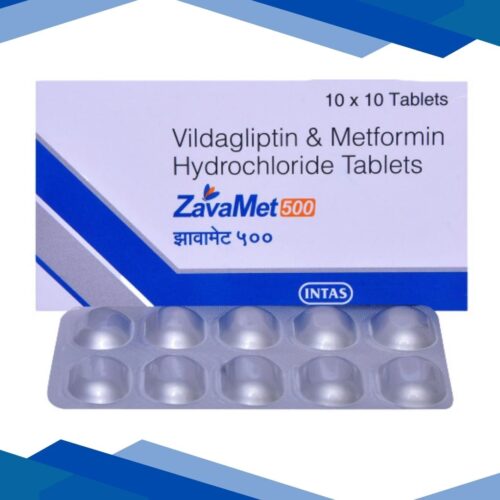
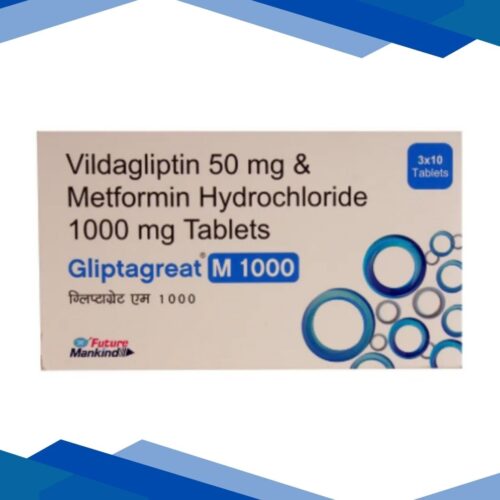
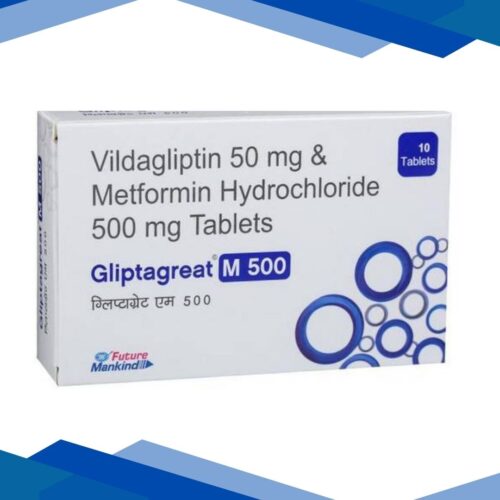
Metformin
METFORMIN
Overview:
Metformin is used in the treatment of type 2 diabetes mellitus and polycystic ovarian syndrome (PCOS).
Classification:
Anti-diabetic medication
Uses:
Managing blood sugar levels with medications like metformin can prevent complications such as kidney damage, nerve issues, blindness, amputations, and sexual dysfunction. Effective diabetes control can also lower the risk of heart attacks or strokes.
HOW IT WORKS:
It works by lowering glucose production in the liver, delaying the absorption of sugar (glucose) from the intestines, and increasing the body’s sensitivity to insulin.
Dosage:
As prescribed by your doctor.
Side effects:
unusual muscle pain
feeling cold
trouble breathing
feeling dizzy, light-headed, tired, or very weak
stomach pain, vomiting
slow or irregular heart rate
Common metformin side effects may include:
low blood sugar
nausea, upset stomach
diarrhea.
Precautions:
You should not use metformin if you are allergic to it, or if you have:
severe kidney disease; or
metabolic acidosis or diabetic ketoacidosis (call your doctor for treatment)
Tell your doctor if you have ever had:
kidney disease (your kidney function may need to be checked before you take this medicine);
high ketone levels in your blood or urine;
heart disease, congestive heart failure;
liver disease; or
if you also use insulin, or other oral diabetes medications
Disclaimer:
This content is for informational purposes only. Always consult a healthcare provider for medical advice and proper dosage