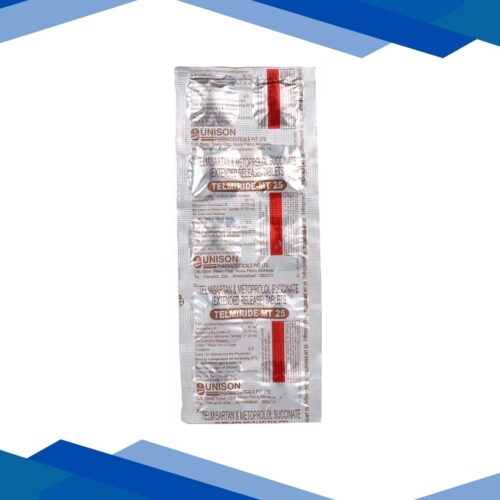
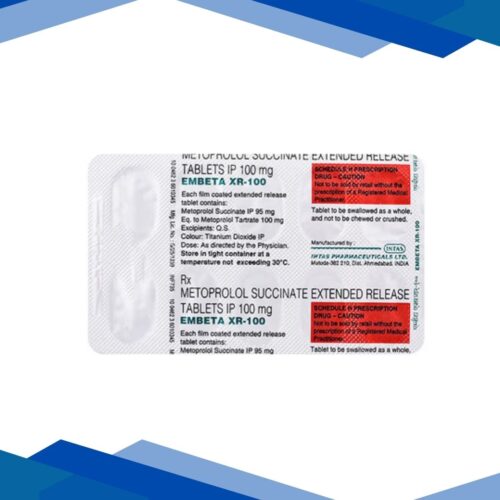
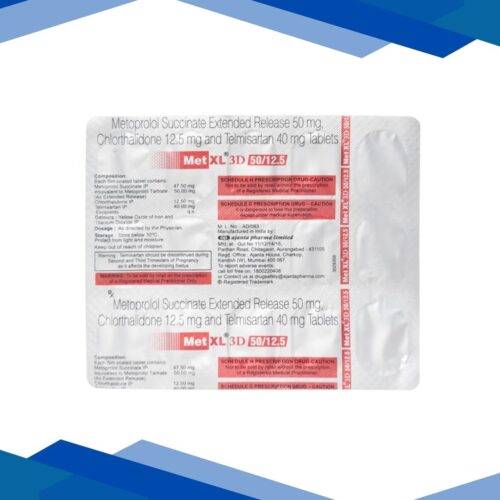
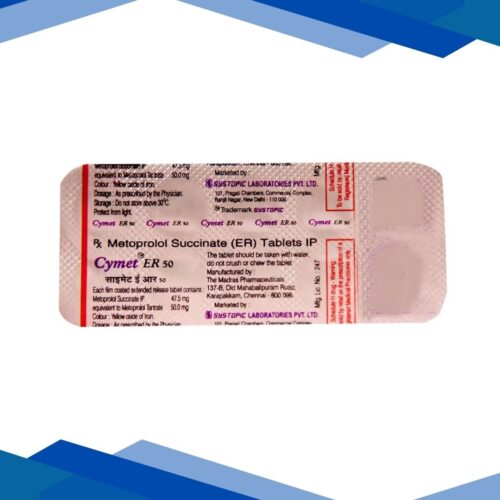
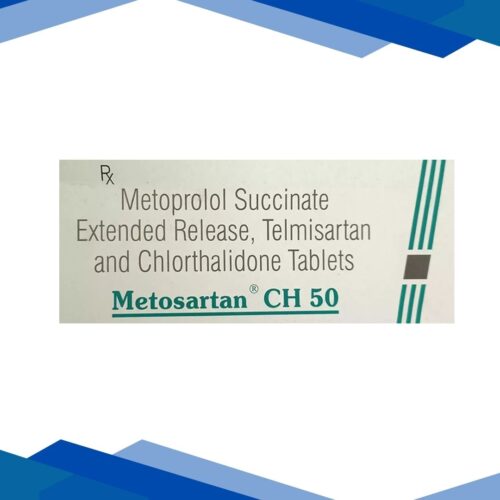
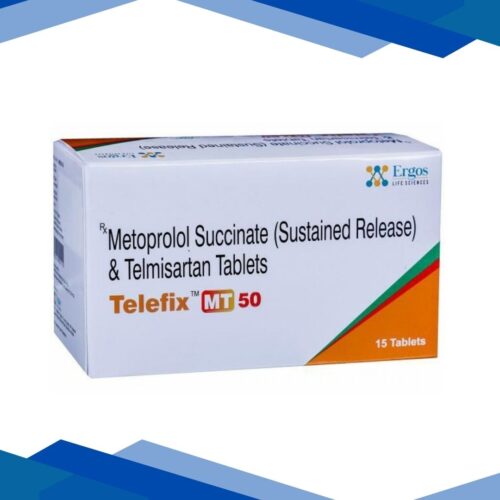
Metoprolol Succinate
Metoprolol (metoprolol succinate extended-release tablet)
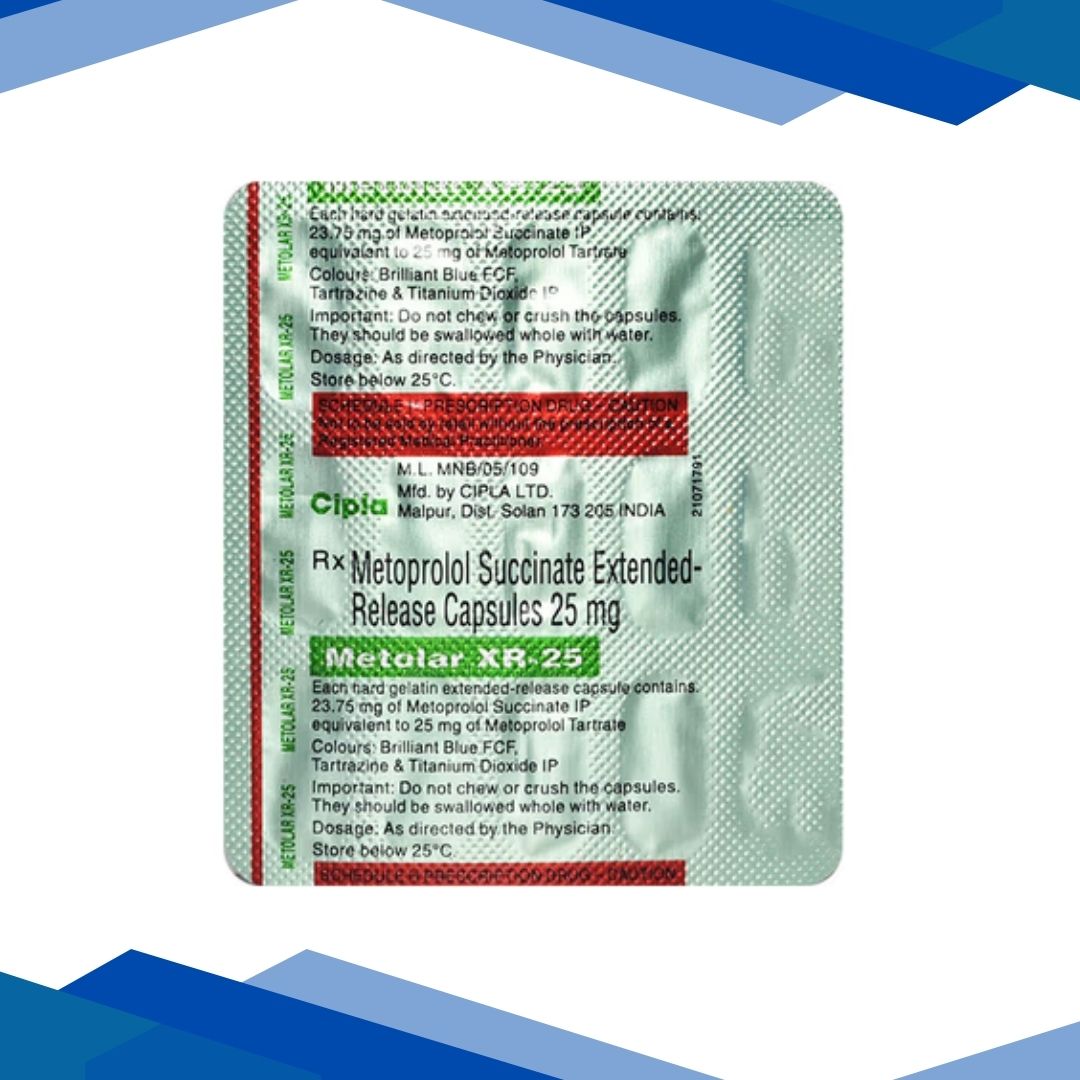
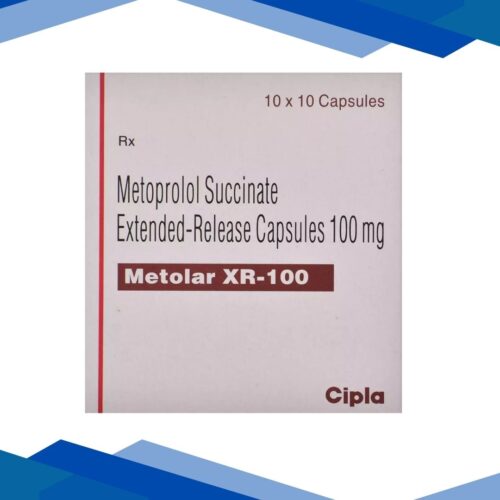
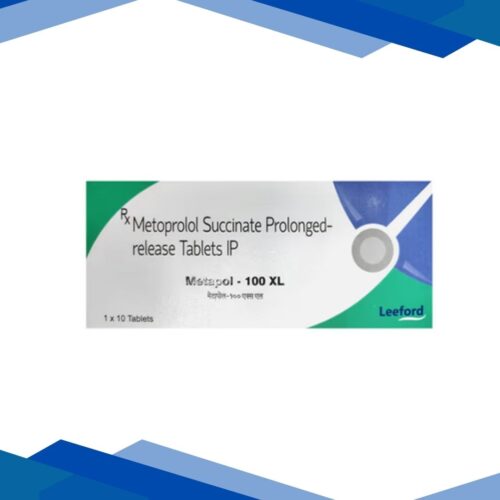
Metoprolol succinate is a long-acting beta-blocker specifically formulated for once-daily use. It works by targeting beta-1 receptors in the heart, leading to a slower heart rate and reduced force of each heartbeat. The advantage of this extended-release formulation is that it maintains a steady blood level for 24 hours, making it an important therapy for hypertension and chronic heart conditions.
Therapeutic Uses
Hypertension (High Blood Pressure): Lowers blood pressure to help prevent stroke, heart attack, and kidney damage.
Angina Pectoris: Reduces chest pain frequency and severity by decreasing the heart’s oxygen demand.
Heart Failure: Improves clinical stability and reduces hospitalization risk in heart failure patients.
Migraine Prophylaxis: Helps reduce the frequency of migraine attacks.
How to Use Metoprolol Succinate
Do Not Stop Suddenly: Abrupt discontinuation may lead to serious cardiovascular complications. Any dose reduction should be done gradually under medical supervision over 1–2 weeks.
Diabetic Patients: May mask symptoms of hypoglycemia (e.g., rapid heartbeat). Regular blood sugar monitoring is essential.
Asthma/COPD: Inform your doctor if you have respiratory disease, as beta-blockers may cause wheezing or bronchospasm.
Alcohol: Avoid or limit alcohol, as it may increase the risk of low blood pressure and dizziness.
Side Effects
Usually mild and temporary:
Tiredness or fatigue
Dizziness or lightheadedness (especially on standing quickly)
Slow heart rate (bradycardia)
Cold hands or feet
Mild gastrointestinal upset or diarrhea
⚠️ Seek medical attention if you experience shortness of breath, sudden weight gain, or swelling of ankles/legs.
Frequently Asked Questions (FAQs)
Q: What is the difference between Metoprolol Succinate and Metoprolol Tartrate?
A: The two forms differ mainly in release mechanism and dosing frequency. Succinate is extended-release once daily, while Tartrate is immediate-release and taken multiple times daily.
Q: Why is metoprolol selective for β1 receptors?
A: β1-selectivity helps primarily target the heart while reducing effects on β2 receptors, which are involved in lung function, thereby lowering the risk of bronchoconstriction.
Q: Compare Metoprolol Sandoz and Metoprolol Mylan.
A: Both are generic brands of metoprolol with similar therapeutic effects; differences mainly lie in manufacturing and formulation excipients.
Q: Does Triamterene/Hydrochlorothiazide increase blood sugar levels in diabetics?
A: This question is unrelated to metoprolol; however, some users may experience mild metabolic changes with certain diuretics, and medical supervision is advised.
Q: How long does it take for blood pressure to reduce?
A: Heart rate reduction may occur within hours, but full blood pressure control typically takes 1–2 weeks of regular use.