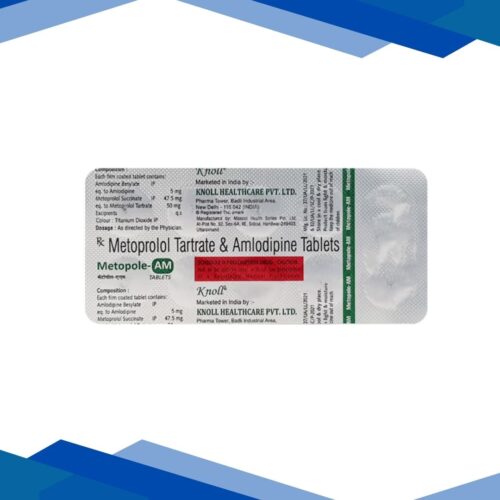
Metoprolol
Beta-Blocker Metoprolol
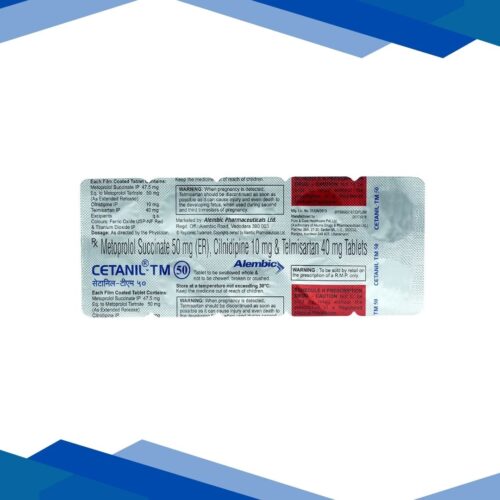
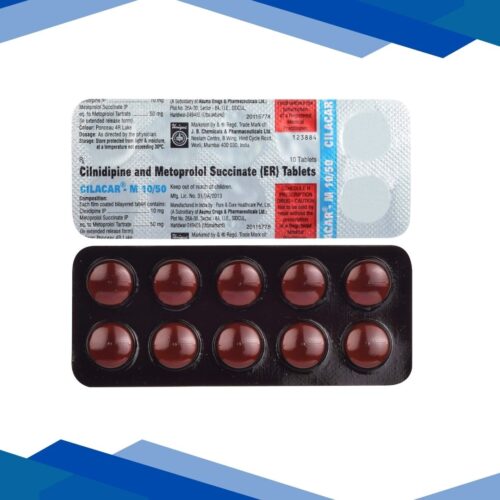
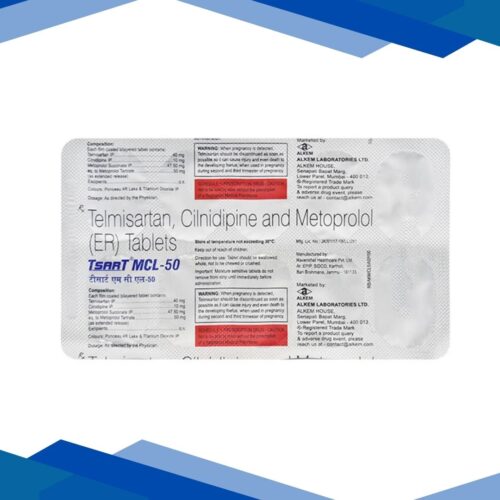
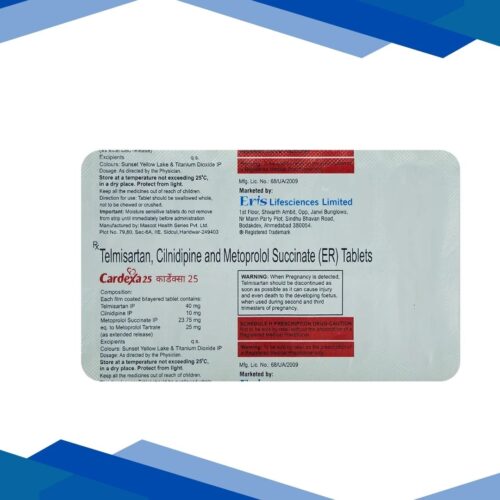
Metoprolol is a beta-blocker medication commonly prescribed for heart health. It acts directly on the heart by blocking the effects of parts of the nervous system that control heart rate. This results in a slower heart rate, improved pumping efficiency, and reduced blood pressure and cardiac workload.
For What Diseases Can Metoprolol Be Prescribed?
Hypertension (High Blood Pressure): Helps prevent long-term complications such as stroke and kidney disease.
Angina Pectoris: Used alone or with other medicines to reduce chest pain and angina frequency.
Heart Failure: Only Metoprolol Succinate (Extended Release) is used to improve survival outcomes.
Post-Heart Attack Recovery: Helps prevent recurrent heart attacks.
Migraine Prophylaxis: Used off-label for prevention of severe migraines.
Know the Difference
It is important to know which form of Metoprolol has been prescribed, as they are not interchangeable:
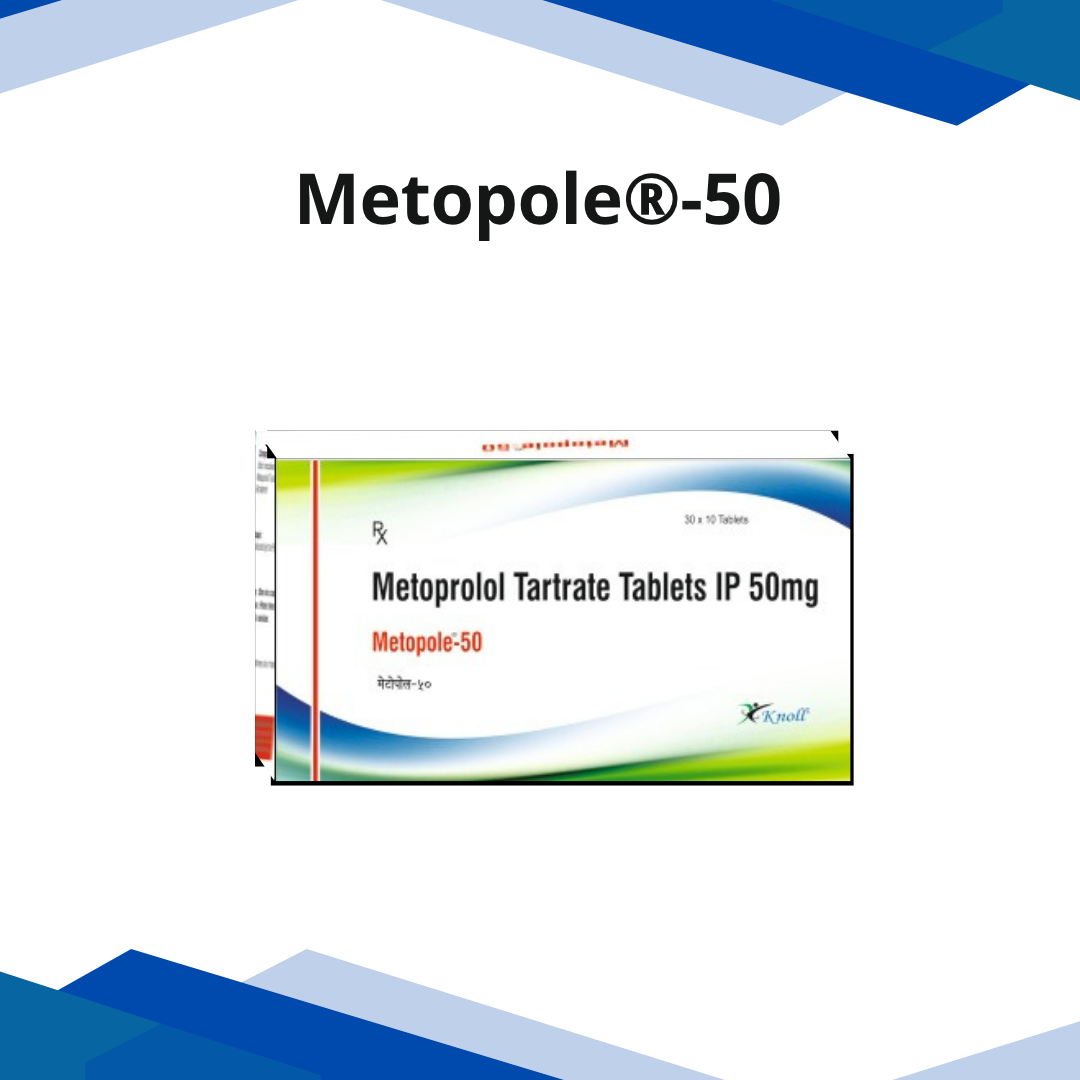
| Feature |
Metoprolol Tartrate |
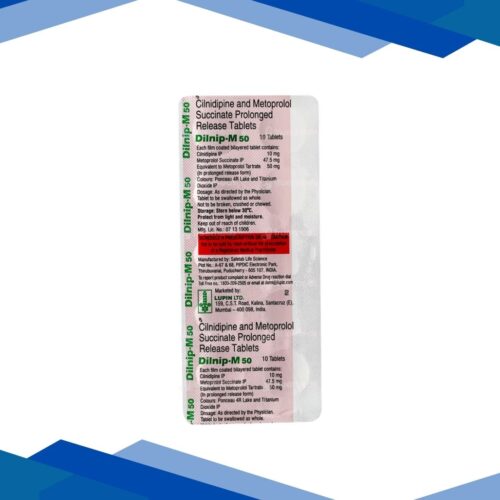
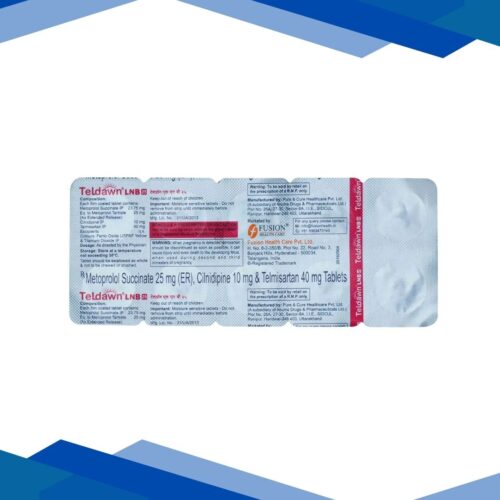
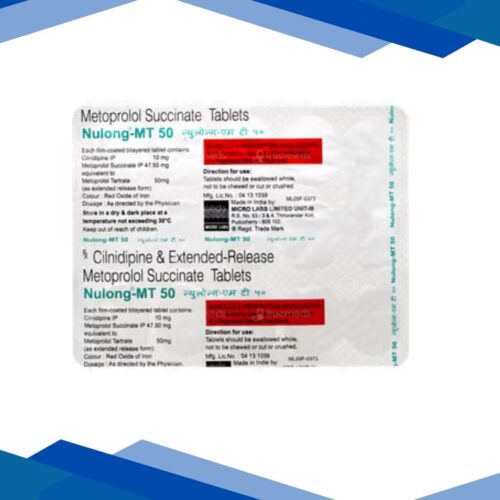
Metoprolol Succinate |
| Release Type |
Immediate-Release (IR) |
Extended-Release (ER/XL) |
| Frequency |
Usually 2–3 times daily |
Usually once daily |
| Food |
Best taken with or after food |
Can be taken with or without food |
| Primary Use |
High blood pressure, acute heart conditions |
Chronic heart failure, hypertension |
Doctor-Given Instructions for Taking
Set a Time: Take at the same time daily for best results.
Do Not Crush XL: Swallow extended-release tablets whole; crushing may cause dangerous dose release.
Monitor Vitals: Regularly check blood pressure and heart rate at home.
Do Not Stop Suddenly: The dose is usually tapered gradually to avoid rebound hypertension or chest pain.
Frequent Side Effects
Usually mild to moderate and improve over time:
Fatigue or unusual tiredness
Dizziness (especially on standing quickly)
Cold hands or feet
Digestive issues (diarrhea or constipation)
Frequently Asked Questions (Q&A)
Q: Can I take Metoprolol if I am diabetic?
A: Yes, but with caution. It may mask symptoms of hypoglycemia such as rapid heartbeat or tremors, so regular blood sugar monitoring is important.
Q: Does Metoprolol cause hair loss?
A: Hair loss is rare, but some patients report hair thinning. Consult your doctor if this occurs.
Q: Can I drink alcohol while taking Metoprolol?
A: It is generally advised to avoid alcohol, as it may increase blood pressure-lowering effects, leading to dizziness or fainting.
Q: How quickly does Metoprolol work?
A: Heart rate reduction may occur within 1–2 hours, while full blood pressure control may take several days to a week.
Q: What if I miss a dose?
A: Take it when remembered. If the next dose is close (less than 8 hours for Succinate or 4 hours for Tartrate), skip the missed dose. Do not double the dose.