Caffeine
CAFFEINE
Overview:
Caffeine is a natural substance that helps you feel less tired and more awake. You’ll find it in things like coffee, tea, cola, energy drinks, and even in some medications.
Classification: Central nervous system stimulants
Uses:
Fights sleepiness and helps keep you focused
Can help you stay mentally sharp during the day
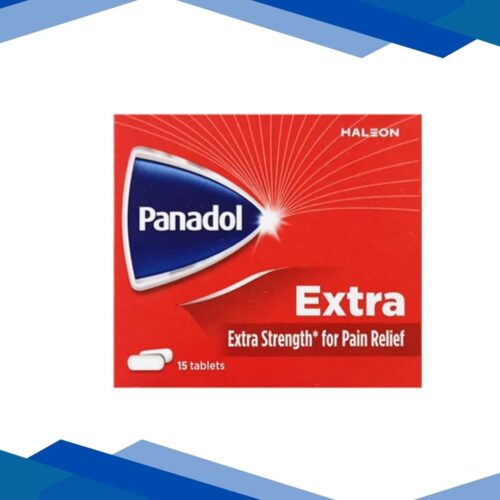
Often added to pain relievers to make them work better (like in migraine treatment)
Sometimes used in newborns (especially premature babies) to help with breathing problems
How it works:
Caffeine helps you stay awake and focused by blocking a brain chemical called adenosine, which normally makes you feel drowsy.
By stopping adenosine, caffeine keeps your brain more active, helping you feel energized, alert, and a bit more awake. It can also slightly increase your heart rate and make you feel more awake physically and mentally.
Dosage: As prescribed by your doctor.
Side effects:
Having too much caffeine might cause:
Restlessness or shaky hands
Trouble falling asleep
Rapid heartbeat or a racing pulse
Stomach discomfort or acidity
Mild headaches, especially if you suddenly stop using it
Frequent urination
Feeling uneasy or anxious
Precautions:
Don’t have too much: Taking in large amounts of caffeine can make you feel nervous, interfere with sleep, or cause a fast heartbeat. It’s best to keep it moderate—about 1 to 3 cups of tea or coffee a day is usually safe.
If you’re sensitive, go slow: Some people react strongly to even small doses of caffeine, causing shakiness, headaches, or discomfort.
Avoid it before bedtime: Since caffeine keeps you alert, having it too late in the day (especially after the afternoon) can make it hard to fall asleep.
Pregnant or breastfeeding? Talk to your doctor. Too much caffeine might affect your baby, so it’s safer to limit your intake.
If you have heart issues, anxiety, or high blood pressure: Be careful—caffeine can sometimes worsen these problems.
Check food and medicine labels: Caffeine isn’t only in coffee—it’s also found in soft drinks, energy drinks, chocolate, and some pills like pain relievers or slimming products.
Disclaimer:
This content is for informational purposes only. Always consult a healthcare provider for medical advice and proper dosage
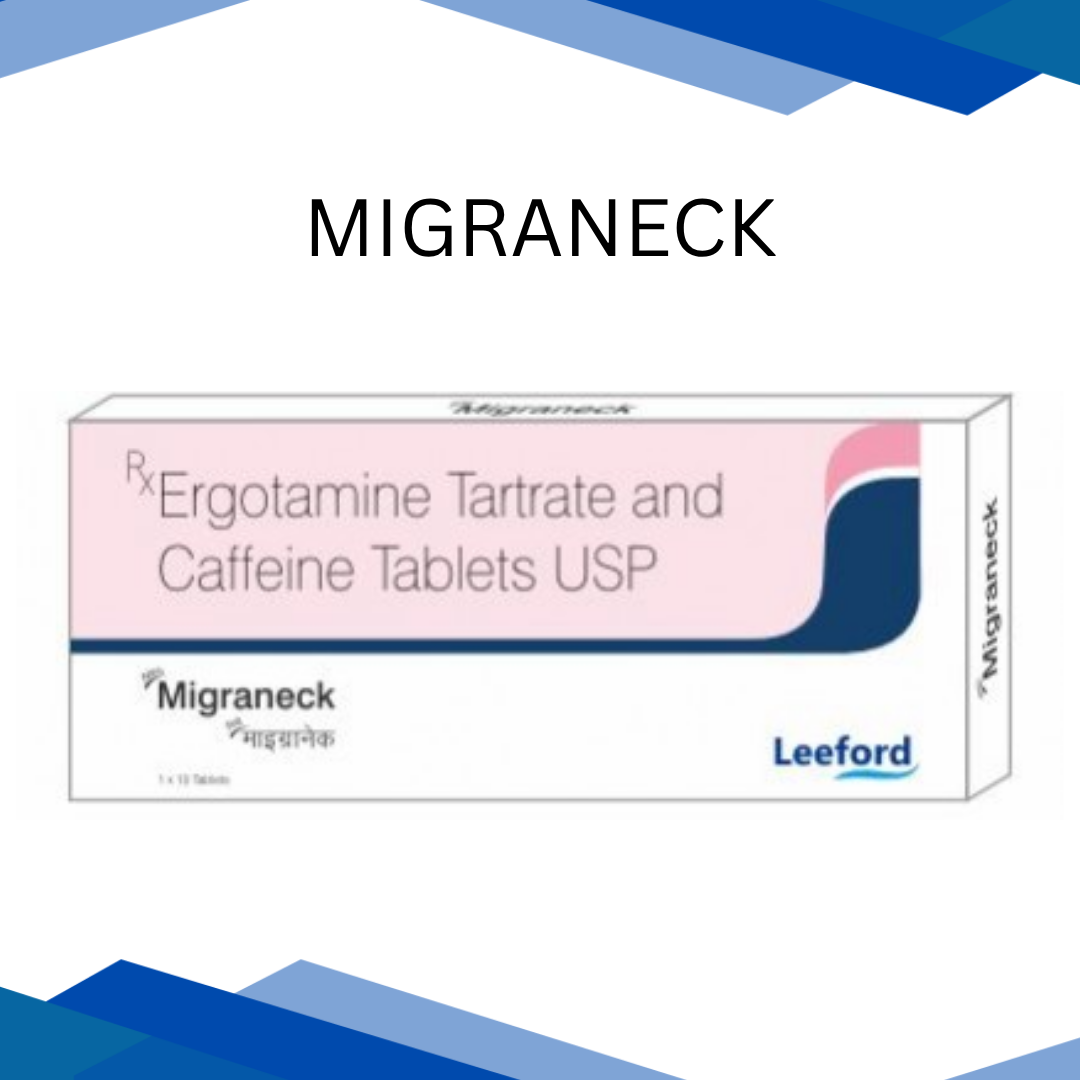
Ergotamine Tartrate
Ergotamine Tartrate – The Relief for Migraine and Vascular Headaches
Ergotamine tartrate is a potent alkaloid derived from the ergot fungus, specifically geared for the treatment of acute migraine attacks and cluster headaches. It belongs to the class of ergot alkaloids. Unlike general painkillers that provide analgesia, ergotamine is a vasoconstrictor that targets dilated blood vessels in the brain during a migraine attack.
Main Indications
Acute Migraine Attacks: Rapid relief from throbbing pain, light sensitivity, and sound sensitivity.
Hypnic Headache: Treats pain of vascular origin caused by abnormally dilated intracranial blood vessels.
How Ergotamine Functions
During a migraine, brain blood vessels often become dilated and inflamed. Ergotamine Tartrate stimulates receptors in these vessels, causing constriction, restoring normal blood flow, and inhibiting the release of inflammatory substances, thereby halting the migraine’s development and signaling.
Clinical Usage & Safety Guidelines
“The Golden Hour”: Take the drug immediately after the aural phase or at the onset of a headache for maximum efficacy.
What to Follow after Administration: After dosing, lie down in a quiet, dark environment to allow the medicine to work optimally.
Dosage Limit: Never exceed the prescribed dose for a 24-hour period or within 7 days, as overuse can lead to ergotism or rebound headaches.
Ergotamine Tartrate: Frequently Asked Questions (FAQs)
Q: Can Ergotamine be used to prevent a migraine before it starts?
A: No. Ergotamine Tartrate is an abortive medication, used to stop an ongoing attack, not for prophylactic or preventative purposes.
Q: Can I take Ergotamine with my morning coffee?
A: Some combination products like Cafergot include caffeine to speed absorption. Follow your prescription carefully and avoid adding extra stimulants.
Q: What are the symptoms of overdose or “Ergotism”?
A: Symptoms include numbness or tingling in fingers/toes, leg muscle pain, or cold extremities. Seek medical attention immediately if these occur.
Q: Who should avoid using Ergotamine?
A: Individuals with coronary artery disease, peripheral vascular disease, hypertension, kidney/liver impairment, or pregnancy should avoid this medication.
Q: Can I take Ergotamine with “triptans” (e.g., Sumatriptan)?
A: Never take Ergotamine with triptans within 24 hours, as this may dangerously over-constrict blood vessels.
Safety Profile
| Side Effect |
Frequency |
Action |
| Nausea and/or Vomiting |
Common |
Rest in a dark room; consult your doctor for remedies. |
| Dizziness |
Occasional |
Avoid driving or operating machinery. |
| Muscle Weakness |
Rare |
Reduce strenuous activity; inform your physician. |
| Angina Pectoris, Hypertension |
Rare/Serious |
Stop medication immediately and call emergency support. |
Storage & Handling
Keep Ergotamine Tartrate at 20-25°C, away from sunlight and moisture. Store in a light-resistant container, out of reach of children.