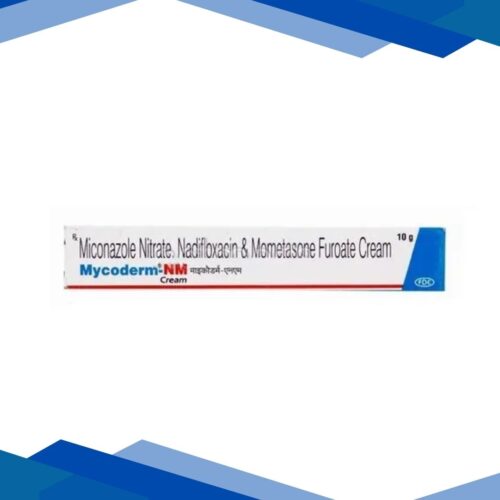

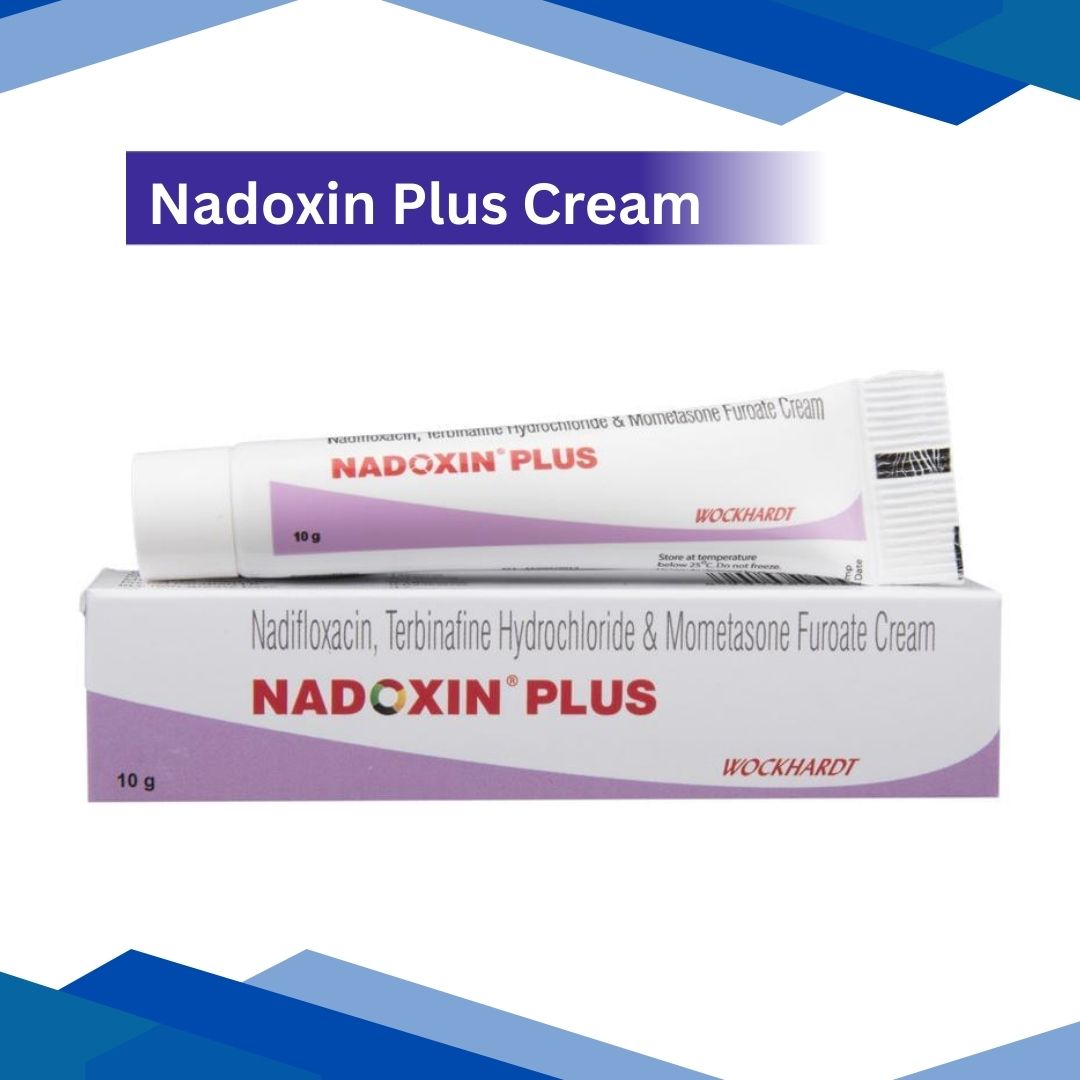
Nadoxin Plus Cream
No Prescription yet? Don’t worry! Click Here to Get Online Consultation
Nadoxin Plus Cream is used to manage mixed bacterial and fungal infections of the skin. For more details Kindly click on Medicine Salts below:
Mometasone
Mometasone
Mometasone is a highly potent corticosteroid that effectively reduces swelling, redness, and inflammation. It works by inhibiting the release of substances responsible for allergic reactions and inflammatory responses, making it useful in treating eczema, psoriasis, and nasal allergies.
Therapeutic Uses
Dermatologic: Used in eczema, atopic dermatitis, and psoriasis (moderate-to-severe).
Allergy Relief: Helps manage hay fever, sneezing, and nasal congestion.
Nasal Polyps: Reduces nasal growths to improve breathing.
Anti-pruritic: Provides fast relief from itching in skin conditions.
Key Features
High Potency: Offers faster relief compared to milder corticosteroids.
Once-Daily Use: Improves treatment compliance.
Targeted Action: Acts locally with minimal systemic absorption.
Non-greasy: Quick absorption without heavy residue.
How to Use
Topical (Cream/Ointment):
Cleansing: Clean and gently pat dry the affected area.
Apply: Use a thin layer over the skin.
Massage: Gently rub until fully absorbed.
Wash: Wash hands after use (unless treating hands).
Nasal Spray:
Prime: Shake and pump ~10 times before first use.
Clear: Blow nose before application.
Position: Keep head slightly tilted forward.
Spray: Apply one puff while gently inhaling.
Precautions & Warnings
Sensitive Areas: Avoid use on face, armpits, or groin unless prescribed.
Duration: Avoid prolonged use to prevent skin thinning and adrenal suppression.
Occlusion: Do not use with occlusive dressings unless advised.
Nasal Injury: Avoid use after recent nasal surgery or trauma until healed.
Adverse Effects
Topical: Burning, itching, tingling, or skin lightening.
Nasal: Nosebleeds, headache, or sore throat.
Serious: Blurred vision, excessive thirst/urination, or severe rash.
Frequently Asked Questions (FAQs)
Q: Is Mometasone an antifungal or antibiotic?
No, it is a steroid and does not treat infections.
Q: Can it be used for diaper rash?
No, high-potency steroids are not recommended for infants.
Q: How fast does nasal spray work?
Relief may start within 12 hours, with full effect in 1–2 weeks.
Q: Can it cause skin lightening?
Yes, prolonged use may lead to hypopigmentation.
Q: Can I stop once I feel better?
No, gradual tapering may be required in chronic conditions.
Storage & Handling
Store at room temperature (20°C–25°C). Keep tightly closed and do not freeze.
Nadifloxacin
Nadifloxacin 1% Cream/Gel
Nadifloxacin is a broad-spectrum topical antibiotic belonging to the fluoroquinolone class. It is primarily used for acne vulgaris and also treats bacterial skin infections. By inhibiting DNA gyrase, it prevents bacteria from multiplying, thereby supporting the skin’s natural healing process.
Why It’s Prescribed
Acne vulgaris and inflammation: Effectively treats acne vulgaris, including painful red bumps and pustules.
Bacterial skin infections: Used for conditions like folliculitis (infection of hair follicles) and impetigo.
Secondary Infections: Prescribed for infected wounds or cuts.
Broad Spectrum: Active against both Gram-positive and Gram-negative bacteria, including P. acnes.
How to Apply
Clean First: Wash the affected area with a mild cleanser and pat dry.
Thin Layer: Apply a small amount and gently massage until absorbed.
Frequency: Usually applied twice daily (morning and evening).
Washing Hands: Wash hands after application unless treating the hands themselves.
Safety & Precautions
Expert Advice: Avoid applying on open wounds or severely damaged skin. Keep away from eyes, nose, and mouth. Rinse immediately if accidental contact occurs.
Sun Sensitivity: May increase UV sensitivity; always use sunscreen when outdoors.
Antibiotic Resistance: Complete the full course as prescribed to prevent resistance.
Age Limit: Generally not recommended for children under 14 years, unless advised by a doctor.
Common Side Effects
Most users tolerate it well, but some may experience local reactions:
- Burning or stinging
- Redness
- Itching or irritation
- Dryness or mild flaking
Seek immediate medical help if severe rash, facial swelling, or difficulty breathing occurs.
FAQs
Q: Does Nadifloxacin contain a steroid?
A: No. Nadifloxacin is purely an antibiotic and does not contain a steroid. It reduces redness by eliminating acne-causing bacteria.
Q: How long should I use Nadifloxacin for pimples?
A: Typically 1–4 weeks, depending on severity. If no improvement after 7 days, consult your doctor.
Q: Can I use it while breastfeeding?
A: Use with caution. Avoid applying on the chest area, or clean thoroughly before feeding.
Q: Does it remove acne scars?
A: No. It treats active infections and prevents new acne but does not remove existing scars. Treatments like retinoids or Vitamin C are better for scarring.
Q: Can I apply makeup over it?
A: Yes. Wait 15–20 minutes after application before applying cosmetics or sunscreen.
Terbinafine
Terbinafine: Superior Antifungal Shield
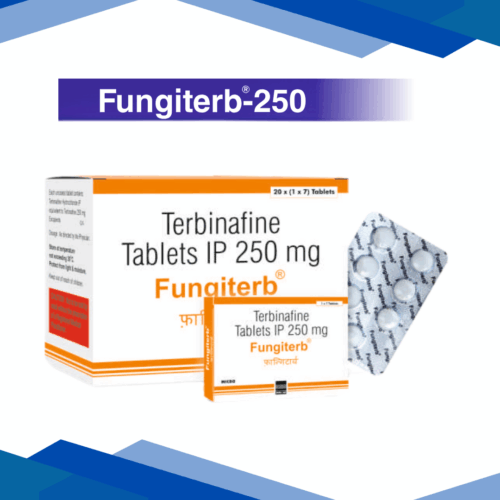
Terbinafine is a strong allylamine antifungal agent used for a wide spectrum of fungal infections occurring in the skin and nails. Terbinafine works in contrast to most antifungals, which immure the fungus from actively growing thus making it "fungicidal," meaning it kills the fungal cells by chemically disturbing their cell membranes. It is basically the one and only "Gold Standard" in the treatment of Onychomycosis (fungal nail infections) and really resistant Tinea Corporis (Ringworm) and Tinea Pedis (Athlete's foot) infections, to mention a few, when a topical application can't soothe the area of infection.
How Terbinafine Functions: The "Squalene" Strategy
Enzyme Inhibition: Terbinafine blocks a specific enzyme named squalene epoxidation.
Toxic Accumulation: By blocking this enzyme, it causes a buildup of a substance called squalene inside the fungal cell.
Cell Death: High levels of squalene are toxic to fungi, causing the cell membrane to rupture and the fungus to die off completely.
A Quick Look at the Product
Feature Details
Drug Class Allylamine Antifungal
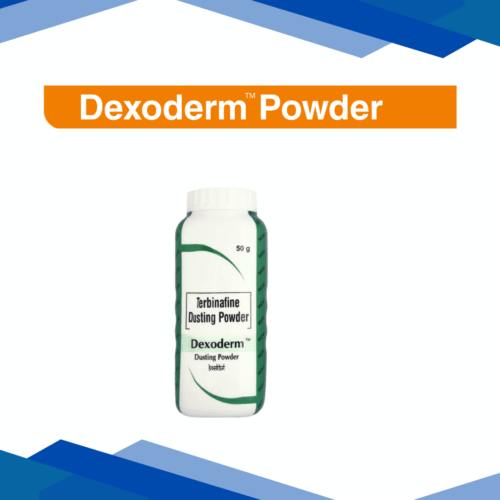
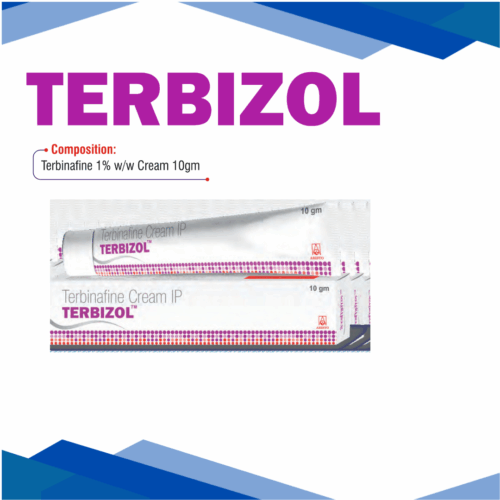
Common Forms Tablets (250mg, 500mg), Topical Cream, Dusting Powder
Primary Uses Nail Fungus, Ringworm, Jock Itch
Duration (Skin) Usually 1 to 2 weeks
Duration (Nails) 6 weeks (fingernails) to 12 weeks (toenails)
Key Medical Benefits
Deep Penetration: Terbinafine is highly "lipophilic" (or fat-seeking), meaning it concentrates in the skin, hair, and nails, providing long-lasting protection even after the course is finished.
High Cure Rates: Offers significantly higher success rates for nail infections compared to older drugs like Griseofulvin.
Shorter Courses: For skin infections, Terbinafine often requires a shorter treatment duration than "azole" family antifungals (like Fluconazole).
Big Marques in India (2026)
Sebifin (Sun Pharma)
Terbinaforce (Mankind Pharma)
Terbi (Systopic)
Exifine (Dr. Reddy's)
Zimig (GlaxoSmithKline)
Usage & Safety Guidelines
Patient Tip: Terbinafine tablets are best absorbed when taken with a fat-containing meal (like whole milk, eggs, or paratha). But Terbinafine can increase the caffeine level in your blood, leading to jitters or palpitations, so cut back on excessive caffeine (coffee, cola) consumption if taking this medication.
Important Precautions:
Liver Health: Terbinafine is processed by the liver. In case of a history of jaundice or liver disease, the doctor should order a liver function test (LFT) before giving you a long course.
Alcohol: Do not drink alcohol when you are on Terbinafine tablets, as alcohol will put additional stress on your already throbbing liver.
Adherence: Fungal infections do not go away very easily. Therefore, even if your skin looks "clear" after 3 days, make sure you have taken the full course if you want the disease to stay away.
Nail Growth: Keeping a keen eye on expectations, get the picture correctly with great optimism and nail care. The treatment kills the fungus in the nail but does not "repair" the nail. So, do not expect to see complete recovery until the nail has completely regrown.
Individual Effects
If tolerated well by most patients, Terbinafine may evoke:
Taste Disturbances
Some rare reports of altered taste (metallic or bitter) in the mouth after food consumption (i.e., effect may reverse over time after drug withdrawal).
Digestive Problems
Mild bowel discomfort, nausea, or diarrhea may be noticed.
Skin Rash
If you develop a rash all over your body that has an itching sensation, or if you develop 'hives,' stop the drug and see your dermatologist to determine a diagnosis.
Headaches
These sometimes occur but are mild and short-lived.
Frequently Asked Questions (FAQs)
1. Why is the treatment for toenail fungus so long?
It takes so long to manage toenail fungus for the reason that toenails grow very slowly (about 1 mm monthly). Since Terbinafine needs to be presumed in the nail bed for 12 weeks, it is to make sure each new cell of the growing toenail is gorged with the drug to nip the infection re-infection in the bud.
2. Can I use Terbinafine cream and tablets together?
"Dual therapy," or multi-tiered therapy, can be implemented in such severe conditions, using the cream on one side to weaken the surface fungi, and then atinishing off the root through oral drugs, which is the tablets. However, you must not practice it without supervision from a dermatologist.
3. Will Terbinafine help with a yeast infection (Candidiasis)?
It is great against the "Dermatophytes" (Ringworm/Nail fungus) but is often not as effective against Candida (yeast). For yeast infections, drugs like Clotrimazole or Itraconazole are the better option.
4. What are the "Red Flags" I should watch out for?
Stop medication and seek medical attention if dark-colored urine, pale colored stools, or yellow eyes/jaundice is noted; indications of liver damage.
5. Can I take Terbinafine if I am pregnant?
Oral Terbinafine is generally not recommended during pregnancy unless the infection is severe and your doctor deems it absolutely necessary. Topical creams are usually considered safer but still require a consultation.
Legal and Medical Disclaimer: We offer medical-led information only and do not replace professional advice. Terbinafine is in Schedule H in India and, hence, prescripted by a physician. Always reach out to a doctor before starting therapy.
At Gem Pharmacy, we make every effort to provide accurate, expert-written, and thoroughly reviewed information related to medicines. However, this information should not be considered a substitute for professional medical advice, diagnosis, or treatment from a qualified doctor.
The purpose of this information is to educate users and improve communication between patients and healthcare professionals. It should not be used to diagnose or treat any condition.
Always consult a certified healthcare professional before taking any medication.


Related products