Bacitracin
Bacitracin Ointment: The Go-To First Aid for Skin Infections
Bacitracin Ointment is a crucial ingredient for skin infection control because it is very effective against infections caused by minor skin cuts. The ointment helps to shield skin, allowing it to heal both underground and above the skin surface.
How Bacitracin Works
Through its action, Bacitracin helps not by simply killing bacteria (which is the way some antibiotics act), but rather as a cell-wall synthesis inhibitor. In simpler terms, Bacitracin stops the bacteria from developing their protective exoskeleton. Naturally without this “skin,” the bacteria won’t be able to survive or even multiply. This then helps the immune system in cleaning up the infection more thoroughly and effectively.
Key Advantages & Uses
Wound Protection: Bacitracin is ideal for minor cuts, scrapes, or abrasions.
Preventive Action: Prevents common bacteria such as staph and streptococcus from entering broken skin.
Postoperative Care: Is often recommended post minor dermatological procedures to ensure a clean site.
Calming Effect: With such a goopy base, the ointment assures the wound stays wet, which is the key to minimal scarring.
Expert Advice on the Use of Bacitracin
Cleansed: Always cleanse the affected area gently with a mild soap and water, and then pat dry, before applying the ointment. It will only “trap” bacteria in the dirt there.
A Little Is More: You only need a thin smear. Layering on unneeded amounts doesn’t make it heal faster, it only creates a mess.
The Seven-day Rule: A week after using Bacitracin, cease its use and see a doctor—it could become necessary to switch treatment.
Monitor Signs of Toxicity: Even though it is rare, some people are allergic to bacitracin, thus, itching, peeling, or increased redness and swelling should be removed and further advice sought.
Side Effects
Most people tolerate Prisbutan very well. But watch for:
Skin irritation — very mild.
Yes—it causes pruritis at the site of the indicated location.
Severe (but rare) allergic reactions: Seek emergency medical support if you experience hives, difficulty breathing, or swelling of the lips, face, and/or throat.
Should the following wonderful events occur, one must be grateful: each visit will get the person smaller; mils of germs move from our cottages and back to our arsenal——dead and out of God’s way! A beautiful sixty-piece orchestra of pure good health will disinherit one of the shadow-world, and will make any man both physically and spiritually sound!
How to Use: Step by Step
Ensure careful washing of hands in order to prevent transfer of new germs to the site.
Clean the wound gently and assure that the wound is completely dry.
Rub a very small amount about the volume of a pea on the treated part 1 to 3 times daily.
Then, cover with a bandage if the treated area might become dirty or rub against clothes.
Wash hands once more after this.
Questions and Answers (FAQs)
Q: Is Bacitracin the same as Neosporin?
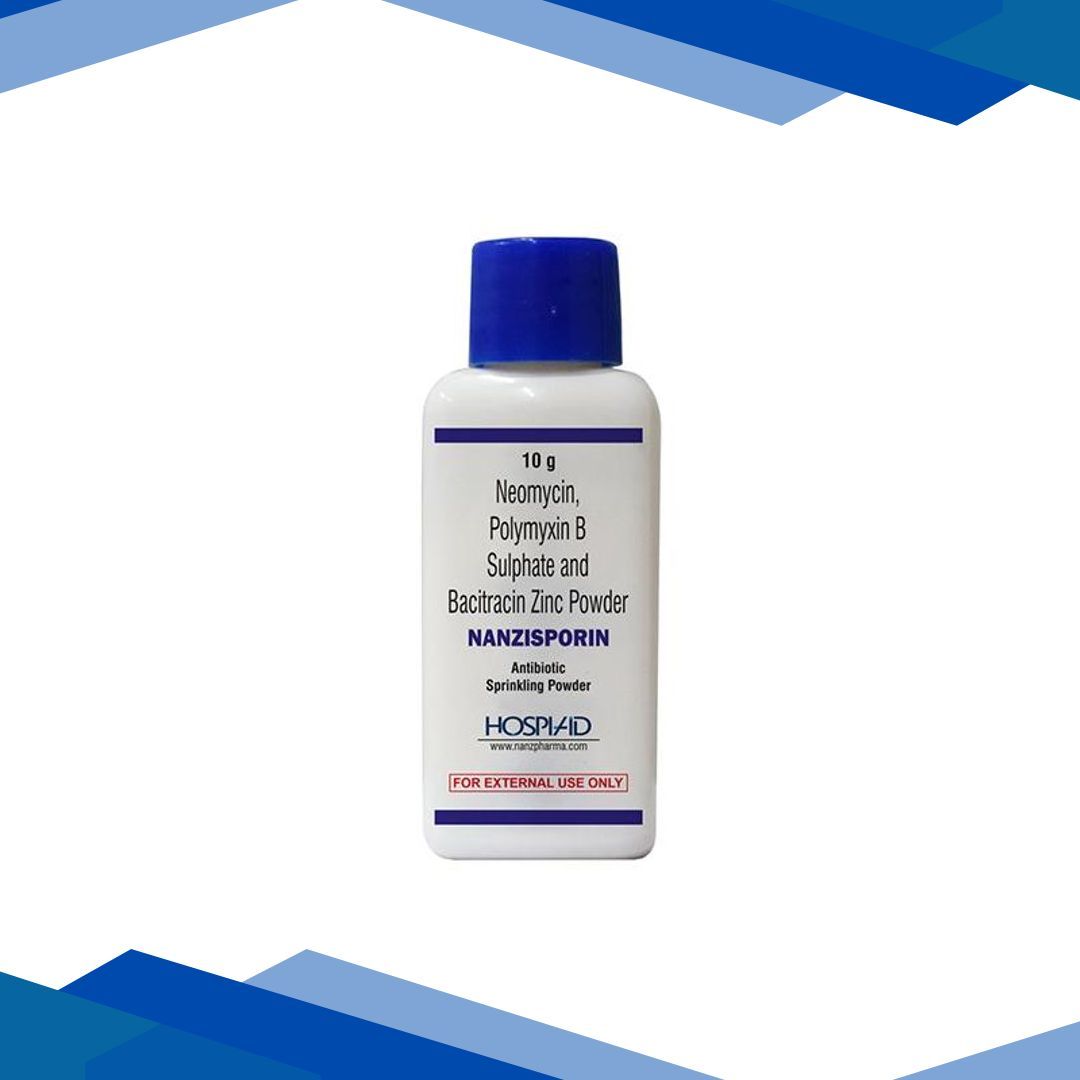
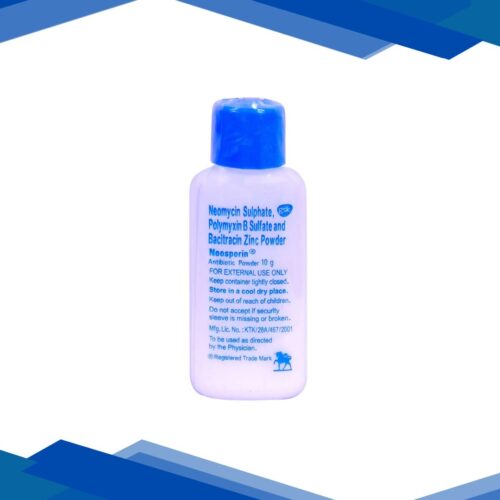
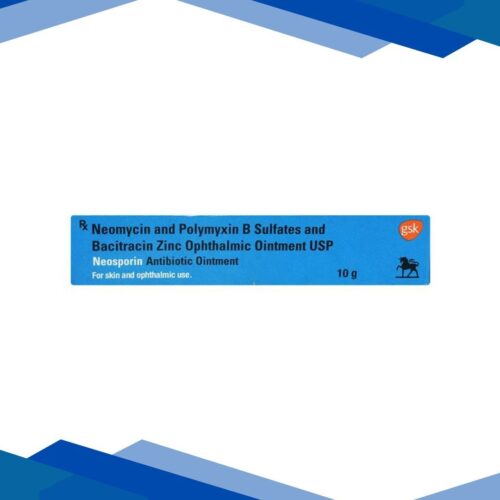
Not really. Bacitracin has only Bacitracin antibiotic in it, while Neosporin is a “Triple Antibiotic Ointment,” as it has Bacitracin, Neomycin, and Polymyxin B combined in it. Bacitracin is found most useful for those who have very sensitive skin or an allergy to neomycin.
Q: Can I use this ointment for pimples?
It’s generally not recommended. Bacitracin is generally of benefit in treating surface wounds, “surface” bacteria, and not for the kind that cause acne, which is Propionibacterium acnes. Using it for acne might even cause more clogged pores.
Q: Are my babies safe?
They should usually be safe to use if cut is minor for a child; however, for children under 2, you should consult with a pediatrician. The first time they are introduced to a product, consider doing a spot test first.
Q: Can I apply Bacitracin in the eyes?
Rapidly rush the eye under cool water if Bacitracin skin ointment gets in your eye. Bacitracin Eye Ointment is the proper product.
Q: Does it expire?
Yes, you should find the expiration date on the crimp at the base of the ointment tube before each use. Efficiency can decrease if the ointment has expired. If the tube was open for several years, the ointment may also harbour bacteria.