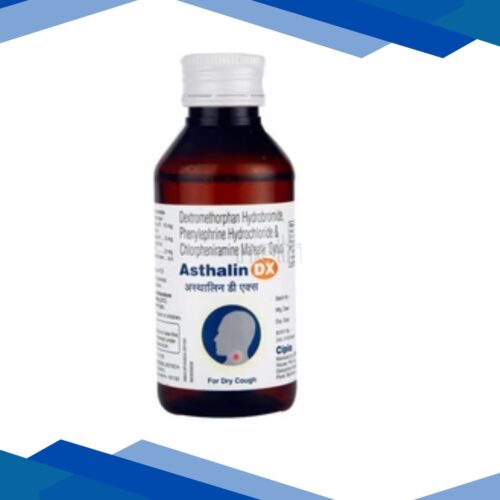
Dextromethorphan Hydrobromide
DEXTROMETHORPHAN HYDROBROMIDE
Overview
Dextromethorphan Hydrobromide is commonly used to alleviate dry, non-productive coughs associated with conditions like the common cold or flu. It works by acting on the brain’s cough center to suppress the urge to cough, providing temporary relief from persistent coughing episodes
Classification
Antitussive
Uses
Dextromethorphan Hydrobromide is a medication commonly used to alleviate dry, non-productive coughs associated with conditions like the common cold or flu. It is available over-the-counter in various forms, including syrups, lozenges, and tablets.
How it works
Dextromethorphan Hydrobromide is an antitussive (cough suppressants). It suppresses cough by reducing the activity of the cough centre in the brain.
Dosage
As directed by the physician
Precautions
Inform your doctor if you’re allergic to dextromethorphan, any other medications, or any ingredients in the product you plan to take. Look at labels to identify ingredients.
If you’ve taken any monoamine oxidase inhibitor (MAOI) like isocarboxazid (Marplan), phenelzine (Nardil), selegiline (Eldepryl, Emsam, Zelapar), or tranylcypromine (Parnate) in the last 14 days, get advice from your physician or pharmacist before taking dextromethorphan. Dextromethorphan combined with an MAOI can cause dangerous and sometimes fatal side effects.
Help your doctor take the best possible care of you by sharing all the prescription and over-the-counter medications, vitamins, nutritional supplements, and herbal products you’re taking or plan to take. This is an important measure to promote safe use that may involve dose titration or monitoring for adverse effects.
Tell your health care provider if you are a current smoker, if you have a cough with lots of phlegm, or any other history of lung disease such as asthma, emphysema, or chronic bronchitis. Here’s why dextromethorphan isn’t appropriate for these conditions.
Unless you’re ready to use dextromethorphan, it’s best to talk to your doctor if you’re pregnant, becoming pregnant, or breastfeeding. The safety of dextromethorphan in pregnancy and breastfeeding has not been adequately researched.
If you have PKU, know that some chewable dextromethorphan tablets may be sweetened with aspartame, which has phenylalanine.
Side effects
Dextromethorphan may cause side effects. Tell your doctor if any of these symptoms are severe or do not go away:
Dizziness
Lightheadedness
Drowsiness
Nervousness
Restlessness
Nausea
Vomiting
Stomach pain
If you experience any of the following symptoms, call your doctor immediately:
Rash
Disclaimer
This content is for informational purposes only. Always consult a healthcare provider for medical advice and proper dosage.
Diphenhydramine Hydrochloride
Diphenhydramine Hydrochloride: A Great Help for Allergies, Cold, and Insomnia
Diphenhydramine Hydrochloride is a first-generation antihistamine commonly used to relieve seasonal allergies and symptoms of the common cold. It is also sometimes used short-term for insomnia, motion sickness prevention, and situational sleep problems that require medical attention.
How The Drug Works
The primary action of Diphenhydramine is blocking histamine, a chemical released by the body during allergic reactions. The drug crosses the blood-brain barrier quickly and also has anticholinergic effects, which help reduce symptoms like itching, sneezing, and a runny nose.
By reducing histamine activity, the medication also dries excess secretions in body membranes, helping clear the upper respiratory tract and reduce irritation.
Primary Uses & Benefits
Allergy: Helps relieve sneezing, itchy or watery eyes, skin rash, mosquito bites, and hives.
Common Cold: Helps dry nasal passages and reduce postnasal drip.
Sleep Aid: Causes drowsiness, which can help manage temporary insomnia.
Motion Sickness: Helps reduce nausea, dizziness, and lightheadedness during travel.
Parkinsonism: Sometimes used as an adjunct therapy to reduce tremors and muscle stiffness in early stages.
Safety Overview: Use with Care
Category | Clinical Guidance
Alertness: High risk. This medicine can cause significant drowsiness, so avoid driving or operating heavy machinery.
Alcohol: Strictly avoid. Alcohol can intensify the sedative effects of Diphenhydramine and may lead to severe dizziness or breathing problems.
Elderly Patients: Use with caution. Older adults may experience confusion, dizziness, or next-day “hangover” effects.
Children: Consult a pediatrician first. Some children may experience paradoxical excitement instead of sleepiness.
Possible Side Effects
Although Diphenhydramine is effective, some side effects may occur due to its drying and sedative properties.
Dryness: Dry mouth, nose, or throat may occur. Staying well hydrated can help manage this.
Vision: Some people may experience blurred vision or sensitivity to bright light.
Digestive: Mild constipation or stomach upset may occur.
Other Effects: Headache, heart palpitations, or a groggy feeling the next morning when used as a sleep aid.
Patient Tip: If using Diphenhydramine for motion sickness, take it about 30 minutes before traveling. Chewing sugar-free gum may also help reduce nausea.
Frequently Asked Questions (FAQs)
1. Can I take Diphenhydramine every night to help me sleep?
It is generally intended for short-term use only, usually no more than 7–10 days. Over time, the body can develop tolerance to its sedative effects, making it less effective. Consult a healthcare professional if insomnia continues.
2. Why does it make my mouth so dry?
This occurs due to its anticholinergic effects, which reduce mucus and saliva production. Drinking water frequently or using lozenges may help relieve dryness.
3. Can I take this medicine with other cold medicines?
Be careful. Many multi-symptom cold medicines already contain antihistamines. Combining them may lead to accidental overdose. Always check the active ingredients before taking multiple medications.
4. How long do the effects last?
The medication usually starts working within about 2 hours and the effects typically last 4–6 hours. It may be taken multiple times daily for allergies or once at night for sleep support.
5. What should I do if I miss a dose?
If you miss a dose, take it as soon as you remember. If it is close to the next scheduled dose, skip the missed one. Do not double the dose, as this may lead to excessive drowsiness or other side effects.