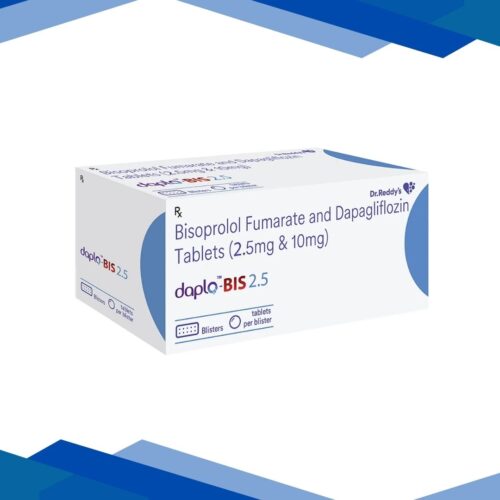
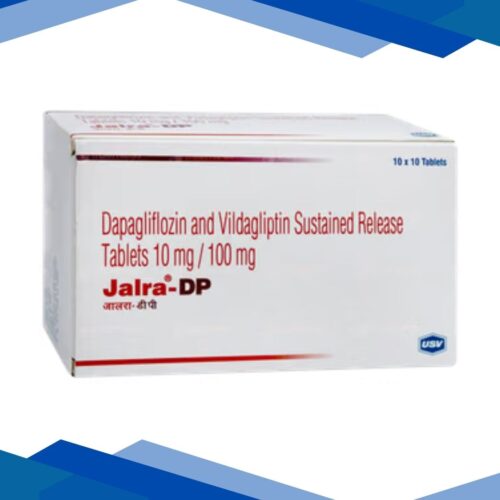
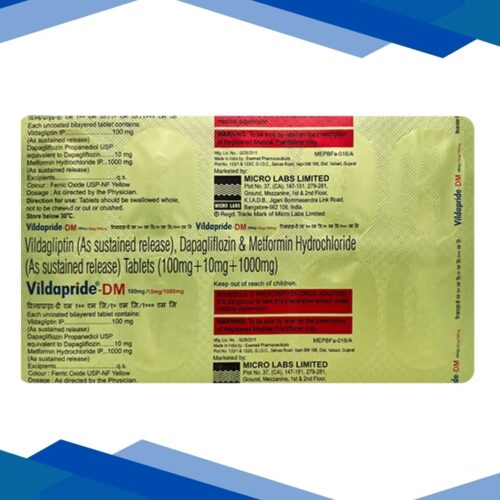
Dapagliflozin
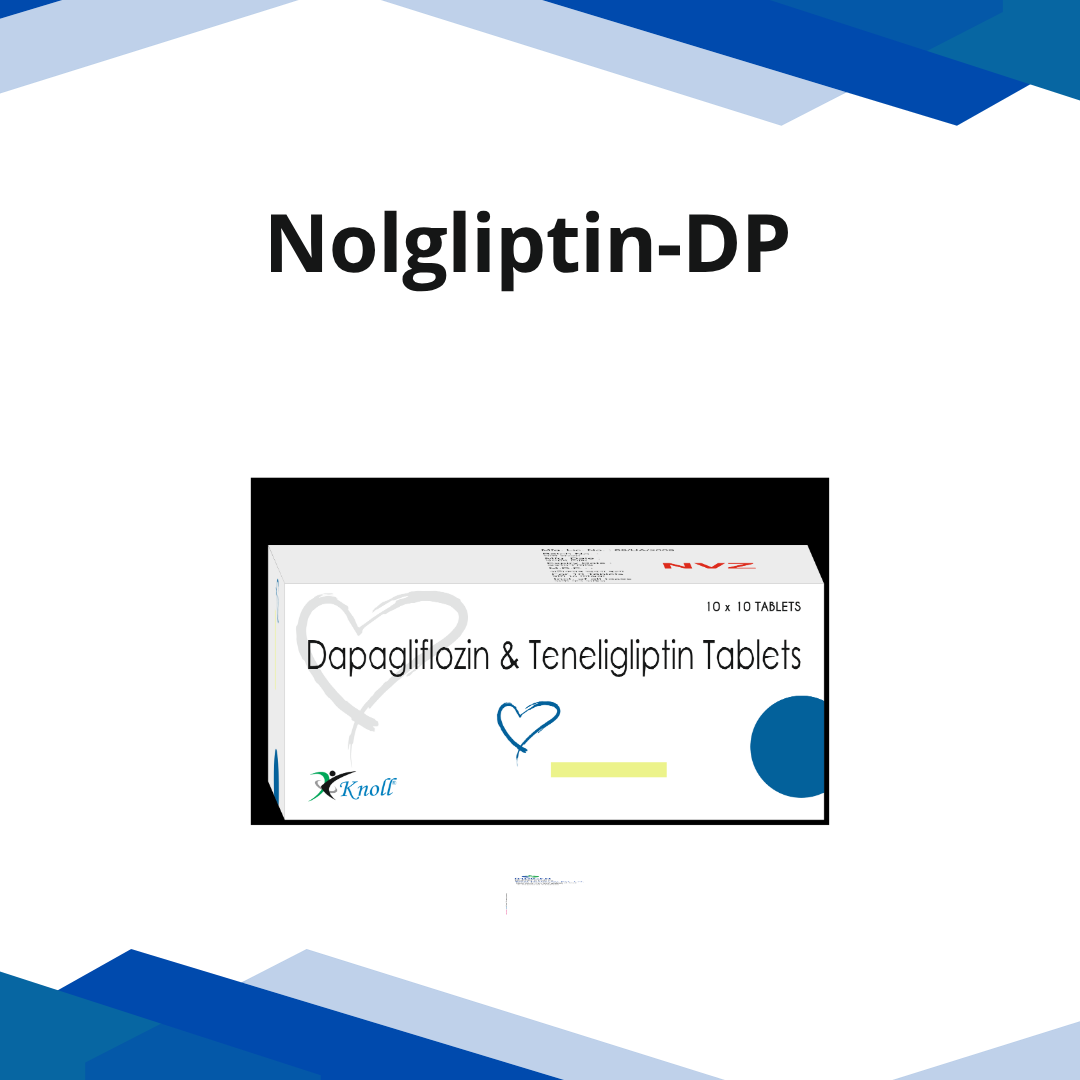
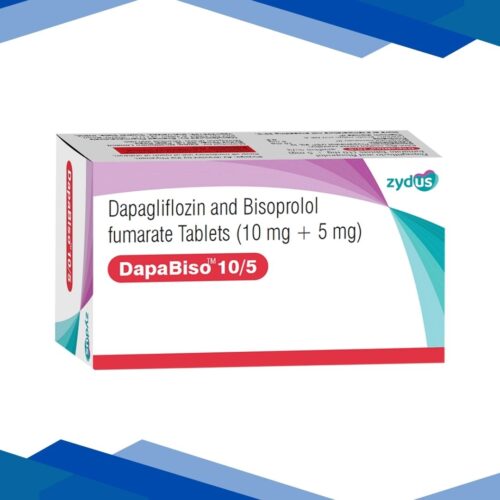
DAPAGLIFLOZIN
Overview
Dapagliflozin is mainly used in people with type 2 diabetes to lower blood sugar levels. It’s also helpful in managing heart failure and chronic kidney disease, even in people without diabetes. It works by helping the body get rid of extra sugar through the urine.
Classification
Antidiabetic
Uses
Type 2 diabetes – to improve blood sugar control
Heart failure – to ease symptoms and reduce hospital visits
Chronic kidney disease – to protect kidney function and slow progression
Sometimes used to reduce the risk of heart-related complications
How It Works
Dapagliflozin blocks a protein in the kidneys (SGLT2) that usually reabsorbs sugar back into the body. By stopping this process, the medicine causes more sugar to pass out through urine, lowering blood sugar levels. This also helps the body get rid of extra fluid, easing the strain on the heart and kidneys.
Dosage
As prescribed by your doctor.
Side effects
Urinary tract infections
Increased urination
Genital infections (especially in women)
Low blood sugar (when used with insulin or other diabetes drugs)
Dehydration, which can lead to dizziness or lightheadedness
In rare cases, ketoacidosis (a serious condition involving high acid levels in the blood)
Precautions
Drink enough water to avoid dehydration, especially during hot weather or if you exercise.
Inform your doctor if you have kidney problems, liver disease, or a history of urinary tract infections.
Not usually recommended for people with type 1 diabetes.
Watch for symptoms like nausea, vomiting, stomach pain, or trouble breathing, and report them immediately (possible signs of ketoacidosis).
If you’re pregnant or breastfeeding, consult your doctor before starting this medicine.
Let your doctor know about all other medications you are taking.
Disclaimer
This content is for informational purposes only. Always consult a healthcare provider for medical advice and proper dosage
Teneligliptin
TENELIGLIPTIN
Overview:
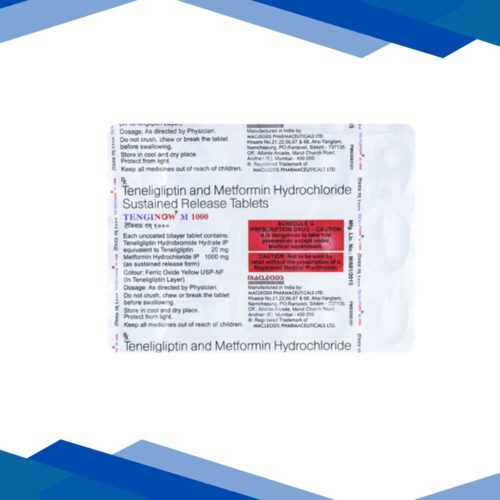
Teneligliptin is a medicine used to help manage type 2 diabetes. It helps control blood sugar levels, especially in people whose sugar isn’t well-controlled with diet, exercise, or other medications alone. It’s usually part of a long-term diabetes treatment plan.
Classification:
It belongs to a class of diabetes drugs called DPP-4 inhibitors (Dipeptidyl Peptidase-4 inhibitors).
Uses:
Teneligliptin is used to:
Help lower blood sugar in adults with type 2 diabetes
Often prescribed along with other diabetes medicines like metformin or sulfonylureas
It is not used for type 1 diabetes or diabetic ketoacidosis
How It Works:
Teneligliptin works by increasing the levels of certain natural hormones (like incretins) that help regulate blood sugar. These hormones:
Help your body release more insulin after meals
Reduce the amount of sugar released by the liver
This helps to keep blood sugar levels more stable, especially after eating.
Dosage:
As prescribed by your doctor.
Side Effects:
Common side effects:
Easy bruising
Bleeding more than usual (e.g., from gums, cuts, or nosebleeds)
Upset stomach or mild indigestion
Less common but serious:
Severe bleeding (internal or external)
Blood in urine or stool
Unusual tiredness or pale skin (signs of low blood count)
Allergic reactions (rash, itching, swelling)
Rare blood disorder called TTP (Thrombotic Thrombocytopenic Purpura) – signs include fever, confusion, dark urine, or unexplained bruises
Precautions:
Let your doctor know if you have a history of bleeding problems, stomach ulcers, or liver disease.
Avoid taking it with other blood-thinners, NSAIDs (like ibuprofen), or herbal products (like ginkgo) unless your doctor advises—it can increase the risk of bleeding.
If you’re going to have surgery or dental work, tell the doctor or dentist you’re taking Clopidogrel.
Do not stop taking Clopidogrel suddenly without consulting your doctor—it may increase your risk of heart attack or stroke.
Use caution with activities that can cause injury or bleeding.
Disclaimer:
This content is for informational purposes only. Always consult a healthcare provider for medical advice and proper dosage.