Amoxicillin + Lactobacillus
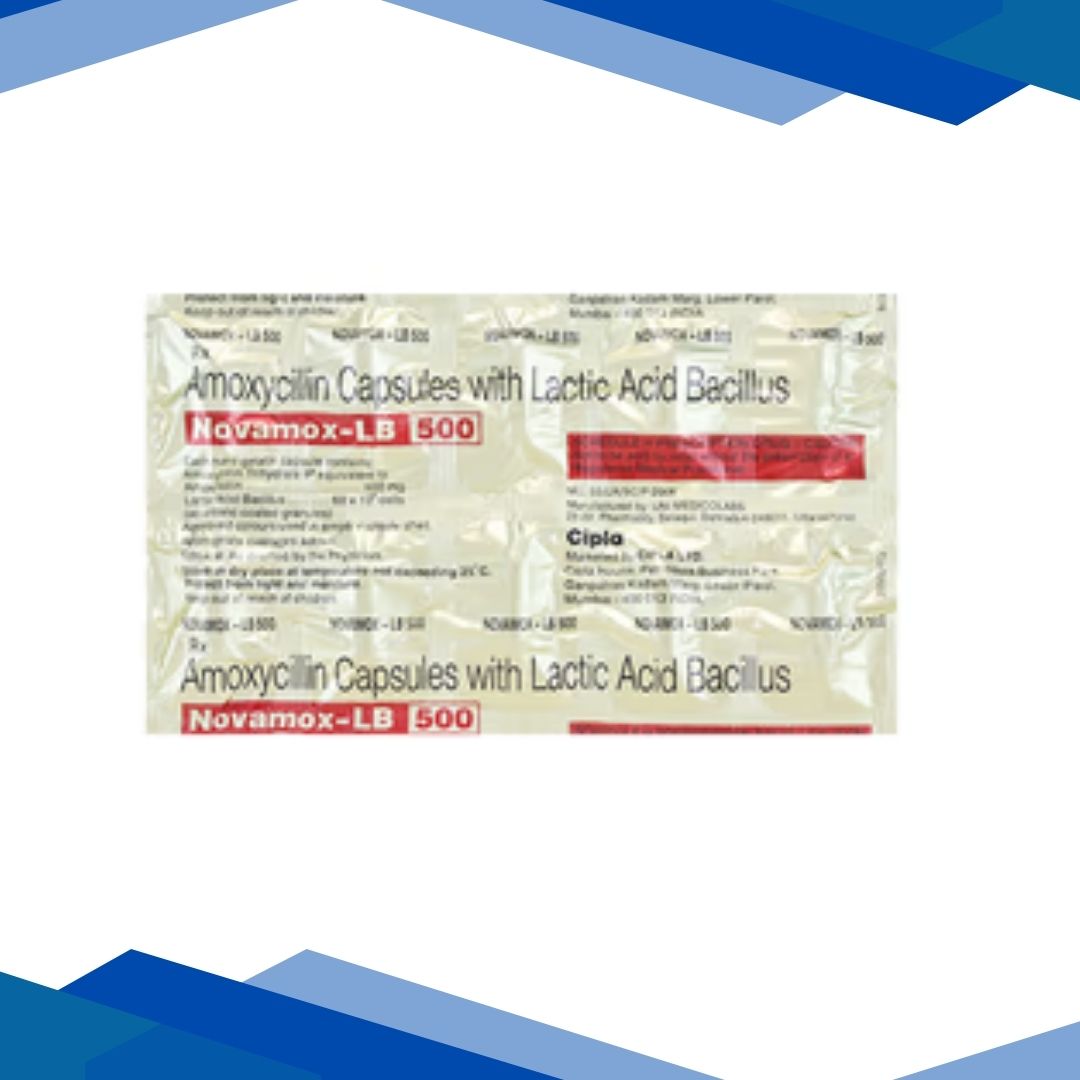
CAPSULES OF AMOXICILLIN+LACTOBACILLUS (500mg/60 million spores):
This combination is a unique one, in that its intent is to conquer a bacterial menace and rescue the gut flora. The task was due to a dose of a very broad-scale antibiotic (a form of penicillin) which carries a lactic acid-producing bacterium. This in turn can be seen as a humane model of “powerlessness to do harm”.
Product profile
CharacteristicsDescription
Therapeutic ClassPenicillin antibiotic + Probiotic (lactic acid bacillus)
Common UseThroat, ear, sinus, skin and urinary tract infections (UTI)
DeliverSteel tablet, capsule, and dry syrup
Dose of operationBactericidal ± restoration of gut flora
It acts by killing bacterium according to its clinical mechanism:
Amoxicillin, through its bactericidal effects, stops the biosynthesis and cross-linking of multilayered peptidoglycans that make the bacterial cell wall by interacting specifically with certain proteins. This makes the wall rupture and kill infectious bacteria.
The lactic acid produced by Lactobacillus acidifies the intestine to prevent growth of “bad” bacteria, leading to the prevention of diarrhea and vaginitis related to Amoxicillin.
Therapeutic Indication
Respiratory Infections: Amoxicillin / Lactobacillus is very useful in the treatment of tonsillitis, pharyngitis, and secondary bacterial infections following colitis.
Dermatological Infections: Use has met with success in the condition of cellulitis, infected wounds, and abscesses.
Urinary tract problems: The capsule may be great for the effective cure of uncomplicated cystitis and other urinary tract problems.
Post-surgery care: There has been great compliance in the prescription of Amoxicillin on account of its anti-septic role for the prevention of systemic infections after minor surgery.
Probability of Expert Use
Good adherence: Make regular equal-interval doses of the medication for complete eradication of the infection. For instance, give the drugs at 8-hourly or 12-hourly timing.
Completing the regime fully: Even if the patient begins to feel better post-azole therapy, they should consume the drugs as prescribed; the multi-drug resistant bacterial infection does not imply one fully recovered. But then early discontinuation could emerge as a resistance to simpler living pathogens. The patient should, therefore, obey and follow the doctor’ s specific instructions altogether.
Protection of existing kidney function can be assured by ample water intake as would come along with the strictures of the therapy.
Pregnancy Category: Category B
Most antibiotics are known to be harmless to the fetus, and as such, very cautious guidance must be adopted with their usage. The doctor shall consider the treatment options of components:
- Surveillance.
- Benefit vs. risks brought by the drug usage; that is, is the risk from using this antibiotic worth taking to protect your own life.
- Doing as much monitoring as possible else-ending the course.
- All these will increase the probability that you would not end up with a mutated clinical pattern that would already render the same bacterium that caused the infection to take over again.
Interactions with ALCOHOL
As a general rule, patients who find their care provider is fine with advising them that their drinking is safe may generally assume that imbibing is safe, says the infectious disease pharmacist.
Questions
Q: But why Lactobacillus in addition to Amoxicillin?
A: Since antibiotics act as nonselective drugs, they wipe out the flora of good bacteria in the colon along with their friends, i.e., the bacteria causing the infection. This results in diarrhea or other upset stomach symptoms. Lactobacillus is added to reinstate the correct balance of gut flora during recuperation following an acute infection.
Q: Do I have to take this medicine with milk or juice?
A: This medication should be washed down with a glass of water, not juice or milk. According to the theory, milk would not have a significant impact on the human body’s absorption of Amoxicillin (unlike Tetracyclines), but still, water would ensure the fastest gastric transit.
Q: What should I do if I miss a dose?
A: Take the dose that you missed just as soon as you remember. If it is almost time for the approaching dose on your daily prescription schedule, it will not matter that much if you miss. The most important thing, however, is do not go the wrong way by doubling up the doses to try to make up for the one you missed.
Q: How long does it take for the infection to be removed. Is the patient cured?
A: Most of the sick patients may feel well after 24 to 48 hours. The biological annihilation of the bacteria will last for the whole course period-5 to 7 days as a routine.